CRO & Experimentation
Understanding Geo-Targeted Traffic for Conversions
Boost conversions with geo-targeted traffic. Capture high-intent users with local SEO, hyper-local strategies, and Google Ads. Drive clicks now!

Sakshi Gupta
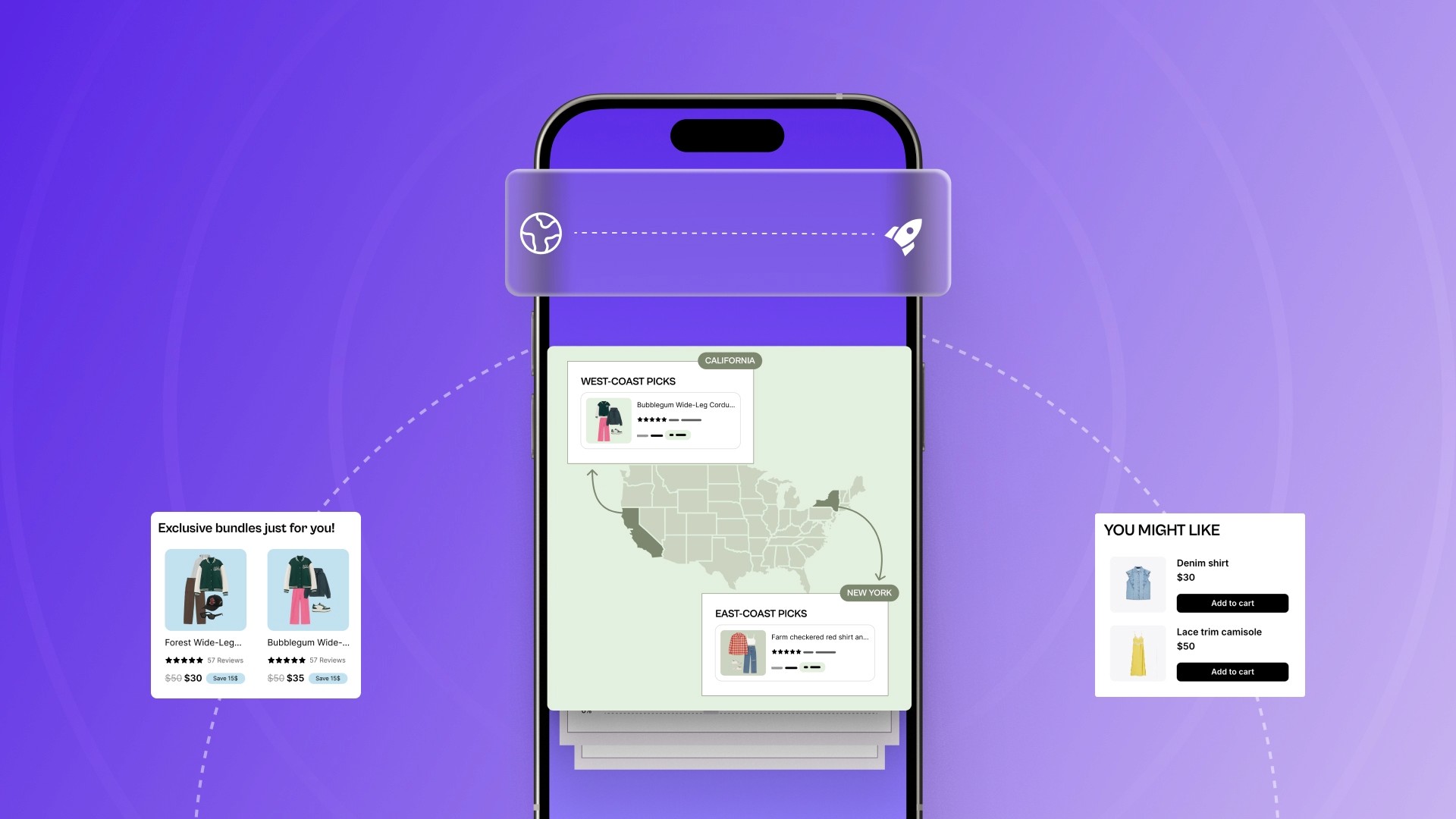





In a crowded digital marketplace, generic advertising increasingly gets ignored. That’s why geo‑targeted traffic isn’t a luxury; it’s essential if you want real conversions. When you tailor your ads, landing pages, or promotions based on where a user is located, city, zip code, or even neighborhood, you’re speaking their language in a relevant moment.
Whether in established metros or growing regional cities, customers engage more deeply with offers and messaging tailored to their local environment and seasonal context. Without geo‑targeting, brands often end up wasting ad spend on low-intent traffic, hurting both acquisition cost and conversion rates.
In this blog, you’ll learn exactly what geo-targeted traffic is, why it matters, and how to use it strategically to drive real growth.
key takeaways
Geo-targeted traffic enhances conversions and engagement by delivering location-specific experiences across landing pages, PDPs, carts, and checkout flows.
Using AI-driven product recommendations and cart recovery based on location increases average order value and reduces abandoned carts.
Time zone-based scheduling, geo-fenced notifications, and localized ad copy ensure campaigns reach shoppers at the most relevant moments.
Local SEO, map integrations, and regional insights make it easier for shoppers to discover products and complete purchases.
Nudge enables real-time personalization, modular UI, and continuous learning to make every shopper interaction feel built for their location.
What Is Geo-Targeted Traffic and How Does It Work?
Geo-targeted traffic lets you deliver experiences that feel local, timely, and personal to each shopper. It’s not just about showing the nearest store or city-specific promo; it’s about smartly aligning product recommendations, offers, and checkout pushes to where your shopper actually is.
Below are the core ways geo-targeted traffic works and impacts your ecommerce funnel:
IP and Device-Based Detection: Track a shopper’s location through IP address or device settings. For example, if a shopper in Mumbai visits your fashion store, you can highlight region-specific collections like monsoon-friendly bags.
Localized Product Recommendations: Suggest products that resonate with local trends, weather, or festivals. AI can dynamically place city-relevant items on PDPs and carts to increase add-to-cart probability.
Contextual Cart Abandonment Offers: Trigger location-aware incentives if someone abandons their cart. A shopper in Delhi might see a free same-day delivery offer, while someone in Bangalore sees a festival discount.
Time Zone And Behavioral Signals: Combine location with browsing patterns to optimize push notifications, pop-ups, or email campaigns for the right local time, increasing engagement and conversion.
Dynamic Landing Experiences: Automatically assemble landing pages and PLPs with local banners, trending products, and offers without waiting for manual updates, ensuring relevance the moment a shopper arrives.
Understanding how geo-targeted traffic functions is key to seeing why it has become a priority for businesses aiming to reach the right audience efficiently.
Why Businesses Should Prioritize Geo-Targeting in Marketing
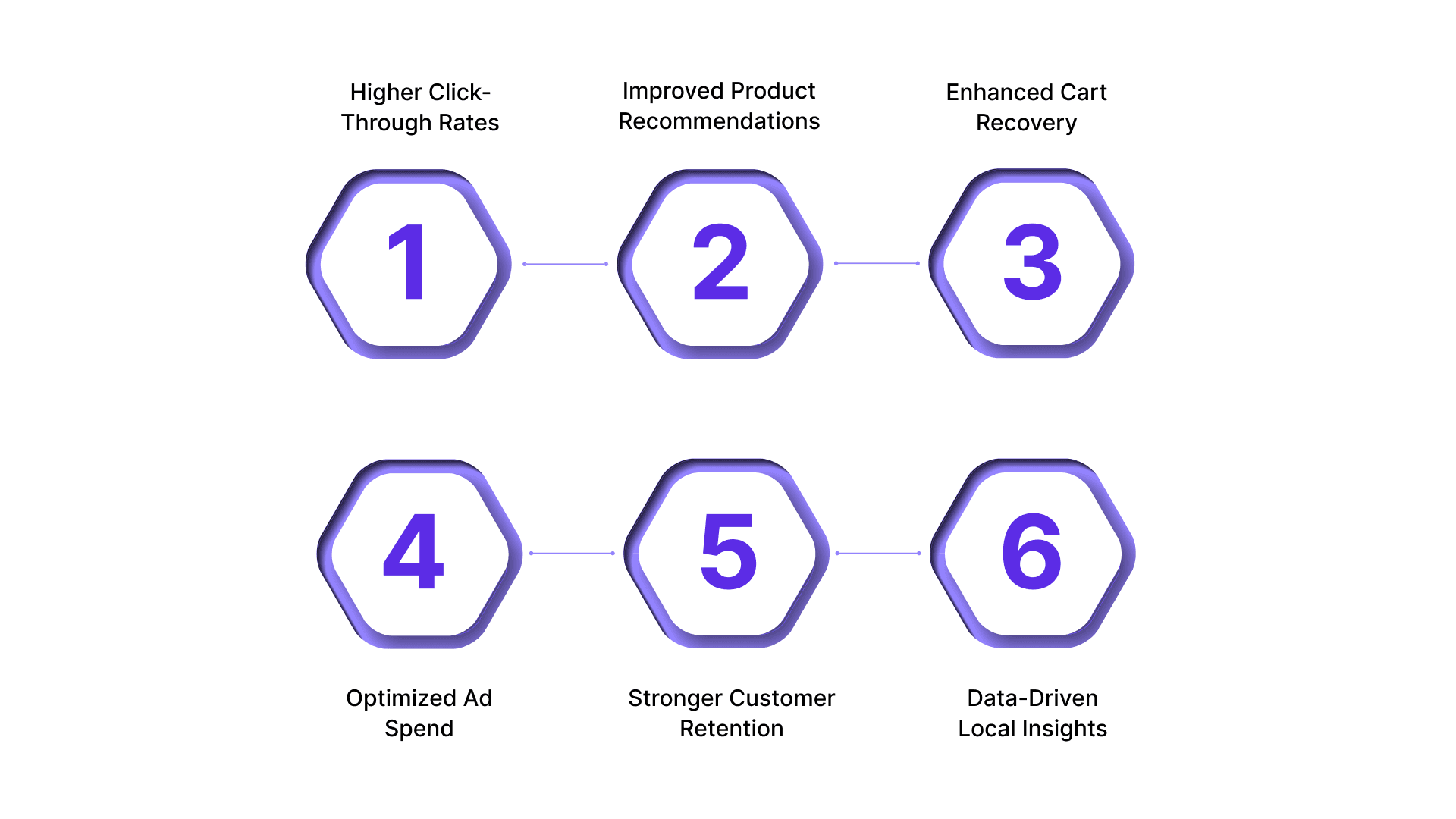
Shoppers expect relevant offers, products, and experiences, and location plays a huge role in shaping preferences. Geo-targeting lets you meet these expectations, reduce wasted ad spend, and enhance metrics like CVR, AOV, and repeat purchases. By making each interaction feel local and timely, you turn casual visitors into loyal customers.
Below are the main reasons you should prioritize geo-targeting in your marketing:
Higher Click-Through Rates: Location-specific messaging increases the likelihood that shoppers engage with your ads or emails. For example, highlighting a city-specific flash sale can pull in more attention than a generic promo.
Improved Product Recommendations: AI can show products that resonate with local trends or seasonal needs, increasing add-to-cart and upsell opportunities on PDPs and carts.
Enhanced Cart Recovery: Trigger location-aware incentives for abandoned carts. For example, free delivery in metro cities or festival discounts in regional hubs can motivate shoppers to complete purchases.
Optimized Ad Spend: Geo-targeting helps you avoid wasting budget on low-intent regions and ensures campaigns reach areas with the highest potential ROI.
Stronger Customer Retention: When experiences feel personalized and relevant to a shopper’s location, they’re more likely to return and make repeat purchases.
Data-Driven Local Insights: Understanding geographic patterns in behavior lets you refine campaigns and product offerings, aligning marketing with practical demand.
Also Read: Understanding Personalized Product Recommendation Engines
Once you understand the value of geo-targeting, let’s dive into six practical strategies that can drive more conversions from targeted traffic.
Top 6 Geo-Targeted Traffic Strategies to Enhance Conversions
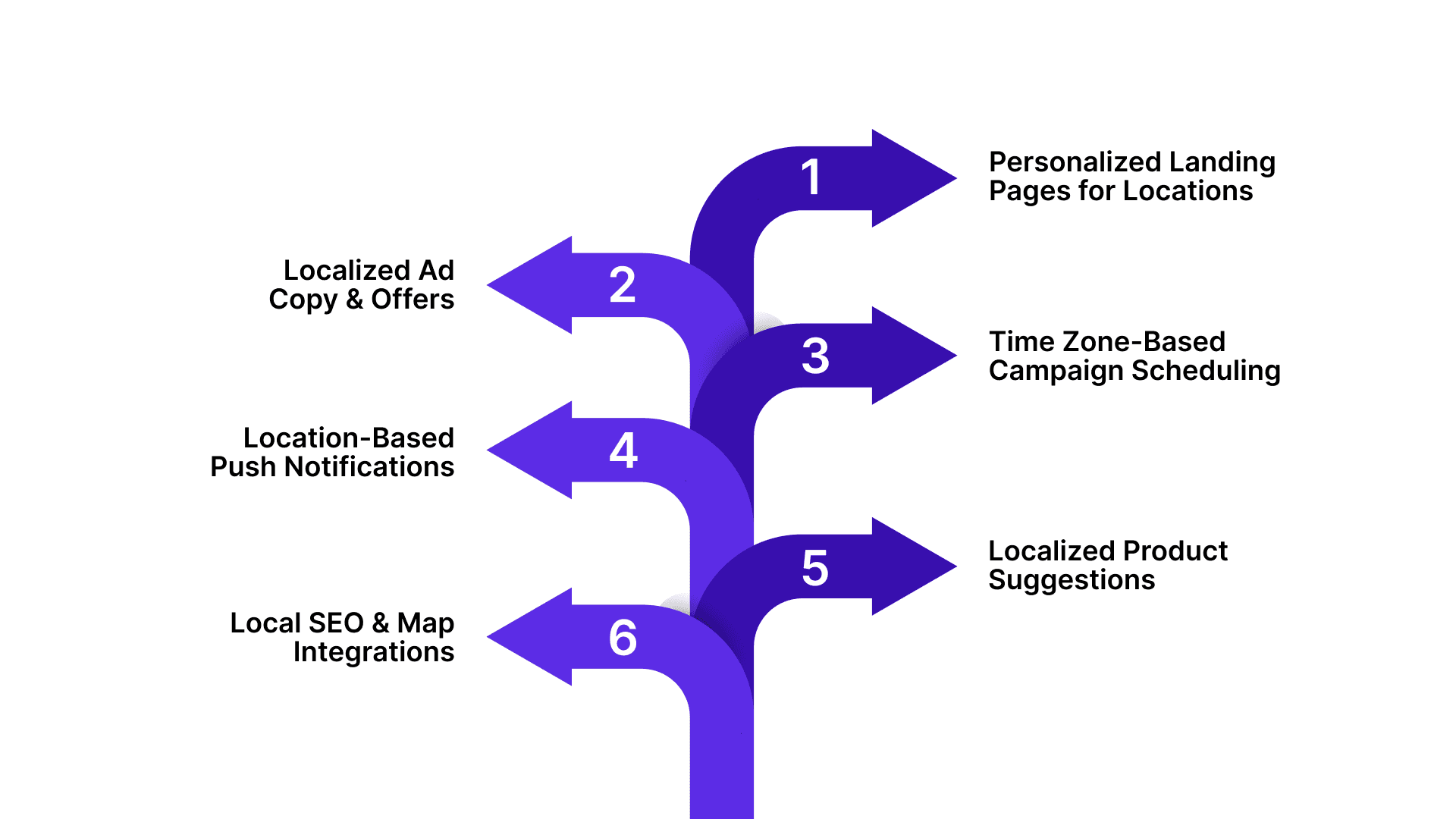
Geo-targeted traffic works best when you pair it with actionable strategies that directly influence shopper behavior. From aligning campaigns with local events to dynamically adjusting product recommendations, these strategies ensure every session feels tailored and timely. Applying them across landing pages, PDPs, and cart experiences lets you maximize engagement while keeping ad spend efficient.
Below are six practical strategies you can implement to enhance conversions using geo-targeted traffic:
Strategy 1 - Personalized Landing Pages for Locations
Personalized landing pages for specific locations let you make every shopper feel like your site was built just for them. When done right, it not only improves engagement but also increases add-to-cart and checkout rates. AI can dynamically assemble these pages based on location, visitor behavior, and inventory, giving each shopper a relevant experience without extra dev work.
Below are key elements to focus on when creating location-specific landing pages:
Localized Hero Banners: Feature city-specific events, festivals, or promotions. For example, highlight Ganesh Chaturthi offers for shoppers in Mumbai or Diwali specials in Delhi.
Region-Specific Product Recommendations: Use AI to surface products that perform well in that area or match local trends, improving the likelihood of conversions on PDPs and carts.
Dynamic Offers And Discounts: Present location-based incentives like faster delivery options or local discount codes to reduce cart abandonment.
Content and Messaging Adjustments: Adjust copy, images, and visuals to reflect local culture, language, or seasonal context to increase relevance and trust.
Real-Time Stock Optimization: Highlight products available nearby or in high demand locally, ensuring shoppers see what they can actually buy immediately.
Strategy 2 - Localized Ad Copy and Offers
When your ad copy and offers feel relevant to a shopper’s location, you instantly increase engagement and the chances of conversion. Localized copy paired with dynamic product recommendations or cart incentives can drive both immediate purchases and repeat visits.
Below are practical ways to implement localized ad copy and offers effectively:
City-Specific Headlines: Mention the shopper’s city or region in the ad copy. For example, “Mumbai Shoppers Get Free Same-Day Delivery Today” grabs attention and signals relevance.
AI-Powered Product Highlights: Use AI to surface top-selling items in the shopper’s area directly in ads or banners, improving CTR and add-to-cart rates.
Localized Cart Abandonment Offers: Trigger unique offers based on location when shoppers leave items in the cart, such as free delivery for metro users or city-specific bundle deals.
Dynamic Visuals And Messaging: Adapt imagery and promotional text to reflect local culture, weather, or seasonal context, making your campaigns feel personal and timely.
Strategy 3 - Time Zone-Based Campaign Scheduling
Sending campaigns at the wrong time can waste ad spend and reduce engagement, even if your content and offers are perfect. AI can help schedule product recommendations, cart recovery pushes, and promotional messages based on time zones, maximizing the chances of clicks, add-to-carts, and completed purchases.
Below are ways to implement effective time zone-based scheduling:
Local Delivery Windows: Align messaging with delivery preferences in the shopper’s time zone. For example, promote same-day delivery during the afternoon in metros and morning slots in Tier-2 cities.
Cart Abandonment Timing: Send follow-up reminders when shoppers are most likely to return and complete their purchase, increasing conversion probability.
AI-Powered Engagement Windows: Use AI to detect when your audience is most active by region and automatically schedule campaigns for those peak hours.
Region-Specific Product Promotions: Highlight products or bundles that match seasonal demand or local trends during times when shoppers are most responsive.
Time-Sensitive Offers: Use countdown banners, flash sales, or limited-time discounts that reflect the local time zone to drive urgency and conversions.
Strategy 4 - Geo-Fenced Push Notifications or Pop-Ups
Geo-fencing allows you to trigger push notifications or pop-ups when shoppers enter a specific area, making your campaigns hyper-relevant. AI can help decide which products or offers to show based on local trends, inventory, and shopper behavior, ensuring every interaction feels personal and actionable.
Below are effective ways to use geo-fenced notifications and pop-ups:
Proximity-Based Offers: Send discounts or flash deals when shoppers enter a city, neighborhood, or are near a partner store to encourage instant purchases.
Localized Product Recommendations: Highlight trending products in that region or city, enhancing the likelihood of conversions on PDPs and carts.
Cart Recovery Triggers: If a shopper leaves a location without completing a purchase, prompt them with location-specific incentives to return and buy.
Event or Store Notifications: Alert shoppers about local events, pop-ups, or new arrivals in their area to increase footfall or engagement.
AI-Optimized Timing and Messaging: Use AI to determine the optimal message, content, and time for each location to maximize clicks and conversions.
Strategy 5 - Location-Specific Product Recommendations
Showing the right products at the right time is critical, but showing the right products for the right location takes it a step further. When your product suggestions feel relevant to a shopper’s region, every PDP, cart, or homepage visit becomes a conversion opportunity.
Below are practical ways to implement location-specific product recommendations:
Regional Trending Products: Highlight best-selling items in a shopper’s city or state, increasing relevance and likelihood of purchase.
Seasonal or Weather-Based Suggestions: Use AI to recommend raincoats in monsoon-heavy areas or sunglasses in sunnier regions, improving engagement and conversions.
Cart Upsells Based on Location: Suggest complementary items that resonate locally when shoppers add products to their cart, enhancing AOV.
Inventory-Aware Suggestions: Only surface products available in the shopper’s region to reduce frustration and increase completed purchases.

Strategy 6 - Local SEO and Map Integrations
Being visible in local search results and maps can turn casual searches into ready-to-buy shoppers. Integrating maps and location signals with AI-driven product recommendations or cart recovery pushes can drive more conversions by making it easy for shoppers to find relevant products and complete purchases quickly.
Below are ways to understand local SEO and map integrations effectively:
Optimize Local Listings: Ensure your business and product pages appear in city or neighborhood-specific searches to increase organic visibility.
Region-Specific Landing Pages: Create landing pages that target local keywords and show products available nearby to drive relevance and conversions.
Map-Based Product Discovery: Integrate interactive maps that highlight store locations, stock availability, or pickup points, improving convenience and trust.
Location-Aware Cart Incentives: Offer region-specific discounts, same-day delivery, or pickup options to encourage shoppers to complete purchases.
Also Read: 10 Key Mobile App User Engagement Metrics You Must Measure
Once you implement these geo-targeted strategies, it’s important to understand how they can enhance conversion rates and lifetime value for your business.
How Geo-Targeted Traffic Improves CRO and LTV
Geo-targeted traffic does more than drive clicks. When shoppers see products, offers, and cart incentives tailored to their region or city, they engage more, complete purchases faster, and are more likely to return. AI-powered recommendations and contextual cart recovery can further enhance ROI by making every interaction feel relevant and timely.
Below are the main ways geo-targeted traffic improves CRO and LTV:
Higher Conversion Rates: Display products, promotions, and messages that resonate locally, increasing add-to-cart and checkout completions.
Reduced Cart Abandonment: Trigger region-specific incentives or reminders for abandoned carts to recover lost revenue efficiently.
Improved Average Order Value: Suggest complementary items or bundles that are popular in the shopper’s area, enhancing AOV through AI-driven recommendations.
Repeat Purchases From Local Relevance: When shoppers consistently see products and offers aligned with their location, they are more likely to return for future purchases.
Optimized Marketing Spend: Focusing on high-intent local traffic reduces wasted ad spend and drives better ROI per campaign.

To make the most of geo-targeted traffic, businesses can rely on specialized tools and platforms that simplify targeting and measurement.
Tools and Platforms for Geo-Targeting Traffic
To make geo-targeted strategies work at scale, you need platforms that can manage data, automate personalization, and optimize campaigns in real time. The right tools help you combine location signals with AI-driven product recommendations, dynamic cart recovery, and personalized onsite experiences.
Below are the core types of platforms to consider for geo-targeted traffic:
Paid Advertising Platforms: Manage location-based campaigns, adjust bids by region, and customize ad copy to drive higher engagement and conversion.
Onsite Personalization Tools: Dynamically assemble landing pages, product grids, and banners based on a shopper’s location and behavior to enhance relevance.
Marketing Automation Platforms: Trigger cart recovery, push notifications, and email campaigns at optimal local times to reduce drop-offs.
Customer Data Platforms And Analytics: Collect location signals, analyze local trends, and feed AI recommendations that optimize product placement, cross-sells, and upsells.
AI-Driven Optimization Engines: Use predictive models to surface the most relevant products and offers for each shopper based on their city, region, or behavior.
Avoiding common mistakes is easier when you have the right tools and platforms to manage and optimize your geo-targeting campaigns.
Common Mistakes in Geo-Targeting Campaigns
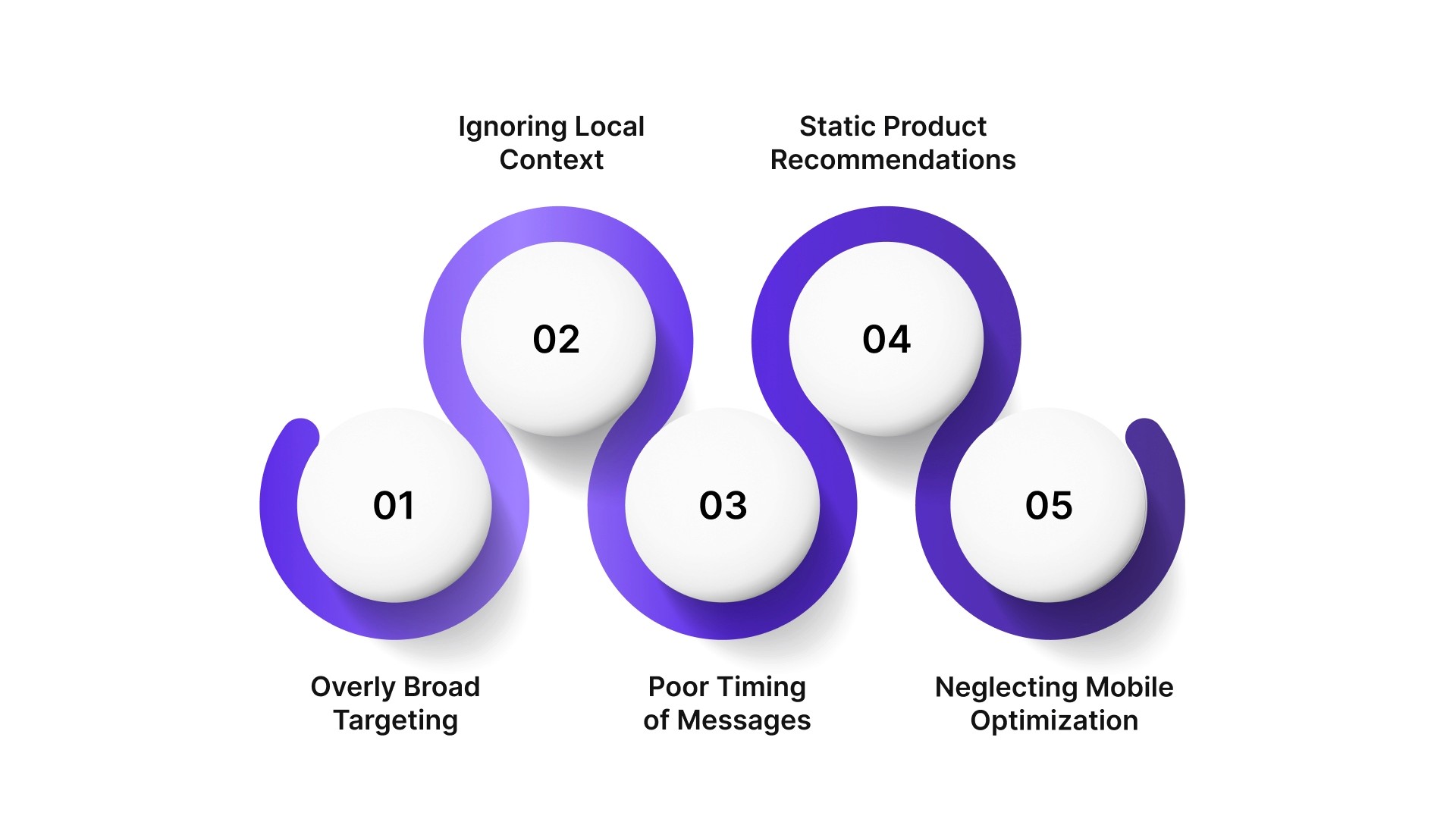
Even the best geo-targeting strategies can fail if common pitfalls are overlooked. By identifying and fixing these errors, you can improve engagement, enhance cart recovery, and increase ROI. AI-powered product recommendations and location-aware incentives can help you stay precise and relevant to each shopper.
Below are common geo-targeting mistakes and how to fix them:
Overly Broad Targeting: Avoid sending campaigns to entire states or countries without segmentation. Fix by narrowing focus to cities, zip codes, or neighborhoods with high conversion potential.
Ignoring Local Context: Generic offers may not resonate with local trends or festivals. Fix by tailoring promotions, banners, and product suggestions to cultural or seasonal relevance.
Poor Timing of Messages: Sending notifications at the wrong local time reduces engagement. Fix with AI-driven scheduling based on time zones and peak activity windows.
Static Product Recommendations: Showing the same products to all locations limits conversion. Fix by surfacing AI-powered, region-specific products on PDPs and carts.
Neglecting Mobile Optimization: Shoppers in specific regions often access sites via mobile. Fix by ensuring pop-ups, landing pages, and checkout flows are fully mobile-friendly for location-targeted campaigns.

Understanding common pitfalls sets the stage for using Nudge to maximize the impact of geo-targeted traffic on conversions.
How Nudge Can Help Understand Geo-Targeted Traffic for Conversions?
For high-growth ecommerce and DTC brands, understanding geo-targeted traffic effectively requires precision, speed, and continuous optimization. Nudge enables you to do all of this without relying on heavy engineering support, helping you maximize conversions at every stage of the funnel analysis. By combining AI, real-time personalization, and dynamic product and offer placement, Nudge makes location-aware campaigns seamless and actionable.
Here’s how Nudge helps in detail:
Real-Time Personalization Across the Funnel: Nudge dynamically adjusts homepages, landing pages, PDPs, PLPs, carts, and checkout pages based on the shopper’s location, campaign source, and behavior.
Nudge can automatically highlight region-specific collections, relevant discounts, and local delivery options, making every session feel custom-built. This ensures higher engagement, better add-to-cart rates, and faster conversion.
Commerce Surfaces for Localized Experiences: Nudge allows you to assemble dynamic product grids, personalized offers, and shoppable videos tailored to local trends and inventory in real time. You can feature city-specific product highlights or showcase bundles popular in that region. This helps you engage shoppers immediately without delays from manual updates or dev cycles.
AI Product Recommendations: Using AI, Nudge recommends products that resonate with local demand and preferences. On PDPs and in carts, these recommendations adapt based on regional trends, seasonal factors, and inventory availability. This not only increases average order value but also enhances the relevance of your campaigns, reducing drop-offs and improving retention.
Contextual Nudges for Conversions: Nudge delivers dynamic banners, modals, and pop-ups triggered by location signals such as scroll depth, exit intent, or time-on-page. For example, if a shopper in Mumbai is about to abandon their cart, Nudge can display a city-specific discount or faster delivery option to recover the sale immediately. These context-aware nudges maximize conversion potential without being intrusive.
No Dev Bottlenecks: You can launch, test, and iterate campaigns directly from the marketing interface without waiting for engineering cycles. This speed is crucial for capitalizing on local trends, festival offers, or sudden shifts in shopper behavior, ensuring campaigns are timely and relevant.
Compounding Advantage Through AI: The more shoppers interact with your site, the smarter Nudge becomes at predicting local preferences and behavioral patterns. Over time, every campaign becomes more precise, improving CVR, AOV, LTV, and reducing CAC. You get a self-learning system that continuously enhances relevance across regions.
Cart Abandonment Recovery: Nudge automatically triggers location-aware cart recovery flows. For instance, shoppers in metros can be shown same-day delivery incentives while those in Tier-2 cities may see festival discount codes. This targeted approach helps recover lost revenue efficiently and encourages repeat purchases.
Context Signals Including Location: Beyond just city or state, Nudge uses device type, referrer, and session behavior in combination with location to adapt campaigns. You can personalize offers not only by region but by the device and local engagement patterns, making your campaigns extremely precise and relevant.
Modular UI Elements: Nudge lets you dynamically test images, content blocks, layouts, and colors based on location. You can run A/B variations specific to a city or neighborhood, learning which elements drive the highest conversions without writing a single line of code.
Also Read: 10 Best Practices and Tips for a Website's Hero Section
By combining these capabilities, Nudge ensures that every shopper sees content, products, and offers that feel built for them in their exact context. This approach reduces drop-offs, increases repeat purchases, and makes geo-targeted marketing a high-ROI lever for your brand.
Conclusion
Geo-targeted traffic is no longer optional for high-growth ecommerce and DTC brands; it is a critical lever for driving relevance, conversions, and long-term customer value. By delivering location-aware product recommendations, personalized landing pages, dynamic offers, and AI-powered cart recovery, you can turn every visit into a high-impact interaction.
Nudge makes this effortless by combining real-time personalization, modular UI elements, and continuous learning to ensure each shopper’s experience feels built just for them.
Ready to see how Nudge can transform your geo-targeted campaigns and enhance conversions? Book a demo today and start turning location data into measurable results.
FAQs
1. What level of location data (city, zip code, GPS) delivers the best results for geo-targeted campaigns?
City and zip code levels usually balance precision with sufficient traffic. GPS works well for app-based or proximity campaigns, but for most ecommerce and DTC brands, regional targeting combined with AI-driven product recommendations delivers the best conversion rates.
2. How accurate is geo-targeting when shoppers use VPNs or proxies?
VPNs and proxies can distort location data, sometimes showing a different city or country. To mitigate this, focus on multiple signals like device IP, browser language, and behavior patterns. AI can help adapt recommendations and offers even when the exact location is uncertain, keeping campaigns relevant.
3. Can geo-targeted campaigns work for brands without physical stores (pure ecommerce / DTC)?
Absolutely. Even without physical locations, geo-targeting lets you surface relevant products, promotions, and localized bundles. Highlight regional trends, festivals, or weather-based needs to increase engagement, add-to-cart, and conversion rates while keeping ad spend efficient across high-value locations.
4. How do you measure the success of geo-targeted marketing, and which KPIs matter most by region?
Track CTR, add-to-cart rates, completed purchases, and AOV by location. Also measure repeat visits, local engagement with recommendations, and campaign ROI. Comparing performance across regions identifies high-performing areas and informs optimization of offers, copy, and product recommendations for each location.
5. Does geo-targeting increase advertising cost because of higher competition in dense regions?
High-density regions may have higher CPCs, but ROI improves when campaigns are highly relevant. Geo-targeting allows you to focus on areas with higher conversion potential, offsetting increased costs. AI-driven recommendations and timed offers can further improve efficiency by converting users faster and reducing wasted ad spend.