Ecommerce Personalization
Understanding One-to-One Marketing: Benefits and Strategies
Boost sales with One for One Marketing. Learn its benefits, how to differentiate customers, tailor interactions, and start small. Click now!

Sakshi Gupta
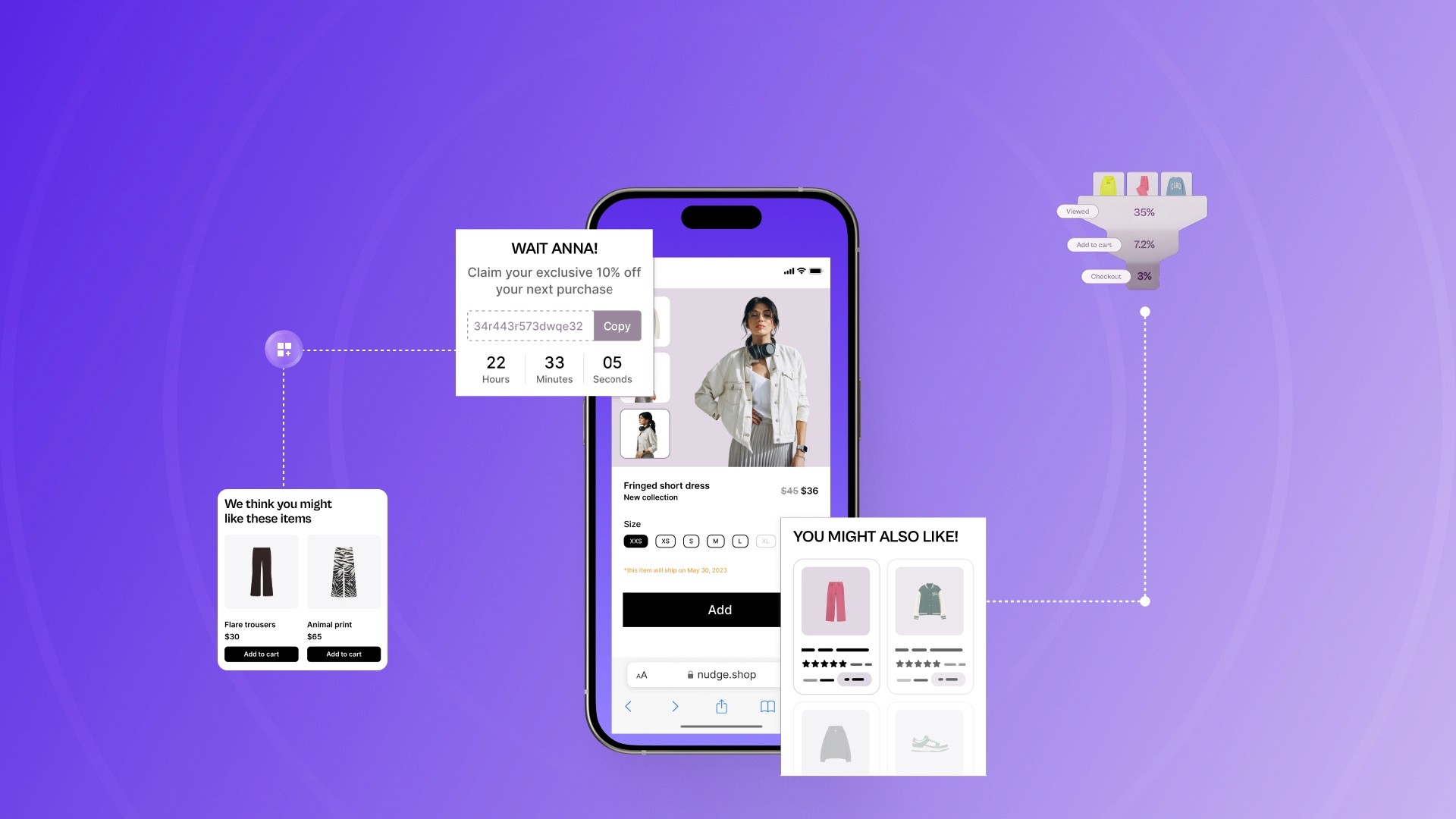





More than ever, online shoppers expect a brand to treat them like individuals, not just faceless traffic. In 2025, about 71% of consumers globally say they expect personalized interactions when they shop online. Amra and Elma LLC If you’re still showing the same homepage, product list, and offers to every visitor, you’re leaving money on the table.
Especially in the booming e‑commerce market, diversity in taste, language, device, and browsing behavior means generic experiences can feel tone‑deaf, frustrating, and impersonal. As marketers, that often translates into high drop‑off rates, low repeat purchases, and wasted ad spend on “cold” mass repackaging.
You, reading this, deserve better. That’s why one-to-one marketing matters: it helps you build personalized, dynamic shopping journeys that feel made for each customer. In this blog, we’ll walk you through exactly what one-for-one marketing is, why it works, and how you can deploy it effectively.
Key Takeaways
One-to-one marketing helps high-growth ecommerce and DTC brands deliver personalized experiences that increase engagement, conversions, and customer loyalty.
AI-driven product recommendations, dynamic cart recovery, and behavior-based pushes are essential for creating relevant, real-time shopper journeys.
Personalized emails, push notifications, SMS, and tailored content experiences maximize conversions and lifetime value across multiple touchpoints.
Avoid common mistakes like irrelevant recommendations, poor timing, and inconsistent messaging to ensure one-for-one marketing drives results.
Nudge enables brands to scale one-for-one marketing effortlessly with real-time personalization, modular UI, and predictive AI capabilities, reducing manual effort and dev dependency.
What Is One-to-One Marketing and Why Does One-to-One Marketing Work for Modern Businesses?
You know that every shopper on your site has a different intent, mood, and spending behavior. Treating everyone the same limits your growth and conversion potential. One-to-one marketing is about designing experiences, offers, and communications that respond to each visitor’s unique journey in real time.
For high-growth ecommerce and DTC brands, this means turning every click into an opportunity to engage, convert, and retain without relying on static funnels or manual segmentation.
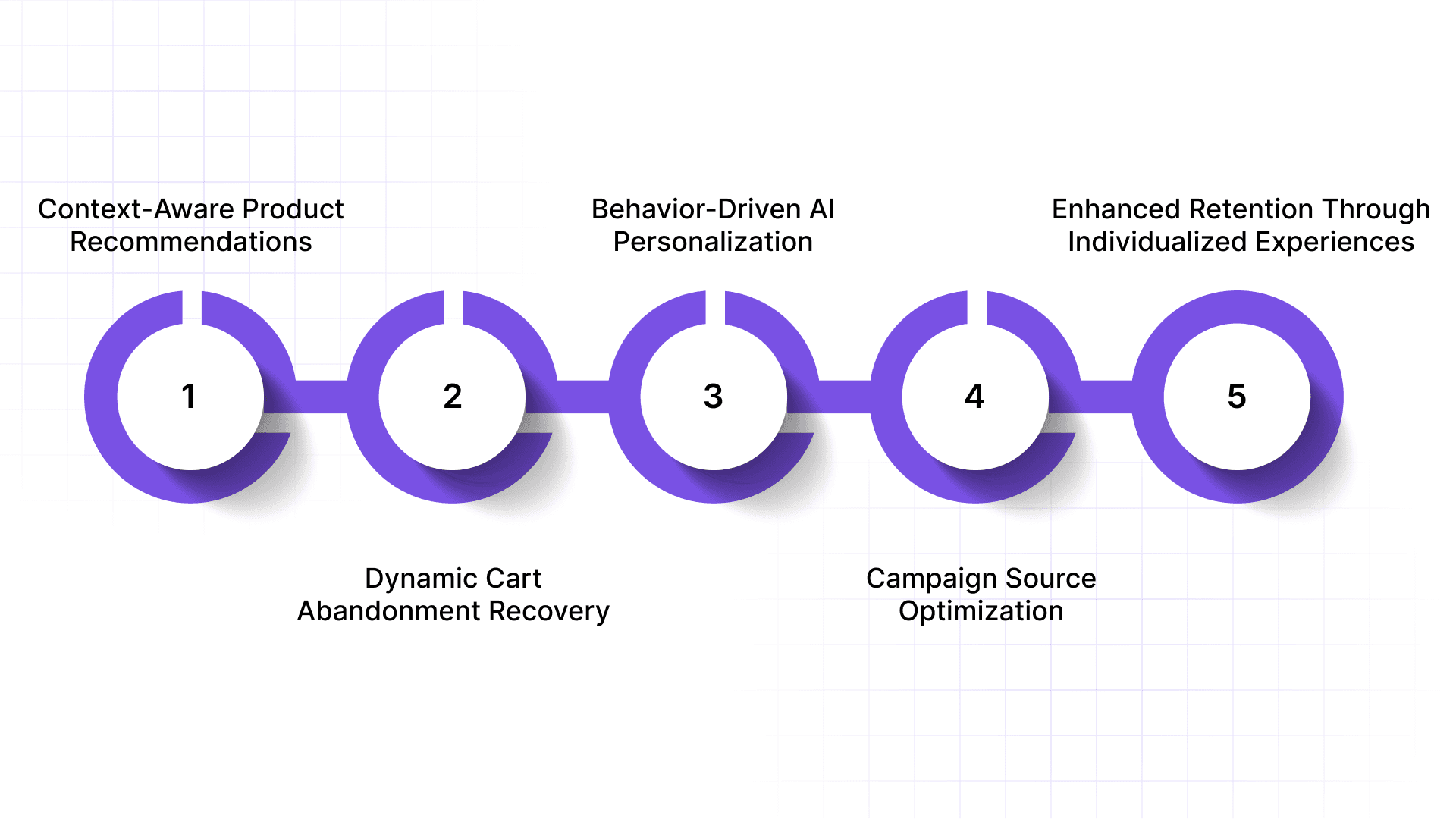
Below are key reasons why one-for-one marketing works for modern businesses like yours
Context-Aware Product Recommendations: You can show products that match what a shopper is likely to buy next, based on past purchases, browsing patterns, or campaign source. For example, if someone just bought a travel bag, suggesting a matching pouch or accessory increases AOV.
Dynamic Cart Abandonment Recovery: Trigger messages, pop-ups, or offers tailored to each shopper’s abandoned cart behavior. Personalized recovery increases the chance they will complete the purchase instead of leaving.
Behavior-Driven AI Personalization: AI analyzes session behavior in real time to rearrange product grids, highlight popular items, or surface trending deals. This keeps the experience fresh and highly relevant.
Campaign Source Optimization: Visitors arriving from social media, email, or paid ads see messages, offers, and layouts that match their entry point and intent, reducing drop-offs and wasted ad spend.
Enhanced Retention Through Individualized Experiences: Customers are more likely to return when every interaction feels tailored, from recommended products to contextual pop-ups, helping you increase LTV without extra marketing cost.
Once you understand what one-to-one marketing is, let’s move into the top one-to-one marketing strategies you can put into action.
Also Read: Understanding the Ecommerce NAICS Code 454110
Top 5 One-to-One Marketing Strategies
You already know that personalized experiences drive engagement rate and revenue, but knowing which strategies actually move the needle is critical. One for one marketing isn’t just about personalization at a surface level; it’s about embedding relevance into every touchpoint, anticipating shopper needs, and using data to proactively guide them through the funnel analysis.
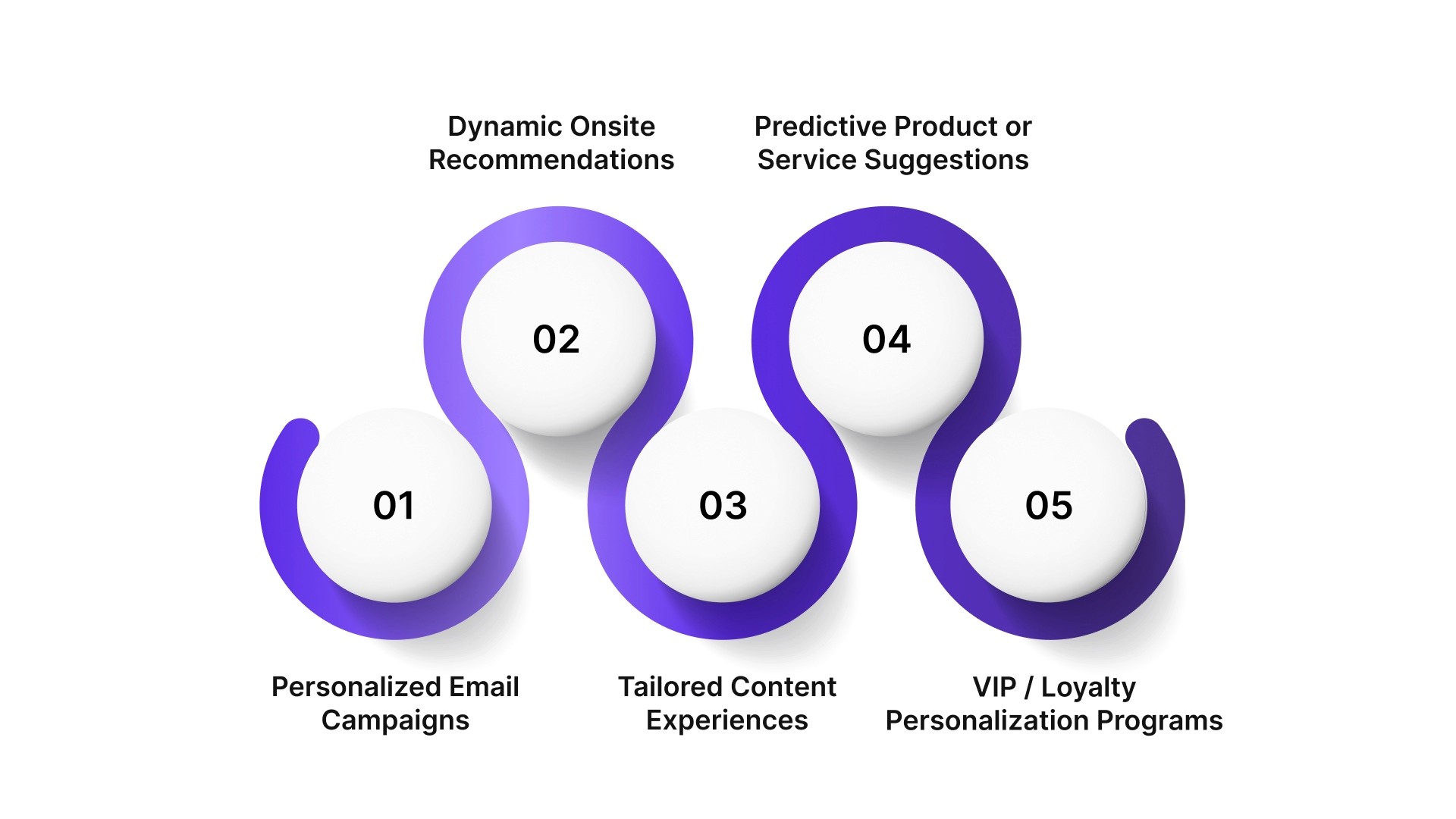
Below are five powerful strategies you can implement today
Strategy 1 - Personalized Email Campaigns
Email is still one of the most effective channels for high-growth ecommerce and DTC brands, but generic blasts won’t cut it anymore. You need campaigns that respond to each shopper’s behavior, interests, and cart activity in real time.
Personalized emails let you drive conversions, recover abandoned carts, and suggest products that feel hand-picked for each customer. AI can help you segment dynamically and optimize timing, content, and product recommendations to match individual intent.
Below are key tactics to make your email campaigns one-to-one
Behavior-Triggered Emails: Send messages based on specific actions, like browsing a product or abandoning a cart. For example, if a shopper leaves a fashion item in their cart, you can trigger a reminder with a complementary accessory.
Dynamic Product Recommendations: Use AI to surface products that match a shopper’s preferences or previous purchases. Suggesting bundles or trending items can increase AOV and repeat purchases.
Personalized Subject Lines And Copy: Address the shopper by name, highlight relevant products, and reference past behavior to make emails feel unique and engaging.
Optimized Send Time: AI can determine when each shopper is most likely to open and engage with your emails, improving CTR without adding manual effort.
Segmentation Based On Lifecycle Stage: Tailor messaging for new visitors, repeat buyers, or lapsed customers to increase relevance and retention without spamming everyone with the same content.
Strategy 2 - Dynamic Onsite Recommendations
Dynamic onsite recommendations let you adapt every page in real time based on shopper behavior, intent, and AI-driven insights. By showing products that truly match what a visitor is looking for, you can increase engagement, lift AOV, and reduce cart abandonment. This strategy turns browsing into buying without requiring extra manual effort from your team or development resources.
Below are key tactics to implement dynamic onsite recommendations
Contextual Product Grids: Adjust product listings based on what a shopper has browsed or added to the cart. For example, if someone views summer handbags, surface complementary totes, or matching wallets.
Upsell And Cross-Sell Recommendations: AI can identify products that pair well with what is already in the cart, pushing shoppers toward higher-value purchases without feeling pushy.
Behavioral Triggers: Show recommendations when a shopper lingers, scrolls through multiple products, or is about to exit, turning hesitation into conversion.
Personalized Collections: Curate collections dynamically for each visitor, highlighting items aligned with their past purchases, browsing patterns, or campaign source.
Real-Time Inventory Awareness: Only display items in stock to prevent frustration and highlight urgency for low-stock products, encouraging faster decisions.
Strategy 3 - Tailored Content Experiences
Your shoppers don’t just buy products; they engage with content that inspires, informs, or entertains them. Tailored content experiences let you match blog posts, guides, videos, and product highlights to each visitor’s preferences and behavior.
AI can surface content dynamically based on browsing patterns, campaign source, or past interactions, creating a seamless experience that feels personal at every touchpoint.
Below are key tactics to deliver tailored content experiences
Dynamic Landing Pages: Show content blocks, product highlights, or video tutorials based on what each shopper is interested in. For example, first-time visitors browsing skincare could see a how-to guide for a morning routine.
Contextual Product Spotlights: Integrate products into content that matches shopper intent. If someone reads about summer fashion trends, highlight bags or accessories suited for the season.
Behavior-Based Recommendations: Use AI to suggest content based on session behavior, past purchases, or abandoned carts, keeping engagement high and pushing toward purchase.
Personalized Emails With Content Snippets: Include relevant articles, guides, or videos in email campaigns that align with what a shopper has previously browsed or bought.
Interactive Content Modules: Add polls, quizzes, or sliders that adapt to shopper responses, creating engagement while gathering insights to improve recommendations.
Strategy 4 - Predictive Product or Service Suggestions
Predictive suggestions let you anticipate what your shoppers want before they even search for it. By analyzing past behavior, browsing patterns, and purchase history, AI can surface products or services that feel curated for each visitor. When you guide shoppers intelligently, you make it easier for them to discover and buy the right products at the right time.
Below are key tactics to implement predictive suggestions
Next-Buy Recommendations: Show items a shopper is likely to purchase based on past purchases. For example, if they bought a handbag, suggest a matching wallet or strap.
AI-Powered Upsells: Highlight higher-value alternatives or bundles at the right moment in the journey to enhance revenue without being intrusive.
Complementary Product Suggestions: Display products that complement items in the cart to increase AOV and make the purchase feel complete.
Seasonal or Trend-Based Predictions: Use AI to recommend products aligned with current trends or seasonal needs relevant to each shopper’s profile.
Behavior-Adaptive Recommendations: Continuously adjust suggestions based on session activity, clicks, and engagement, keeping recommendations relevant and timely.
Strategy 5 - VIP / Loyalty Personalization Programs
Loyal customers are your most valuable asset, and treating them like VIPs can dramatically increase repeat purchases and lifetime value. Personalization in loyalty programs ensures that each shopper feels recognized and rewarded for their unique behavior, preferences, and purchase history.
Below are key tactics for VIP and loyalty personalization
Tiered Rewards Based on Behavior: Create loyalty tiers that reflect purchase frequency, AOV, or engagement. Offer early access or special discounts for top-tier customers to drive repeat purchases.
Exclusive Product Recommendations: Show VIPs products or bundles unavailable to regular shoppers, using AI to match their past interests or preferences.
Personalized Milestone Offers: Celebrate birthdays, anniversaries, or cumulative spend milestones with tailored discounts or gifts to strengthen the relationship.
Behavior-Driven Communication: Send targeted notifications or emails highlighting new arrivals, trending products, or replenishment reminders based on their previous activity.
VIP-Only Experiences: Provide personalized experiences such as early access to sales, curated collections, or private previews that make high-value customers feel valued and recognized.
Also Read: 10 Key Mobile App User Engagement Metrics You Must Measure
After exploring the top strategies, here are the tools and technologies that help bring one-to-one marketing to life.
Tools and Technologies for One for One Marketing
To make one-for-one marketing work at scale, you need the right mix of technologies that automate personalization, predict shopper behavior, and optimize interactions in real time. These systems also help you recover abandoned carts, recommend complementary products, and track engagement across channels efficiently.
Below are the core technology capabilities to focus on
AI-Powered Personalization Engines: Use AI to surface product recommendations, predict shopper intent, and dynamically rearrange content and offers on the site for higher engagement.
Customer Data Integrations: Centralize shopper behavior, purchase history, and campaign source data to enable accurate targeting and segmentation for personalized experiences.
Automation Platforms: Schedule and trigger emails, push notifications, and SMS based on real-time behavior or lifecycle stage without manual effort.
Analytics and Reporting Systems: Monitor which recommendations, campaigns, or personalized experiences are driving conversions, AOV, and retention to continuously optimize strategies.
Real-Time Interaction Optimization: Adjust content, product grids, or offers during a live session based on clicks, scroll depth, or cart additions to reduce drop-offs and increase purchases.

With the right tools in place, the next step is understanding how one-to-one marketing strengthens customer retention and long-term value.
How One for One Marketing Enhances Customer Retention and LTV?
Keeping customers coming back is more cost-effective than constantly acquiring new ones. One for one marketing helps you build personalized, relevant experiences that make shoppers feel valued and understood.
Below are key ways one-to-one marketing drives retention and LTV
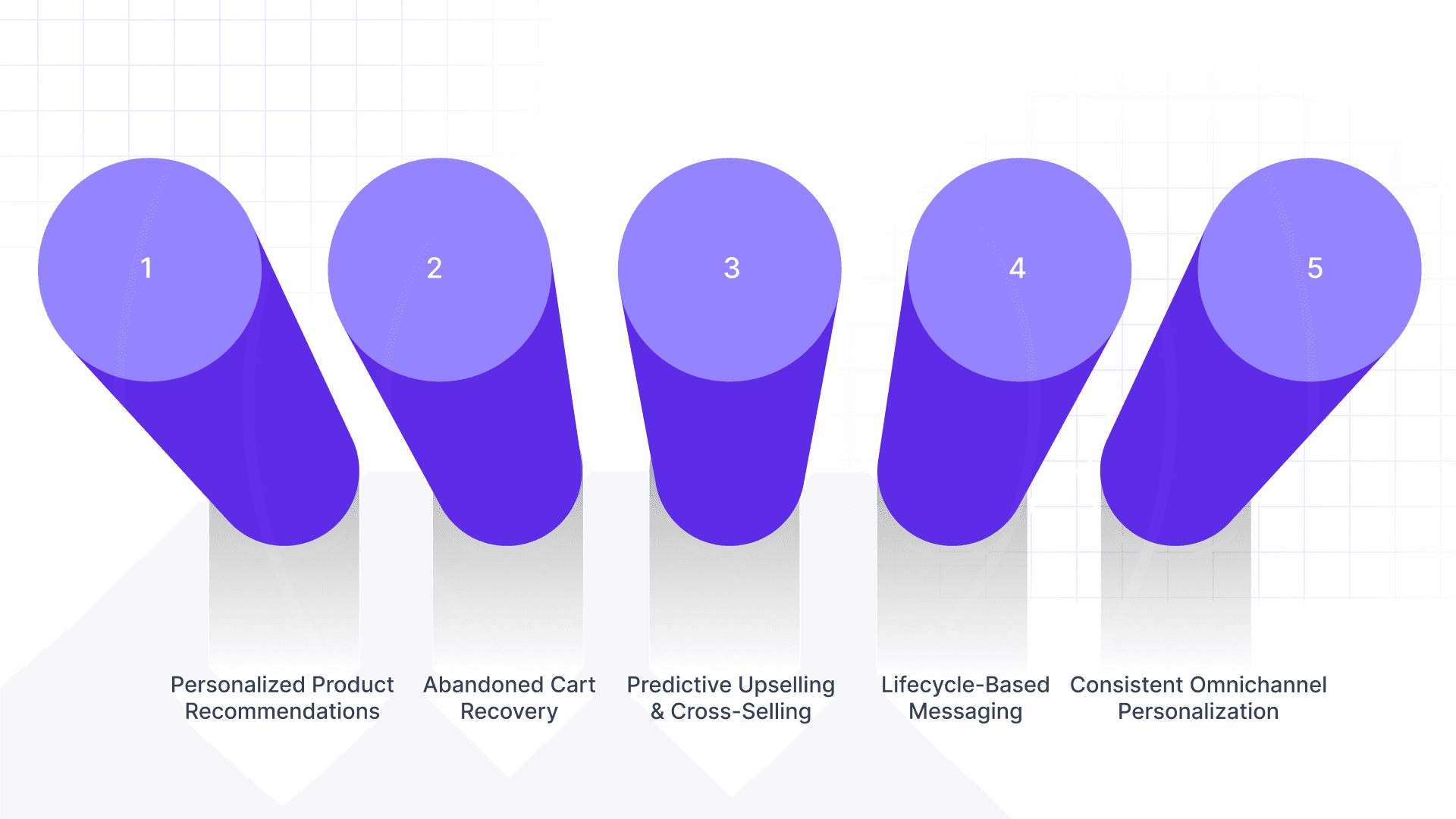
Personalized Product Recommendations: Show shoppers products aligned with past purchases or browsing behavior to encourage repeat purchases and increase average order value.
Abandoned Cart Recovery: Send timely, behavior-driven reminders or offers for abandoned carts to recover lost revenue and strengthen shopper trust.
Predictive Upselling And Cross-Selling: Use AI to suggest complementary or higher-value items during sessions, making every visit an opportunity to maximize LTV.
Lifecycle-Based Messaging: Deliver messages tailored to each stage of the shopper journey, like welcome offers for new users or exclusive deals for repeat buyers.
Consistent Omnichannel Personalization: Ensure every touchpoint, from email to push notifications, reflects the same personalized experience to reinforce loyalty and brand connection.

Once you understand how one-to-one marketing lifts retention and LTV, it’s important to recognize the common mistakes that can limit its impact.
Common Mistakes to Avoid in One-to-One Marketing
Even the most sophisticated one-to-one marketing strategies can underperform if certain pitfalls are overlooked. Common mistakes like irrelevant recommendations, poorly timed messages, or over-reliance on AI can frustrate shoppers and reduce engagement. Small adjustments in data use, timing, and messaging can make a huge difference in performance.
Below are the common mistakes and how to fix them
Irrelevant Product Recommendations
Mistake: Showing items that do not match the shopper's intent.
Fix: Use behavior-based AI predictions to suggest products aligned with browsing history or past purchases.
Poor Cart Abandonment Timing
Mistake: Sending reminders too early or too late, missing the window for recovery.
Fix: Trigger cart abandonment pushes when shoppers are most likely to return, using session activity patterns.
Over-Personalization
Mistake: Bombarding shoppers with too many personalized offers or messages.
Fix: Balance relevance with subtlety by limiting recommendations and messaging frequency to avoid fatigue.
Data Silos And Inaccuracy
Mistake: Using incomplete or disconnected data sources leads to weak personalization.
Fix: Centralize customer behavior and purchase data to create cohesive, actionable insights across all touchpoints.
Inconsistent Experiences Across Channels
Mistake: Email, onsite, and push messages feel disconnected.
Fix: Ensure every channel reflects the same personalized journey to reinforce engagement and trust.
Also Read: Proven Tips to Convert Leads Into Sales
After identifying the key pitfalls to avoid, here’s how Nudge helps brands put one-to-one marketing into action at scale.
How Nudge Helps Brands Execute One-to-One Marketing at Scale?
By combining AI-driven personalization, real-time optimization, and automated engagement, Nudge helps you create tailored experiences for every shopper without depending on engineering resources. Every feature is designed to maximize relevance, increase conversions, and enhance retention across the entire shopper journey.
Below is how Nudge helps brands deliver one-for-one marketing effectively
Real-Time Personalization Across the Funnel: Nudge dynamically adapts your homepages, landing pages, product detail pages, PLPs, carts, and checkout experiences based on each visitor’s behavior, intent, and campaign source. For example, if a shopper comes from a social media ad for handbags, Nudge immediately highlights those styles, related accessories, and trending collections, creating a personalized storefront for every session.
Commerce Surfaces: With AI-powered landing experiences, Nudge can assemble dynamic product grids, shoppable videos, and tailored offers on the fly. This means you can showcase relevant products or bundles for each shopper without manually creating multiple landing pages, ensuring every visitor sees what is most likely to convert them.
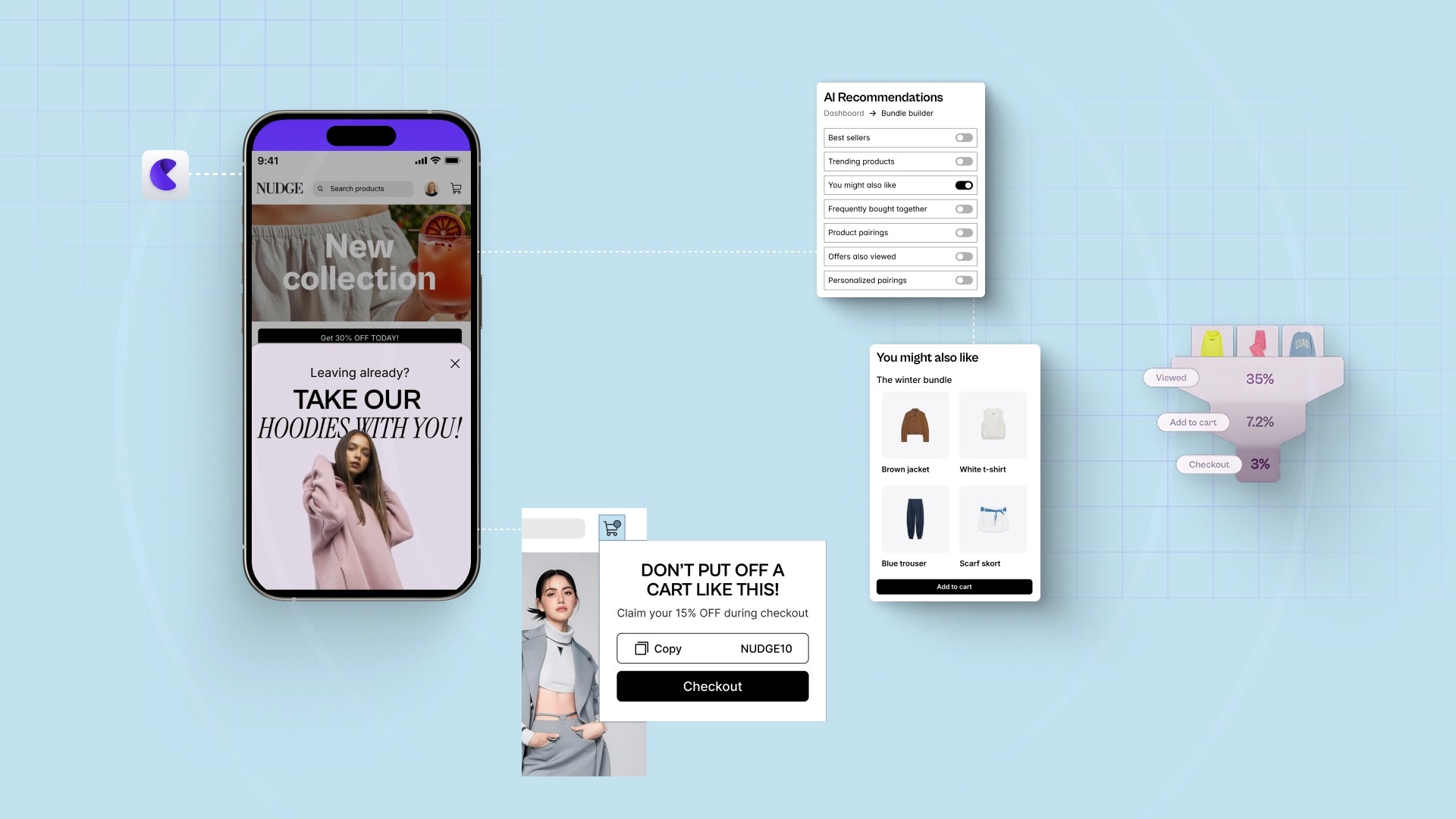
AI Product Recommendations: Nudge uses AI to suggest complementary or higher-value products in real time, whether on PDPs, carts, or exit-intent flows. For example, if someone adds a backpack to their cart, Nudge can automatically recommend a matching wallet or travel accessory, increasing average order value and reducing cart abandonment.
Contextual Nudges: Nudge triggers dynamic banners, pop-ups, and modals based on shopper behavior such as scroll depth, exit intent, or time-on-page. If a shopper hesitates at checkout, Nudge can display a limited-time offer or highlight low-stock items, nudging them to complete their purchase while keeping the experience relevant and non-intrusive.
No Dev Bottlenecks: You can launch, test, and iterate campaigns without writing a single line of code. Nudge allows marketers to implement complex personalization and product recommendation logic without waiting for development cycles, freeing your engineering team and speeding up experimentation.
Compounding Advantage: Every interaction you personalize with Nudge builds on past behavior, creating a feedback loop that improves over time. The more shoppers engage with AI-driven recommendations and targeted nudges, the smarter the system becomes, enabling increasingly precise personalization across campaigns and sessions.
Higher CVR, AOV, LTV & Lower CAC: By delivering the right product recommendations, dynamic content, and contextual nudges at the right time, Nudge helps increase conversion rates, drive larger orders, and retain customers longer. This reduces customer acquisition costs because every click and impression is more likely to result in repeat purchases.
Continuous Learning: Nudge’s AI constantly adapts with every interaction, automatically optimizing which products, offers, and layouts perform best for each visitor segment. This future-proofs your personalization strategy and ensures your campaigns evolve with shopper behavior trends.
Cart Abandonment Recovery: Nudge can detect when a shopper abandons their cart and trigger personalized nudges or offers to bring them back. For example, a shopper leaving a cart with multiple items might receive a tailored message highlighting those products, suggesting a related bundle, or offering a small incentive to complete the purchase.
Context Signals Including Location: Nudge uses data such as location, device type, and referral source to tailor offers and layout choices. This means shoppers see experiences optimized for their environment, making your personalization more relevant and timely.
Modular UI Elements: You can adjust images, content blocks, layout, colors, and placement dynamically to test what resonates best with different shopper segments. Nudge enables marketers to iterate quickly and continuously optimize the visual and content experience without engineering support.
With Nudge, high-growth ecommerce and DTC brands can maximize conversions, retention, and revenue while reducing manual effort and dependency on development teams.
Conclusion
One-to-one marketing is no longer optional for high-growth ecommerce and DTC brands. Shoppers expect personalized, relevant experiences across every touchpoint, and brands that deliver them see higher engagement, increased conversions, and stronger customer loyalty.
Nudge makes this effortless, giving you the tools to execute one-for-one marketing at scale without relying on engineering resources. From dynamic landing pages to predictive recommendations and modular UI elements, Nudge ensures every interaction is optimized to enhance CVR, AOV, and LTV.
Take your personalization to the next level and start converting more shoppers today. Book a demo with Nudge now to see how your brand can deliver truly individualized experiences at scale.
FAQs
1. What is the difference between one-to-one marketing and traditional segmentation-based marketing?
One-to-one marketing delivers individualized experiences for each shopper using real-time behavior, predictive AI, and context signals. Segmentation-based marketing groups customers into broader categories, often relying on demographics or purchase history. One-to-one personalization adapts dynamically, improving engagement and conversion by treating every visitor as a unique individual.
2. How much customer data do I need to implement one-to-one marketing effectively?
Effective one-to-one marketing requires accurate, multi-dimensional data, including browsing behavior, purchase history, campaign source, device type, and engagement patterns. Quality is more important than quantity. Using AI to interpret this data allows for scalable personalization, predictive recommendations, and targeted pushes that optimize conversions and lifetime value.
3. How do I measure ROI and success when running one-to-one marketing campaigns?
Track key metrics like conversion rate, average order value, repeat purchase rate, and customer lifetime value. Monitor engagement with emails and onsite recommendations. AI-driven analytics and reporting show which campaigns or product suggestions drive revenue, allowing continuous optimization and demonstrating clear ROI from personalization efforts.
4. Can one-to-one marketing help reduce customer acquisition costs (CAC)?
Personalized experiences increase engagement, conversions, and repeat purchases, which reduces the need for high-volume acquisition campaigns. By guiding shoppers to the right products and offering timely incentives, one-to-one marketing maximizes the value of existing traffic, effectively lowering CAC while improving return on ad spend.
5. What happens if a shopper’s behavior changes? Do personalized recommendations adapt?
AI-driven one-to-one marketing continuously learns from each interaction. If a shopper’s preferences or browsing patterns change, product recommendations, pushes, and content automatically update to reflect current behavior. This ensures experiences remain relevant, increasing conversions and engagement even as shopper intent evolves.