User Engagement
15 Ways in Which AI Will Improve Customer Experiences in 2026
Discover 15 ways AI will transform customer experience in 2026, from personalization and faster support to predictive insights and seamless customer experience.

Kanishka Thakur
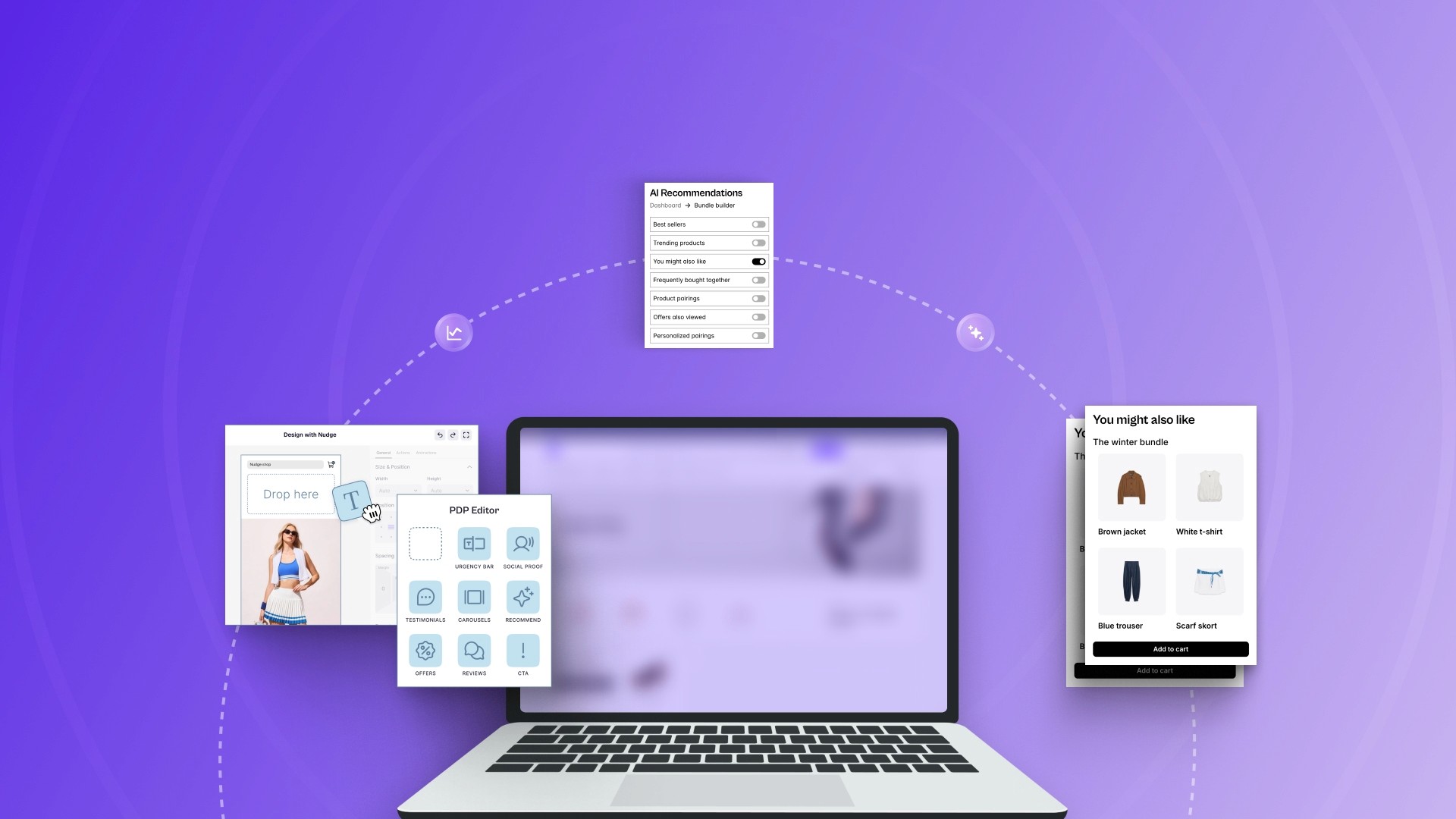





Artificial intelligence (AI) is transforming customer experience, but its impact on human connection is a topic of debate. While some worry that AI could replace personal interactions, research from Deloitte shows that many customer experience leaders expect AI to enhance, not diminish, human connection.
The key lies in a balanced approach: using AI not as a replacement for human engagement, but as a tool to extend it. By using AI to handle repetitive tasks, deliver insights, and personalize interactions at scale, brands can create richer, more meaningful experiences that combine efficiency with empathy.
This blog explores 15 ways AI will improve customer experience in 2026, from personalization and predictive support to faster resolutions and enhanced human-AI collaboration.
Key Takeaways
AI boosts customer experience by personalizing interactions, anticipating needs, and delivering relevant messages across all customer touchpoints.
AI enables 24/7 support and faster resolutions, reducing wait times, manual work, and improving satisfaction at scale.
Predictive insights from AI help prevent churn, recommend offers, and guide proactive retention strategies for loyal customers.
AI-powered agent assist and automation improve efficiency, consistency, and accuracy in customer support workflows.
Cross-channel AI ensures context-aware experiences, maintaining brand consistency and enhancing long-term loyalty.
Why Are Businesses Using AI to Improve Customer Experience?
AI plays a central role in how modern brands enhance customer experience, streamline interactions, and drive satisfaction. Instead of relying solely on manual processes or generic messaging, AI systems analyze behavior, intent, and context to deliver personalized experiences that meet each customer’s unique needs.
Without smart AI strategies, brands risk slower responses, generic interactions, and missed opportunities to engage or retain customers.
Key factors that make AI essential for customer experience include:
Personalized interactions that anticipate customer needs
Faster resolution of queries and issues
Real-time adaptation across channels and devices
Consistent experiences that reduce friction and frustration
Insights-driven optimization of offers, content, and support
As customer journeys become increasingly fragmented across apps, web, social, and in-store channels, AI helps brands answer critical questions:
Which interactions will drive the most engagement and satisfaction?
How can experiences be personalized without losing efficiency or trust?
Where should automation complement human support for maximum impact?
Are customers getting relevant, timely assistance, or dropping off due to friction?
How can AI continuously adapt as behavior patterns and expectations evolve?
By delivering timely, context-aware, and predictive experiences, AI helps brands elevate every customer touchpoint, turning routine interactions into meaningful engagement and fostering long-term loyalty.
Similar Read: Personalized Customer Experiences: Importance and Benefits

Now that you have a good understanding of why businesses are adopting AI, let’s look at how it can improve customer experiences.
15 Ways AI Will Improve Customer Experiences in 2026
AI will redefine customer experience by going beyond automation to anticipate needs, personalize every interaction, and provide actionable insights. AI empowers businesses to deliver proactive and context-aware experiences that build loyalty, streamline operations, and drive meaningful engagement across every touchpoint.
By analyzing behavior, preferences, and real-time data, AI transforms static interactions into dynamic, personalized journeys. It helps brands connect with customers at the right moment, with the right message, and through the right channel, turning routine experiences into memorable, value-driven relationships:
1. Enable Exceptional Customer Service at Scale
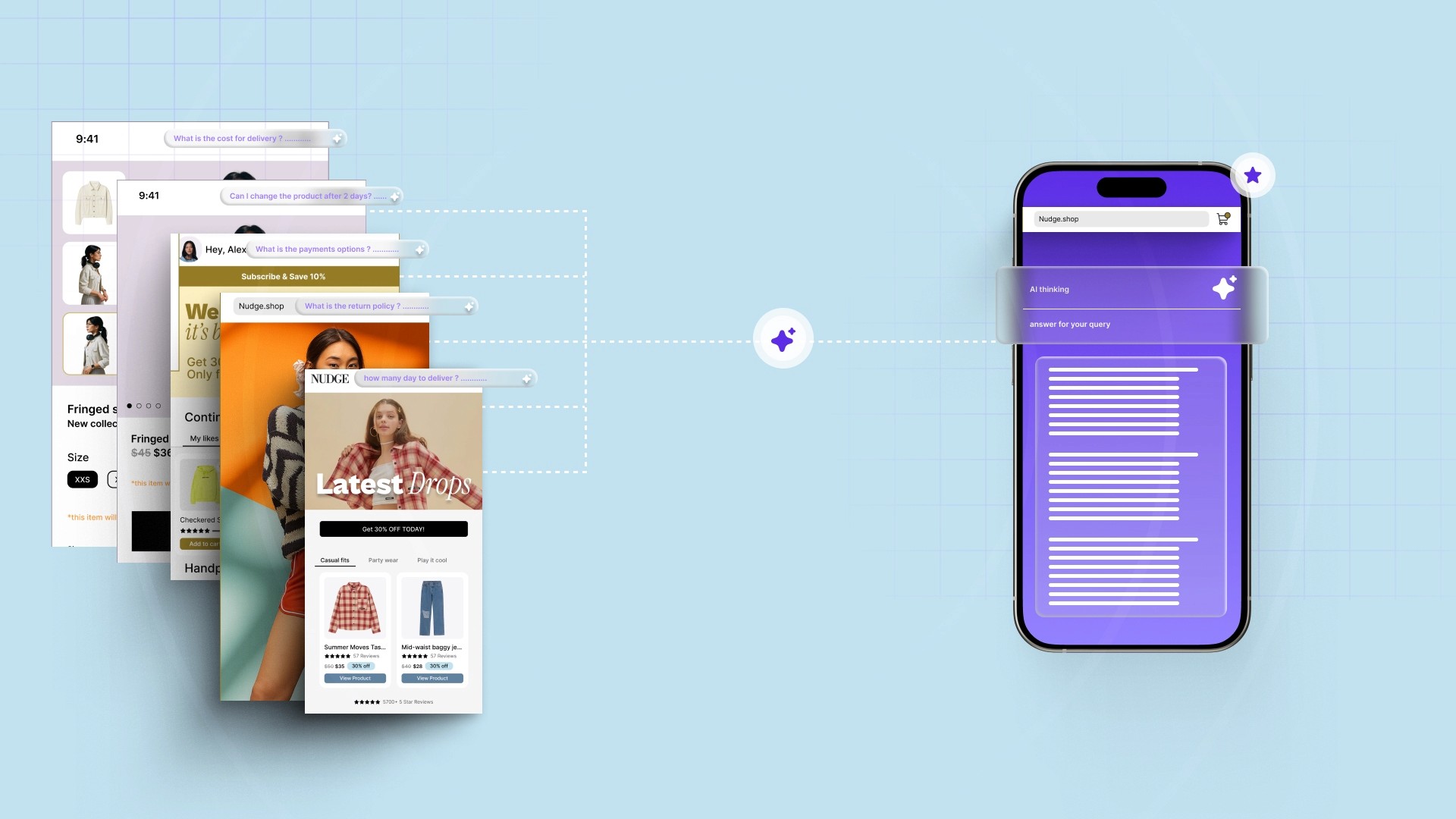
AI allows businesses to manage high volumes of inquiries without sacrificing quality, ensuring consistent and satisfying experiences. By augmenting human agents, AI supports better service delivery and stronger customer loyalty across touchpoints.
Key Highlights:
Prepares agents with personalized insights
Automates routine support queries efficiently
Scales service across multiple channels
Impact: Businesses can maintain high-quality service even under peak demand, reducing strain on human agents while improving satisfaction and retention. AI ensures consistent and responsive customer interactions at scale.
2. Provide Fast, 24/7 Customer Support
Customers increasingly expect instant, round-the-clock service. AI-powered chatbots and virtual agents provide timely responses, freeing human agents to focus on complex issues while ensuring no customer query goes unanswered.
Key Highlights:
Provides always-on assistance globally
Reduces first response and wait times
Supports multiple platforms simultaneously
Impact: Continuous availability improves satisfaction and loyalty. By combining bots and humans effectively, brands offer timely support without compromising quality or efficiency.
3. Onboard CX Teams Faster
AI acts as a virtual mentor, guiding new customer service agents with real-time insights, similar case histories, and best practices. This accelerates learning and reduces errors during onboarding.
Key Highlights:
Suggests responses based on past tickets
Provides feedback on tone and style
Highlights relevant solutions quickly
Impact: Faster, more accurate onboarding ensures agents deliver high-quality support from day one, reducing training costs and increasing overall team efficiency.
4. Improve Efficiency and Productivity
AI optimizes workflows, automates repetitive tasks, and intelligently routes customer queries. This reduces agent workload while increasing speed and accuracy, enabling teams to focus on complex, high-value interactions.
Key Highlights:
Automates routine tickets efficiently
Uses sentiment and intent for routing
Reduces ticket escalations and errors
Impact: Enhanced efficiency drives better performance and faster resolutions. Teams achieve higher productivity while delivering consistent, reliable customer experiences.
5. Deliver Hyper-Personalized Interactions
AI uses customer data to tailor interactions at every touchpoint, offering relevant recommendations, messages, and support. Personalization strengthens emotional engagement and increases trust.
Key Highlights:
Analyzes browsing and purchase history
Suggests relevant products or services
Tailors communication tone to preferences
Impact: Personalized experiences make customers feel valued and understood, boosting engagement, satisfaction, and repeat purchase likelihood.
6. Anticipate Customer Needs and Potential Issues
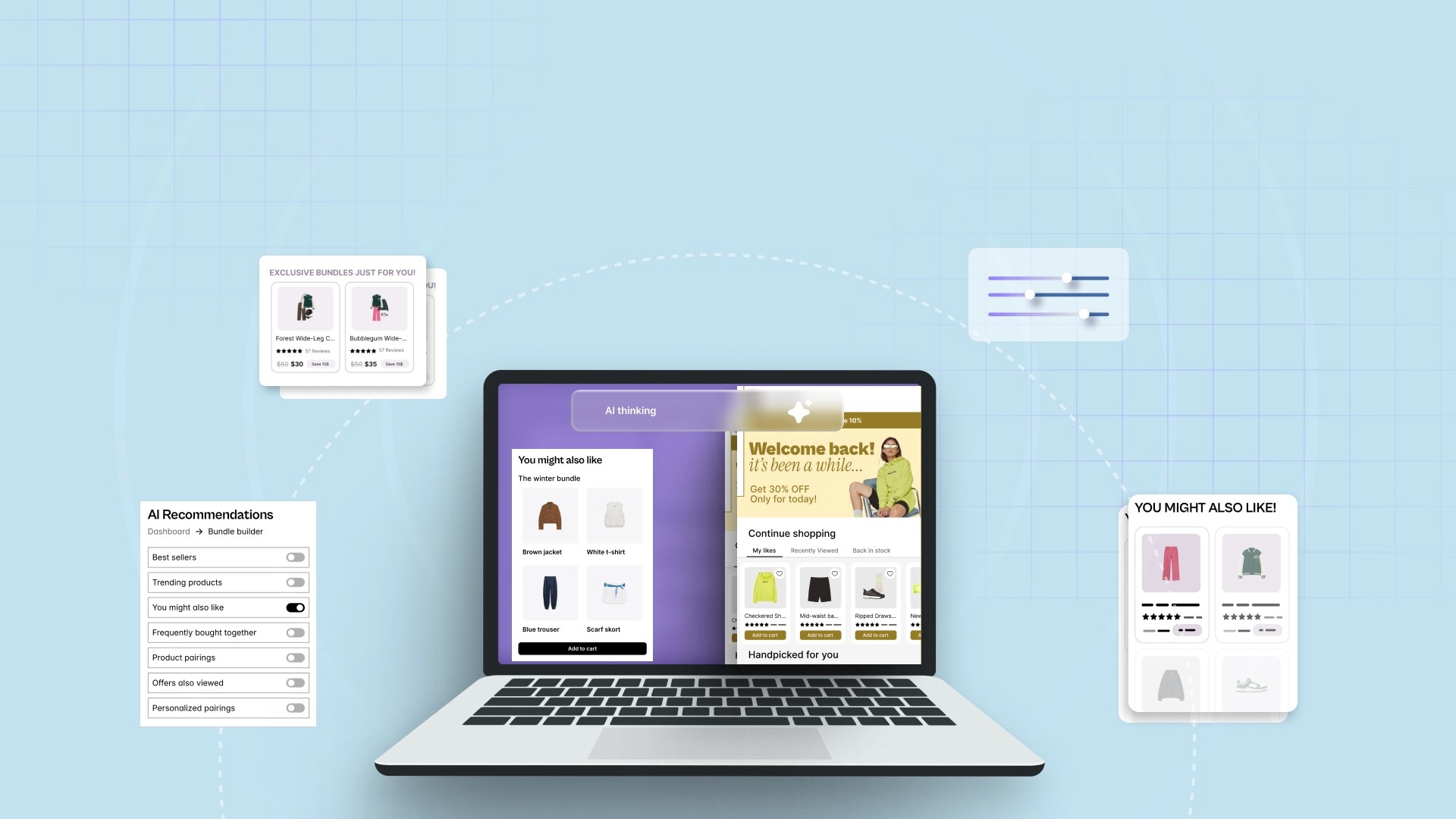
AI predicts potential problems or requests by analyzing behavioral patterns and historical data. Proactive interventions prevent frustration and enhance customer loyalty.
Key Highlights:
Detects patterns indicating potential issues
Predicts needs using historical data
Generates proactive solutions automatically
Impact: Anticipating problems before they arise reduces churn, increases satisfaction, and demonstrates a brand’s proactive care and responsiveness.
7. Provide AI-Powered Quality Assurance
AI evaluates agent performance and customer interactions objectively, identifying trends, areas for improvement, and coaching opportunities. This ensures consistently high-quality service.
Key Highlights:
Scores agent performance automatically
Tracks sentiment and satisfaction trends
Identifies real-time coaching opportunities
Impact: Objective quality assurance improves service consistency, enhances training, and ensures a superior customer experience across the board.
8. Analyze Customer Data to Predict and Prevent Churn
AI utilizes predictive analytics to identify high-risk customers and intervene with timely retention strategies, reducing churn and maintaining long-term loyalty.
Key Highlights:
Detects churn signals early
Recommends targeted retention campaigns
Monitors evolving customer behavior continuously
Impact: Proactive retention strategies reduce losses and strengthen relationships, ensuring higher customer lifetime value and business stability.
9. Present Customers with Relevant Offers
AI identifies what products or promotions resonate with each customer, delivering personalized offers that increase conversion and engagement.
Key Highlights:
Suggests timely product discounts
Recommends complementary or popular items
Triggers offers based on behavior
Impact: Personalized offers boost sales, satisfaction, and brand affinity by delivering value that feels relevant and thoughtful.
10. Improve Workforce Management
AI forecasts staffing needs, optimizes scheduling, and monitors agent adherence, ensuring the right resources are available at the right time.
Key Highlights:
Uses predictive staffing forecasts
Automates agent scheduling efficiently
Provides real-time activity monitoring
Impact: Intelligent workforce management reduces operational strain, prevents overstaffing or understaffing, and enhances overall service performance.
11. Reduce Operational Costs
Automating repetitive tasks and routing simple queries to AI-powered tools lowers staffing and operational expenses while maintaining service quality.
Key Highlights:
Automates low-value interactions
Reduces additional staff requirements
Streamlines support processes efficiently
Impact: Operational cost savings allow businesses to invest in strategic initiatives while delivering consistent customer experiences at scale.
12. Create Consistent Brand Experiences
AI ensures every interaction aligns with brand voice, tone, and policies, maintaining consistency across channels and enhancing trust and recognition.
Key Highlights:
Standardizes chatbot and agent communication
Maintains tone across channels
Ensures policy and messaging consistency
Takeaway: Consistent experiences reinforce brand identity, boost credibility, and improve overall customer satisfaction.
13. Enhance Knowledge Management
AI identifies gaps in help content, updates FAQs, and generates new resources, making self-service more accurate and useful for customers.
Key Highlights:
Optimizes knowledge base content
Automates help article updates
Expands content via generative AI
Impact: Improved knowledge management empowers customers to self-serve effectively, reducing support tickets and improving satisfaction.
14. Detect Sentiment and Emotional Cues
AI analyzes customer tone, word choice, and sentiment to provide insights, enabling agents to respond empathetically and appropriately.
Key Highlights:
Recognizes positive, neutral, negative cues
Provides context for personalized responses
Enhances emotional connection with customers
Takeaway: Understanding sentiment allows brands to respond better, building trust, satisfaction, and deeper engagement with customers.
15. Enable seamless cross-channel experiences
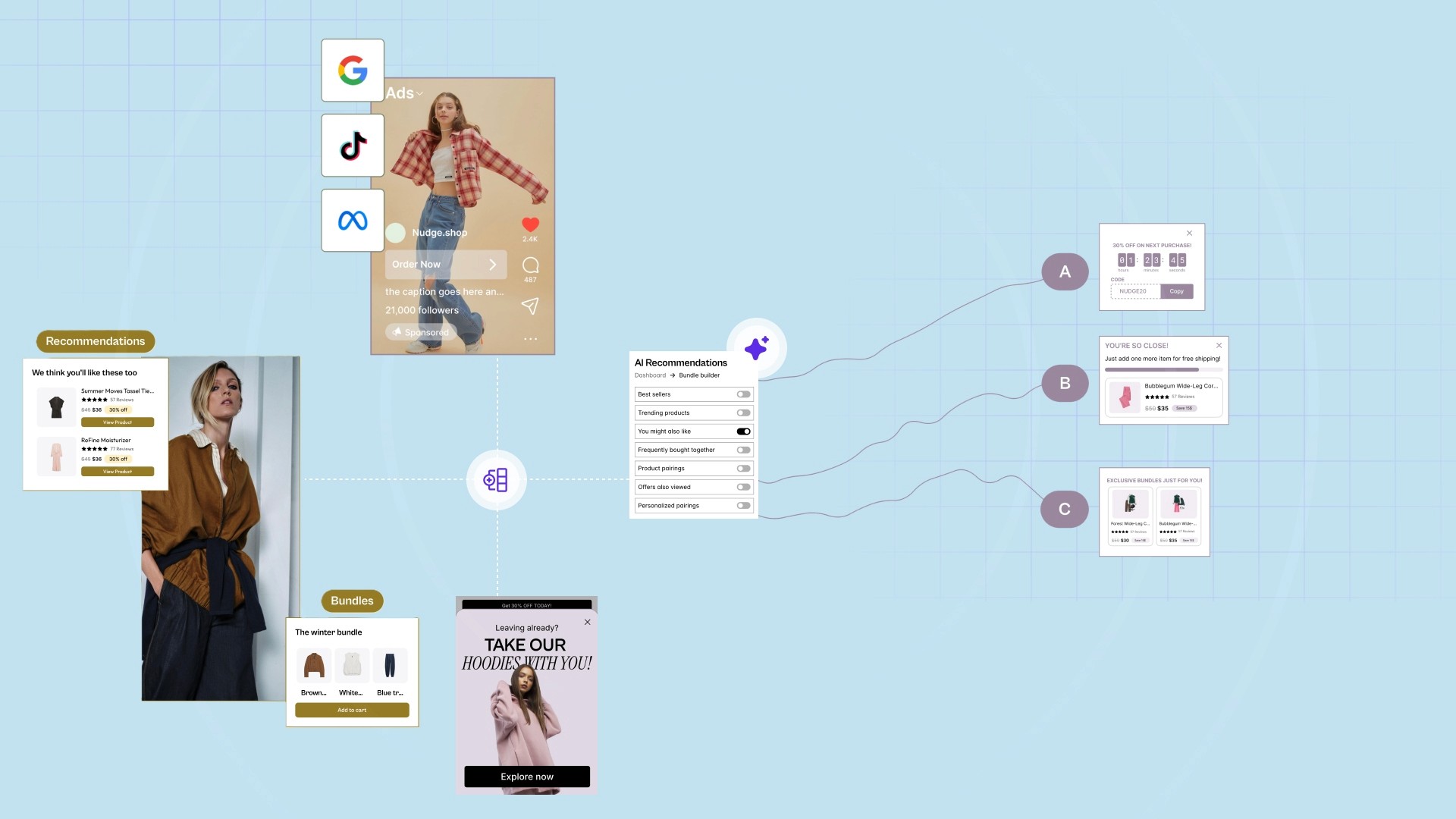
AI integrates data across web, app, social, and voice channels to ensure a unified experience, allowing customers to transition smoothly across touchpoints.
Key Highlights:
Synchronizes recommendations across platforms
Maintains user context and preferences
Reduces friction between channels
Impact: Seamless cross-channel CX ensures a consistent, convenient, and connected journey, increasing loyalty and conversions across all touchpoints.
AI will empower brands to deliver faster, smarter, and more personalized customer experiences. From boosting satisfaction and retention to reducing costs and operational complexity, it will be a strategic partner, enhancing both human and digital interactions across every touchpoint.
Also Read: Creating a Personalized Customer Experience in Steps

Case Study: How an E-Commerce Brand Improved Customer Experience Using AI
Simplehuman, a global e-commerce brand known for premium home and lifestyle products, needed a more responsive, scalable support system to keep up with rising customer expectations. As ticket volumes grew across phone, email, and chat, the existing system created delays, inconsistent support quality, and limited visibility into each shopper’s journey.
To modernize their customer experience, Simplehuman deployed Amazon Connect and integrated AI-powered features, including Amazon Q for agent assist, advanced self-service flows, and a unified customer data layer connected to Shopify and their CRM. The goal was to create a faster, more intelligent, and more cohesive customer-support environment.
Measurable Impact on Customer Experience
After implementing Amazon Connect with AI-driven enhancements, Simplehuman achieved meaningful improvements across CX operations:
Faster response times, as AI-assisted workflows reduced the need for manual data lookup and repetitive handling.
Higher agent efficiency, with Amazon Q providing real-time guidance and automated summaries that shortened resolution cycles.
More consistent support quality, driven by unified data from Shopify and CRM systems, ensuring agents had complete context for every interaction.
Although the case study does not publish percentage metrics, it explicitly reports reduced operational workload, better scalability, and more efficient agent performance following the AI-driven upgrade.
Why This Matters
Simplehuman’s transformation shows how e-commerce brands can use AI-enabled contact centers to deliver faster, more helpful, and more personalized support, without adding headcount. With AI handling repetitive work and Connect centralizing customer data, agents can focus on delivering high-quality interactions.
For e-commerce companies balancing high ticket volumes, seasonal spikes, and increasingly complex customer journeys, AI-enhanced Amazon Connect setups create a support model that is faster, more accurate, and more scalable, directly improving the post-purchase experience and long-term customer loyalty.
Also Read: Customer Experience Measurement in E-Commerce

How Nudge Uses AI to Improve Customer Experience Across the Funnel
Nudge helps brands deliver faster, more personalized, and more intuitive customer experiences by combining real-time behavioral intelligence with AI-driven decisioning. Instead of relying on static rules or one-size-fits-all journeys, Nudge adapts to each shopper’s intent, context, and actions, making every touchpoint more relevant and more customer-friendly.
Here’s how Nudge enhances customer experience using AI:
1. Real-time AI personalization across the journey: Nudge analyzes browsing patterns, click behavior, purchase intent, and engagement signals to tailor on-site experiences for every visitor. This ensures shoppers see the most relevant messages, offers, and recommendations at the right moment, without manual segmentation.
2. Dynamic commerce surfaces that adapt to customer behavior: Brands can deploy adaptive UI components, including product grids, carousels, shoppable video, banners, and modular widgets that shift based on real-time user signals. This removes friction and guides customers toward the next best action.
3. Contextual triggers that improve engagement and reduce frustration: Nudge monitors signals like scroll depth, exit intent, repeat visits, and time-on-page to trigger personalized experiences. These can include support prompts, reassurance messages, social proof, or tailored incentives that help customers make confident decisions.
4. Intelligent product recommendation engine: Nudge’s AI suggests products based on affinities, past behavior, and real-time interactions, improving relevance at every touchpoint. These recommendations help shoppers find what they’re looking for faster and reduce decision friction throughout the journey.
5. Smart bundling & guided discovery: Its AI identifies natural product pairings and bundles based on affinity data, inventory, and shopper context. This helps customers explore more of the catalog without feeling overwhelmed.
6. Continuous learning that improves CX over time: Nudge automatically learns from shopper interactions, refining its models so experiences become more accurate, helpful, and personalized. As traffic and behavior patterns evolve, the system adapts in real time, no manual rule updates needed.
7. Cross-channel consistency for smoother experiences: Nudge ensures that personalization logic stays unified across entry points like web, mobile, landing pages, CRM-driven traffic, or retargeting flows, creating frictionless and familiar experiences for returning customers.
8. Goal-based optimization to improve outcomes: Marketers set objectives like reducing abandonment, increasing product discovery, or improving conversion rate. Nudge’s AI optimizes surfaces, recommendations, and triggers to support these goals automatically.
Nudge helps brands deliver AI-driven customer experiences that feel intuitive rather than intrusive, speeding up decisions, reducing confusion, increasing satisfaction, and creating a smoother end-to-end journey for every customer.
Wrapping Up
At the end of the day, AI has become one of the most impactful ways for businesses to improve customer experience across every touchpoint. It accelerates response times, strengthens personalization, reduces friction, and makes support more intuitive and proactive. The benefits stack up quickly: faster resolutions, consistent service, higher satisfaction, and a customer journey that feels smoother and more connected.
For CX leaders, product teams, and support operations, the real advantage lies in using AI strategically, not as a replacement for humans, but as a system that enhances accuracy, context, and efficiency. Manual workflows and static tools simply can’t keep up with modern customer expectations, but AI-driven systems can.
Nudge brings this capability directly to your customer experience stack, combining real-time behavioral intelligence with AI decisioning to improve journeys across support surfaces, onsite experiences, and retention paths. No long build cycles, no messy integrations, just smarter interactions, faster insights, and measurable improvements to customer satisfaction.
Book a demo today and see how Nudge can help you deliver faster, more personalized, and more consistent customer experiences across your entire journey.
FAQs
1. Will AI really understand customer emotions by 2026?
Yes, next‑gen CX systems are moving from keyword matching to “intelligent conversation understanding,” combining sentiment, tone, pace, and even facial or behavioral cues to infer whether a customer is anxious, confused, or confident, and then adapting responses or escalating to humans accordingly.
2. How will “agentic AI” change what customers actually experience?
By 2026, many brands will use AI that doesn’t just answer questions but takes actions on the customer’s behalf, fixing issues, updating plans, issuing refunds, or rebooking services automatically, while still giving the customer clear control and visibility over what’s happening.
3. Can AI reduce customer overwhelm instead of adding more “digital noise”?
Leading CX teams are using AI to filter and prioritize information, surfacing only the most relevant offers, alerts, and support options so customers see fewer, smarter messages instead of endless notifications and generic campaigns.
4. How will AI change the work of human CX teams in 2026?
Rather than just deflecting tickets, AI will handle research, summarization, and routine interactions, while CX teams focus on complex, emotional, or high‑value moments, essentially moving from “first line support” to “special forces” for edge cases and relationship building.
5. What will customers worry about most with AI‑driven experiences?
Research suggests the big frictions will be trust and loss of control: many customers are still uncomfortable letting AI make autonomous decisions on their accounts, so brands will need transparent explanations, easy overrides, and clear consent flows baked into every AI touchpoint.