CRO & Experimentation
8 Best Conversion Funnel Examples for Ecommerce Optimization
Unlock 2025's best conversion funnel strategies. Learn from Amazon, Netflix, Slack, and more. Boost your rates now. Click to explore!

Gaurav Rawat
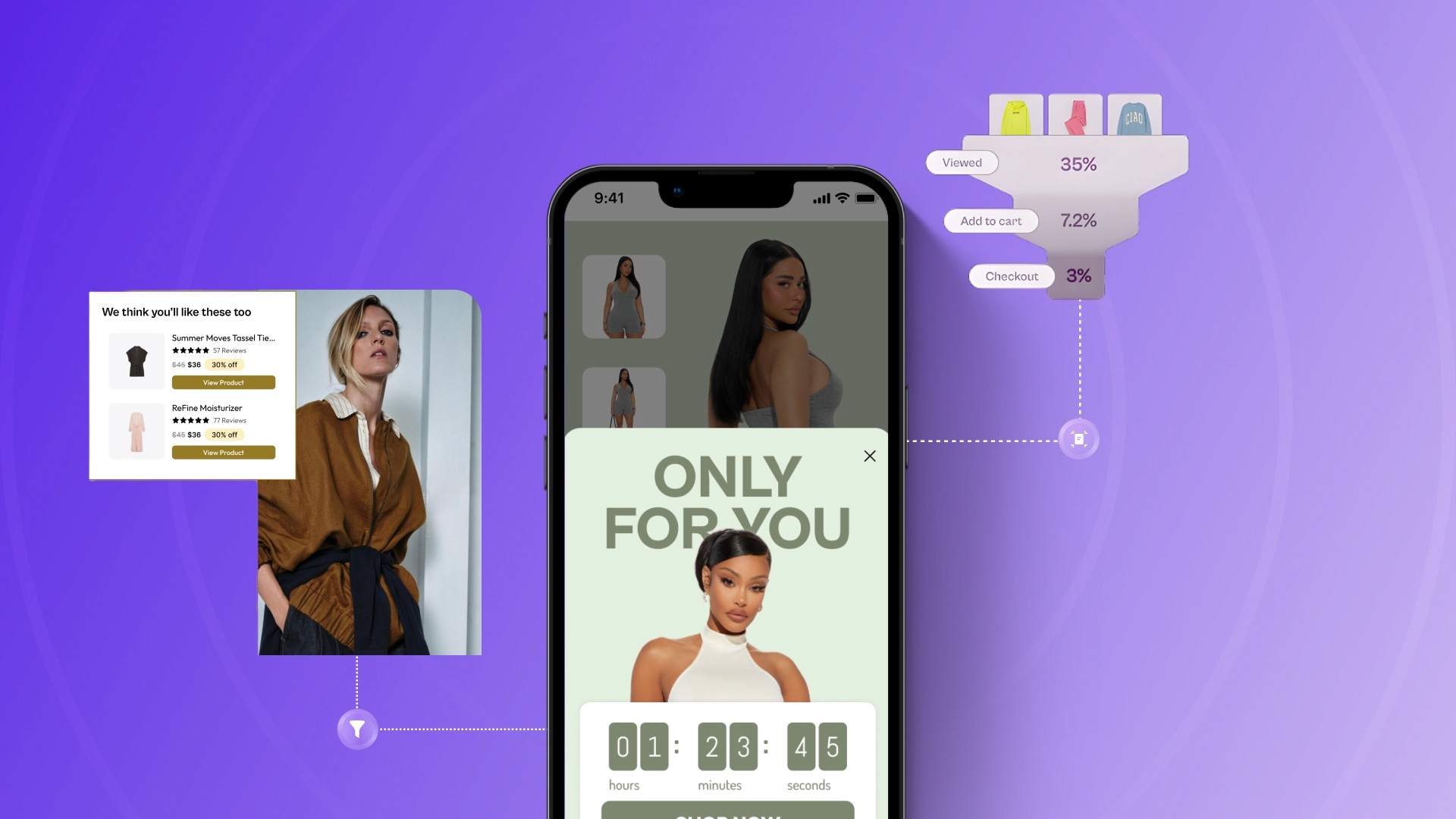





Every interaction in your conversion funnel influences whether a visitor becomes a loyal customer or drops off. Yet many ecommerce brands still apply the same approach to all users, missing key opportunities to guide purchases and increase engagement.
Research shows that most shoppers notice personalization in only about 43% of their online interactions. Understanding how visitors behave, what triggers their decisions, and why they abandon carts can help you design funnels that feel timely, relevant, and effective rather than generic and pushy.
In this guide, we break down the best conversion funnel examples from top ecommerce and DTC brands, highlighting how they structure, track, and optimize each stage. You’ll gain actionable insights to apply these strategies to your own business and drive measurable growth.
Key Takeaways
Funnels that adapt to shopper behavior, preferences, and past purchases consistently outperform static, one-size-fits-all flows.
Industries such as grocery, fashion, beauty, and retail each face unique challenges, which require targeted strategies to guide customers effectively through the funnel.
Using timely nudges, reminders, and real-time product recommendations helps reduce churn and minimize abandoned carts.
AI-powered product grids, dynamic bundles, and contextual messaging further enhance engagement, improve conversion rates, increase average order value, and strengthen customer retention.
Before exploring examples, it’s key to know why optimizing each stage matters: it improves engagement, increases revenue, and strengthens loyalty.
Why Conversion Funnel Optimization Matters?
Optimizing your conversion funnel is no longer optional, it's critical for ecommerce brands aiming to maximize engagement, revenue, and customer loyalty. Every step of the buyer journey, from the first landing page to checkout, presents opportunities to guide visitors, reduce drop-offs, and increase conversions.
By using targeted nudges and real-time insights on how customers behave, brands can transform passive visitors into active buyers while gaining valuable data to refine marketing strategies.
Here’s why conversion funnel optimization matters and how it drives measurable results:
Reduce Drop-Offs: Identify friction points across landing pages, product pages, and checkout. Personalized nudges and AI-driven recommendations help retain visitors.
Increase Engagement: Trigger context-aware messages based on funnel stage, such as exit-intent prompts or timely product suggestions.
Increase Revenue: Use tailored upsells, cross-sells, and smart bundles to increase average order value without additional traffic.
Gain Actionable Insights: Funnel analytics reveal which campaigns, content, or touchpoints drive results, enabling precise improvements.
Create Competitive Advantage: Continuously iterate and personalize the funnel using behavioral data to achieve higher conversions than industry norms.
Nudge helps create optimized shopper journeys at every stage. By using real-time behavioral data, you can tailor awareness, consideration, and checkout flows to match customer behavior, reduce drop-offs, increase conversions, and build long-term loyalty.
Now that you understand the importance of funnel optimization, let’s explore eight of the best ecommerce conversion funnel examples.
Best 8 Conversion Funnel Examples
Conversion funnels show how a visitor moves from discovering a brand to making a purchase. Optimizing each step helps reduce drop-offs, increase engagement, and improve revenue.
Different industries use unique strategies to guide customers effectively through their funnels. Grocery, fashion, and beauty brands, for example, focus on personalization, timely nudges, and relevant recommendations to keep shoppers engaged and coming back.
Below, we explore eight of the best ecommerce conversion funnel examples, highlighting the measurable impact on customer behavior and revenue.
1. BigBasket Grocery Funnel
BigBasket focuses on maximizing recurring purchases and driving subscription adoption for essential groceries. Since subscribers often reorder the same items, the brand uses this behavior to reduce decision fatigue and make shopping seamless.
Key Strategies Employed:
BigBasket sends smart reorder reminders based on individual purchase frequency, ensuring customers never run out of essential items.
Personalized product suggestions highlight complementary pantry staples, helping increase basket size.
Targeted discounts are offered to high-value user actions and first-time buyers to encourage continued engagement and conversion.
Challenges: High cart abandonment occurs due to delivery time uncertainties or out-of-stock items, which can disrupt the subscriber experience.
Optimizations: BigBasket implements predictive AI-driven recommendations, real-time stock alerts, and contextual nudges for perishable products to guide timely purchases.
Impact on Conversions: These strategies result in increased repeat purchases, higher average order value (AOV), and reduced churn, strengthening both customer loyalty and overall revenue.
2. Amazon Grocery & Essentials
Amazon uses its massive product catalog and Prime subscription to optimize grocery purchases. By analyzing past orders and shopping patterns, it delivers highly relevant suggestions and encourages bulk buying.
Key Strategies Employed:
Personalized recommendations based on browsing and purchase history.
Smart cart reminders for frequently purchased items.
Prime subscription benefits like free delivery and early access to deals.
Challenges: Customers may abandon carts due to complex navigation across thousands of products.
Optimizations: Dynamic product grids, AI-driven bundles, and contextual pop-ups reduce friction and guide faster checkout.
Impact on Conversions: Amazon experiences increased repeat purchases, higher AOV, and stronger subscription retention.
Also Read: How to Start Onsite Personalization That Actually Drives Conversions
3. Sephora
Sephora focuses on personalized beauty experiences, using loyalty programs and AI-driven product recommendations to engage shoppers.
Key Strategies Employed:
Personalized product suggestions based on skin type, past purchases, and wishlist items.
Beauty Insider rewards and brand loyalty points to incentivize purchases.
Targeted push notifications highlighting new launches and offers.
Challenges: Beauty shoppers often hesitate due to product uncertainty or overwhelming choices.
Optimizations: Virtual try-on features, contextual nudges for limited-edition products, and personalized bundles help customers make confident decisions.
Impact on Conversions: Sephora achieves higher engagement, increased conversion rates, and improved repeat purchases.
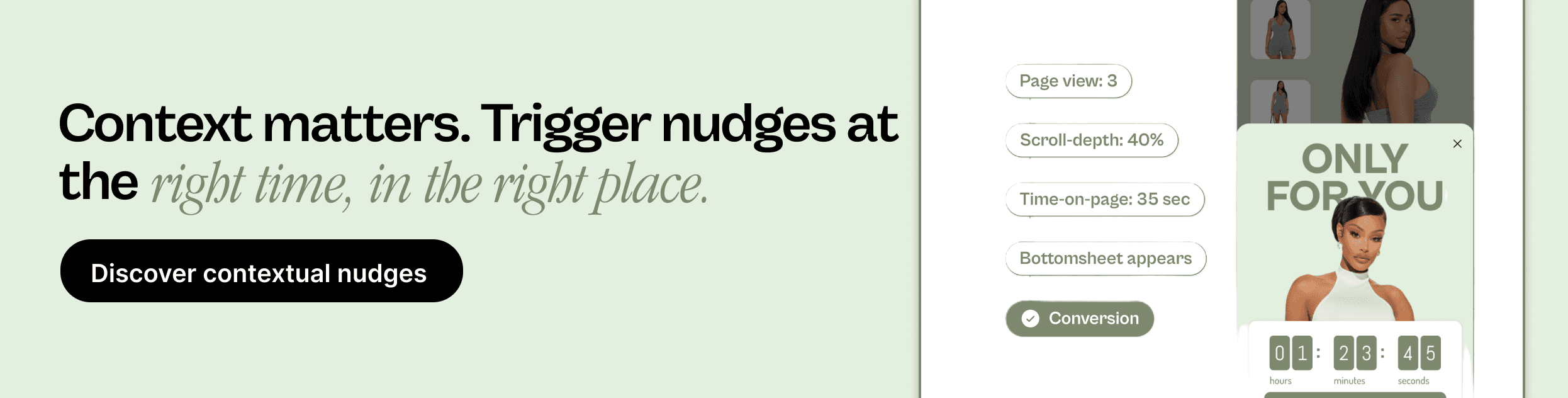
Nudge analyzes shopper behavior on your site, including scroll depth, session activity, and purchase history, to provide the right product suggestion or promotional message at the right moment, guiding users smoothly through every stage of the funnel.
4. Zara
Zara uses real-time inventory and trend-driven recommendations to move visitors from discovery to purchase quickly.
Key Strategies Employed:
Personalized product suggestions based on past browsing and trending items.
Limited-time offers and flash sales to create urgency.
Visual merchandising and curated collections for easy discovery.
Challenges: High drop-offs can occur during checkout due to size availability issues or shipping delays.
Optimizations: AI-driven stock alerts, style recommendations, and streamlined mobile checkout reduce friction.
Impact on Conversions: Zara experiences faster purchase cycles, higher AOV, and increased customer loyalty.
5. Instacart
Instacart focuses on grocery delivery convenience, optimizing its funnel to minimize friction and encourage repeat orders.
Key Strategies Employed:
Smart reorder lists for frequently purchased items.
Personalized deals and discounts based on past purchases.
In-app reminders for upcoming grocery needs or seasonal items.
Challenges: Delivery slots and stock limitations can create abandoned carts.
Optimizations: Real-time inventory updates, predictive delivery time estimates, and behavior-triggered nudges reduce drop-offs.
Impact on Conversions: Instacart increases repeat purchase frequency, improves AOV, and lowers churn.
6. ASOS
ASOS engages global fashion shoppers by personalizing the product discovery and checkout journey.
Key Strategies Employed:
AI-based outfit recommendations and personalized style suggestions.
Flash sales and countdown timers to drive urgency.
Free shipping thresholds and loyalty incentives to increase cart size.
Challenges: Customers abandon carts due to sizing uncertainties or international shipping delays.
Optimizations: Contextual nudges, size recommendations, and real-time delivery tracking enhance the shopping experience.
Impact on Conversions: ASOS sees higher engagement, increased checkout completion rates, and improved repeat buying behavior.
7. Ulta
Ulta combines loyalty programs with AI-powered recommendations to drive conversions in beauty and personal care.
Key Strategies Employed:
Personalized product bundles and upsells based on browsing history.
Reward points notifications and exclusive offers to encourage purchases.
Targeted in-app messages highlighting seasonal and trending products.
Challenges: Abandoned carts occur when customers delay purchases to compare prices or explore alternatives.
Optimizations: Real-time alerts for restocked favorites, behavior-triggered nudges, and curated bundles improve conversions.
Impact on Conversions: Ulta achieves higher AOV, stronger loyalty program engagement, and reduced churn.
8. Kroger
Kroger uses subscription and loyalty data to deliver a highly personalized grocery shopping experience.
Key Strategies Employed:
Smart recommendations for staple and seasonal products.
Targeted promotions for loyalty members and frequent shoppers.
Push notifications for limited-time offers and delivery updates.
Challenges: High cart abandonment due to delivery scheduling conflicts or out-of-stock items.
Optimizations: Predictive AI for reorder suggestions, contextual nudges for discounts, and real-time stock updates reduce friction.
Impact on Conversions: Kroger increases repeat orders, increase AOV, and improves subscriber retention.
Nudge uses dynamic, personalized AI product recommendations to align with each shopper’s behavior and preferences.
By tailoring product suggestions and upsell bundles across awareness, consideration, and checkout stages, it creates one of the best conversion funnel examples in ecommerce, delivering more relevant shopping experiences and increasing conversions.
With these examples in mind, it’s useful to see actionable strategies that ecommerce brands can implement to optimize every stage of their funnel and promote growth.
10 Proven Conversion Funnel Strategies for Ecommerce Growth
Ecommerce growth depends on how effectively you guide shoppers through every funnel stage, from discovery to repeat purchase. The right strategies do more than fix drop-offs; they create personalized experiences that feelmeffortless and relevant
Here are key strategies that can help optimize your conversion funnel effectively:
Hyper-Personalized Product Recommendations: Suggest items based on past purchases and browsing, like recommending running shoes after a fitness tracker purchase.
Real-Time Behavior Nudges: Trigger timely messages such as low-stock alerts for popular snacks or cart reminders for beauty products.
Campaign-Specific Landing Pages: Customize landing pages for traffic from social ads featuring seasonal fashion collections.
Frictionless Checkout Experience: Streamline checkout with one-click purchase options for grocery essentials.
Smart Bundling and Upsells: Recommend complementary products like matching accessories with apparel items in the cart.
Dynamic Discounts and Personalized Offers: Provide tailored deals, such as 10% off skincare sets when a single product is added.
Continuous A/B Testing Across Funnel Stages: Test layouts, CTAs, and product placements, like changing hero images for electronics promotions.
Retention-Focused Notifications: Re-engage users with messages such as refill reminders for personal care items.
Mobile-Optimized Funnel Design: Ensure mobile-friendly pages for quick grocery orders or flash sale apparel purchases.
Inventory-Aware Personalization: Suggest alternatives, like replacing out-of-stock shampoo with a similar variant to avoid lost sales.
Also Read: Why Calculating Customer Retention Rate is Critical for Your Business
How to Measure Success Across the Funnel?
Once your funnel strategy is live, tracking performance is essential to identify what works and where customers drop off.
For eCommerce brands in grocery, retail, fashion, and beauty, measuring funnel success helps build consistent revenue, improve engagement, and strengthen customer loyalty across every stage of the buying journey.
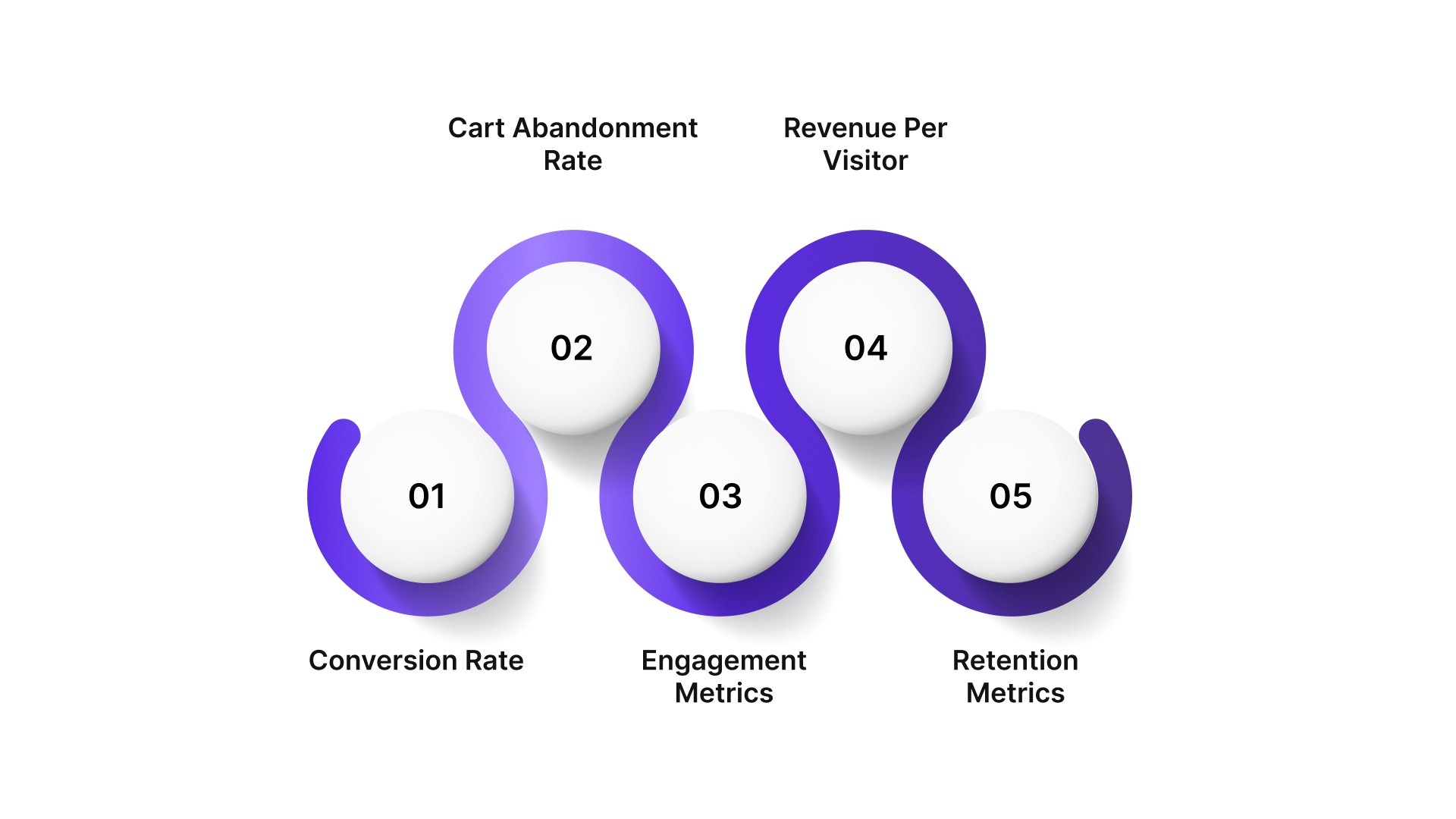
Here are the key metrics to focus on:
Conversion Rate: Tracks how many visitors complete a purchase. For grocery and retail brands, this reflects how seamless and efficient the buying experience is.
Cart Abandonment Rate: Highlights the percentage of users who exit before completing checkout, often due to pricing, delivery, or trust concerns.
Engagement Metrics: Measures clicks, product interactions, and time spent on pages to understand how effectively your funnel keeps visitors interested.
Revenue Per Visitor (RPV): Shows the average revenue generated per user, helping teams assess the impact of personalization and offers.
Retention Metrics: Captures repeat purchases or subscription renewals, providing insight into long-term customer satisfaction.
By aligning these metrics with real-time behavioral signals, Nudge helps brands uncover friction points, refine user flow, and increase repeat purchases while ensuring each funnel stage contributes to steady business growth.
Optimize Every Step of Your Funnel with Nudge
Many ecommerce funnels lose potential sales because they treat every visitor the same. Nudge changes that by using AI and real-time data to tailor each stage of the journey, turning browsers into buyers.
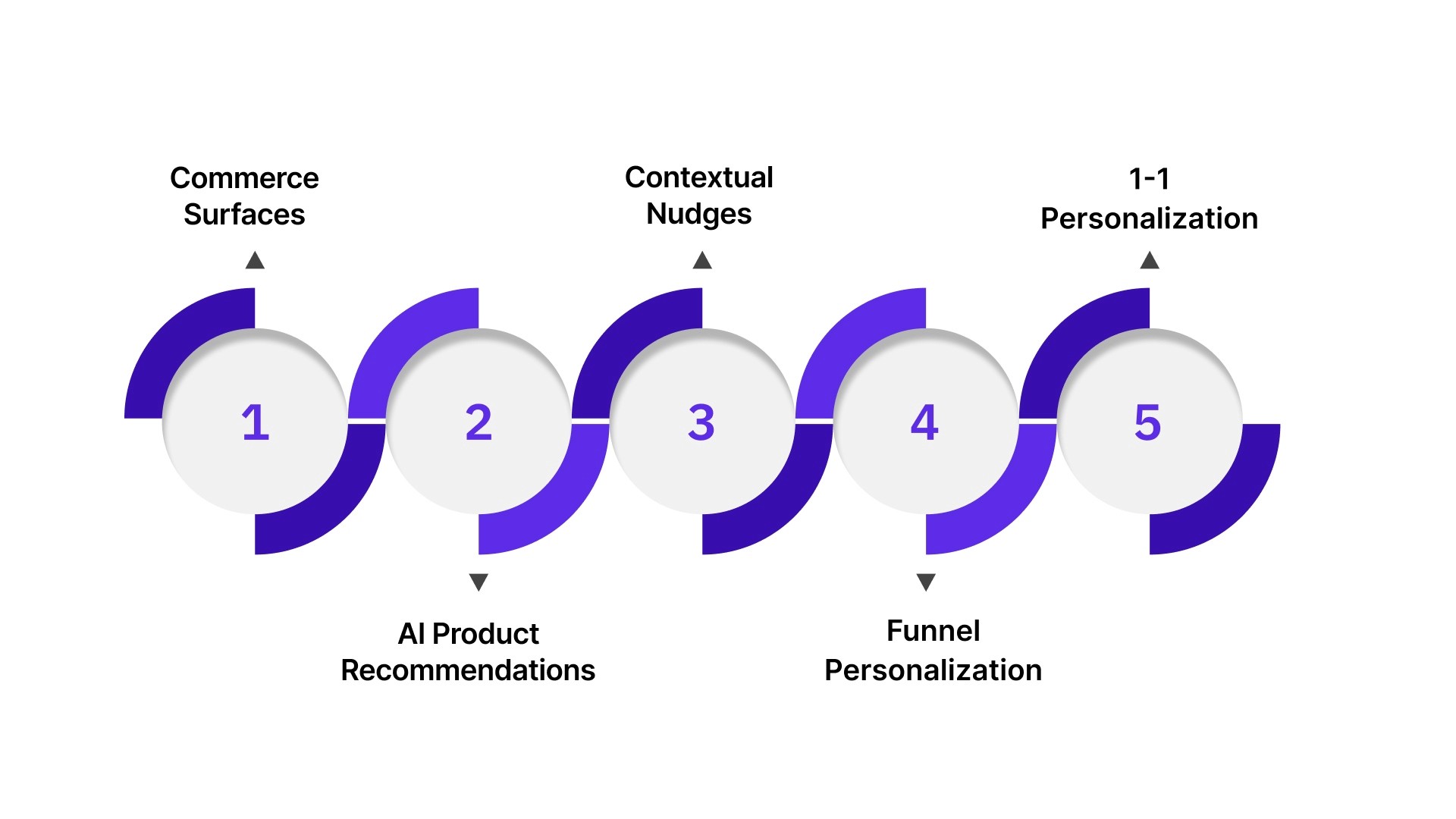
Here’s how Nudge strengthens your conversion funnel:
Commerce Surfaces: Deliver cart reminders, exit-intent messages, and personalized nudges based on real-time shopper behavior.
AI Product Recommendations: Suggest complementary products, bundles, and upgrades that match each visitor’s intent.
Contextual Nudges: Engage shoppers when they are most receptive, increasing the likelihood of conversion.
Funnel Personalization: Use targeted messages, loyalty incentives, and follow-ups to encourage repeat purchases.
1-1 Personalization: Personalize landing pages, product listings, carts, and checkout flows without adding manual effort.
By making every funnel interaction personalized, Nudge helps ecommerce brands increase conversions, raise average order value, and build long-term customer loyalty.

Conclusion
The best conversion funnel examples show how top brands turn casual visitors into loyal customers through clear pathways and personalized interactions. Each stage of the funnel, from awareness to conversion, plays a crucial role in shaping the shopping journey.
Leading ecommerce businesses rely on real-time insights to refine their funnels, reduce friction, and guide users smoothly toward checkout. By studying and applying these best conversion funnel examples, you can build experiences that feel intuitive, relevant, and effective.
With Nudge, you can identify funnel gaps, deliver personalized nudges, and optimize every step to increase conversions and retention. Book a demo today to see how.
FAQs
1. Why should you study the best conversion funnel examples?
Studying the best conversion funnel examples helps you identify proven strategies that increase sign-ups, reduce drop-offs, and improve overall customer journeys. These examples reveal what works at each funnel stage to maximize conversions.
2. What makes a conversion funnel example effective?
An effective funnel example aligns with real-time user behavior, uses personalization, and integrates targeted nudges. Top brands combine smooth onboarding, relevant content, and timely offers to keep users moving toward purchase.
3. How do top brands optimize their funnels for better results?
Leading brands focus on tracking key actions, identifying friction points, and experimenting with personalized messaging. By analyzing funnel data, they adapt touchpoints to increase engagement and conversions.
4. Which industries offer the best conversion funnel examples?
E-commerce, streaming platforms, and marketplaces showcase some of the best conversion funnel examples. These industries rely on continuous testing and personalization to improve funnel efficiency.
5. How can you apply funnel examples to your business?
You can model your funnel structure on successful examples by refining each stage such as awareness, consideration, and conversion. Using tools like Nudge, track real-time behavior, deliver targeted nudges, and personalize experiences to guide users smoothly toward purchase.
6. What are some common elements in high-converting sales funnels?
High-converting sales funnels typically include clear messaging, seamless onboarding, strong value propositions, personalized nudges, social proof, and frictionless checkout flows. They also rely on real-time tracking, targeted prompts, and continuous A/B testing to guide users through every step without confusion or drop-offs.