Ecommerce Personalization
How Does AI-Driven Segmentation Improve ROI for Ecommerce: A Complete Guide
Boost your marketing ROI with AI-driven segmentation, using precise data targeting and real-time updates. Start optimizing your campaigns now!

Gaurav Rawat
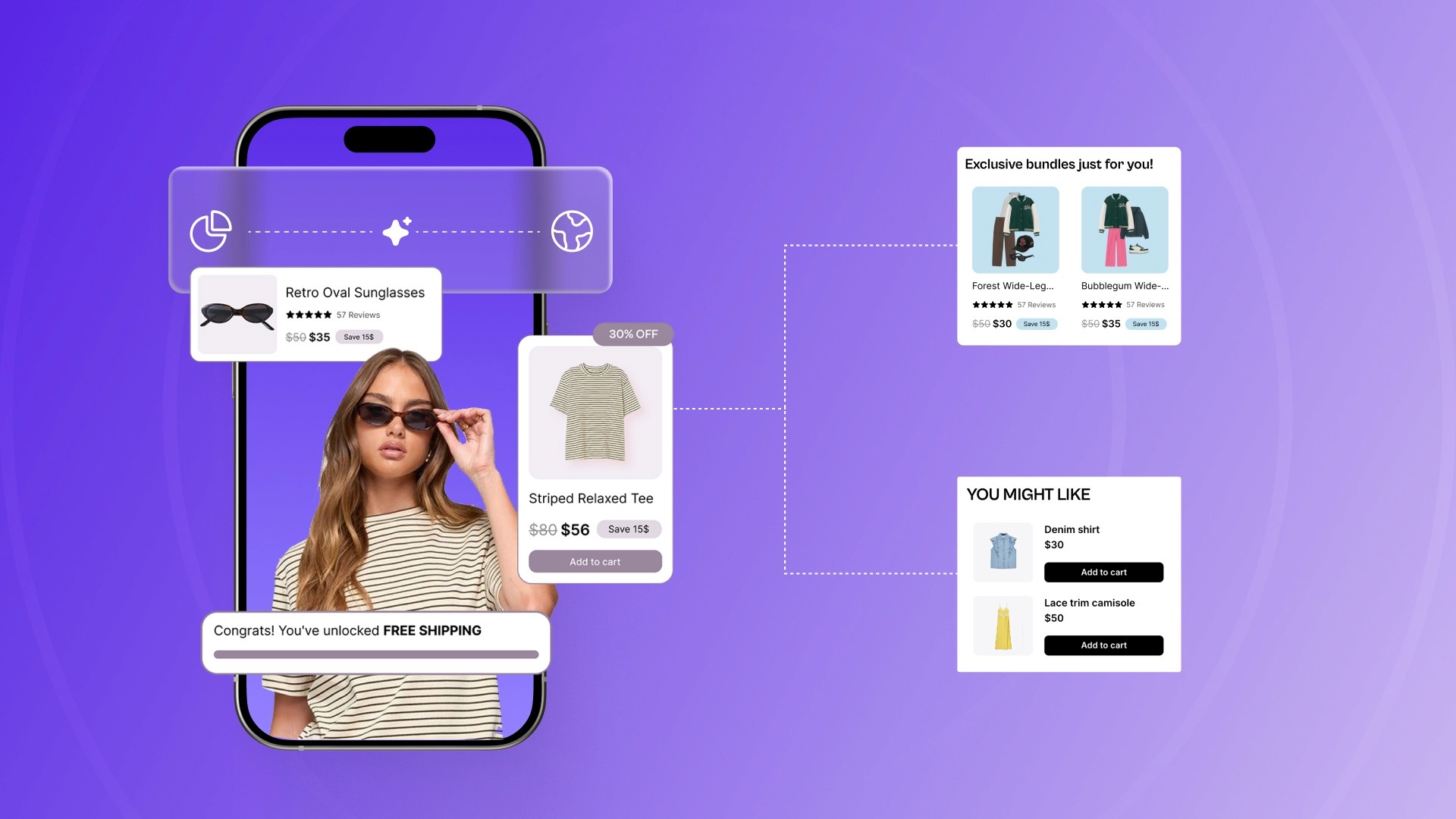





Most e-commerce and DTC brands focus on attracting new visitors but often overlook how to engage them effectively, which can limit revenue and reduce ROI. Every interaction is an opportunity to convert, yet many stores still treat all visitors the same, relying on generic messaging and static campaigns.
One critical question for marketers is: how does AI-driven segmentation improve ROI by making every interaction count?
By automatically grouping customers based on behavior, transactions, and engagement, AI-driven segmentation delivers real-time, relevant product suggestions and offers. Personalized campaigns like these can increase repeat purchase rates 25% higher than generic marketing.
This article explores how AI-driven segmentation improves ROI, helping brands deliver the right message to the right audience at the right time, reduce wasted marketing spend, and drive engagement and repeat purchases.
Key Takeaways:
AI-driven segmentation improves ROI by identifying high-value customer groups and focusing marketing efforts where they matter most.
Real-time insights allow brands like Nykaa and BigBasket to deliver personalized campaigns for each shopper, increasing engagement and conversions.
Predictive segmentation anticipates customer behavior, enabling timely recommendations and nudges that enhance retention and lifetime value.
Monitoring engagement, transaction patterns, and micro-conversions uncovers opportunities to refine messaging, offers, and creative for better results.
Continuous segmentation ensures campaigns evolve with customer preferences, giving brands a measurable edge in efficiency, relevance, and ROI.
Before exploring ROI, it’s crucial to understand what AI-driven segmentation is and why it matters.
What Is AI-Driven Segmentation in Ecommerce?
AI‑driven segmentation uses machine learning to group audiences into meaningful clusters based on behavior, transactions, and engagement signals. Unlike traditional segmentation that depends on static criteria like age or location, AI segmentation adapts in real time to how customers actually interact with your brand.
This ensures every marketing interaction feels intentional, relevant, and personalized, which directly impacts ROI.
For example, a grocery delivery customer on Instacart who frequently buys organic produce and plant-based snacks. AI-driven segmentation identifies this behavior and adds it to a “Health & Wellness” segment.
The next campaign shows tailored offers for vegan bundles, meal kits, or eco-friendly products, improving conversion rates without wasting budget on irrelevant shoppers.
Once you know what it is, you understand why AI-driven segmentation is a key answer to the question: how does AI-driven segmentation improve ROI in ecommerce?
Why AI-Driven Segmentation Is Critical for ROI?
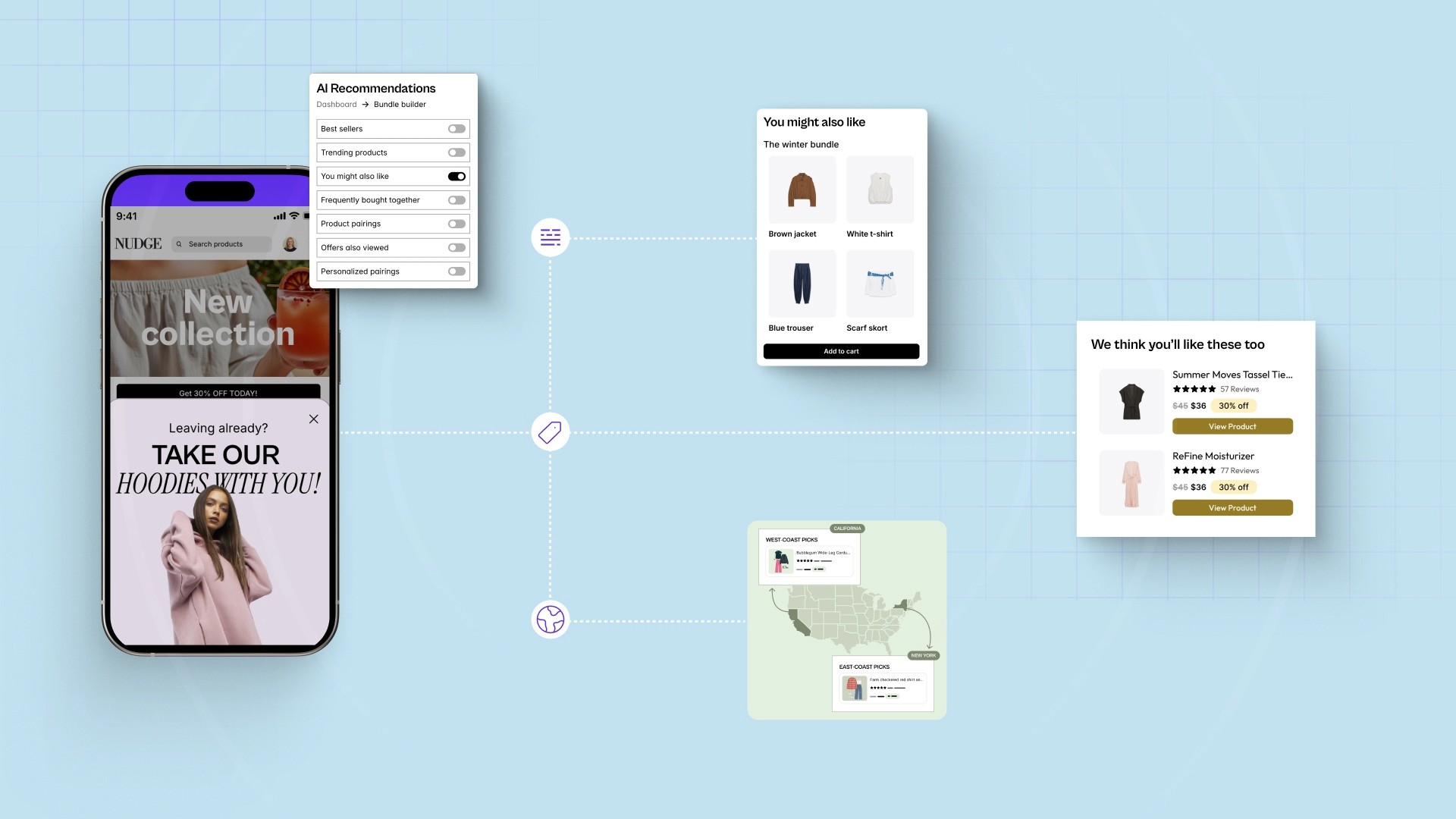
Many ecommerce brands invest heavily in paid campaigns, but broad targeting often leads to wasted spend and low engagement. AI-driven segmentation changes that by delivering the right message to the right shoppers at the right time.
Core Benefits Include
Precise Targeting: Micro-segments based on intent, browsing patterns, or past purchases, for instance a beauty shopper on Sephora who looks at anti‑aging serums but hasn’t purchased yet can receive a targeted promotion or recommendation.
Improved ROI: Spend only on audiences likely to convert reducing wasted budget on uninterested traffic.
Scalability: Whether you run a large fashion store like Zara or a niche personal-care site, AI segments scale with your traffic and catalog without manual effort.
Enhanced Retention: Personalized re-engagement strategies help bring customers back like a personal-care brand offering refill discounts to recurring Glossier customers based on their repurchase cycle.
Using AI-driven segmentation transforms audience data into precise, actionable segments. This lets ecommerce teams run more efficient campaigns, deliver personalized experiences, and ultimately convert interest into measurable growth.
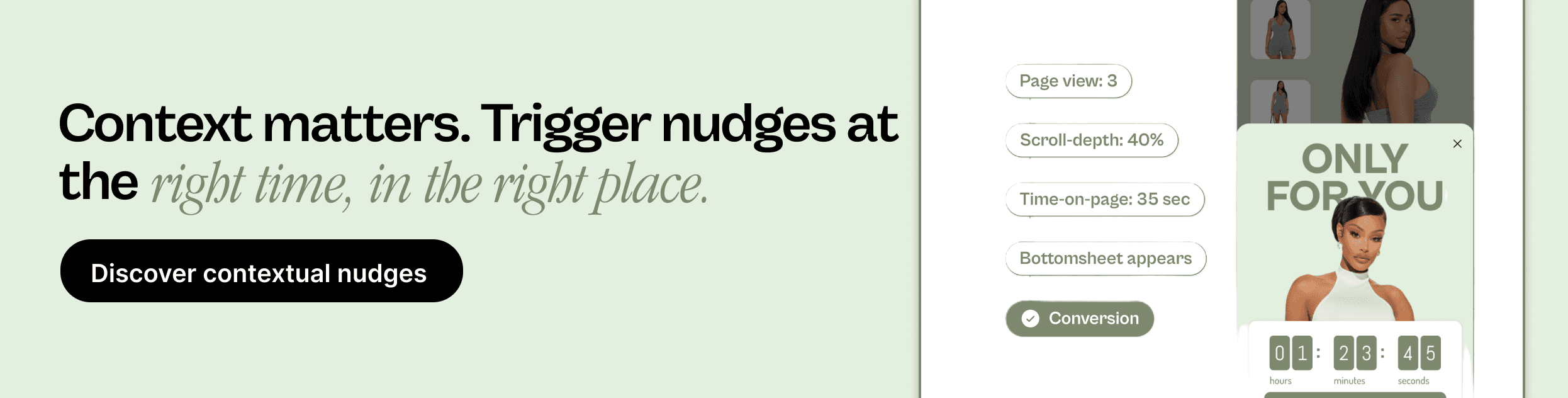
With the benefits clear, next, let’s compare AI-driven segmentation to traditional segmentation to understand what makes it so effective.
AI Segmentation vs. Traditional Segmentation: What Drives Better ROI?
Understanding how your audience interacts with your brand is crucial for improving marketing performance. Traditional segmentation often relies on broad, static criteria like age or location, which can lead to wasted spend and generic messaging.
In contrast, AI-driven segmentation uses real-time behavior, engagement, and transaction signals to dynamically group audiences, enabling more personalized campaigns and higher ROI.
Here’s a clear comparison:
Feature | Traditional Segmentation | AI-Driven Segmentation |
Basis of Segmentation | Broad, static criteria such as age, gender, or location | Real-time behavior, transactions, and engagement signals |
Adaptability | Fixed; rarely updated until manually revised | Continuously adapts based on new customer interactions |
Personalization | Limited; one-size-fits-all messaging | Dynamic, personalized campaigns for each segment |
Scalability | Manual effort grows with audience size | Easily scales with traffic and diverse audiences |
ROI Impact | Often leads to wasted spend due to broad targeting | Higher ROI through precise targeting and reduced inefficiencies |
Competitive Advantage | Minimal; insights are static and reactive | Data-driven insights provide actionable advantages in real time |
Also Read: How to Start Onsite Personalization That Actually Drives Conversions
Once you see this comparison, it becomes clear why ecommerce teams ask, “how does AI-driven segmentation improve ROI compared to traditional methods?”
How to Maximize ROI Using AI-Driven Segmentation? 5 Key Steps
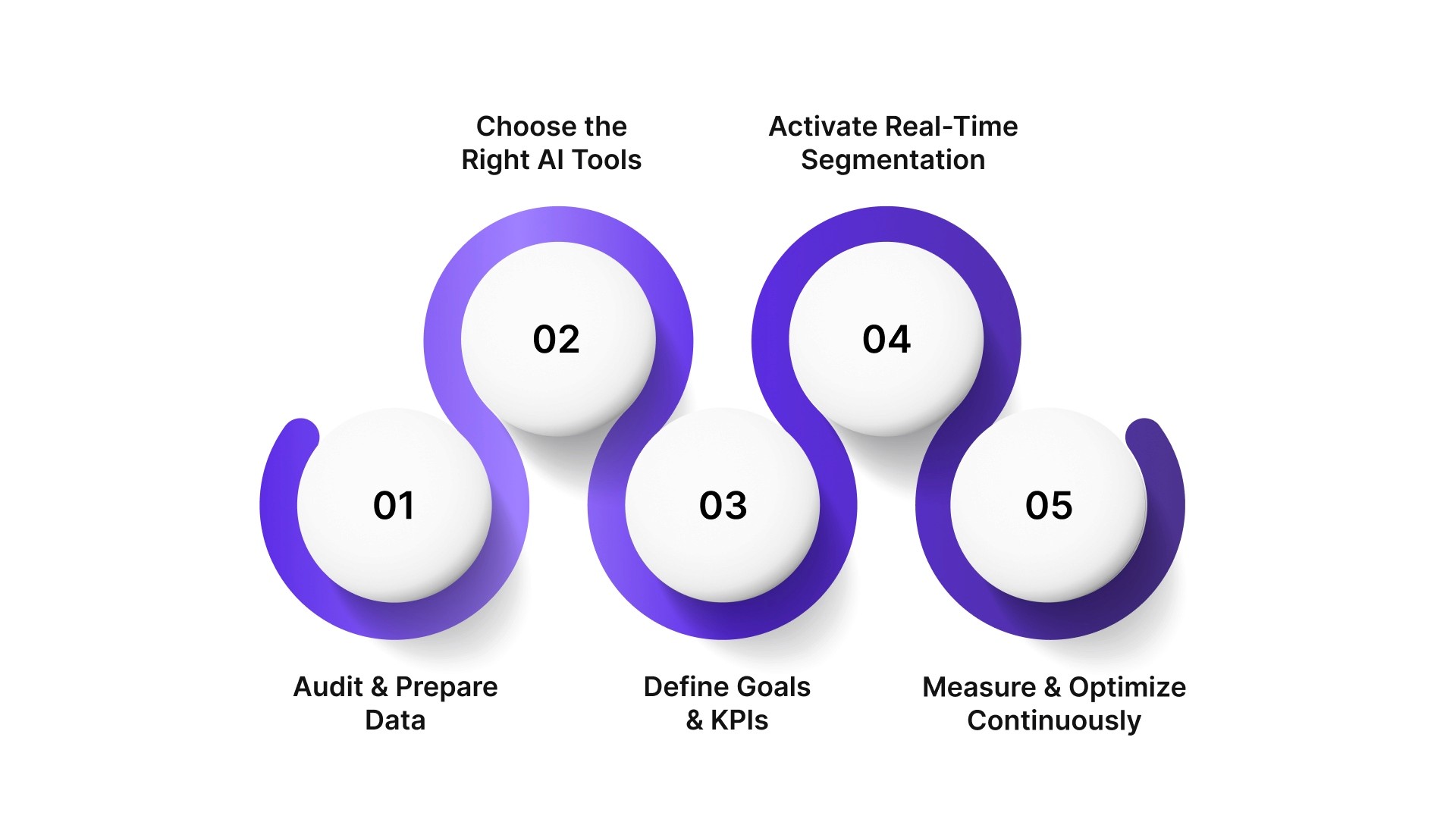
Maximizing ROI in ecommerce is not just about reaching more people; it’s about reaching the right people at the right time. Here’s how leading ecommerce put AI segmentation into action:
1. Audit and Prepare Data
Start by ensuring your customer data is complete, clean, and structured. For instance, BigBasket can identify user actions, who regularly buy fresh produce but rarely purchase snacks, allowing targeted promotions to increase basket size.
2. Choose the Right AI Tools
Select platforms that integrate with your existing marketing stack and support real-time personalization. Sephora uses AI to recommend complementary skincare products based on browsing history and past purchases, making recommendations more relevant and timely.
3. Define Goals and KPIs
Set specific objectives for each segment, such as increasing add-to-cart rates or repeat purchases. Myntra can track users browsing jackets without adding to cart and target them with limited-time offers, directly improving conversions.
4. Activate Real-Time Segmentation
Once segments are defined, use real-time data to deliver personalized messaging. L’Occitane customers viewing body care sets might see dynamic bundles or exclusive offers that match their interests, improving both engagement and purchase value.
5. Measure and Optimize Continuously
Monitor segment performance and refine campaigns based on actual behavior. Nykaa, for example, can observe which shoppers respond to certain product recommendations, then dynamically adjust offers to drive higher AOV and repeat purchases.
By following these steps, brands reduce wasted ad spend, increase relevance, and see tangible improvements in CVR, AOV, and retention without adding complexity to their workflows.

After these steps are implemented, take a look at practical examples of AI-driven segmentation improving ROI across ecommerce.
5 Practical Examples in Ecommerce: How AI-Driven Segmentation Enhances ROI
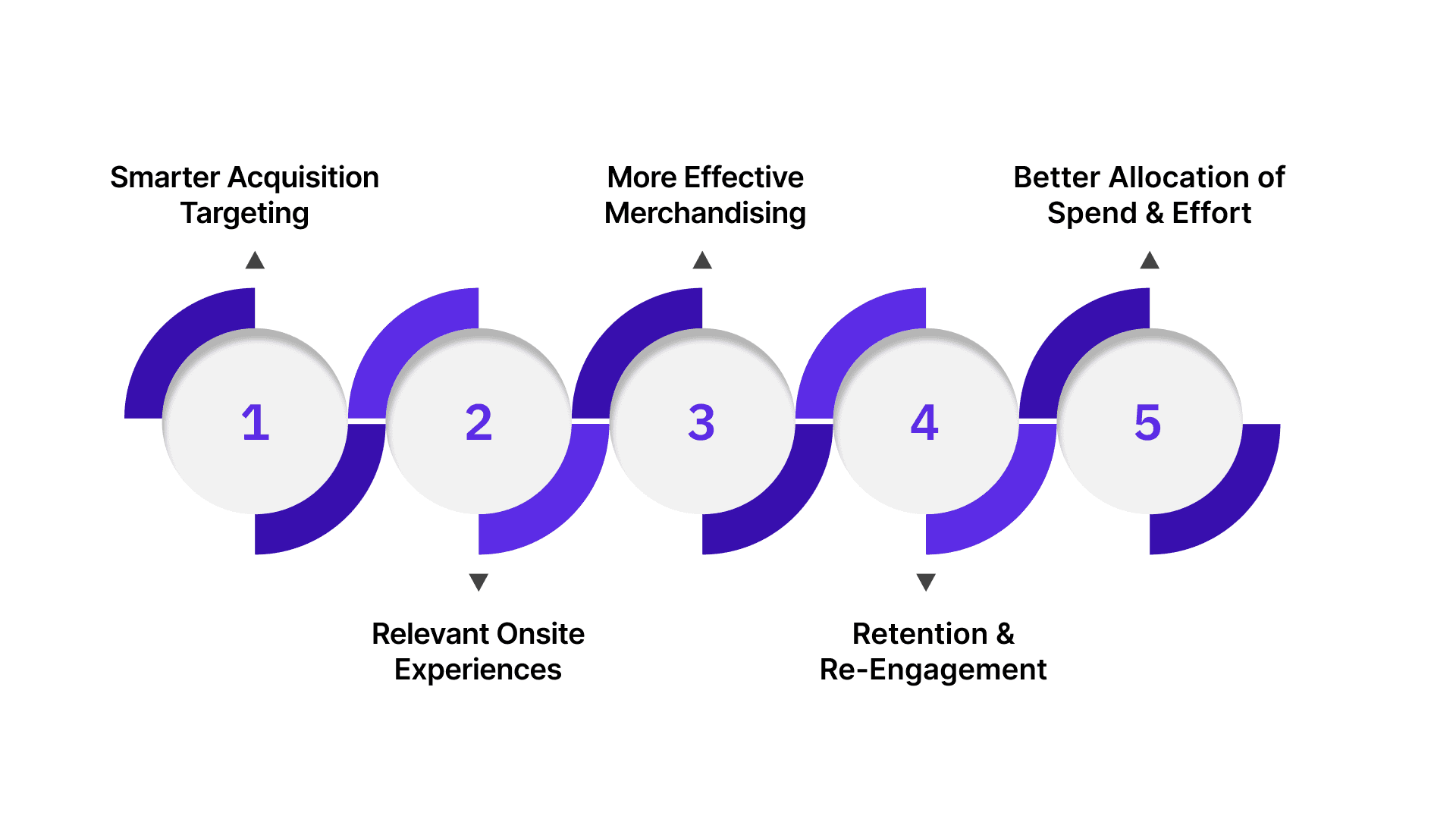
Stronger ROI comes when ecommerce experiences match real shopper intent. AI-driven segmentation supports this by clustering visitors based on their behavior, preferences, and purchase signals, making every interaction more relevant.
When segments shift from broad categories to precise, real-time clusters, marketers gain the control they need to improve ROI without increasing workload.
Here’s how AI-driven segmentation improves ROI across the ecommerce funnel:
1. Smarter Acquisition Targeting
Campaigns become more efficient when AI identifies high-value audiences and filters out low-intent traffic. You spend more on shoppers likely to convert and reduce waste on segments that rarely engage.
Example: Instacart targets “weekday meal planners” with ready-to-cook bundles, while deprioritizing low-intent broad audiences.
2. Relevant Onsite Experiences
Segments adapt in real time as shoppers browse. Brands uses these signals to personalize product recommendations, layouts, offers, and nudges so every session feels tailored to the user’s intent. The result is higher CVR, longer sessions, and fewer drop-offs.
Example: Sephora spotlights skincare quizzes, shade-finders, and serum bundles for users browsing ingredient-based routines, instead of showing generic category grids.
3. More Effective Merchandising
AI highlights buying patterns across segments, helping marketers promote bundles, hero products, or category paths that match what each group is most likely to respond to. This improves AOV (average order value) without relying on guesswork.
Example: Fashion Nova surfaces full outfit recommendations for users browsing tops, while new visitors see curated bestsellers to reduce choice overload.
4. Retention and Re-Engagement
Post-purchase segments adjust based on order history, browsing behavior, and engagement. This helps brands deliver timely messages and offers that bring shoppers back more consistently, strengthening LTV.
Example: Glossier reminds recurring moisturiser buyers when their product is likely running low and nudges them with loyalty perks to encourage earlier repurchases.
5. Better Allocation of Spend and Effort
With clearer visibility into which segments perform, marketers can refine budgets, offers, and UX decisions toward what consistently drives revenue. This prevents overspending and creates a compounding ROI advantage across the funnel.
Example: Whole Foods shifts budget away from coupon-heavy audiences toward frequent organic product buyers who show stronger LTV.
AI-driven segmentation gives ecommerce teams clarity, precision, and agility. With Nudge, you can activate these segments instantly across your landing pages, PDPs, carts, and checkout to create experiences that reliably improve ROI.
Also Read: Top Ecommerce Marketing Automation Strategies for 2025
Now that you’ve seen practical examples, it’s important to understand potential challenges and how to address them.
6 Key Challenges and Strategic Considerations for AI-Driven Segmentation in Ecommerce
AI-driven segmentation can significantly improve marketing ROI, but there are important challenges to consider. Understanding these ensures that campaigns remain effective, actionable, and compliant while maximizing results.
Challenge | What It Means | Impact on ROI |
Data Privacy & Compliance | Handle customer data securely and follow regulations like GDPR and CCPA. | Builds trust and retention; non-compliance can lead to penalties affecting ROI. |
Data Quality | AI needs complete, accurate, and unbiased datasets. | Accurate data ensures segments reach the right shoppers, improving conversions. |
Technical Integration | Segmentation tools must work with existing CRM, CDP, ESP, and ad platforms. | Smooth integration allows instant activation of segments, improving efficiency and ROI. |
Scalability | AI must handle growing datasets and more segments efficiently. | Maintains performance as campaigns expand, sustaining ROI. |
Interpretability | Understanding AI’s segmentation decisions can be complex. | Clear insights help marketers optimize campaigns faster and reduce wasted spend. |
Segment Activation | Segments are only useful if deployed in real-time campaigns. | Delayed activation reduces relevance, engagement, and revenue. |
Dynamic Price | Rapid changes in pricing or inventory levels affect AI segment relevance. | Misaligned segments can lower conversions and reduce campaign ROI. |
SKU-Level Segmentation Complexity | Handling thousands of individual SKUs makes segment creation and targeting harder. | Errors or oversights in segmentation reduce precision and sales impact. |
Seasonal or Campaign-Driven Cohort Volatility | Customer behavior shifts seasonally or during specific campaigns. | Segments can quickly become outdated, affecting engagement and revenue. |
With these considerations in mind, next, let’s explore how strategic segmentation transforms ecommerce performance.
Transform ROI with Strategic AI-Driven Segmentation Using Nudge
Most brands still rely on broad targeting, sending the same messages to every visitor, even though shoppers behave very differently across channels, sessions, and touchpoints. Today’s consumers expect marketing that reacts to their intent in real time, similar to how personalized feeds adjust based on what you watch or browse.
Nudge brings AI-driven segmentation into your marketing workflow and helps you create precise, relevant, high-performing experiences across the entire customer journey.
Here’s how Nudge makes AI-driven segmentation work at scale:
AI Product Recommendations: Identify audiences based on browsing patterns, purchase history, engagement level, or predicted intent so every campaign reaches people who are most likely to convert.
Commerce Surfaces: Deliver the right message at the right moment, whether it’s a reminder for abandoned carts, a timely offer for hesitant shoppers, or relevant products for high-intent visitors.
Channel-Specific Personalization: Apply intelligent segments across landing pages, product pages, and checkout so users consistently see content aligned with their interests.
Cart Abandonment Recovery: Prioritize high-value shoppers, returning buyers, or customers with high LTV predictions to reduce wasted spend and improve overall marketing efficiency.
Contextual Nudges: Tailor offers, product suggestions, and CTAs automatically based on what each segment is most likely to act on, improving conversions and customer satisfaction.
When segmentation is activated through Nudge, your marketing shifts from broad messaging to precision-led engagement without adding technical complexity. Each audience receives content shaped for their intent, which increases efficiency, reduces costs, and directly strengthens ROI.

With Nudge, personalize acquisition, onsite journeys, carts, and checkout using AI-driven segmentation and real-time insights to improve performance across every touchpoint.
Final Thoughts
High-growth ecommerce brands know ROI doesn’t improve by spending more, but by making every interaction smarter. Understanding how AI-driven segmentation improves ROI allows brands to reach the right shoppers with the right message at the right time.
When campaigns shift from broad targeting to intent-led, real-time segments, conversions naturally rise across acquisition, onsite engagement, and retention. AI helps you spot high-value audiences, cut wasted spend, and personalize every touchpoint leading to higher CVR, stronger AOV, and more repeat purchases without adding complexity to your workflow.
Ready to see how precision targeting can transform your performance? Nudge helps ecommerce and DTC brands activate real-time segmentation and deliver adaptive experiences across the funnel, no engineering required.
Book a demo to learn how AI-driven segmentation can improve ROI and unlock more revenue from every shopper.
FAQs
1. How does AI-driven segmentation improve ROI for high-growth ecommerce brands?
AI helps marketers move beyond static audience groups by analyzing real-time behavior, session intent, and purchase signals. When your campaigns reach shoppers who are actively ready to buy, you get higher CVR, stronger AOV, and more efficient spend driving ROI without increasing budgets.
2. What data does AI use to create more accurate shopper segments?
AI reads signals across the full journey: product views, scroll depth, cart activity, referrer source, and past purchases. These insights help you target each shopper based on real intent, not broad demographic assumptions, making every message more relevant and more likely to convert.
3. How does AI segmentation make ecommerce campaigns more personalized?
AI updates segments instantly as shoppers browse. This means your landing pages, PDPs, and retargeting ads can adapt in real time showing bundles, offers, or recommendations aligned with current behavior. More relevance leads to higher engagement, reduced drop-offs, and stronger LTV.
4. Can AI-driven segmentation help optimize marketing budgets across paid channels?
Yes. AI identifies which shopper groups convert profitably and which segments drain spend. Brands can shift budget toward high-value audiences coming from TikTok, Meta, improving CAC efficiency and maximizing returns on every click.
5. How does AI segmentation support long-term retention for ecommerce brands?
AI tracks ongoing engagement patterns and triggers personalized nudges, recommendations, and reminders across carts and checkout. These timely touchpoints keep shoppers active, encourage repeat purchases, and strengthen brand loyalty directly impacting retention and revenue growth.