Case Study
The Ultimate Guide to Geotarget Popups for Ecommerce Brands
Learn how geotarget popups can deliver location-based messages that boost engagement, conversions, and shopper relevance on your ecommerce site.

Sakshi Gupta
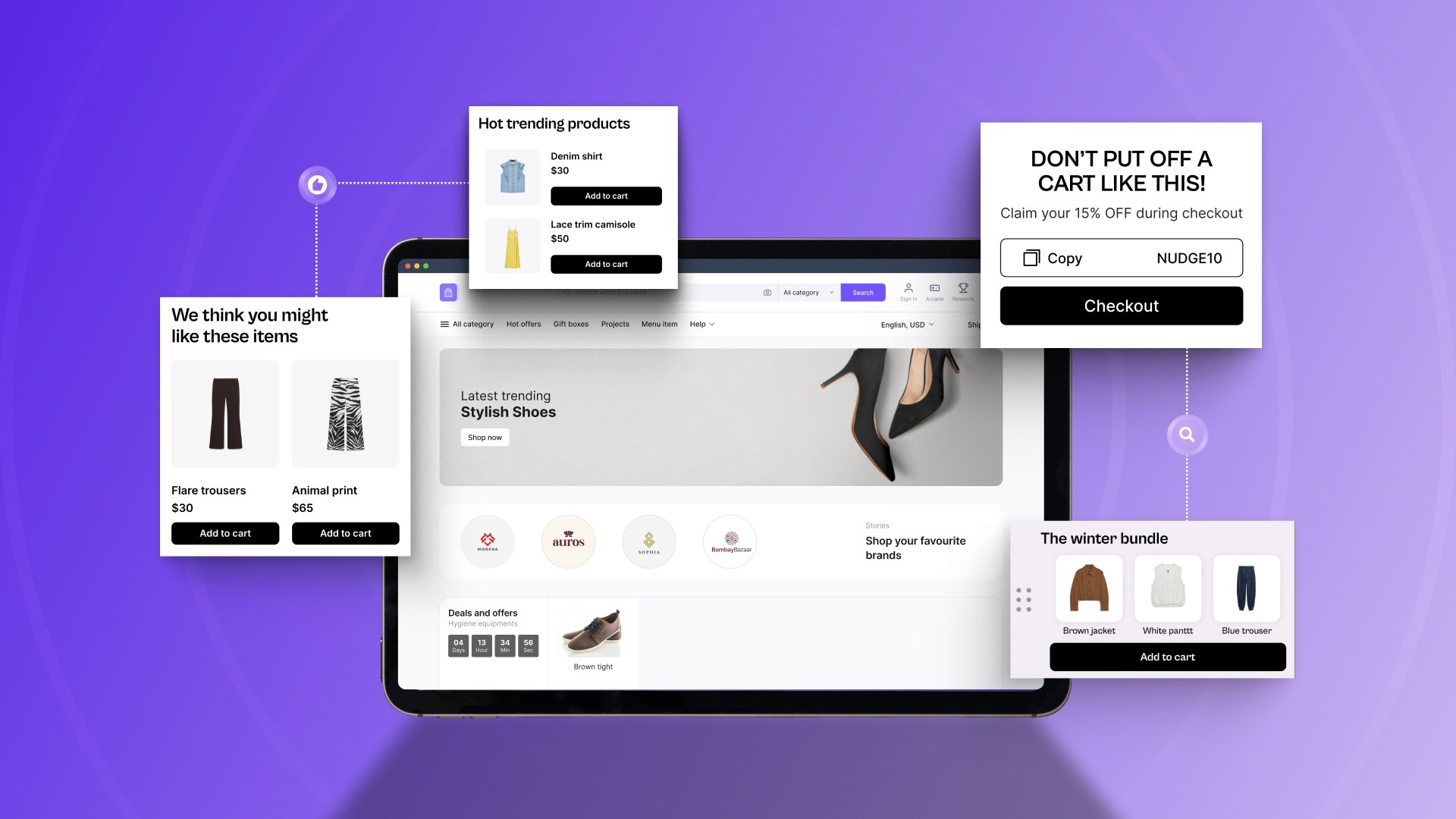





How often do you actually engage with a popup that doesn’t feel relevant to you? Probably not much, right? The truth is, most generic popups are more of a distraction than a tool for conversion, and as an ecommerce brand, that’s a missed opportunity.
Now, what if those popups could be tailored specifically to where each shopper is located? Geotarget popups make this possible, delivering hyper-relevant messages based on the shopper’s location; whether that’s their country, region, or even city.
Personalization has become a critical strategy for ecommerce brands, and location-based targeting is a key part of it. By adjusting messaging, offers, and recommendations in real time, geotarget popups ensure that each shopper sees content that truly resonates with them, enhancing their experience and increasing the chances of conversion.
In this blog, we’ll explore how Geotarget popups work, why they impact engagement, and practical ways ecommerce brands can use them to increase conversions, boost average order value, and improve overall shopper experiences.
Key Takeaways
Geo-targeted popups boost relevance: Personalized messages based on location, behavior, and source create a more engaging shopping experience.
Integration across ecommerce surfaces matters: Popups work best when deployed on homepages, PDPs, PLPs, carts, and checkout to guide the shopper journey.
Timing and triggers are critical: Using scroll depth, time on page, exit intent, and past behavior ensures messages appear when shoppers are most likely to act.
Continuous testing drives results: Measuring engagement, conversion, and order value allows marketers to optimize popups and improve ROI over time.
What Are Geotarget Popups?
Geotarget popups are dynamic, location-based messages that appear on ecommerce websites or apps, specifically tailored to the visitor’s geographic location. These popups use real-time data to display offers, recommendations, or information that resonates with the shopper's environment.
For example, H&M, a global fashion retailer, adapts the messaging shown to visitors based on their region. A shopper arriving from New York might see different creative, offers and tone than someone browsing from Berlin or Tokyo, reflecting local culture and behaviour.
How They Differ from Generic Popups
Unlike geo-targeted popups, generic popups display the same message to all visitors, regardless of location or browsing behavior. For example:
Every visitor sees the same discount offer, even if shipping isn’t available in their region.
Promotions are not tailored to local events, holidays, or regional stock availability.
The message doesn’t change based on where the visitor is browsing from, so shoppers in different regions still see the exact same offer.
This lack of personalization often leads to lower engagement, higher bounce rates, and missed opportunities to drive conversions.
If you want to make every visitor feel seen and engaged, Nudge is your solution. Its 1:1 personalization lets you target shoppers precisely by location and behavior, ensuring each popup delivers the right message at the right moment.

While understanding what geo-targeted popups are gives clarity on their purpose, it’s equally important to know how they actually function behind the scenes.
How Geotarget Popups Work Technically?
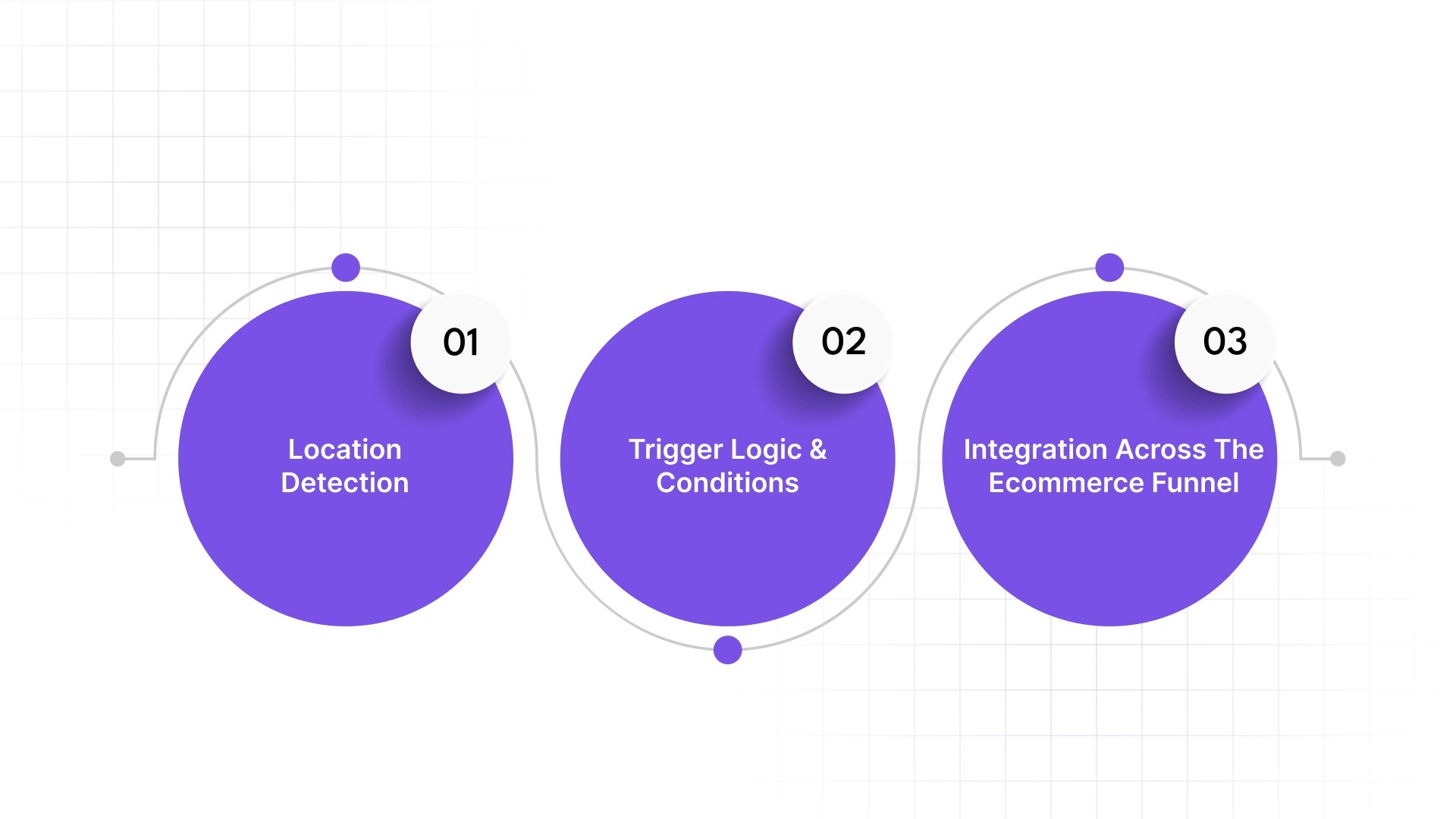
Geotarget popups use real-time data to deliver location-based messages to shoppers. They dynamically adjust based on the visitor’s location and behavior, ensuring that each message is relevant and timely.
To make this work, marketers typically rely on three technical components:
1. Location Detection
Location detection is the foundation of Geotarget popups. By understanding where a shopper is browsing from, the popup can serve highly relevant messages that match their region, language, or local culture. Common methods include:
IP Address: Identifies the visitor’s city, state, or country, allowing popups to display offers tailored to that location.
Device Locale: Reads the shopper’s device settings to determine language and regional preferences, ensuring messaging feels familiar and contextually correct.
Geolocation API: Uses browser permissions to access precise latitude and longitude, enabling hyper-local targeting for specific stores, warehouses, or regional events.
UTM Parameters: Connects traffic source and campaign signals with regional strategy, ensuring alignment with location-targeted ads.
2. Trigger Logic & Conditions
Once a visitor’s location is identified, popups appear based on predefined rules designed to maximize relevance and reduce intrusiveness. These triggers ensure that popups appear only when shoppers are most likely to engage:
Time on Page: Display a popup after the visitor has spent a certain amount of time on the page, ensuring they’ve shown interest before receiving a message.
Scroll Depth: Trigger a popup when the visitor scrolls through a particular portion of the page, indicating engagement with the content.
Exit Intent: Detect when a shopper is about to leave the site and present a timely offer or reminder to retain them.
Behavioral Triggers: Combine location with real-time shopper behavior such as browsing patterns, items added to cart, or past purchases for precise targeting.
3. Integration Across the Ecommerce Funnel
Geotarget popups can be strategically deployed at different stages of the ecommerce journey to maximize impact:
Landing Pages/Homepages: Greet visitors with location-specific offers, promotions, or welcome messages tailored to their region.
Product Detail Pages (PDPs): Highlight local stock availability, estimated delivery times, or region-relevant product recommendations.
Product Listing Pages (PLPs): Promote trending products, top-selling items, or region-specific categories to guide visitors toward relevant options.
Cart/Checkout: Provide last-minute location-based nudges, shipping updates, or region-specific discounts that can tip the scale toward completing a purchase.
Now that you know how Geotarget popups work behind the scenes, let’s look at why ecommerce brands are increasingly adopting them to boost engagement and conversions.
Also Read: Personalization in Ecommerce: Enhancing User Experience & Driving Sales
Why Ecommerce Brands Should Use Geotarget Popups
Geotarget popups allow ecommerce brands to engage shoppers with messages that feel personal and timely. By making the most of location and behavior data, brands can deliver offers, recommendations, or alerts that match the visitor’s context. Here’s why this approach is valuable for ecommerce and DTC brands:
Increase Conversions with Relevant Offers
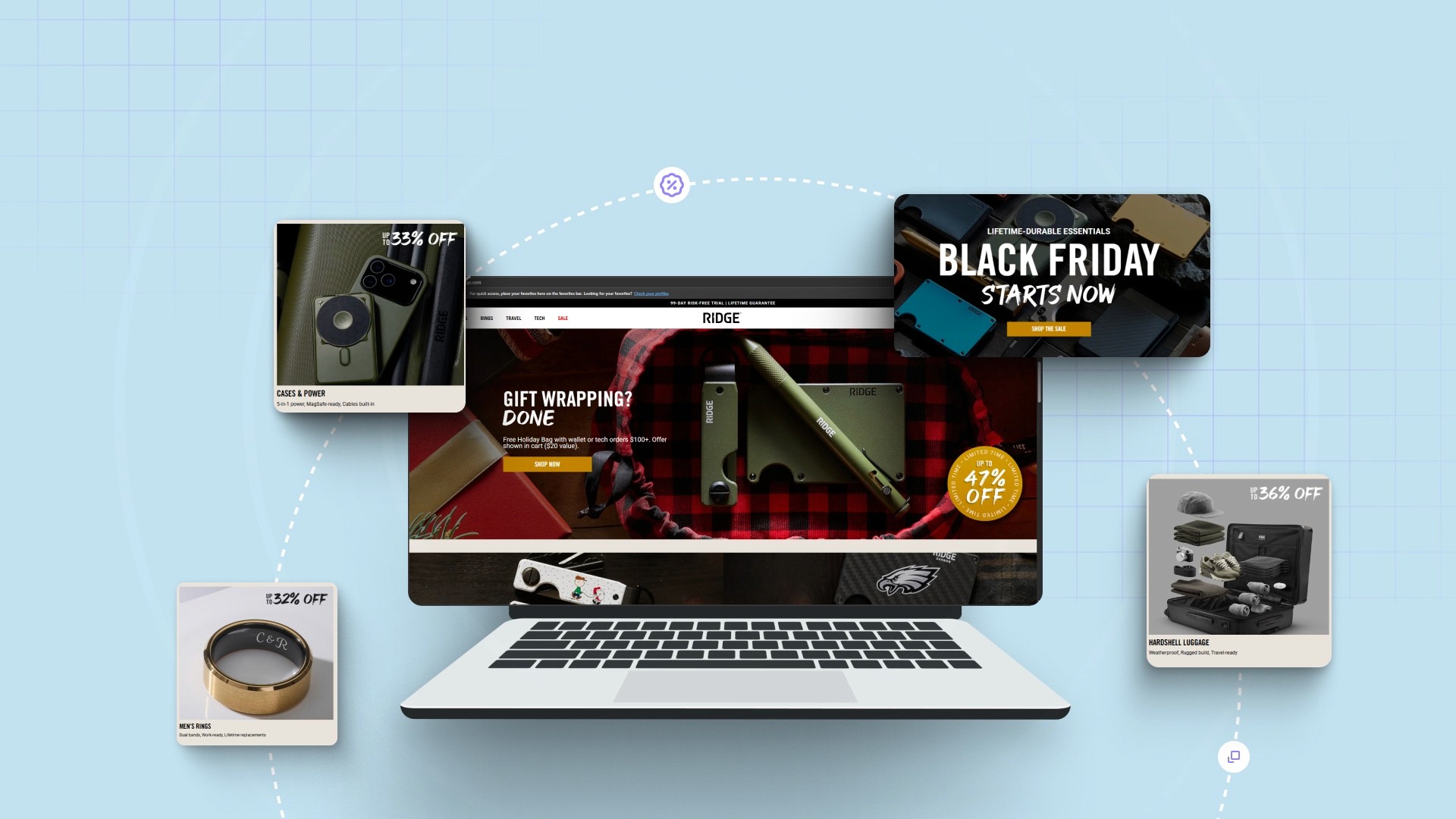
Shoppers respond better to messages that match their location and preferences. Geotarget popups allow brands to highlight region-specific discounts, free shipping offers, or localized promotions.
Reduce Cart Abandonment
Location-based popups can trigger exit-intent messages that are highly relevant to the visitor. By combining location data with browsing or cart behavior, brands can recover lost sales with timely nudges.
Enhance Shopper Experience
Geotarget popups create a more personalized browsing experience. Shoppers feel understood when the site displays relevant content, like regional product recommendations or culturally appropriate messages.
Improve Marketing ROI
Paid campaigns perform better when post-click experiences align with visitor context. Geo-targeted popups ensure that traffic from paid ads is served relevant content, increasing the chances of conversion and improving overall ROI.
Support Multi-Region Ecommerce Strategies
For brands selling in multiple regions, generic popups often fail to convey the right message. Geotarget popups allow ecommerce brands to tailor messaging for different countries, states, or cities, keeping the shopping experience consistent and relevant.
To make geo-targeted popups truly effective, it’s essential to deliver the right message on the right surface at the precise moment in the shopper’s journey. Tools like Nudge make this seamless by using location, behavior, and campaign context to personalize popups across every ecommerce surface.

As brands start implementing geo-targeted popups across different ecommerce surfaces, the next step is execution. Advanced geo-targeting strategies help ecommerce brands apply these insights in real time to enhance engagement and conversion.
Also Read: Top 10 E-Commerce Personalization Tools to Increase Conversions (2025)
Advanced Strategies for Effective Geo-Targeted Popups
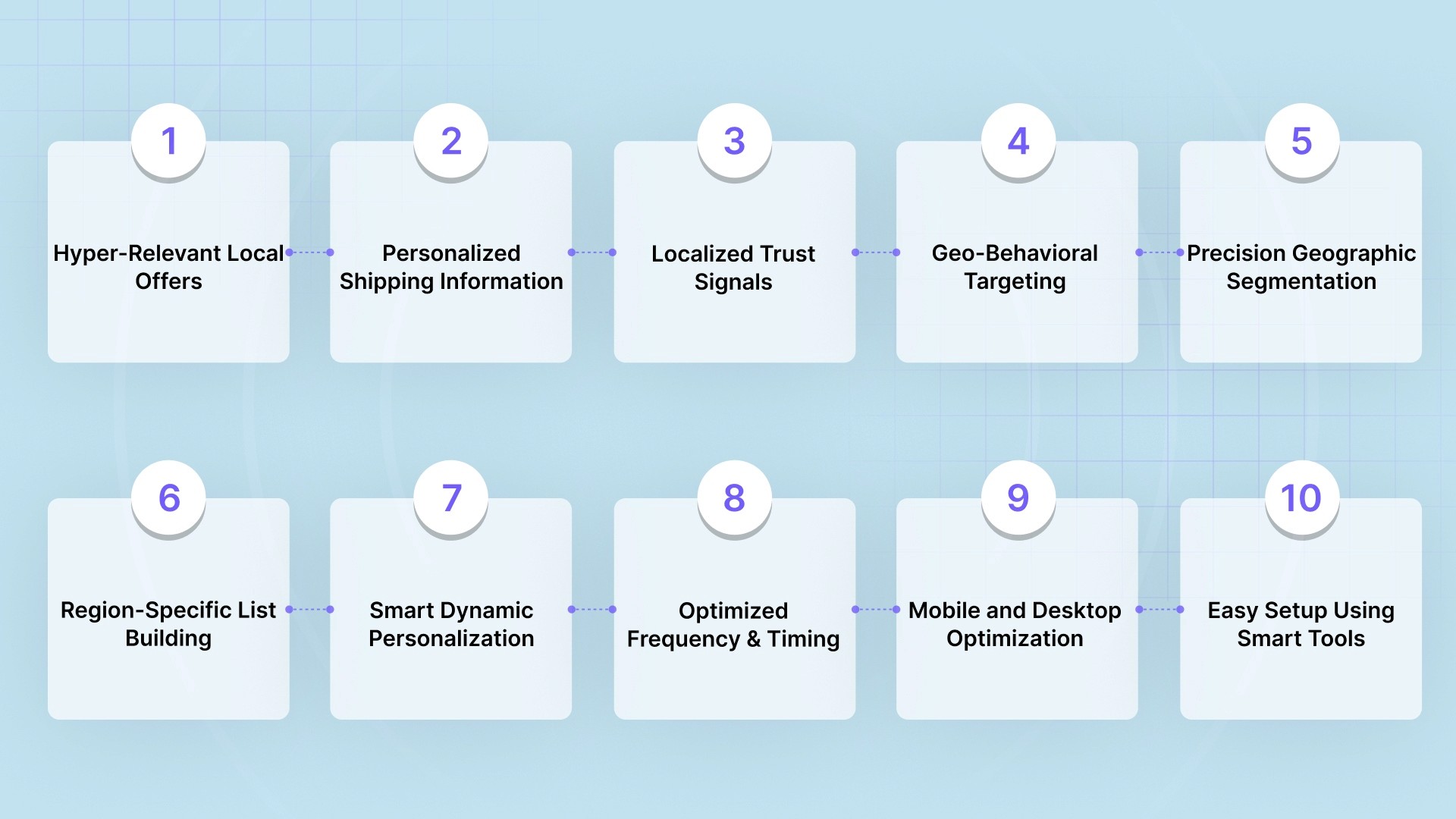
Implementing geo-targeted popups effectively requires more than just displaying messages based on location. The real impact comes from how intelligently these popups are personalized, timed, and integrated into the overall customer journey. Below are advanced strategies that can help ecommerce brands make geo-targeting more precise and performance-driven.
1. Hyper-Relevant Local Offers
Local relevance increases the likelihood of engagement. By tailoring promotions, pricing, or limited-time offers to match regional preferences or events, brands can make messages feel directly aligned with shoppers’ real-world context. This helps capture attention faster and improves conversion intent.
2. Personalized Shipping Information
Shipping clarity is one of the strongest purchase motivators. Displaying location-based delivery timelines, availability, and shipping costs helps set accurate expectations and builds transparency. When shoppers see that a brand understands their location, it reinforces confidence in the buying process.
3. Localized Trust Signals
Trust grows when shoppers see familiarity in a brand’s communication. Adding region-focused proof points, local fulfillment details, or locally recognized certifications creates a stronger emotional connection. It positions the brand as credible, accessible, and customer-centric within that specific geography.
4. Geo-Behavioral Targeting
Combining location data with behavioral insights ensures popups appear at moments of highest relevance. When engagement metrics like browsing duration, cart activity, or product category are factored in alongside location, the popup’s timing and message feel more personalized and meaningful.
5. Precision Geographic Segmentation
Granular segmentation helps avoid generic messaging. Instead of grouping all customers within a country, segmenting by city, postal area, or regional behavior patterns allows for deeper personalization. This precision supports better offer optimization and sharper performance tracking.
6. Region-Specific List Building
Geo-targeted popups are valuable tools for collecting high-quality leads. By encouraging visitors to opt into local newsletters or notifications, brands can build segmented contact lists that align with regional campaigns. This makes future outreach more relevant and increases engagement rates.
7. Smart Dynamic Personalization
Automated personalization enables real-time adaptability. Smart tags or dynamic content fields can adjust popup text, visuals, and CTAs based on live data signals. This ensures that every visitor sees a version of the message most relevant to their situation without requiring constant manual updates.
8. Optimized Frequency and Timing
The timing and repetition of popups directly affect user experience. Strategically controlling how often and when popups appear prevents message fatigue. When popups are triggered at contextually appropriate moments, they enhance rather than disrupt the browsing flow.
9. Mobile and Desktop Optimization
Popup performance depends on device responsiveness. For mobile users, design elements should be compact, easily dismissible, and non-intrusive. For desktop visitors, popups can be more immersive without blocking navigation. Adapting layouts ensures a seamless experience across all touchpoints.
10. Easy Setup Using Smart Tools
Advanced geo-targeting doesn’t have to mean complex implementation. Platforms like Nudge allow marketers to deploy personalized popups with minimal technical effort. From automated targeting to A/B testing, such tools streamline execution and ensure consistent, measurable personalization across regions.

When these strategies are applied thoughtfully, geo-targeted popups can drive meaningful engagement across every stage of the shopping journey. To simplify this process and put these tactics into action at scale, ecommerce brands turn to Nudge, a platform built to power precise, personalized interactions effortlessly.
How Nudge Enhances Geo-Targeted Popups for Ecommerce
Nudge is an autonomous experience layer for ecommerce and DTC brands. It delivers personalized, real-time experiences across landing pages, product listings, PDPs, carts, and checkout without relying on developers.
Every shopper sees messages tailored to their location, source, device, and past behavior, ensuring relevance and boosting conversions, average order value, and repeat purchases.
Real-Time Personalization: Popups adapt instantly based on live shopper data, showing the right message at the right moment across all pages.
AI Recommendations and Bundles: Nudge integrates AI-driven product recommendations and smart bundles to upsell and match offers to shopper intent.
Seamless Integration Across Surfaces: Deploy popups on homepages, PDPs, PLPs, and checkout. Test messages, layouts, and triggers without coding.
Behavioral and Location Signals: Use location, source, device, and past behavior to trigger exit-intent, scroll-based, or region-specific promotions automatically.
Continuous Optimization: Track performance, test variations, and refine popups based on shopper interactions for ongoing improvements.

Conclusion
Geotarget popups help brands match on-site messages with real-world shopper intent. When a visitor sees offers and information tied to their location, the experience feels more relevant and encourages stronger engagement from the very first interaction.
This relevance directly improves UX and conversions. Clear delivery expectations, region-specific offers, and locally aligned recommendations reduce friction and guide shoppers toward faster, more confident decisions. The result is a smoother journey that naturally lifts CVR and AOV across key surfaces.
Nudge brings this to life with real-time personalization across key ecommerce surfaces. From AI-driven product recommendations to context-aware nudges, Nudge ensures every shopper interaction adds value and boosts results.
For high-growth ecommerce and DTC brands, using geo-targeted popups with Nudge is a practical way to improve conversions, lift average order value, and create a seamless, personalized shopping experience.
Start optimizing your shopper experience today with Nudge. Book a demo
FAQs
1. Can geo-targeted popups be used for international shoppers?
Yes. Geo-targeted popups can adapt to different countries and languages, showing region-specific promotions, shipping options, or localized content to international visitors.
2. How precise can geotarget popups get with location targeting?
Precision depends on the data signals you use. IP-based targeting typically identifies country or city, while geolocation APIs can narrow it down to neighborhoods or specific store radiuses. This flexibility lets brands personalize experiences at the level that makes sense for their business.
3. Can I customize popups for different marketing campaigns?
Absolutely. Popups can be tailored based on the source of traffic, UTM parameters, or specific ad campaigns, making them highly relevant for each visitor segment.
4. How do geo-targeted popups work on mobile devices?
Geo-targeted popups adjust automatically to mobile screens, orientations, and device types, ensuring they stay usable without interrupting the browsing experience. The best approach is to keep them compact, load them after clear engagement signals, use short copy, and place the CTA where it’s easy to tap. This keeps the popup helpful rather than intrusive and encourages higher interaction on mobile.
5. How can I measure the success of geo-targeted popups?
Key metrics include engagement rate, click-through rate, conversion rate, average order value, and repeat purchase rate. Nudge provides analytics to track these KPIs and optimize popup strategies.