Ecommerce Personalization
Why Personalization Matters More Than Discounts This Black Friday?
Discover why personalization matters more than discounts this Black Friday and how AI-driven experiences turn seasonal shoppers into loyal, year-round customers.

Gaurav Rawat
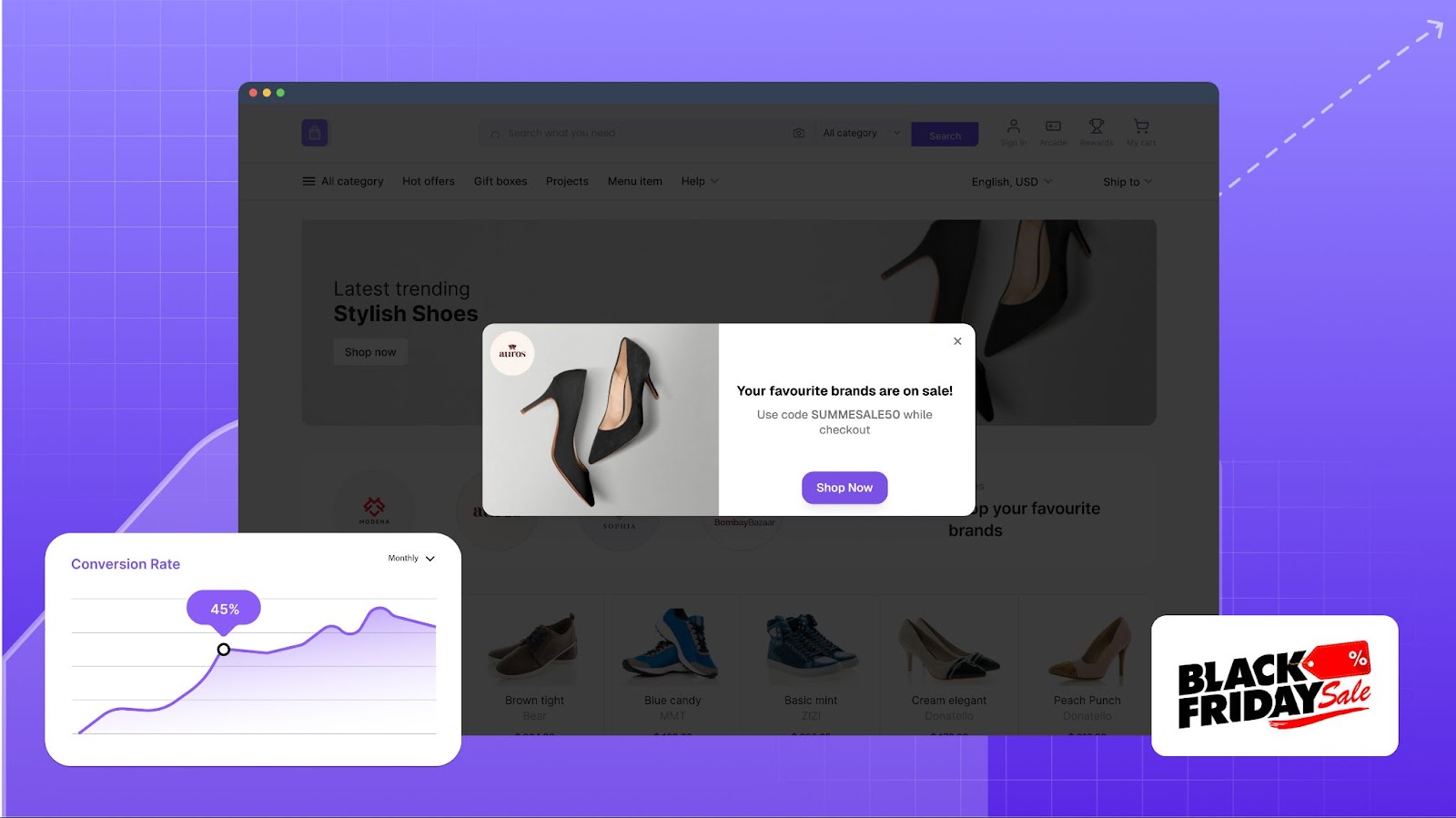





Black Friday and Cyber Monday (BFCM) are the Super Bowl of ecommerce, where brands either capture loyal customers or lose them to competitors.
For ecommerce and direct-to-consumer (DTC) companies, BFCM isn’t just about deep discounts anymore. It’s about delivering the right product, message, or offer at the perfect moment. Brands that tailor their experiences see stronger engagement and higher repeat purchases.
This blog explores how ecommerce and DTC brands can use personalization to boost Black Friday performance, reduce cart abandonment, and turn seasonal traffic into lasting customer loyalty.
Overview
Personalization outshines discounts in 2025, helping brands boost conversions and loyalty without sacrificing profit margins.
Understanding shopper intent turns browsing into buying and builds stronger customer relationships during Black Friday.
Real-time segmentation and predictive AI help brands deliver seamless, high-performing personalization across every channel.
Contextual nudges and empathetic personalization drive urgency and engagement without overwhelming shoppers.
Using Black Friday data year-round helps brands sustain growth and turn one-time buyers into loyal customers.
Why Personalization Will Outshine Discounts for BFCM 25?
For years, Black Friday has been dominated by deep discounts and flash sales. While price cuts can attract attention, the reality shows a growing gap between traffic and actual conversions. Despite an increase in site visits last year, sales only grew by a fraction, signaling that discounts alone aren’t enough to drive meaningful engagement or loyalty.
In 2025, shoppers are smarter and more selective. They’ve grown accustomed to AI-driven, personalized experiences in entertainment, finance, and retail, and they now expect the same from ecommerce brands. Personalization offers a more strategic approach than generic discounts, creating experiences that resonate with individual shoppers and guide them toward purchase decisions without eroding margins.
Key reasons personalization outperforms discounts:
Relevance drives conversions: Personalized product recommendations, restock alerts, and tailored bundles ensure customers see what they want, when they want it.
Increased average order value (AOV): Targeted upsells and cross-sells encourage larger purchases, while blanket discounts can reduce overall profitability.

Enhanced customer loyalty: Shoppers are more likely to return to brands that understand their preferences, rather than chasing the next lowest price.
Real-time adaptability: AI can adjust offers, layouts, and messaging based on current behavior, inventory, and campaign goals, something static discounts cannot do.

Omnichannel synergy: Personalized experiences bridge mobile, desktop, and offline channels, ensuring cohesive journeys across every touchpoint.
By focusing on personalization, brands can turn the Black Friday surge into a strategic growth opportunity, converting short-term holiday traffic into long-term customer relationships.
In 2025, the winners won’t just be the ones with the lowest prices, they’ll be the ones who make every shopper feel like the sale was made just for them.
Black Friday Success Starts With Understanding Shopper Intent
Understanding customer intent is the key to loyalty. Are visitors shopping for themselves or buying gifts? Are they returning shoppers or new customers navigating the site for the first time? Brands that capture these nuances and adjust experiences accordingly see higher conversion rates and more satisfied customers.
Brands that implement intent-driven personalization also gain valuable insights to optimize campaigns across channels. Tailoring content in real time ensures the right product appears at the right moment, improving conversion rates and average order value.
The result is a frictionless, engaging experience that feels curated, not generic, creating lasting loyalty and driving meaningful Black Friday revenue.
Personalization Tactics That Turn Browsers into Buyers
1. AI-powered recommendations: By analyzing past behavior, purchase history, and browsing patterns, AI can suggest products that align with a shopper’s intent, be it self-purchase or gift-giving.
For instance, a returning beauty customer might see a curated bundle of their favorite products, while a gift shopper receives items with high ratings and gifting appeal.
2. Dynamic offers: Personalization allows brands to present tailored discounts or perks in real time, rather than showing a one-size-fits-all promotion.
A shopper who frequently abandons carts may see a limited-time free shipping offer, while high-value customers could get early access to exclusive products.
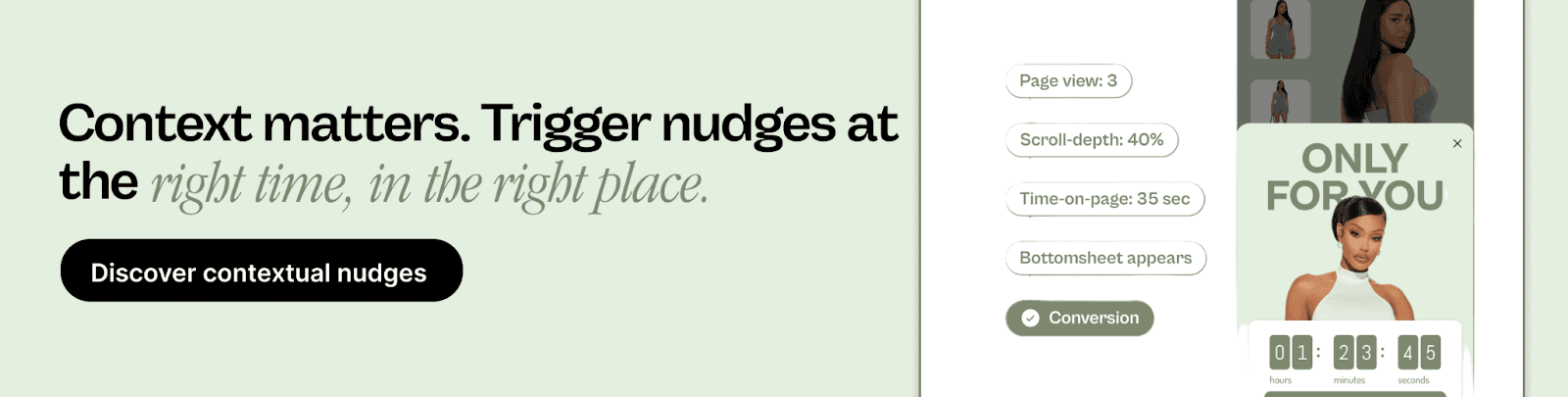
3. Contextual nudges: Timing and context are everything. Exit-intent popups, scroll-triggered banners, or notifications based on real-time inventory create urgency and guide shoppers toward purchase without overwhelming them.

For example, if a gift shopper lingers on a popular item, a nudge highlighting limited stock or best-seller status can trigger immediate action.
4. Segmented audience flows: By dividing visitors into specific segments, like returning vs. new, gift buyers vs. self-shoppers, brands can personalize every interaction, from homepage content to checkout upsells, improving engagement and reducing drop-offs.
The result? Personalization bridges the gap between high traffic and actual revenue. Instead of relying on generic discounts, brands can convert casual browsers into loyal customers by delivering relevant, timely, and context-aware experiences.
In 2025, Black Friday success will no longer be determined by who has the biggest sale, it will be decided by who understands each shopper’s intent and delivers experiences that feel custom-built.
Also Read: Top 10 E-Commerce Personalization Tools to Increase Conversions (2025)
What Mature Personalization Looks Like During Peak Season
Personalization maturity isn’t about having a few automated recommendations. It’s about orchestrating a consistent, data-driven experience across every touchpoint, especially during high-stakes events like Black Friday.
More than 70% of all online purchases on Black Friday were made on mobile devices, according to Salesforce, and AI-powered chatbots played a big role in driving those conversions. In fact, traffic to retail sites from chatbot interactions jumped by 1,800% year-over-year, showing how personalization is quickly becoming a critical part of the shopping journey.
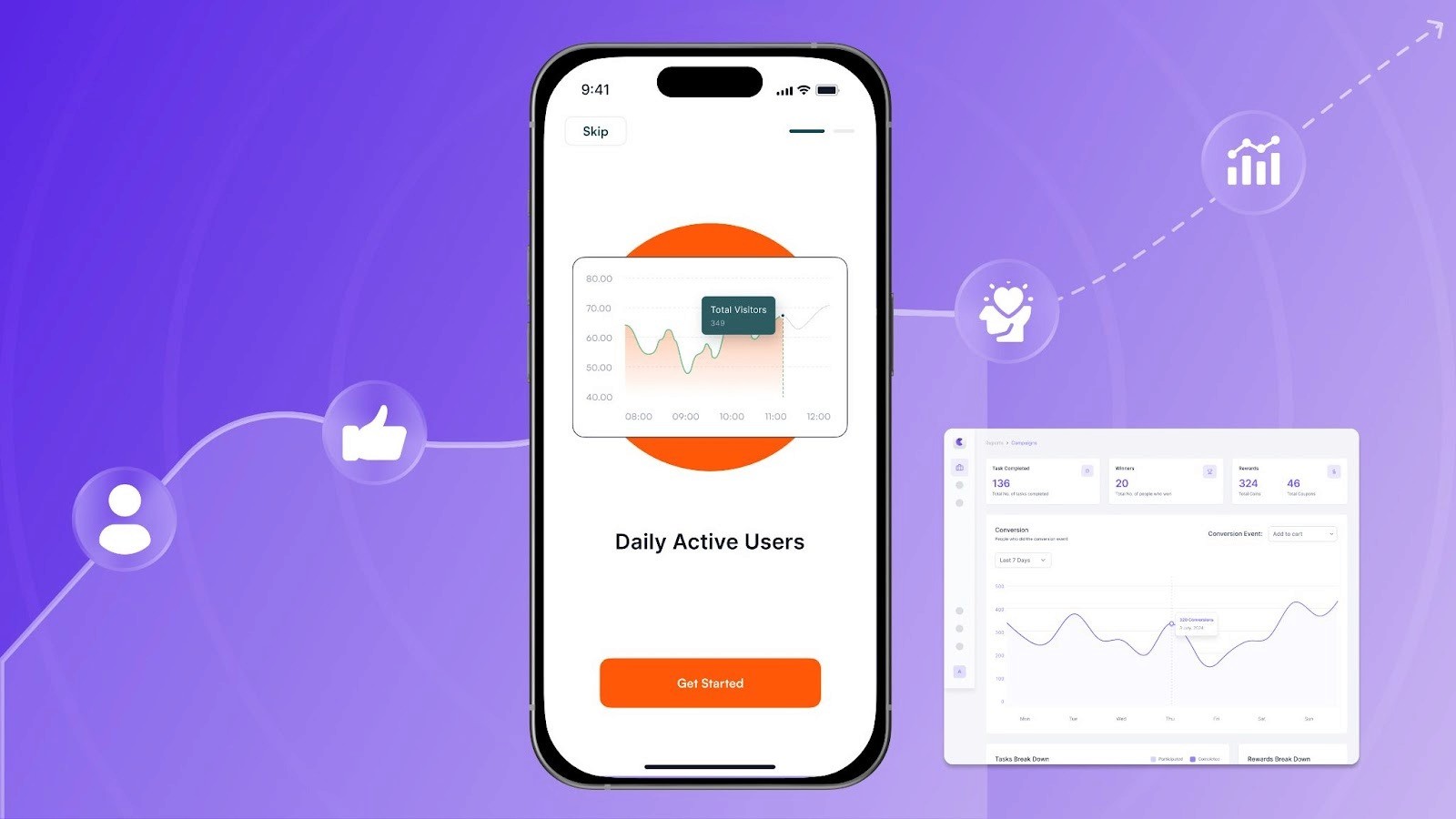
Here’s what that looks like in action:
1. Real-time Segmentation that Evolves with Behavior
Instead of static audience segments defined weeks in advance, advanced personalization engines update segments live based on browsing and intent signals.
For instance, if a user arrives via a “gift ideas” campaign and starts exploring multiple product categories, the system shifts their experience toward gifting guides, bundles, and urgency-driven offers.
Conversely, a repeat buyer logging in from a saved email campaign might see personalized upsells or loyalty points instead.
2. Predictive Product Ranking and Adaptive Merchandising
Mature personalization doesn’t just recommend products, it predicts what each user is most likely to buy next. AI models use clickstream data, price sensitivity, and seasonality to reorder product listings dynamically.
During Black Friday, this ensures that trending items, high-margin products, or time-sensitive deals are prioritized for each shopper. The result: higher click-through rates, reduced bounce rates, and more efficient discovery even in the chaos of flash sales.
3. Cross-Device and Omnichannel Consistency
Peak season shoppers often browse on one device and buy on another. A customer might explore deals on mobile during their commute, then complete the purchase on desktop or in-store.
Mature personalization ensures that their journey, and data, travels with them. By connecting identity graphs and session data, brands can maintain cart contents, recommendation history, and personalized messaging across channels.
4. Micro-Moment Optimization
Every scroll, pause, and hover tells a story. Advanced personalization engines listen for these micro-signals, such as time spent on a product, exit intent, or repeat visits, and trigger timely interventions.
Examples include nudging undecided shoppers with low-stock alerts or showing limited-time bundle offers to accelerate conversions.
5. Learning Loops that Strengthen Over Time
The most successful brands treat personalization as a continuous learning system. Every click informs the next recommendation; every campaign refines the next audience model.
Over time, the platform’s accuracy improves, allowing marketers to spend less time guessing and more time executing strategy.
In essence, mature personalization isn’t a campaign, it’s an ecosystem. It balances automation with human strategy, adapts to device behavior, and ensures every shopper interaction feels intuitive and relevant.
Also Read: How to Increase Conversion Rate: 8 Tactics for 2024

5 Common Personalization Challenges (and How to Overcome Them)
Every November, brands pour months of planning, millions in ad spend, and immense creative energy into Black Friday campaigns, only to see traffic and engagement dip sharply once the sale ends. The challenge isn’t just driving conversions during the biggest shopping week of the year; it’s sustaining that momentum long after the flash sales fade.
Here are five challenges that hold brands back, and how to overcome them:
Challenge | Solution | Example |
1. One-off personalization | Build always-on personalization using AI engines like Nudge or Dynamic Yield to retarget based on past browsing or purchases. | For example, Sephora uses AI to retarget customers with personalized emails or notifications based on past browsing or purchases, boosting engagement and conversions. |
2. Data silos across teams | Unify data in a CDP to connect purchase history, clickstream, and engagement for consistent omnichannel personalization. | PARCO Co. unified purchase, app, store visit, and loyalty data via CDP to enable personalized cross-channel campaigns and eliminate data silos. |
3. Treating new and returning shoppers the same | Segment by intent and predicted value. Personalize post-purchase journeys using AI-driven insights. | Mejuri segments new versus returning shoppers, offering welcome discounts to first-time buyers while delivering premium, history-based offers to high-value customers. |
4. Message fatigue after sales | Use engagement scores to throttle frequency and send context-aware messages only when relevant. | Gtech used engagement scoring to reduce email frequency for at-risk customers, increasing their engaged segment by 17% and doubling conversions by respecting fatigue signals. |
5. Not turning data into strategy | Turn BFCM insights into predictive models to track churn, repeat rates, and cohort value. | DTC brands used BFCM data (52% returning revenue, 17% new repeat rate) to build predictive models that optimized budget allocation and re-engagement. |
Also Read: How to Use Personalization for Upselling and Cross-Selling
The 2025 Playbook: Turning Seasonal Shoppers into Year-Round Loyalists
As inboxes fill up and shoppers are flooded with “limited-time” offers, the brands that stand out this season will be the ones that personalize with empathy, not pressure. That means knowing when to speak, how to speak, and which technologies can deliver relevance without fatigue.
Here are five personalization trends and technologies helping ecommerce brands create experiences that drive conversions and goodwill this Black Friday:
1. Predictive Intelligence for Smarter Timing
Rather than pushing discounts at random intervals, predictive AI can identify when a shopper is most likely to convert.
By analyzing browsing frequency, dwell time, and cart patterns, these models trigger timely prompts, like early access messages for frequent visitors or reminders before a predicted drop-off. This reduces “message overload” while maximizing conversion windows.
Tip: Trigger countdown timers only for engaged visitors (e.g., those who’ve viewed multiple products or added items to cart) instead of showing them universally. It keeps urgency contextual, not overwhelming.
2. AI-Driven Product Recommendations That Reflect Intent
Static “top seller” lists no longer cut it. Advanced recommendation engines now analyze intent signals, such as whether someone is shopping for themselves or gifting, and adapt product displays accordingly.
A returning user might see complementary accessories, while a new visitor sees curated gift bundles or trending deals.
Tip: Combine behavioral data (clicks, scrolls) with zero-party data (quiz answers, preference selections) to tailor recommendations dynamically throughout the shopping journey.
3. Real-Time Content Personalization Across Channels
Personalization shouldn’t stop at the homepage. Using AI-powered content platforms, brands can now sync personalized banners, email creatives, and push notifications to reflect a user’s browsing behavior in real time.
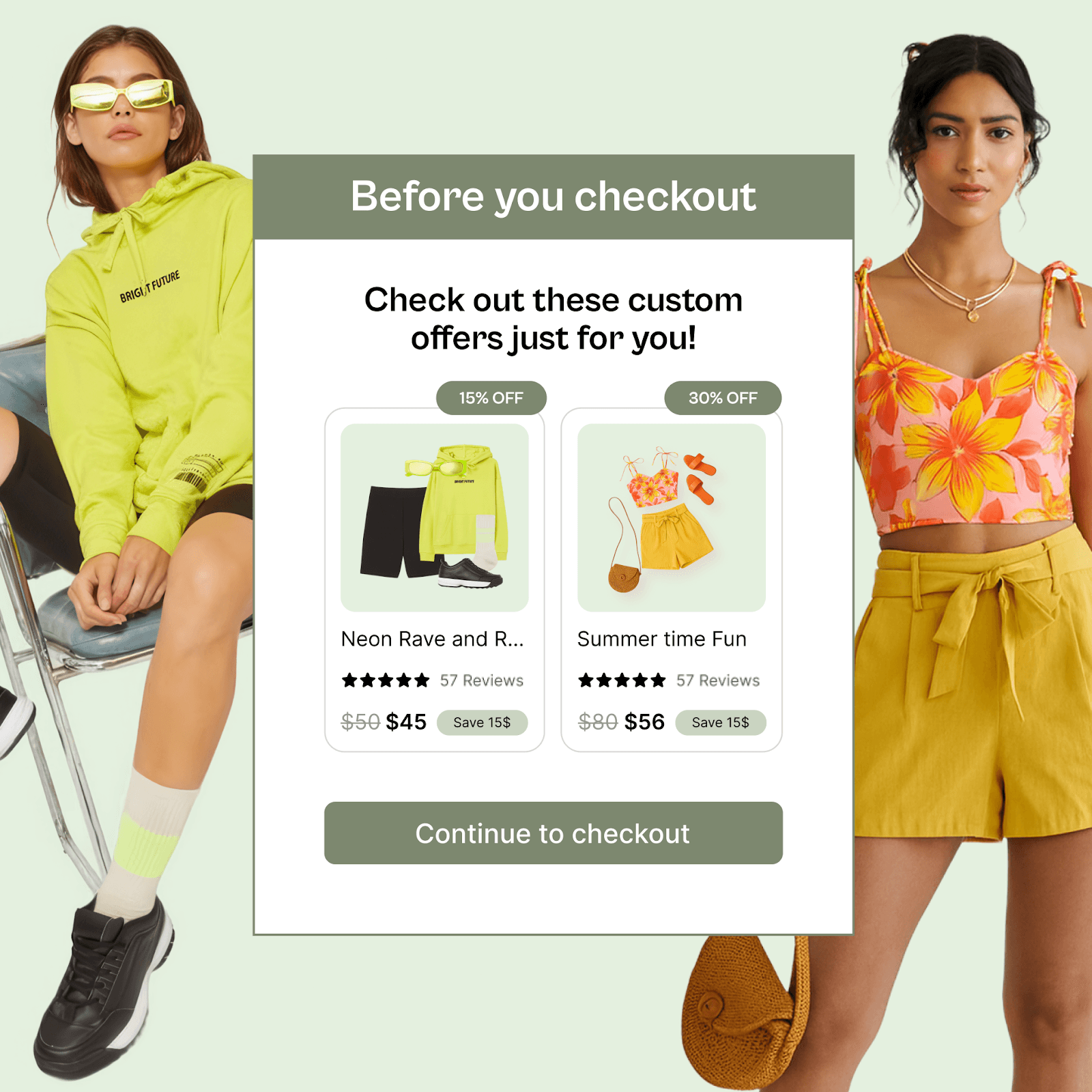
A customer viewing beauty sets on mobile might later receive a desktop banner highlighting restocks or limited-edition kits.
Tip: Prioritize channel consistency over quantity. It’s better to personalize across two aligned channels (e.g., site + email) than blast five channels with mismatched messaging.
4. Contextual Nudges That Drive Gentle Urgency
Context-aware pop-ups, exit-intent overlays, and time-sensitive badges can re-engage distracted shoppers without being intrusive.
The key is subtlety, surfacing reminders when and where they’re most helpful. For instance, showing a shipping deadline banner only when the visitor revisits their cart, or a low-stock badge after repeat product views.
Tip: Use urgency for guidance, not pressure. “Order by midnight for guaranteed delivery” feels helpful; “Don’t miss out now!” feels forced.
5. Omnichannel Identity and First-Party Data Unification
With mobile traffic accounting for most of Black Friday visits in 2024, cross-device consistency is essential. Unified identity systems help brands recognize users whether they’re browsing on a phone, desktop, or in-store, ensuring their cart, preferences, and recommendations follow seamlessly.
Tip: Use progressive profiling, collecting small pieces of zero-party data (like interests or shopping goals) over time to personalize experiences without demanding too much too soon.
The best personalization strategies this Black Friday won’t just push products, they’ll respect attention, reward intent, and build emotional equity. By combining predictive intelligence, real-time personalization, and empathetic messaging, brands can cut through the chaos with experiences that feel genuinely helpful, not hard-selling.
Also Read: What Are Customer Touch Points? {Examples Inc}

How Nudge Helps Brands Personalize Every Black Friday Moment
Black Friday success in 2025 won’t come from slashing prices, it will come from knowing exactly what each shopper wants and when to show it. That level of intelligence and timing is what Nudge delivers.
Built for ecommerce and DTC marketers, Nudge transforms how brands turn seasonal traffic into lasting engagement through real-time, AI-powered personalization, without relying on developers or rigid tools.
Here’s how Nudge helps brands make personalization their strongest discount alternative this Black Friday:
Real-time personalization across the funnel: Nudge personalizes every surface across homepages, PLPs, PDPs, carts, and checkout to match each visitor’s context and intent. Whether a shopper is hunting for gifts or self-shopping, Nudge dynamically updates products, bundles, and offers to fit their behavior and source.
Campaign agility without engineering bottlenecks: Black Friday demands speed. Nudge enables marketers to launch, test, and optimize personalized experiences instantly, no developer support required. Teams can modify layouts, copy, or offers in real time to respond to campaign performance or changing shopper intent.
Contextual nudges that convert browsers into buyers: Nudge intelligently triggers banners, pop-ups, and reminders based on signals like scroll depth, exit intent, and cart value, turning browsing behavior into conversion opportunities. These nudges can showcase limited-time deals or restock alerts, creating urgency without overloading the shopper.
AI that learns from every interaction: Every click, view, and conversion informs Nudge’s personalization engine. The platform continuously refines recommendations and content placement to improve performance throughout the holiday season, not just on launch day.
Unified control for growth and retention teams: From segmentation and testing to audience management, Nudge puts complete control in marketers’ hands. Unified analytics help teams see how personalization impacts both short-term conversions and long-term retention.
With Nudge, personalization is a constant competitive advantage. As shoppers face overwhelming options and limited attention this Black Friday, brands that adapt experiences in real time will convert more traffic, capture higher lifetime value, and spend less chasing the same customers twice.
Book a demo to see how Nudge helps ecommerce brands turn Black Friday traffic into personalized, high-converting journeys built for scale, speed, and long-term growth.
Frequently Asked Questions
1. Which channels perform best for Black Friday promotions?
In 2025, integrated multichannel campaigns consistently outperform single-channel blasts. Email, SMS, and push notifications lead for urgency and ROI, especially for segmented, personalized offers. Social media, especially TikTok and Instagram, excel at driving discovery, leveraging viral content and influencer partnerships for rapid reach. Website banners, app notifications, and geo-targeted mobile campaigns close the loop, engaging both online and in-store shoppers for seamless cross-channel experiences.
2. What is the best marketing strategy for Black Friday in 2025?
The top-performing strategies blend mobile-optimized flash sales, gamified offers (like spin-to-win or mystery discounts), personalized recommendations, and exclusive early access for subscribers and VIPs. Brands are also focusing on immersive experiences with AR/VR, bundling, dynamic urgency cues (like countdown timers), and user-generated content to build hype. Value-driven, limited-edition drops and purpose-led messaging (e.g., charitable tie-ins) further differentiate campaigns amid deep discount noise.
3. How does personalization reduce the overwhelming choice fatigue shoppers face during Black Friday sales?
By tailoring product recommendations and offers to individual preferences and past behavior, personalization simplifies decision-making, helping shoppers quickly find relevant items and reducing cognitive overload common during intense sales periods.
4. Can personalized experiences increase average order value (AOV) more effectively than blanket discounts?
Yes. Personalized bundling and upselling based on customer data and browsing history often lead to higher AOV because they feel more relevant and valuable, unlike generic discounts that may only trigger price sensitivity.
5. How does personalization help brands maintain profit margins during aggressive discounting seasons?
Instead of slashing prices across the board, personalization enables targeted incentives on high-margin or slow-moving products, optimizing discount spend and preserving profitability while still driving conversions.
6. What role does real-time personalization play in capturing spontaneous buying behavior on Black Friday?
Real-time dynamic offers and content that adapt instantly to user activity capitalize on impulse purchases during peak traffic, outperforming static deals that miss these critical moments.
7. How can personalized email and SMS campaigns outperform mass discount blasts during Black Friday?
Targeted messaging based on purchase history and browsing signals yields higher open and conversion rates by resonating more with customers, reducing unsubscribe rates and building brand loyalty.
8. Does personalization foster longer-term customer loyalty during Black Friday, beyond just immediate sales?
Absolutely. Thoughtfully personalized interactions make customers feel recognized and valued, which encourages repeat visits and purchases, turning seasonal shoppers into long-term brand advocates.
9. How can brands use personalization to differentiate themselves in the noise of ubiquitous discounted offers?
By delivering hyper-relevant, context-aware experiences and exclusive early access based on customer insights, brands rise above generic discount clutter and build stronger emotional connections.