Ecommerce Personalization
Web Personalization Strategies That Increase Conversions in 2026
Learn how web personalization enhances customer optimization with strategies, best practices, and examples that increase engagement, AOV, and conversions.

Gaurav Rawat
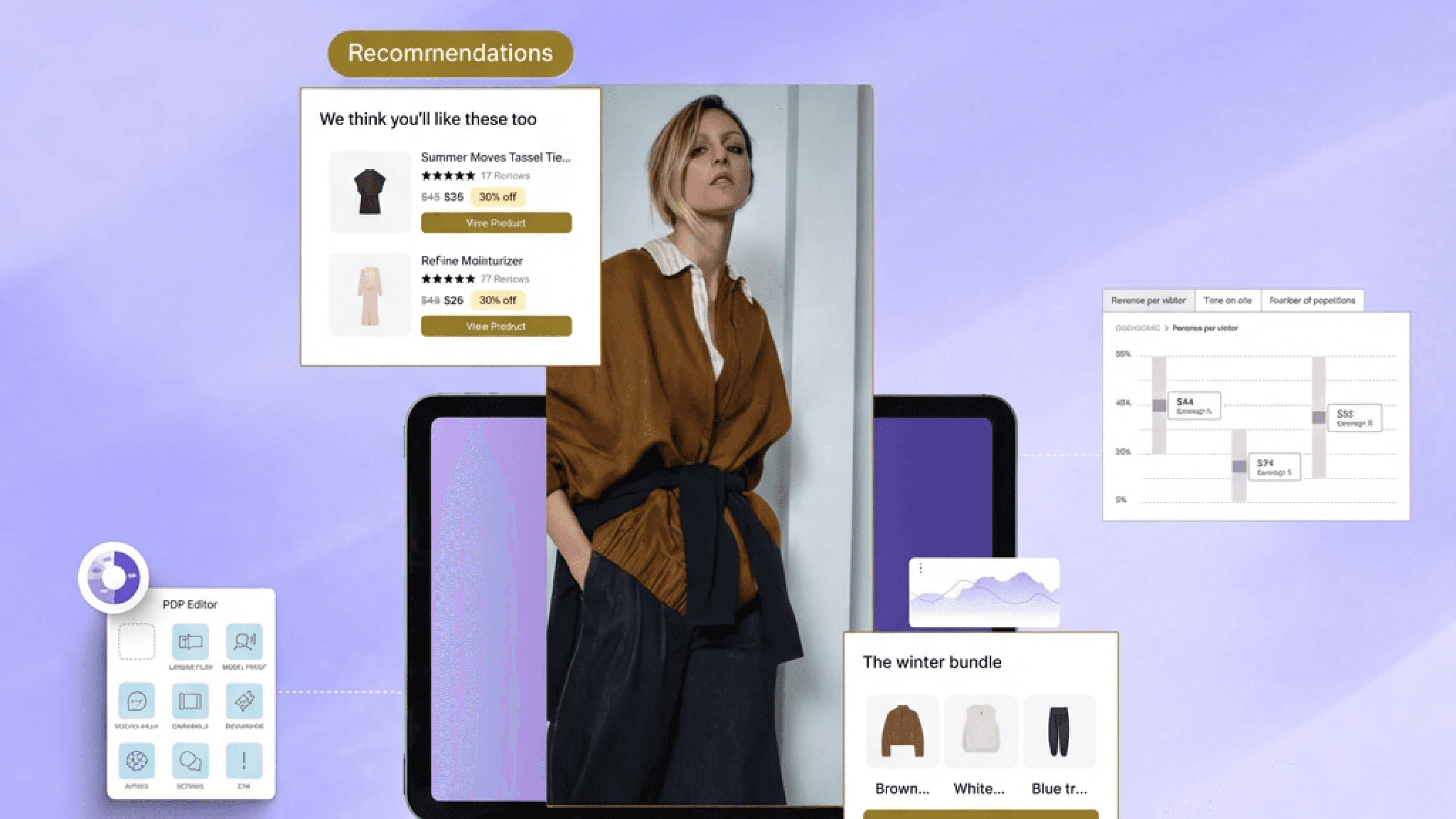





For e-commerce marketers and growth teams, using personalized website experiences is a proven way to keep shoppers engaged, raise AOV, and reduce CAC effectively. According to McKinsey & Company, 71% of consumers now expect brands to deliver personalized interactions, emphasizing that relevance is no longer optional.
This article explores the best web personalization strategies and how they drive business success and provides actionable examples to optimize your website.
Key Takeaways
Personalization improves conversion rates by making the shopping experience more relevant.
Real-time data, like browsing history and location, powers optimized content and offers.
AI helps brands provide highly personalized recommendations to increase AOV and CLV.
Cross-device personalization ensures consistent, relevant experiences across desktop, mobile, and tablet.
Checkout personalization maximizes AOV by offering custom products and discounts based on customer behavior.
What is Website Personalization?
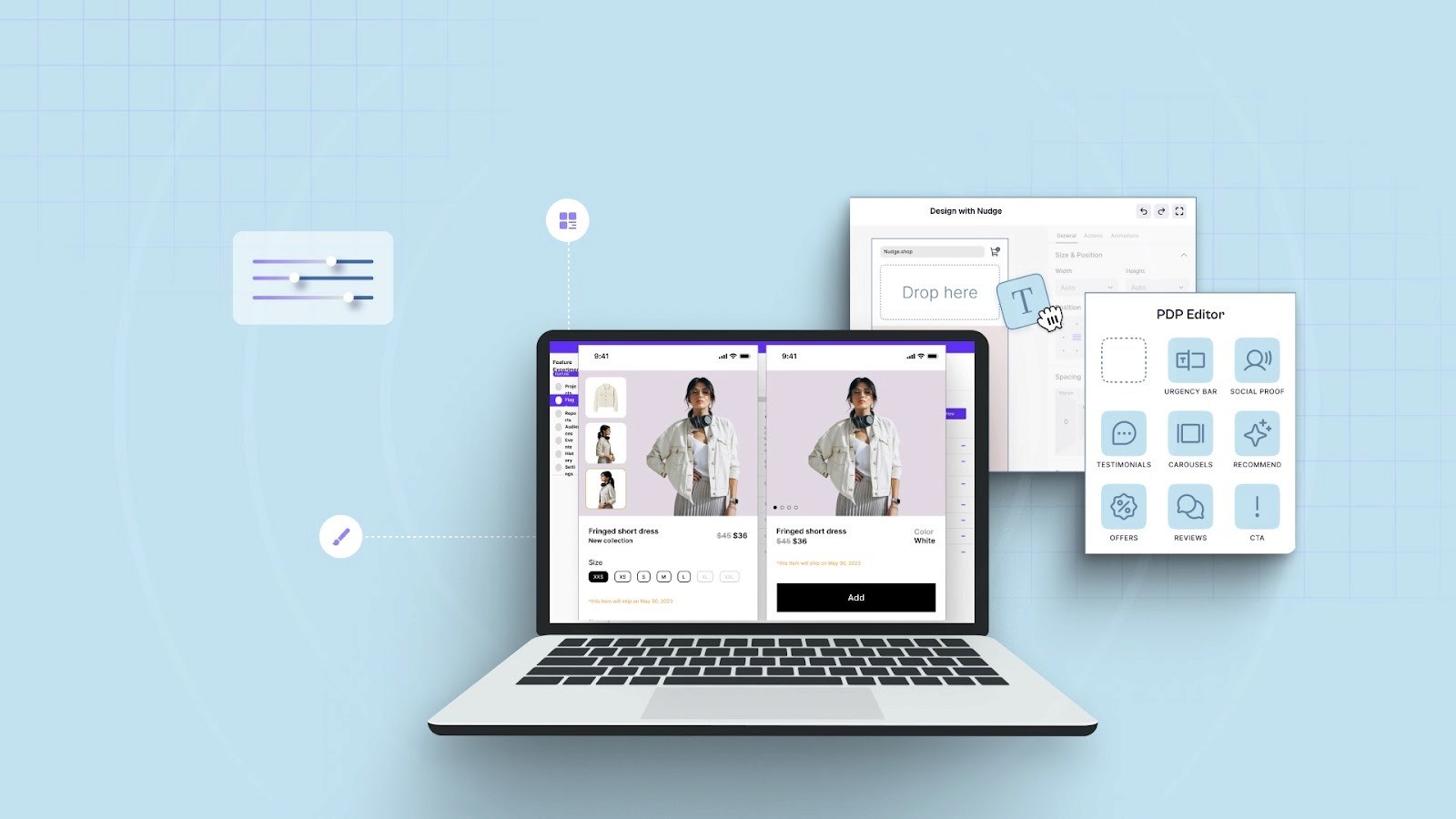
Website personalization adjusts the online shopping experience based on a user’s behavior, preferences, and past interactions with a brand. For UX specialists and growth teams at high-growth e-commerce brands, personalized websites are essential for creating a seamless, relevant experience that resonates with each individual customer. Instead of delivering static, one-size-fits-all content, personalized sites adapt in real-time to each shopper’s unique characteristics, increasing engagement and ultimately CLV.
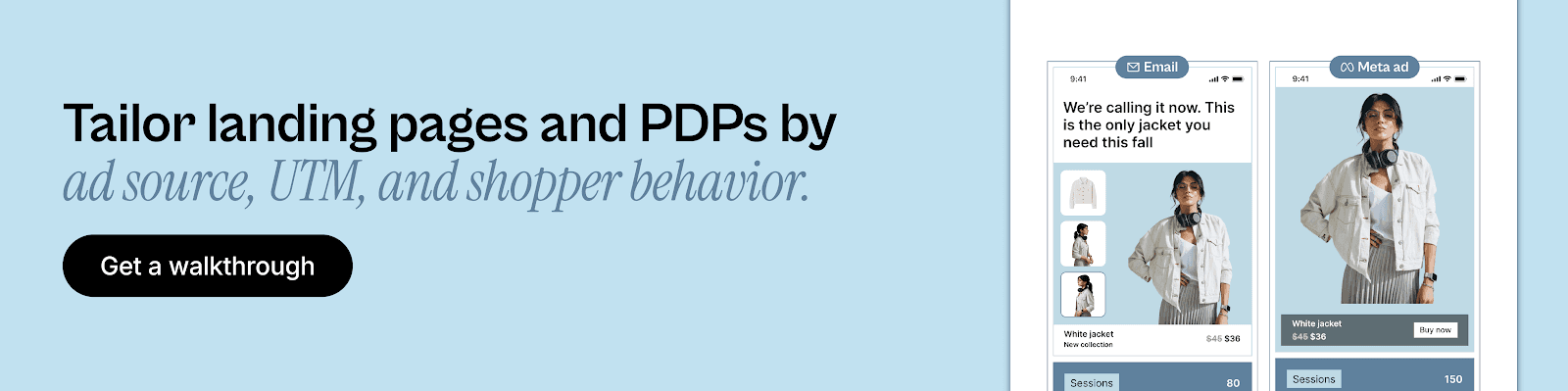
When it comes to website personalization, Nudge’s funnel personalization adjusts product recommendations and messaging based on real-time behavior; you can guide customers smoothly from awareness to conversion, maximizing AOV and reducing friction. This makes it easier for UX specialists and growth teams to create seamless, high-converting experiences.

Now, let’s explore why personalization is becoming increasingly important in 2026.
Why is Website Personalization Important for Ecommerce Brands in 2026?
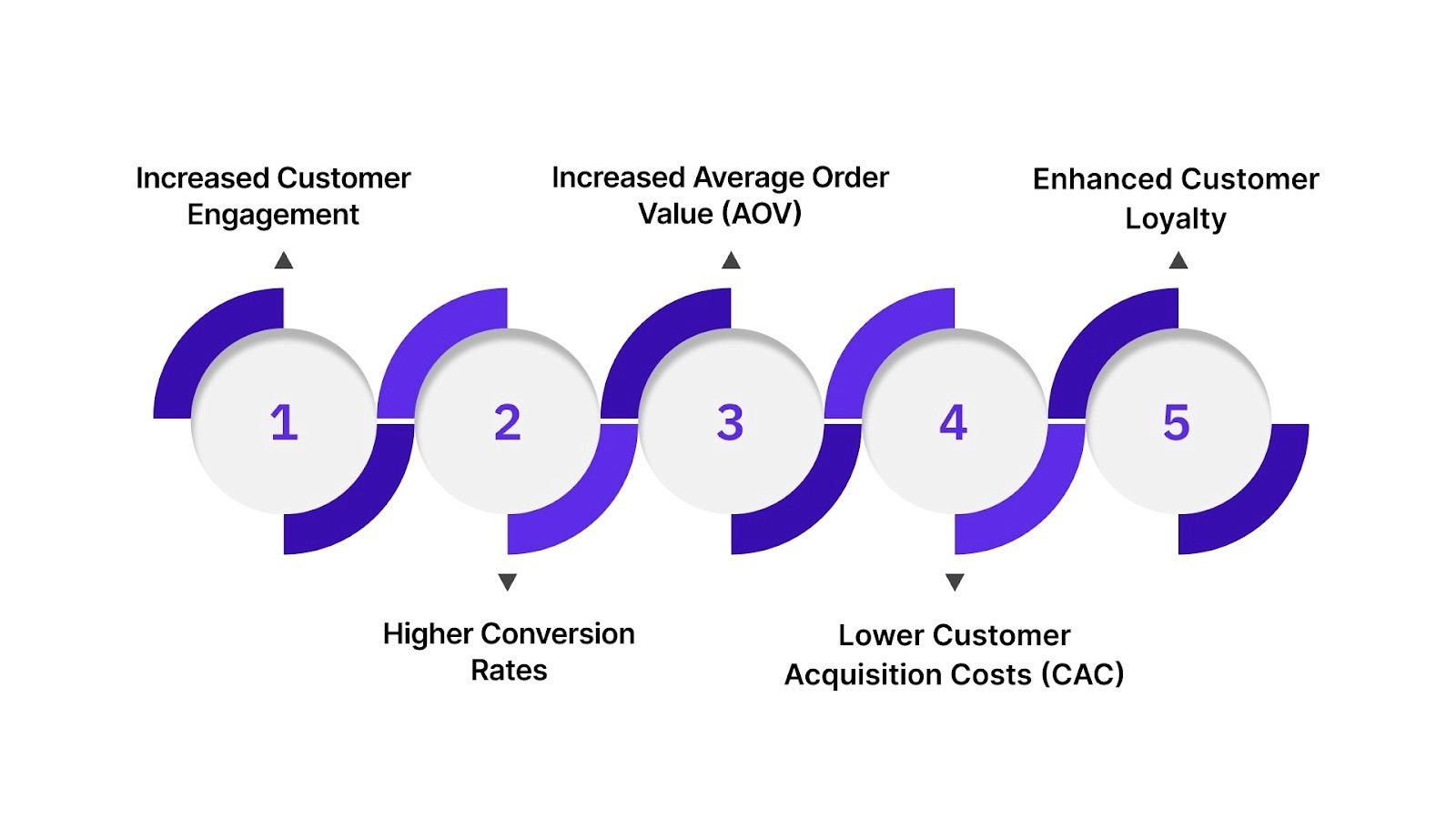
Personalization is becoming critical as customer expectations change, and e-commerce brands are feeling the pressure to offer highly customized experiences. Here’s why it matters:
Increased Customer Engagement: Personalization enhances the customer journey, keeping them engaged with relevant content and offers, increasing time on site and overall satisfaction.
Higher Conversion Rates: Personalized experiences directly impact conversion rates by offering the right product recommendations, targeted CTAs, and content that meets shopper intent.
Increased Average Order Value (AOV): By showing customers relevant upsell and cross-sell options based on their past behavior, brands can drive larger purchases.
Lower Customer Acquisition Costs (CAC): Personalization improves retention and repeat purchases, helping brands reduce the reliance on paid acquisition channels.
Enhanced Customer Loyalty: By delivering experiences that feel personalized, brands can create deeper emotional connections, leading to long-term customer loyalty and higher CLV.
Also Read: Top 10 Website Personalization Tools for 2025
To understand how personalization impacts businesses, let’s explore the key benefits it offers.
5 Benefits of Website Personalization in Ecommerce
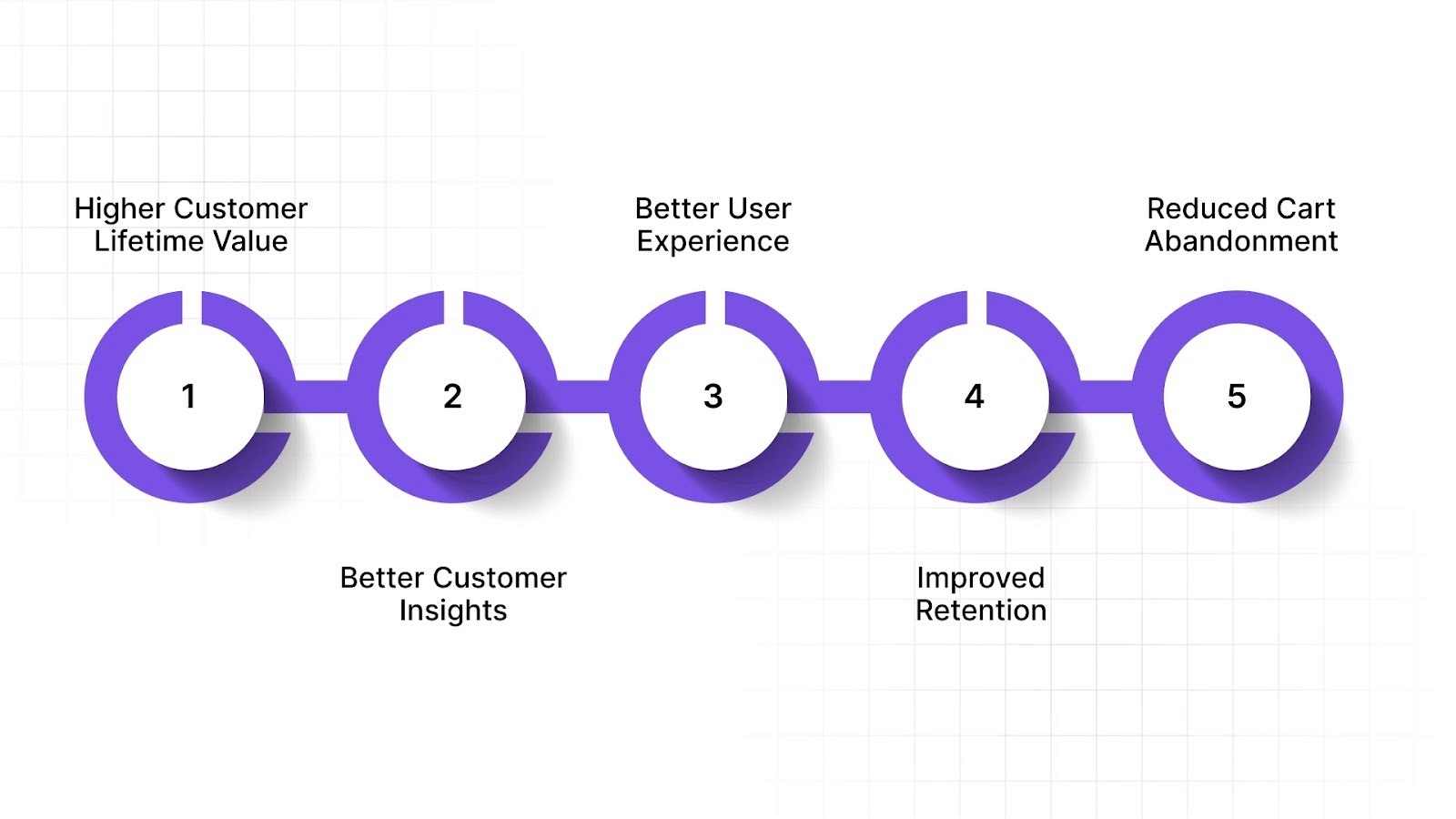
Website personalization drives business success by addressing both immediate customer needs and long-term brand goals. Here's how:
Higher Customer Lifetime Value (CLV): Personalizing the shopping experience increases repeat purchases and engagement, which ultimately raises CLV over time.
Better Customer Insights: Personalization allows brands to gather valuable data about shopper preferences and behaviors, providing deeper insights that can optimize future marketing and product strategies.
Better User Experience: Personalization helps create a seamless experience that feels intuitive and relevant to the user, improving customer satisfaction.
Improved Retention: By offering a unique experience that aligns with customers' needs, brands can reduce churn and keep customers coming back.
Reduced Cart Abandonment: Personalized offers and content on the checkout page help reduce cart abandonment, guiding customers to complete their purchases with relevant incentives and recommendations.
Also Read: Top 10 Practices for Dynamic Landing Pages in 2025 with Examples
But despite these benefits, there are common challenges that brands face in website personalization.
3 Key Components of Web Personalization in Ecommerce
Successful website personalization relies on three essential components that form the foundation of a personalized shopping experience:
Unified Dataset: To deliver a seamless personalized experience, you need a centralized data platform that integrates customer data from multiple sources, like browsing history, purchase behavior, and location, to ensure personalized content is based on complete, real-time information.
Open Architecture: Having an open architecture allows you to integrate multiple personalization tools and data sources without creating silos. This ensures that personalization strategies can change quickly, driven by customer insights.
Decision Logic: Decision logic refers to the algorithms used to make real-time decisions about what content or product to display. Using AI and machine learning, brands can adapt content in real-time based on user intent, ensuring highly relevant personalization.
With 1-1 personalization, Nudge customizes the shopping experience to each individual shopper using behavioral insights. This personalized approach ensures your growth team delivers the right content and product recommendations at the perfect moment, driving higher CLV and building stronger customer relationships. It's the key to keeping your customers engaged and coming back for more.
Now that we understand the components, let’s clarify the difference between personalization and customization.
Personalization vs. Customization: What’s the Difference?
As a marketer or UX specialist, understanding the distinction between personalization and customization is crucial for optimizing your website experience. Let’s break down the key differences and how each approach impacts customer engagement.
Aspect | Personalization | Customization |
Definition | Adapting website content based on user data and behavior. | Allowing the user to modify content to their preference. |
Control | Controlled by the website/app based on user behavior. | Controlled by the user who chooses their experience. |
User Input | Minimal input from users (relies on behavioral data). | Requires active input from users (e.g., choosing themes). |
Goal | Create targeted content for each user for higher engagement and sales. | Allow users to create their preferred experience. |
Also Read: Top 10 Website Optimization Software Tools
Next, let’s explore some of the best website personalization strategies that can improve your business’s performance.
7 Ecommerce Website Personalization Strategies You Should Know
To successfully maximize customer lifetime value (CLV) and improve conversion rates, high-growth e-commerce brands need to implement a mix of personalization strategies. Here are seven key strategies to keep in mind:
1. Anticipate Customer Intent with AI-Powered Predictions
AI uses past behavior and purchase history to predict future actions, allowing brands to offer personalized recommendations that match shoppers' current and future intent.
Example:
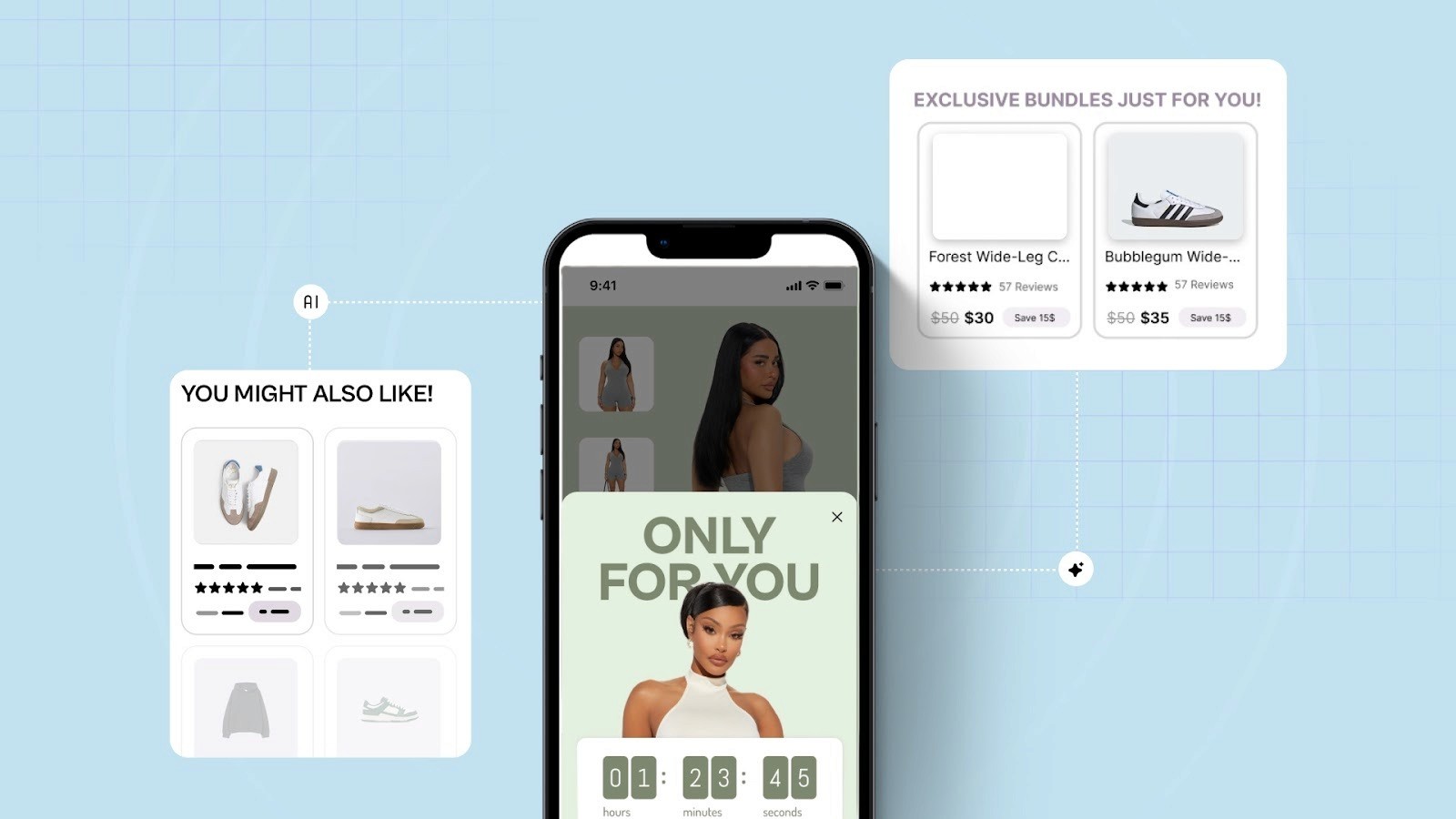
AI predicts that a shopper who recently bought a jacket might need boots or scarves, showing relevant products to increase AOV and drive sales.
2. Optimize and Test Web Experiences Without Flickering
Test personalized content quickly without disrupting the user experience. Real-time testing ensures experiences are optimized across devices, improving engagement and conversion rates without any flickering or lag.
Example:
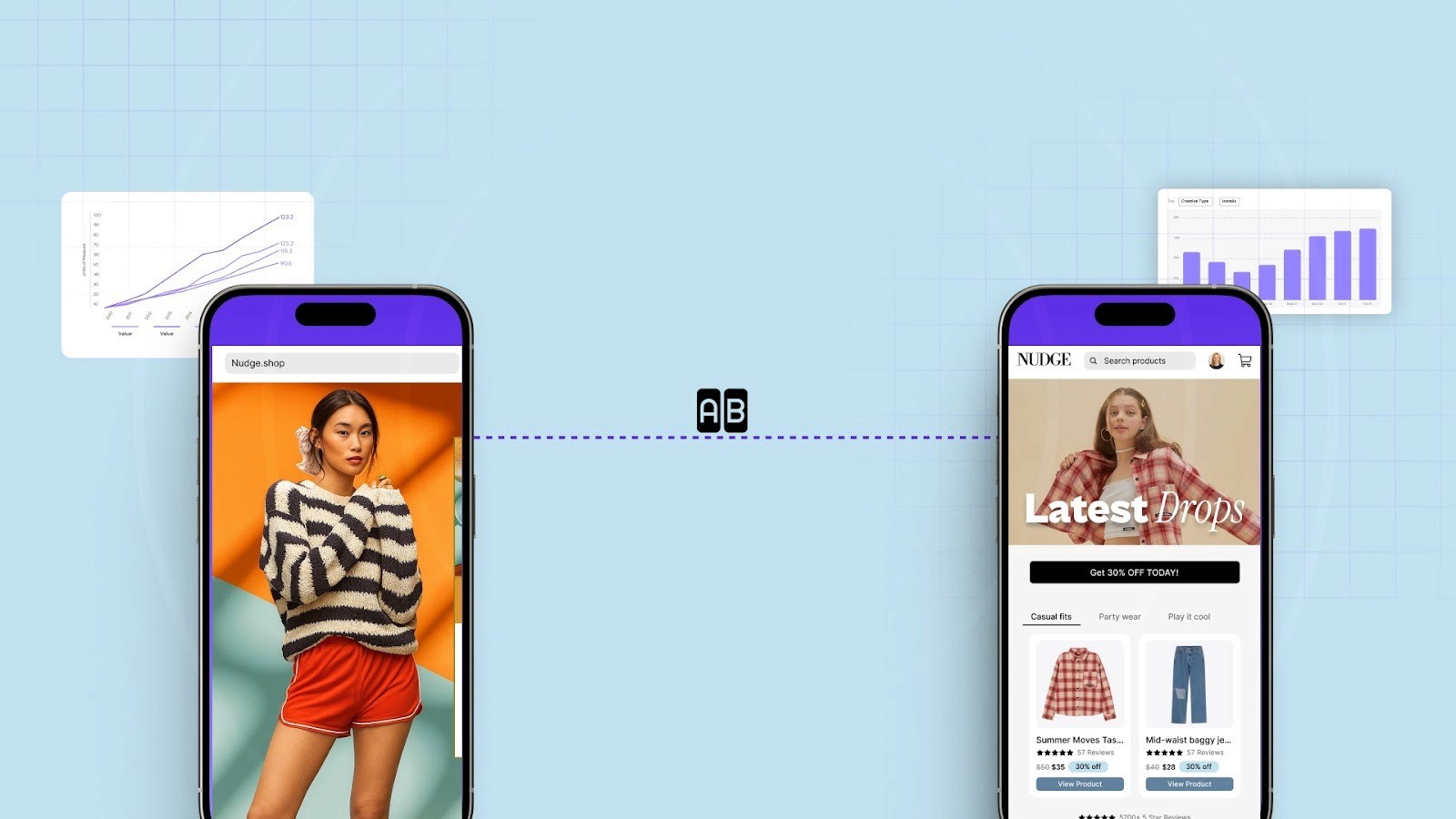
Real-time A/B testing can test personalized CTAs or hero images based on location, ensuring smooth content delivery across devices, increasing engagement, and improving conversion rates.
3. Utilize Dynamic Content
Dynamic content, such as hero banners, CTAs, and product displays, should change based on user behavior, location, and shopping history. This creates relevant experiences that resonate with the visitor and drive higher AOV.
Example: A fashion retailer changes hero banners and product recommendations based on user behavior, showing relevant items based on the shopper’s previous views or purchases.
4. Customized Recommendations Based on Real-Time Behavior
Real-time recommendations adapt to the shopper’s journey by suggesting products based on current browsing behavior or previous purchases. This increases engagement and CLV by ensuring shoppers see products that are most relevant to them.
Example:
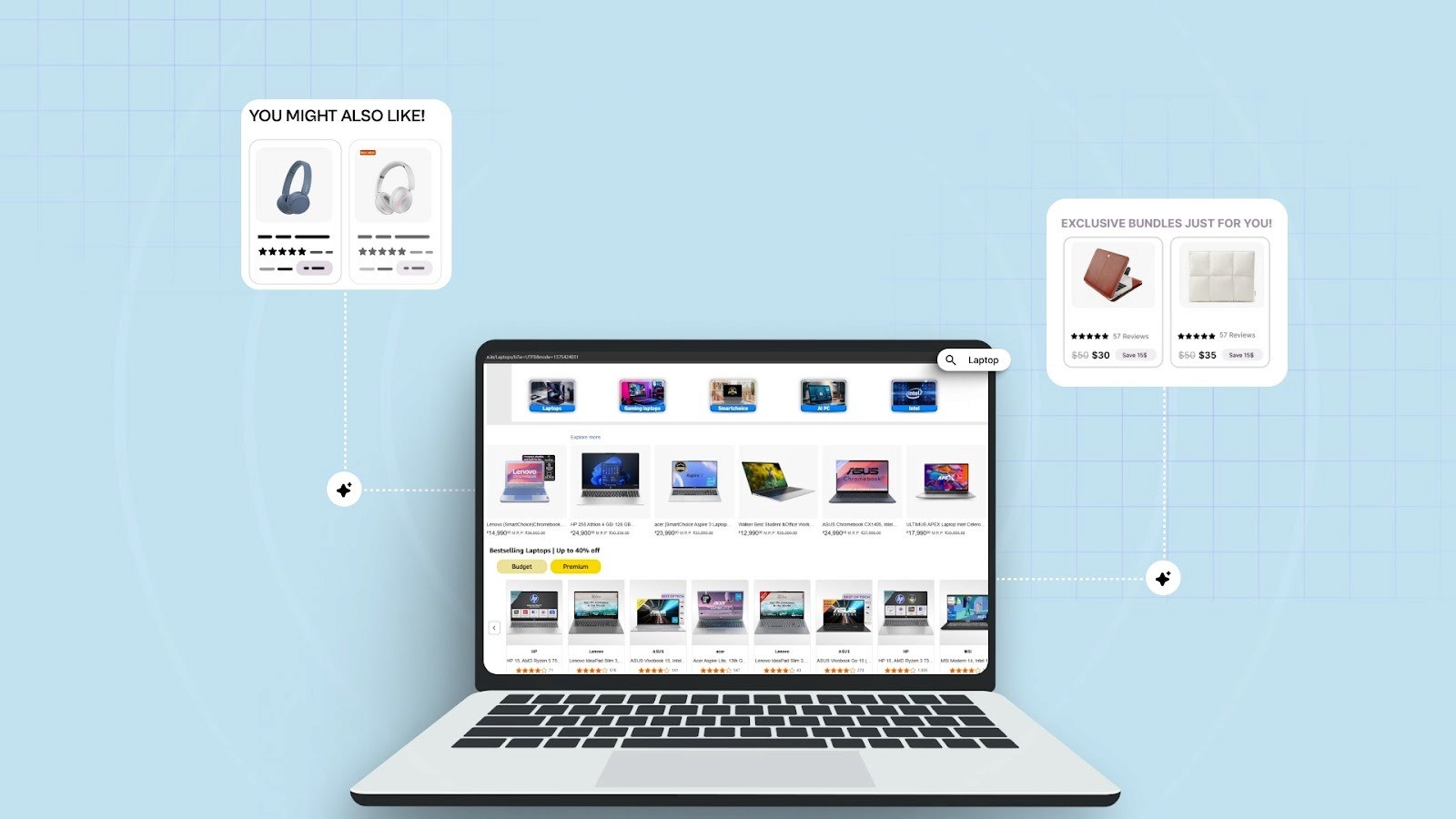
A user browsing laptops could be shown accessories like cases or headphones on the product detail page. Personalized recommendations drive engagement and improve CLV.
5. Use Zero-Party Data Capture
Collect zero-party data (information explicitly provided by customers, like preferences or feedback) to craft more personalized experiences. This data helps brands deliver highly relevant content, improving engagement and enhancing the customer journey without relying on guesswork.
Example: A shopper filling out a survey about style preferences can receive specific recommendations for clothing and accessories, improving the shopping experience.
6. Increase AOV at Checkout
Personalize the checkout experience by offering upsells, cross-sells, and bundle deals suited to the customer’s previous purchases and browsing history. By presenting relevant options at the right time, you can significantly improve AOV and drive higher-value purchases.
Example:
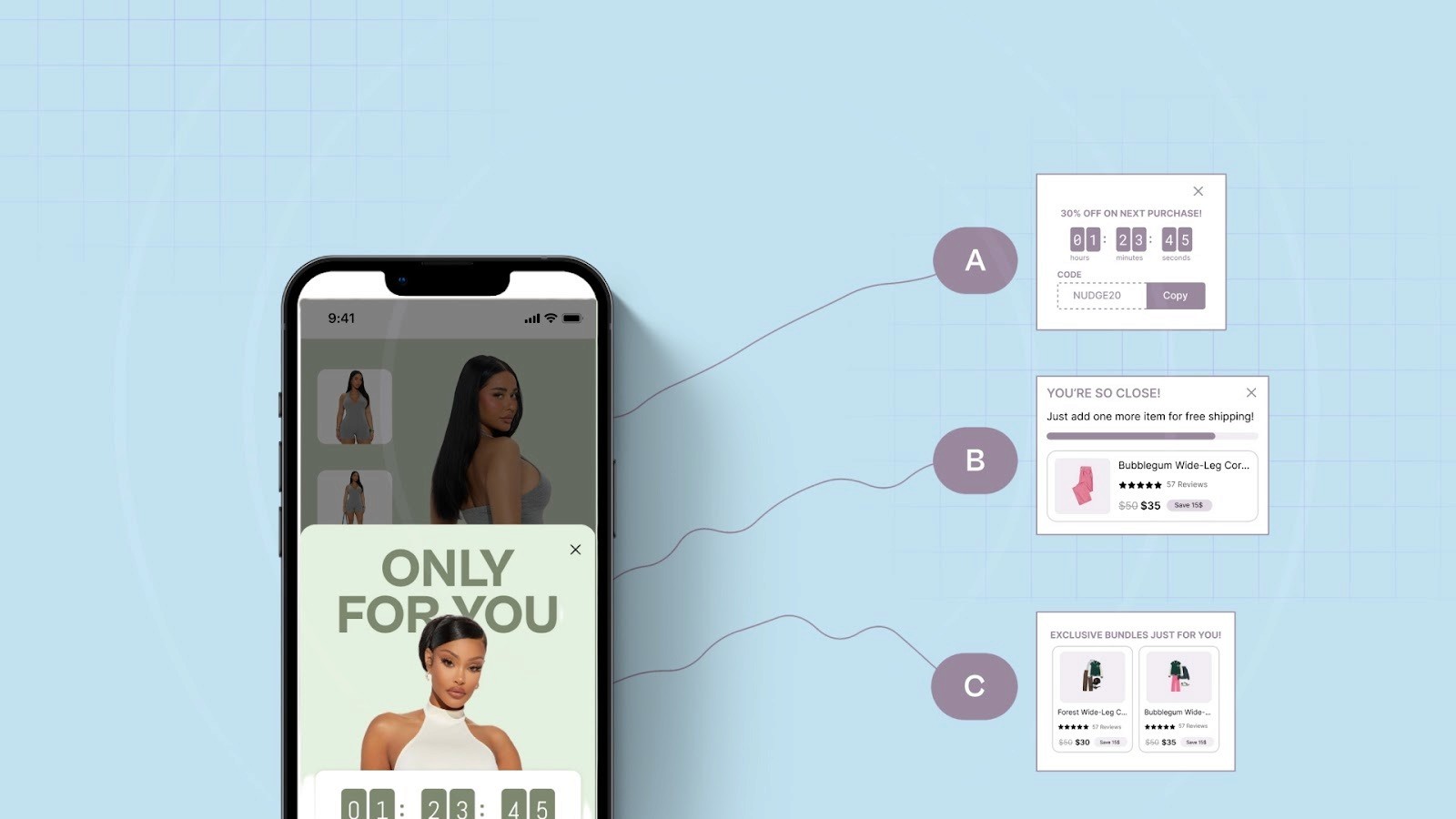
At checkout, display a relevant bundle offer for items in the cart, such as shoes with socks, based on purchase history and browsing behavior, encouraging larger purchases.
7. Go Beyond A/B Testing
Instead of just running A/B tests, implement multivariate testing to explore multiple personalization options simultaneously. This allows you to optimize for higher engagement and identify which personalization strategies work best for your audience.
Example: Instead of testing one variation, use multivariate testing to experiment with personalized CTAs, colors, and offer combinations, ensuring the most effective version for engagement and conversion.
8. Increase Web Conversions
Focus on real-time personalization to make every aspect of the shopper’s journey relevant. Use engaging content, personalized offers, and unique product recommendations to guide visitors seamlessly through the conversion funnel, ultimately improving conversion rates.
Example: Show discounts or upsell offers based on a shopper’s location or browsing behavior, guiding them through the checkout process and increasing conversion rates.
9. Personalize Based on History
Draw on historical data to create custom experiences for returning visitors. By showing them products related to past purchases or browsing history, you can increase AOV, improve CLV, and make the user experience feel more personalized and intuitive.
Example:
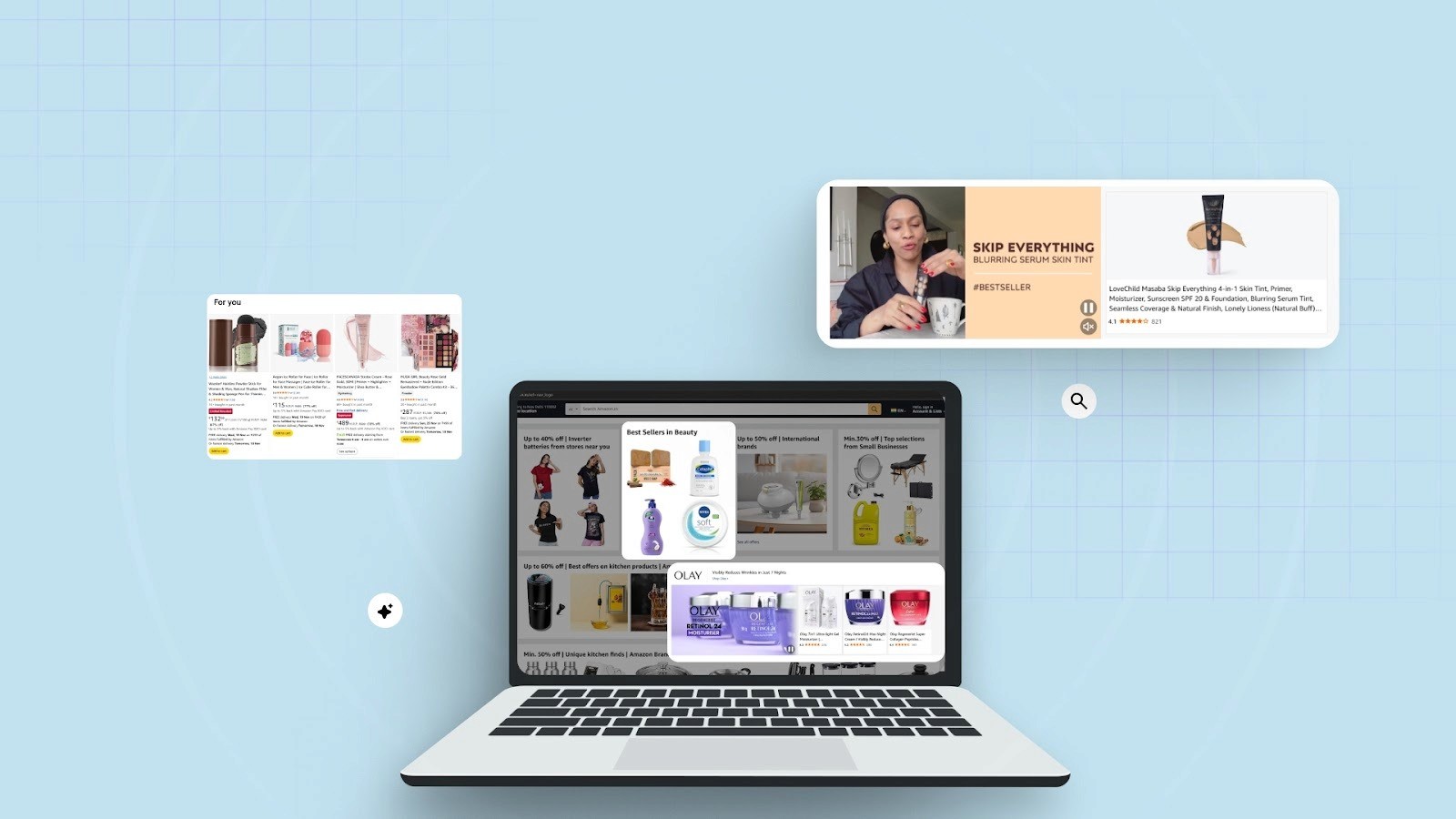
If a user has previously bought beauty products, personalize the homepage with related products or complementary items, like makeup brushes, improving CLV and encouraging repeat purchases.
Also Read: Top 5 Examples of High Converting Websites in 2025
Now, let’s take a closer look at the types of data used for web personalization.
Types of Data Used for Web Personalization in Ecommerce
To create effective web personalization strategies, growth teams and retention marketers must rely on various types of data. Here’s a closer look at the types of data that power personalized shopping experiences and drive higher conversions.
Audience Condition | Description |
Location | Personalize content based on a shopper’s location for relevant offers. |
Technology | Customize experiences based on the device or browser the shopper is using. |
Traffic Sources | Use traffic source data to personalize landing pages or offers. |
3rd Party Data | Integrate third-party data to provide richer, more relevant personalization. |
Behavior | Adapt content and recommendations based on past behavior (browsing, purchases). |
Explicit Data | Gather explicit data such as user-provided preferences or survey responses. |
Time | Personalize offers based on the time of day, season, or specific events. |
Current Page | Adapt offers or content based on the current page the user is viewing. |
Also Read: How to Create Personalized Landing Pages for Increased Engagement in 2025?
Now, let’s look at the different types of website personalization you can implement to enhance your customer experience.
Types of Website Personalization in Ecommerce
When it comes to website personalization, there are several powerful approaches that can enhance user engagement. Let’s explore the different types of personalized experiences and their real-world applications for e-commerce brands.
Experience Type | Use Case |
Innovative Content | - Replace static hero banners with adaptive content variations based on user behavior like browsing history or time spent on site. - Personalize CTAs to reflect a user’s preferences or current stage in the buying journey. - Adapt content in real-time based on visitor context, such as seasonal promotions or trending products. |
Recommendations | - Show personalized product suggestions based on customer data, such as previous purchases or browsing history, to drive engagement and AOV. - Personalize upsell and cross-sell recommendations at various stages, like cart pages or checkout, according to the user’s interests. - Use AI to deliver real-time suggestions that align with customer intent and behavior. |
Overlays & Popups | - Display personalized offers through large pop-ups that are triggered by specific behaviors, like exit intent or time spent on a page. - Use exit-intent popups to present discounts or relevant product suggestions, improving conversion rates. - Create seasonal overlays that highlight relevant offers based on location or time of year. |
Notifications | - Use subtle, unobtrusive notifications like floating bars or slide-ins to inform users about new product arrivals or limited-time offers. - Personalize in-app notifications to alert users about price drops, special discounts, or related products they may be interested in. - Trigger behavioral notifications based on time on page or actions taken, encouraging further interaction with the site. |
Messaging | - Craft promotional messages based on the shopper’s location, interests, or previous browsing behavior, ensuring they feel personally relevant. - Use urgency-based messages like "limited-time offers" or "last items in stock" to drive action and increase conversion rates. - Customize CTAs and promotional copy based on real-time shopper data, increasing engagement. |
Landing Page | - Personalize landing pages based on visitor segments such as source, location, or referring ad campaigns, creating a more relevant user experience. - Adapt visual elements, like images and offers, on landing pages to match user intent and search behavior. - Personalize headlines and CTA buttons to speak directly to the visitor’s needs and interests. |
Menu Personalization | - Reorganize navigation bars based on user behavior, highlighting preferred categories or products. - Offer filtering options on the menu, allowing shoppers to browse according to their interests or past behavior. - Adjust menu items based on location, showing region-specific products or services to increase engagement. |
Search Personalization | - Modify search results based on a user’s browsing history, purchase intent, and location, showing the most relevant products. - Use AI-driven search that adapts to real-time user behavior and trends. - Personalize search suggestions and auto-completions based on user interactions and preferences. |
Also Read: Guide to Personalization at Scale in 2025: Challenges and Best Practices
Next, let’s look at some examples of e-commerce website personalization.
5 Real-World Examples of Ecommerce Website Personalization
Here are 3 real-world examples from leading e-commerce brands using web personalization to increase CLV, user engagement, and drive higher conversions.
1. Very
Very, a UK-based retailer, uses local weather data to recommend products based on location, showing coats in cold regions and summerwear in warmer areas. This personalization maximizes conversion rates and reduces bounce rates, aligning with customer preferences.
2. Ruggable
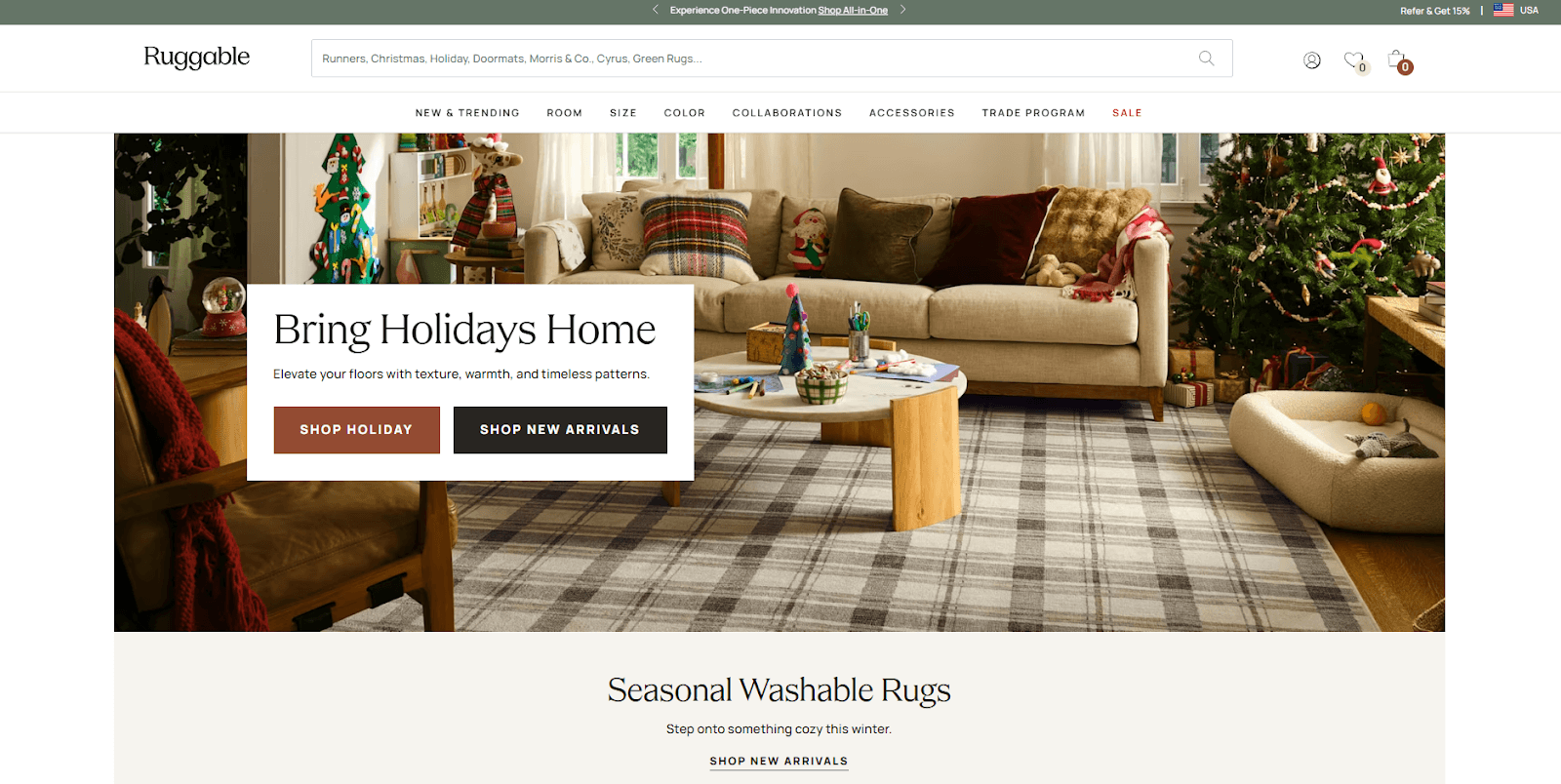
Ruggable, specializing in washable rugs, uses a “Rug Quiz” to capture first-party data and offer personalized product matches. With AR functionality, shoppers can visualize rugs in their homes, reducing uncertainty and improving conversion rates.
3. Ascent Footwear
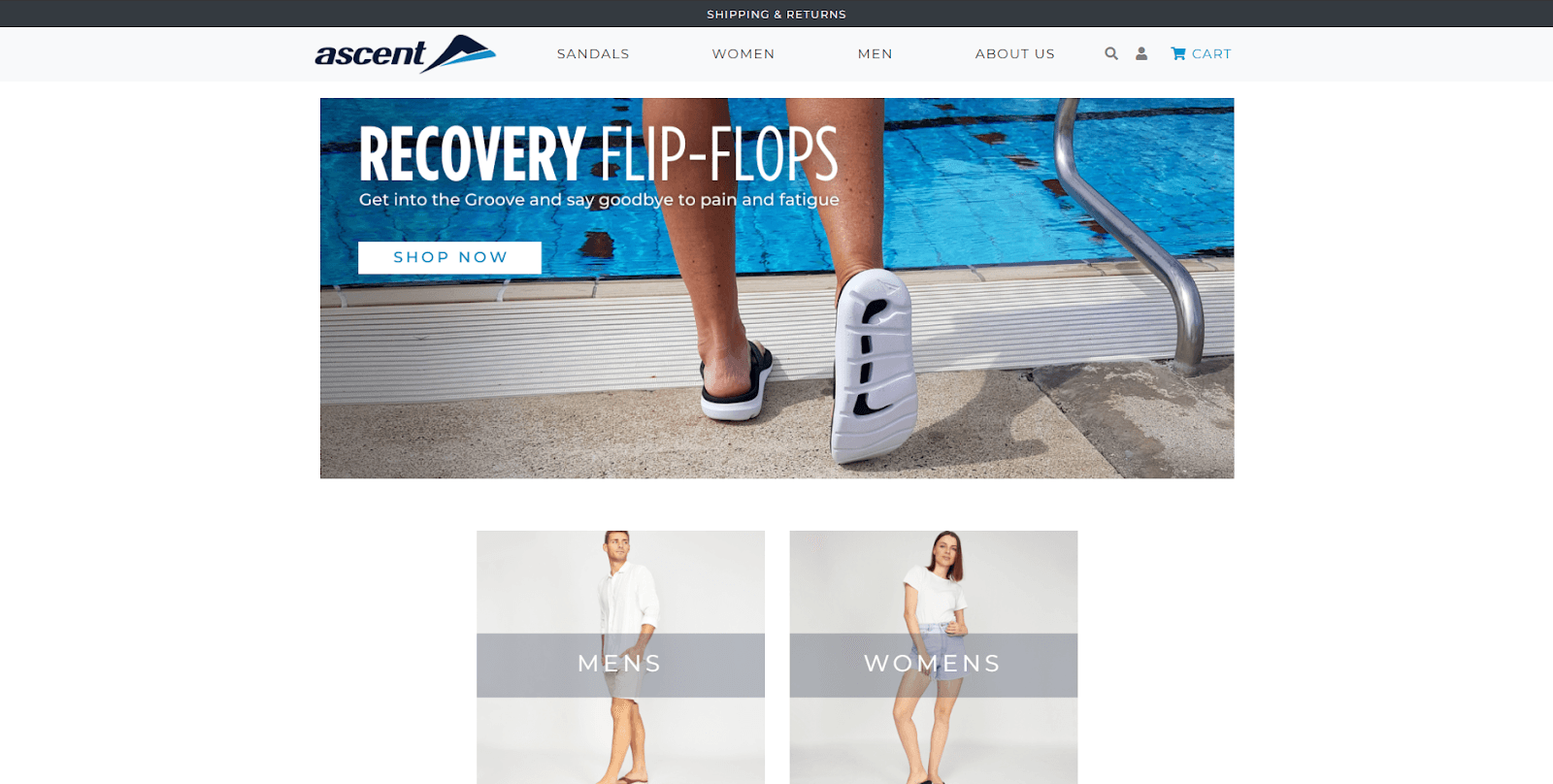
Ascent Footwear personalizes the homepage with location-based product suggestions and offers bundling options for complementary products. This strategy increases AOV by recommending relevant add-ons and aligns with user behavior, driving higher retention.
4. BoxyCharm
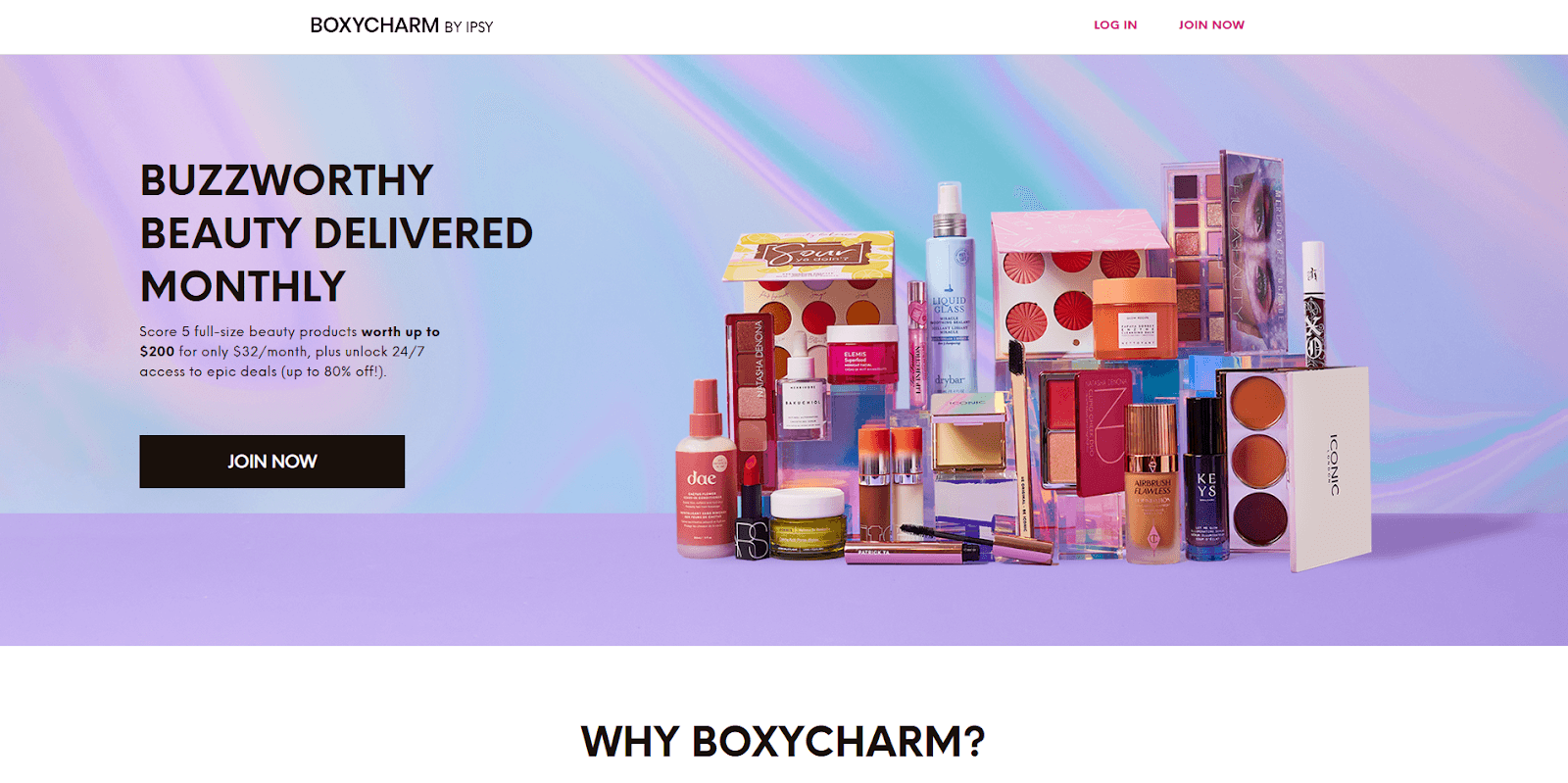
BoxyCharm, a beauty subscription service, adapts its landing page to individual preferences, showing personalized product recommendations. This approach improves repeat purchases and reduces churn, improving CLV and creating long-term relationships.
5. The Savile Row Company
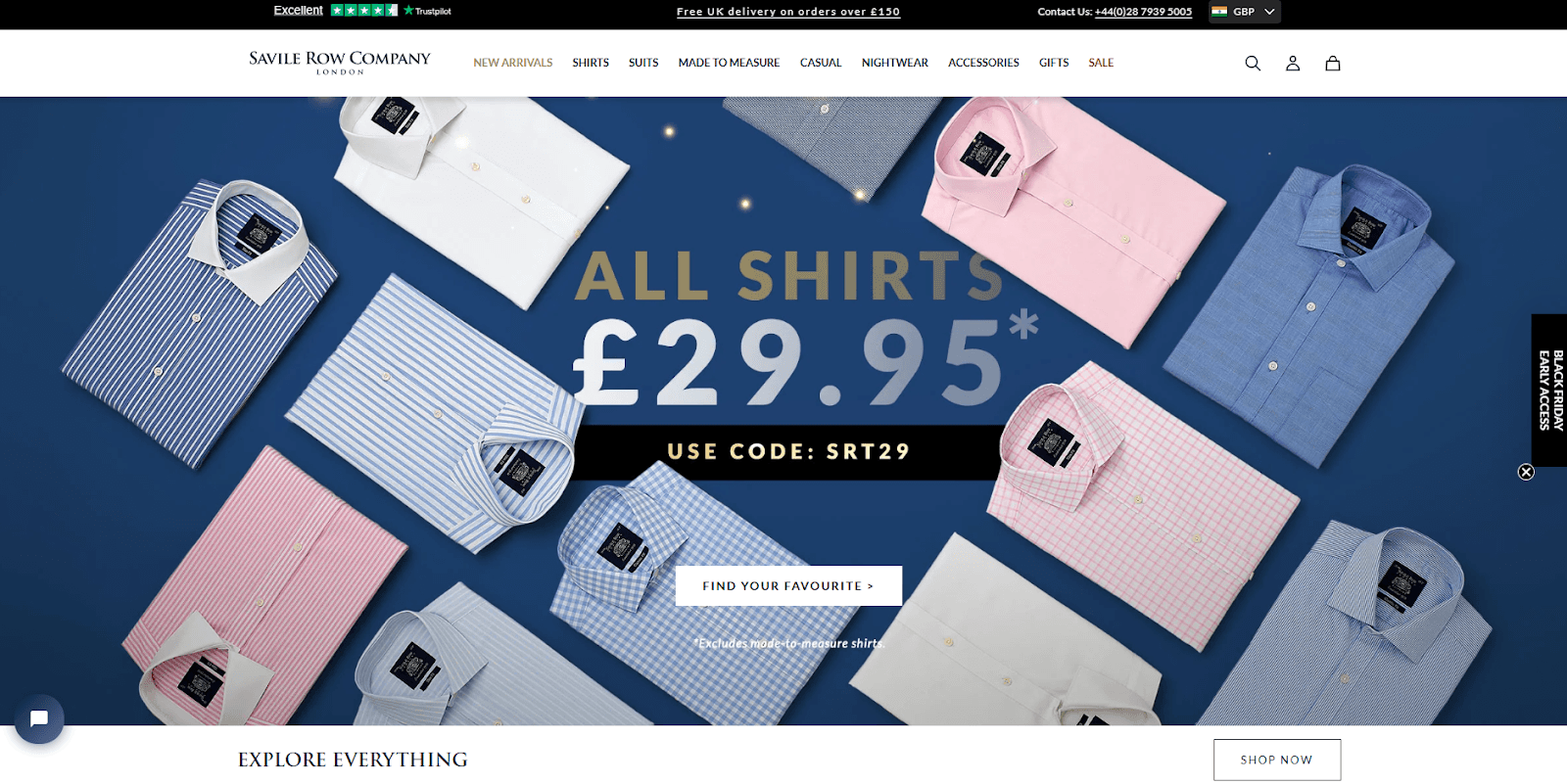
The Savile Row Company, a luxury menswear brand, personalizes its homepage with product recommendations based on ad source and user behavior. This improves conversion rates by offering relevant content that resonates with each visitor’s past activity.
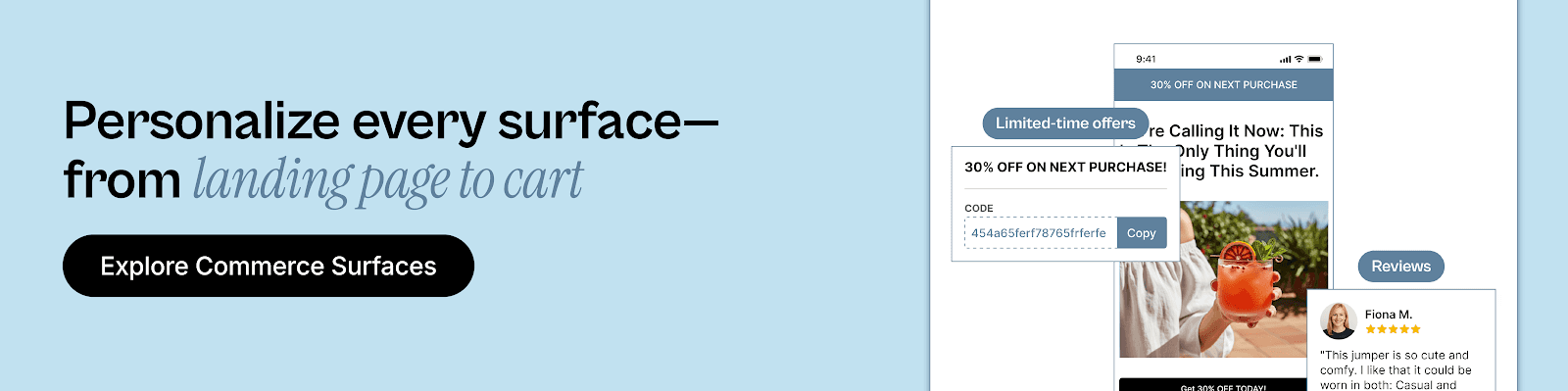
As you refine your website personalization strategy, Nudge's AI-powered Commerce Surfaces help you personalize every step of the customer journey, from landing pages to PDPs. With continuous AI experimentation, you can optimize content and offers in real-time to drive higher conversions and AOV, giving your growth team the tools to improve engagement with minimal effort.
Next, let’s explore the common challenges ecommerce brands face when implementing website personalization.
5 Common Challenges in Ecommerce Website Personalization
While website personalization offers significant benefits, there are some common challenges e-commerce brands face in its implementation:
Data Integration Issues: Integrating multiple data sources (like CRM, analytics, and third-party platforms) can be complex, leading to inconsistent personalization.
Solution: Implement a unified data platform to centralize data and ensure consistency across touchpoints.
Privacy and Compliance Concerns: Collecting and using customer data can raise privacy concerns, especially with stricter regulations like GDPR.
Solution: Ensure data compliance by using transparent consent processes and offering customers control over their data.
Maintaining Personalization Quality at Scale: As brands grow, managing personalization across multiple channels and devices becomes difficult.
Solution: Utilize AI and machine learning to automate and scale personalization efforts efficiently.
Inconsistent Experiences Across Devices: Personalization must be seamless across devices, but it's challenging to deliver consistent experiences on mobile, tablet, and desktop.
Solution: Focus on responsive design and test experiences across all platforms to ensure consistency.
Personalization Fatigue: Over-personalizing the experience can overwhelm users, leading to disengagement.
Solution: Keep personalization subtle and data-driven, ensuring it adds value without being intrusive.
Also Read: Personalize Your Homepage Essential Tools and Tips
Now, let’s look at some best practices for implementing website personalization effectively.
5 Best Practices for Website Personalization
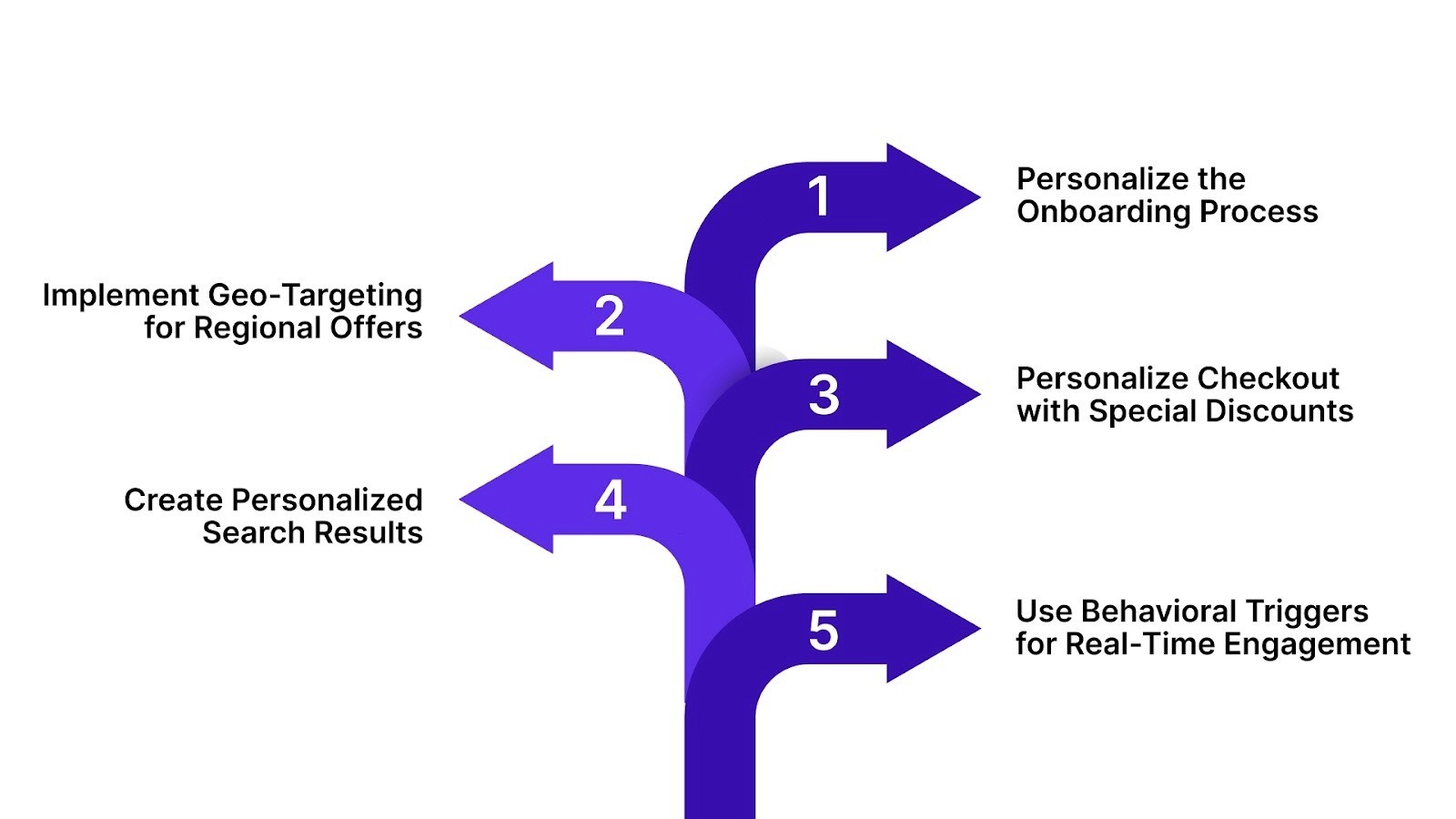
Here are five best practices with actionable tips that will help growth teams, marketers, and UX specialists create high-converting shopping experiences.
1. Personalize the Onboarding Process
Customize the onboarding experience by asking for zero-party data (preferences, interests) early on. This allows you to personalize the entire shopping experience from the start.
Pro Tip: Offer guided quizzes or preference surveys at the beginning of the user’s journey to create hyper-relevant recommendations immediately.
2. Implement Geo-Targeting for Regional Offers
Use location-based personalization to show region-specific products, prices, and shipping options based on the shopper’s geographical location.
Pro Tip: Adjust currency, language, and shipping timelines to match local preferences, ensuring a more localized and engaging experience.
3. Personalize Checkout with Special Discounts
Personalize the checkout page with exclusive discounts or free shipping offers based on the items in the cart and the customer’s purchase history.
Pro Tip: Implement a progressive discount system that offers better incentives as the cart value increases, encouraging shoppers to complete their purchase.
4. Create Personalized Search Results
Personalize search results based on user behavior and preferences. If a user frequently buys eco-friendly products, prioritize showing green products in their search results.
Pro Tip: Use AI-powered search to automatically reorder results based on user intent, location, or seasonality to improve relevance.
5. Implement Behavioral Triggers for Real-Time Engagement
Set up real-time engagement triggers such as exit-intent popups or scroll-based offers to catch visitors who show signs of leaving without converting.
Pro Tip: Integrate urgency messages like “Hurry, only 2 left!” to encourage quick decisions, particularly when there’s a time-sensitive offer.
Also Read: Product Detail Page: Best Practices and Examples
Now, let’s discuss how Nudge can help amp up your website’s personalization efforts.
Amp Up Your Website’s Impact with Nudge’s Personalization Solutions
Nudge helps you create AI-driven website personalization across your entire site, from landing pages to checkout, all without needing developer resources. If you're a growth team, a retention marketer, or a UX specialist, Nudge makes it simple to deliver real-time personalization at every step of the shopper journey.
Here’s how Nudge can supercharge your website personalization strategy:
Commerce Surfaces: Nudge’s AI-powered Commerce Surfaces personalizes every step of the website personalization journey, from landing pages to PDPs to shopping bags. Personalized offers and shoppable videos maximize engagement and conversions.
AI Product Recommendations: Offer real-time product recommendations across PDPs, cart, and checkout based on each shopper’s preferences and intent. By creating upsell bundles, Nudge increases AOV and conversion rates.
Cart Abandonment Recovery: Nudge’s personalized nudges target abandoned carts with offers and product suggestions, ensuring customers return to complete their purchase, reducing churn.
Funnel Personalization: Create personalized funnels with real-time decision logic that adjusts product recommendations and messaging based on user behavior. Nudge ensures a relevant experience at every stage of the shopper journey, improving conversion rates.
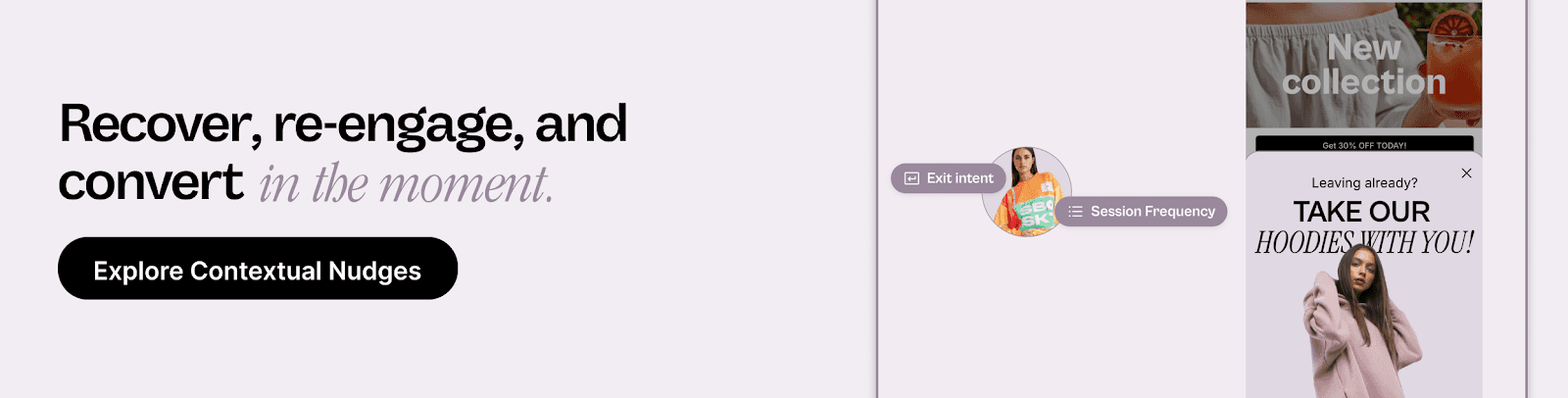
Contextual Nudges: Website personalization comes to life with contextual nudges such as exit-intent popups and urgency messages based on real-time behavior. These help guide shoppers with personalized offers, reducing cart abandonment and increasing engagement.
Bundling & Recommendations: Improve your AOV with smart bundles based on live inventory, affinity data, and behavioral insights. Nudge shows shoppers personalized bundles that match their interests and preferences, leading to higher-value purchases.
1-1 Personalization: Nudge delivers personalized, one-to-one experiences using detailed behavioral insights. Create customized product recommendations and offers that resonate with individual shoppers, building customer loyalty and driving higher CLV.
Product Experiences: With this, you can choose from a library of stories, nudges, gamification, rewards, and surveys to engage customers. Seamlessly integrate these personalized features throughout the user journey on your website or app, enhancing user engagement and boosting CLV.
These Nudge features help you implement website personalization that increases AOV, CLV, and conversion rates while improving retention. It’s the perfect solution for growth teams, marketers, and UX specialists in high-growth e-commerce brands looking to drive results.
Conclusion
With customized content and AI-driven product recommendations, web personalization strategies can significantly increase customer lifetime value (CLV) and improve conversion rates. As marketers, growth teams, and UX specialists strive to create engaging experiences for their customers, personalization continues to be a powerful tool for optimizing the customer journey.
Nudge offers AI-powered Commerce Surfaces, real-time product recommendations, and contextual nudges, which can create personalized experiences that drive higher conversion rates and boost CLV. These features work together to keep customers engaged, reduce friction, and increase AOV.
Book a demo to see how Nudge can help you optimize every step of the customer journey.
FAQs
1. How do I implement personalization?
Implement personalization by segmenting visitors based on behavior, location, or demographics. Use dynamic content, personalized product recommendations, and tailored messaging across key pages like the homepage and checkout.
2. How do I measure the success of website personalization?
Measure success by tracking metrics like conversion rates, average order value, bounce rates, and customer engagement. You can also use A/B testing to assess the impact of personalized elements.
3. How does website personalization increase conversions for e-commerce brands?
Personalized content, product recommendations, and specific offers create relevant experiences that increase engagement, reduce friction, and drive higher conversion rates across all touchpoints.
4. What data is essential for effective website personalization?
Key data types include browsing history, purchase behavior, location, and real-time engagement, enabling brands to create unique experiences that resonate with each individual shopper.
5. How can I personalize the checkout experience to optimize AOV?
Set up the checkout process with upsell or cross-sell options, and offer discounts or bundles based on previous purchases to encourage larger transactions and increase AOV.
6. Is website personalization effective across all devices?
Yes, personalization must be consistent across desktop, mobile, and tablet devices, optimizing each touchpoint to ensure a seamless experience and improve conversion rates on all platforms.
7. What role does AI play in web personalization?
AI analyzes user behavior and provides real-time recommendations adapted to individual preferences, improving engagement and driving higher retention rates by adapting to shopper intent.