User Engagement
10 Proven E-Commerce Customer Engagement Strategies for 2026
Engage every shopper with data-driven personalization and smart automation. Discover proven ecommerce customer engagement strategies that drive growth.

Sakshi Gupta
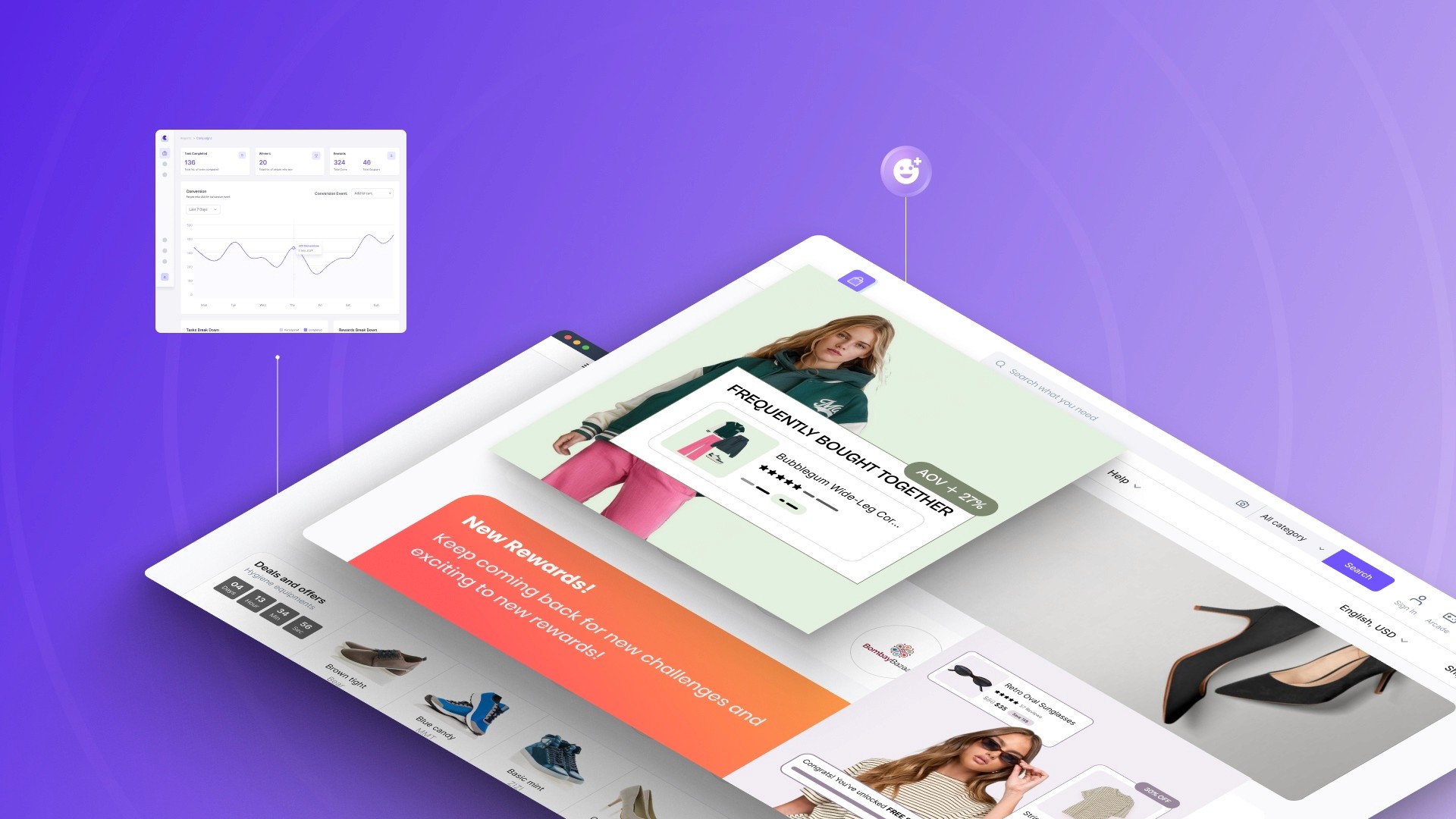





E-commerce growth is no longer driven by traffic alone; it's driven by how effectively you engage every shopper who lands on your site. For high-growth brands, the challenge has shifted from attracting visitors to retaining their attention through personalized, meaningful interactions that influence purchase decisions.
According to a Gartner report, 80% of organizations expect to compete primarily based on customer experience (CX), highlighting that engagement is key to sustained growth. Growth now comes from strong eCommerce customer engagement, not one-time conversions.
In this article, you'll discover 10 proven e-commerce customer engagement strategies for 2025 designed to help your brand increase conversions, strengthen loyalty, and drive repeat revenue.
At a glance
Engagement drives retention and profitability; customer-focused brands earn 60% higher profits than those that neglect CX.
Personalized, data-driven experiences across homepages, PDPs, and carts improve conversions and loyalty.
Interactive content, gamification, and mobile optimization keep shoppers active across every touchpoint.
Post-purchase automation and feedback loops turn one-time buyers into repeat customers.
Platforms like Nudge help marketers execute these engagement strategies at scale through AI-powered, real-time personalization.
What Is Customer Engagement and Why Does It Matter in E-Commerce?
Customer engagement in e-commerce refers to the ongoing, data-driven interaction between your brand and shoppers across every digital touchpoint from the first visit to post-purchase communication. It's the foundation that turns a one-time visitor into a repeat customer through relevance, personalization, and timely interaction.
Why It Matters:
Improves Conversion Efficiency: Engaged shoppers interact longer and explore deeper, leading to stronger intent and higher conversions.
Reduces Acquisition Dependence: Consistent engagement decreases reliance on paid channels by driving repeat purchases and organic referrals.
Increases Lifetime Value: Meaningful experiences encourage repeat orders and higher spending across multiple categories.
Strengthens Brand Recall: Personalized journeys make your brand memorable and reduce churn among first-time buyers.
Influences Purchase Decisions: 73% of customers now say CX is the number one factor they consider before buying from a company.
Next, let’s explore the essential metrics that will help you monitor and optimize your engagement strategies.
Essential Metrics for Tracking Customer Engagement
To truly understand the effectiveness of your customer engagement strategies, it's important to track the right metrics. These insights will help you optimize your efforts and drive long-term success.
Here are the essential metrics you should be tracking:
Repeat Visit Rate: Measures how often customers return to your site, indicating their interest and brand loyalty.
Average Session Duration: Tracks how long visitors spend on your website, helping you assess the effectiveness of your content and user experience.
Cart Activity: Monitors how often users add items to their cart, providing insights into product interest and page performance.
Customer Lifetime Value (CLV): Measures the total revenue a customer generates over their lifetime, indicating the long-term value of your engagement efforts.
Conversion Rate (CVR): Tracks the percentage of visitors who complete a purchase, helping you understand the effectiveness of your engagement strategies in driving sales.
Customer Satisfaction (CSAT) & Net Promoter Score (NPS): These metrics provide feedback on customer sentiment and loyalty, guiding improvements to your engagement approach.
Tracking these metrics allows you to refine your customer engagement efforts, ensuring you're always delivering value.
With an understanding of these key indicators, you can now explore actionable strategies to drive even greater results.
10 Proven E-Commerce Customer Engagement Strategies
Customer engagement today is driven by relevance, speed, and consistency across every shopper touchpoint. It's about creating experiences that respond instantly to intent and behavior, whether someone is browsing, adding to cart, or checking out.
The following strategies outline how you can turn everyday interactions into lasting relationships that drive measurable growth:
1. Personalize Every Shopper Journey
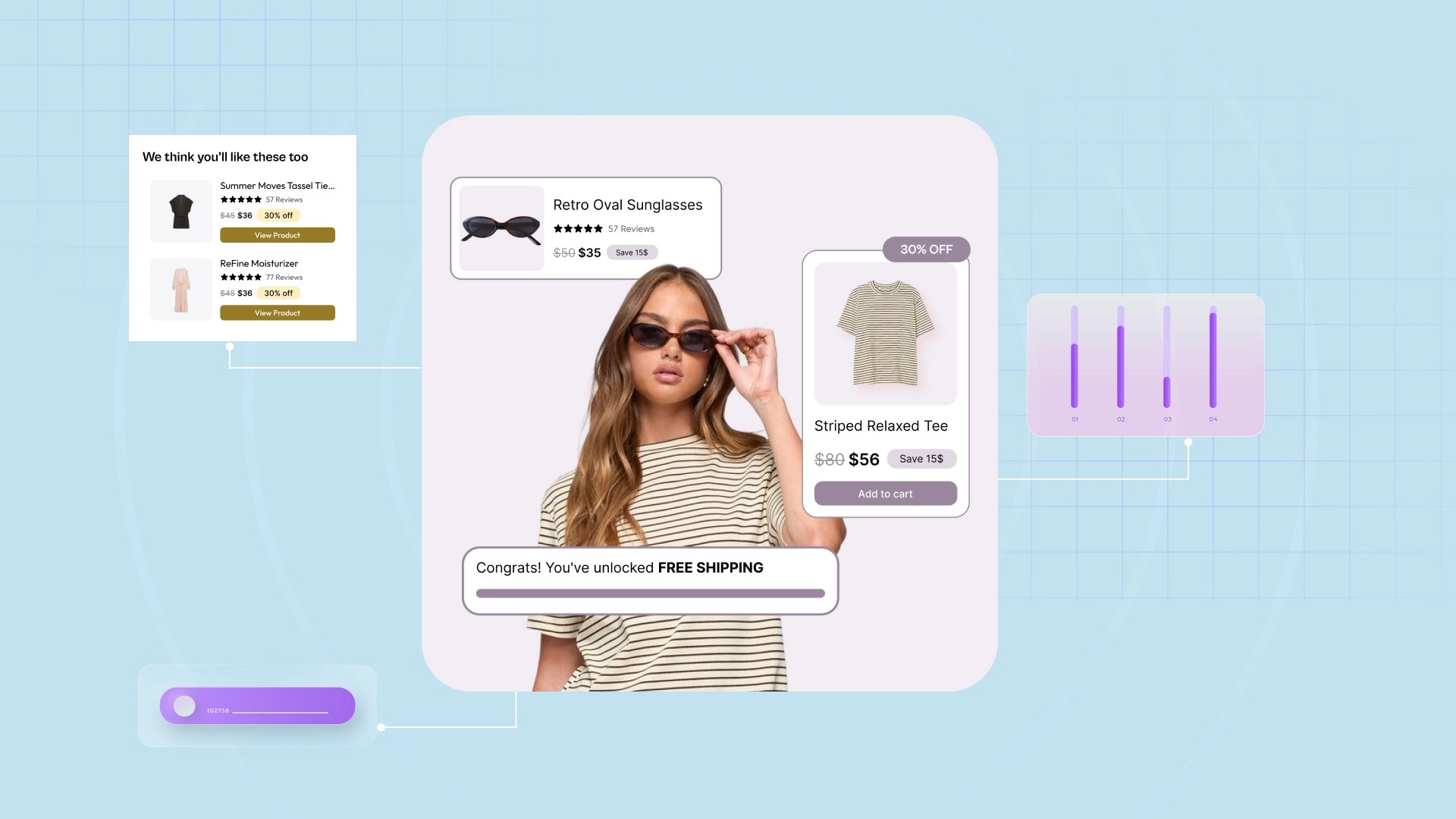
Personalization helps you deliver experiences that align with each shopper's behavior, source, and intent. When every homepage, product page, or cart dynamically adapts in real time, you create relevance that drives stronger conversions and long-term loyalty. It transforms engagement from reactive to predictive, ensuring each visit feels uniquely personalized.
Nudge enables this level of personalization through its autonomous experience layer. It builds dynamic storefronts using AI to assemble layouts, offers, and product recommendations for every visitor without manual setup. Marketers can launch and test personalized journeys instantly, turning engagement into measurable growth.

When your experiences grow with every click, shoppers stay connected. The next step is to make those interactions more participatory through interactive content.
2. Make Content Interactive
Interactive content keeps shoppers engaged by inviting them to participate instead of passively browsing. Quizzes, polls, shoppable videos, and product finders not only capture attention but also provide valuable insights into shopper preferences and intent. When customers engage directly with content, their time on-site increases and their connection with the brand deepens.
For Example:
Brands like Fenty Beauty use shade finder quizzes to help shoppers discover the right products while collecting zero-party data for future recommendations.
Similarly, IKEA's AR-powered app lets users visualize furniture in their homes before purchase, making discovery both useful and enjoyable.
Pro Tip: Incorporate interactive elements on landing or product pages where engagement tends to drop. Even a simple "find your match" quiz or "vote for your favorite look" poll can spark curiosity and guide shoppers toward purchase decisions.
This engagement can be increased further when you turn participation into real rewards.
3. Gamify Loyalty
Gamification transforms routine shopping into an engaging, rewarding experience that keeps customers coming back. By adding elements like points, badges, progress bars, or tiered milestones, you tap into customers' natural motivation for achievement and recognition.
For Example:
Sephora's Beauty Insider program is a prime example. Shoppers earn points for every dollar spent and open exclusive rewards, early access, and personalized perks as they move up tiers. This sense of progress not only encourages repeat purchases but also increases average order value.
When loyalty feels like progress, customers stay invested in your brand. The same principle applies across every touchpoint, creating seamless experiences that connect shoppers wherever they interact.
4. Build Seamless Omnichannel Experiences
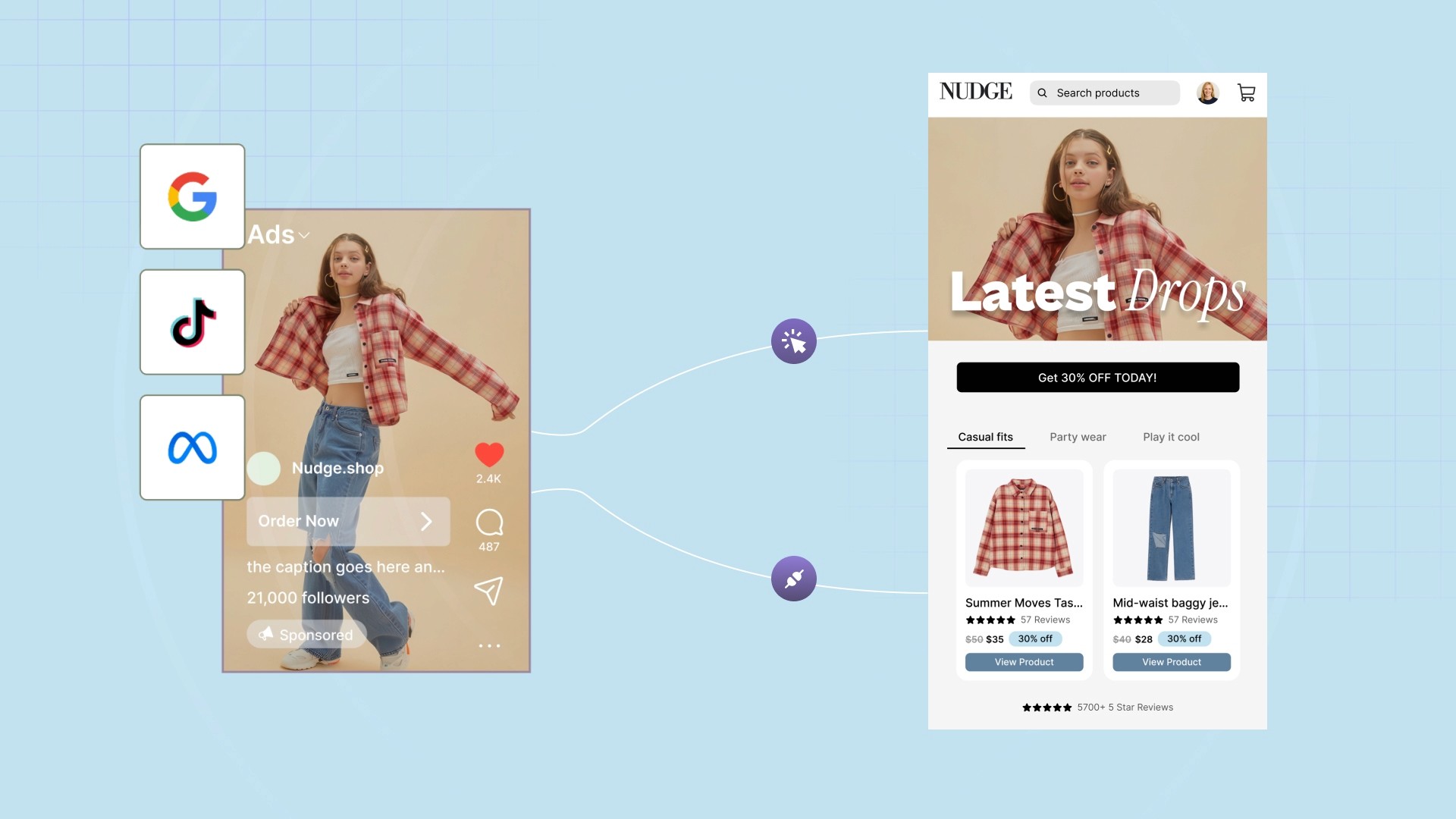
Shoppers today move effortlessly between platforms, discovering products on social media, comparing prices on mobile, and completing purchases on desktop or in-store. A seamless omnichannel experience ensures that every touchpoint feels connected, with consistent messaging, synchronized data, and uninterrupted engagement across channels.
For Example:
Warby Parker lets customers switch from virtual try-ons to in-store fittings without losing their preferences or progress.
To keep this consistency all the way through the purchase, your product pages must also inform, engage, and guide buyers clearly toward the right decision.
5. Enrich Product Pages with Dynamic Content
Your product pages are where shoppers decide to buy or leave. Adding rich elements like videos, detailed descriptions, and authentic reviews helps customers evaluate products confidently while staying engaged.
Dynamic recommendations based on browsing behavior or cart history can further encourage discovery and increase average order value.
Nudge improves this experience through intent-driven product recommendations that adapt in real time. By analyzing each shopper's context, such as campaign source, browsing flow, or purchase intent, it automatically surfaces complementary products and bundles that raise AOV without extra effort.
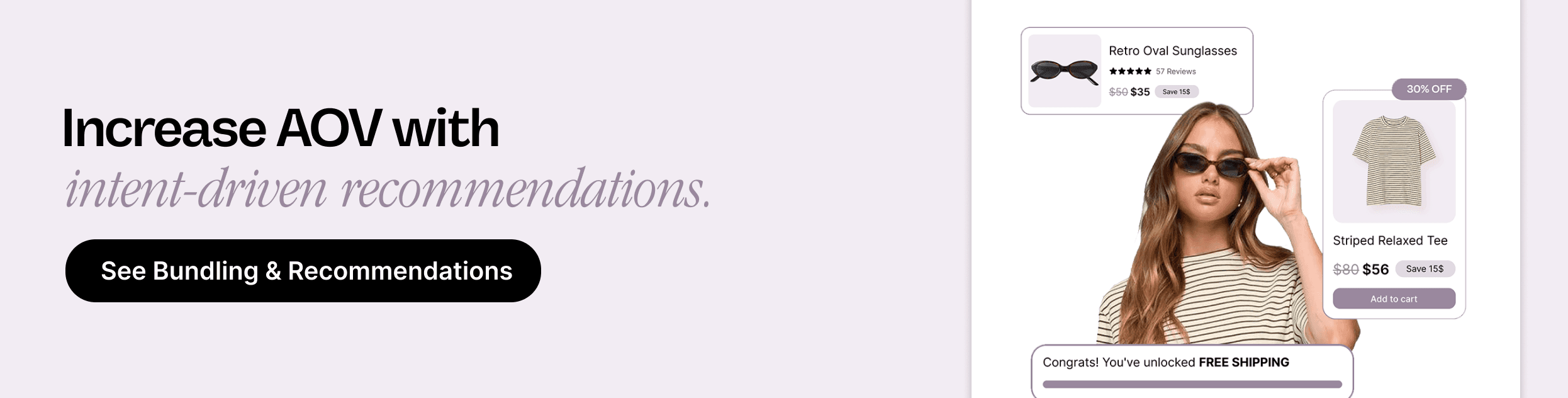
When your product pages feel helpful and relevant, shoppers are more likely to convert. The next step in keeping them engaged is providing immediate, intelligent assistance whenever they need it.
6. Offer Smart, AI-Powered Support
Responsive support is a key part of engagement. Shoppers expect instant answers, whether they're tracking an order, asking about sizing, or resolving a payment issue. AI-powered chatbots and virtual assistants help meet that expectation by providing quick, contextual responses without long wait times.
Pro Tip: Use AI to handle routine questions and route complex issues to live agents with context included. This balance maintains speed and empathy, keeping your shoppers informed and engaged throughout their journey.
When customers feel supported at every step, they're far more likely to trust your brand, and that trust grows stronger when you actively listen and respond to their feedback.
7. Use Feedback to Improve Experiences
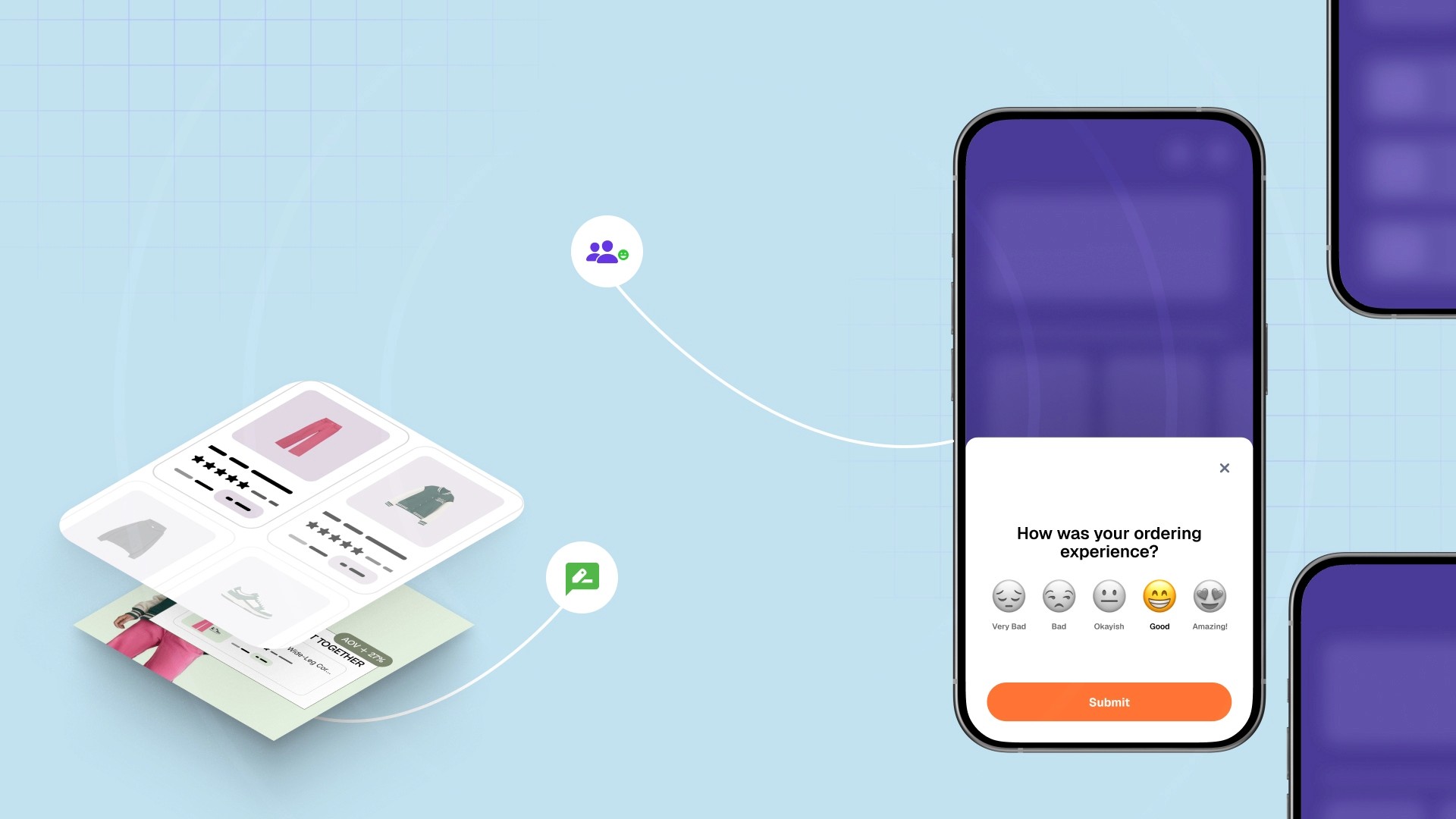
Collecting and acting on feedback shows shoppers that their opinions drive real change. Short, well-timed surveys or review prompts after purchase can find what's working and where friction exists, insights that directly improve product quality and user experience.
For Example:
Glossier offers a strong example.
After shoppers voiced concerns about unnecessary packaging, the brand shifted to minimal, eco-friendly materials that reduced waste while staying true to its clean, modern aesthetic.
This simple change reinforced Glossier's customer-first image and deepened engagement through action, not words.
True engagement comes from understanding and responding to customer behavior, which starts with targeting the right message to the right audience.
8. Segment and Target Intelligently
Segmentation ensures every shopper receives communication that matches their behavior and stage in the buying journey. Instead of sending the same message to all, divide audiences by factors like purchase history, traffic source, or engagement level to make every interaction relevant.
Pro Tip: Use behavioral data to personalize campaigns in real time. For example, show loyalty rewards to frequent buyers and limited-time offers to cart abandoners. Targeting with precision keeps your brand helpful, not intrusive.
As your targeting becomes sharper, you'll also need to ensure those personalized experiences perform seamlessly across devices, especially on mobile.
9. Optimize Every Moment for Mobile
Most shoppers browse and buy directly from their phones, making mobile optimization essential for engagement and retention. A well-structured mobile experience ensures that pages load quickly, navigation is intuitive, and checkout feels seamless.
Brands like Zara excel here by designing clean, responsive layouts with simplified menus and one-tap payment options. This approach keeps shoppers focused and reduces drop-offs during checkout.
Pro Tip: Regularly test your mobile experience from a user's perspective, across devices, browsers, and connection speeds. A fast, consistent journey keeps shoppers engaged and increases their likelihood of returning.
Once the mobile experience runs smoothly, you can sustain that momentum through consistent engagement even after purchase.
10. Automate Post-Purchase Engagement
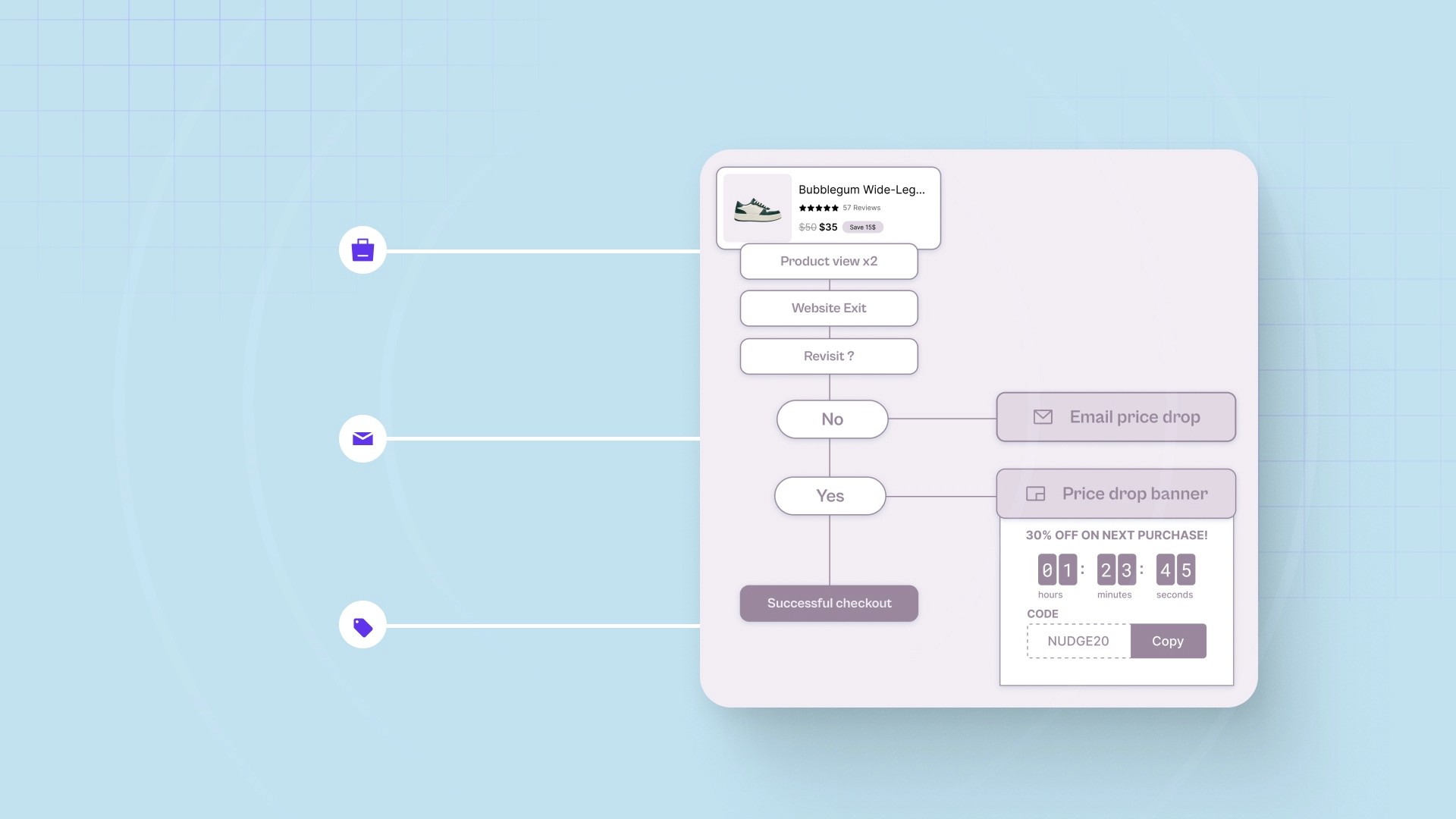
Post-purchase is where real engagement begins. Automated follow-ups, such as thank-you messages, reorder reminders, or personalized product recommendations, keep your brand present beyond checkout and encourage repeat visits.
Pro Tip: Use behavioral triggers like delivery confirmation or usage milestones to send timely messages that feel relevant, not promotional. When post-purchase communication adds value, it turns satisfied customers into long-term advocates.
Sustaining that engagement across the entire journey requires a platform that personalizes every interaction at scale, and that's where Nudge comes in.
How Nudge Helps You Power Personalized Engagement at Scale?
Nudge is the autonomous experience layer for modern commerce that replaces static, one-size-fits-all journeys with dynamic, AI-driven experiences. It enables marketers to personalize every interaction across the funnel, without relying on developer support, helping you engage each shopper in real time and drive measurable growth.
Here's how Nudge powers personalized ecommerce customer engagement:
Real-time personalization across the funnel: Every homepage, PDP, cart, and checkout instantly adapts to each shopper's intent, campaign source, and behavior, delivering relevance at every step.
Commerce Surfaces: AI assembles landing pages with dynamic product grids, personalized offers, and shoppable videos to capture attention and boost conversions.
AI Product Recommendations: Smart, context-aware product suggestions and bundles increase AOV and cross-sell opportunities based on user intent.
Contextual Nudges: Dynamic banners, modals, and pop-ups respond to shopper behavior like exit intent or scroll depth, reducing drop-offs and abandoned carts.
Cart Abandonment Recovery: Personalized offers automatically trigger when shoppers leave their carts, turning lost interest into completed sales.
No-code iteration: Marketers can launch, test, and refine experiences instantly without waiting for development cycles, accelerating campaign velocity.
Continuous learning: Nudge's AI improves with every interaction, ensuring engagement strategies grow alongside shopper behavior.
Higher CVR, AOV, and LTV: Every personalized interaction compounds into stronger conversions, higher order values, and repeat purchases, while lowering acquisition costs.
By combining intelligence, speed, and ease of use, Nudge helps high-growth ecommerce brands create personalized journeys that engage shoppers from the first click to every repeat visit.

Final Thoughts
Sustainable e-commerce growth depends on how effectively you keep shoppers engaged beyond the first click. Each strategy, from personalization and interactive content to automation, helps you build experiences that convert interest into loyalty and drive repeat purchases.
Nudge makes this process effortless by personalizing every shopper journey in real time. Its AI-driven experiences adapt instantly to intent and behavior, increasing conversions, average order value, and lifetime engagement, all without code.
Book a demo today to see how Nudge can help your brand deliver personalized engagement at scale.
FAQs
1. How can e-commerce brands measure customer engagement effectively?
You can track engagement through metrics like repeat visit rate, session duration, cart activity, and customer lifetime value. Analysing these helps you identify which touchpoints drive conversions and where users drop off.
2. What are some common mistakes brands make when trying to improve engagement?
Many brands focus only on discounts or generic email campaigns. Ignoring personalization and post-purchase communication often leads to one-time buyers instead of long-term customers.
3. How does personalization impact customer retention in e-commerce?
Personalization builds familiarity and trust by showing shoppers relevant products and offers. This relevance encourages repeat visits and increases retention without constant ad spending.
4. What role does AI play in improving e-commerce customer engagement?
AI helps analyse real-time shopper behaviour to deliver contextual offers, recommendations, and reminders, turning manual engagement efforts into automated, scalable experiences.
5. How does Nudge help e-commerce brands improve engagement?
Nudge enables real-time personalization across the entire funnel. It dynamically adjusts pages, offers, and recommendations based on each shopper's behavior, helping brands increase conversions and lifetime value effortlessly.