
Nudge vs Conductor


Track AI Mentions
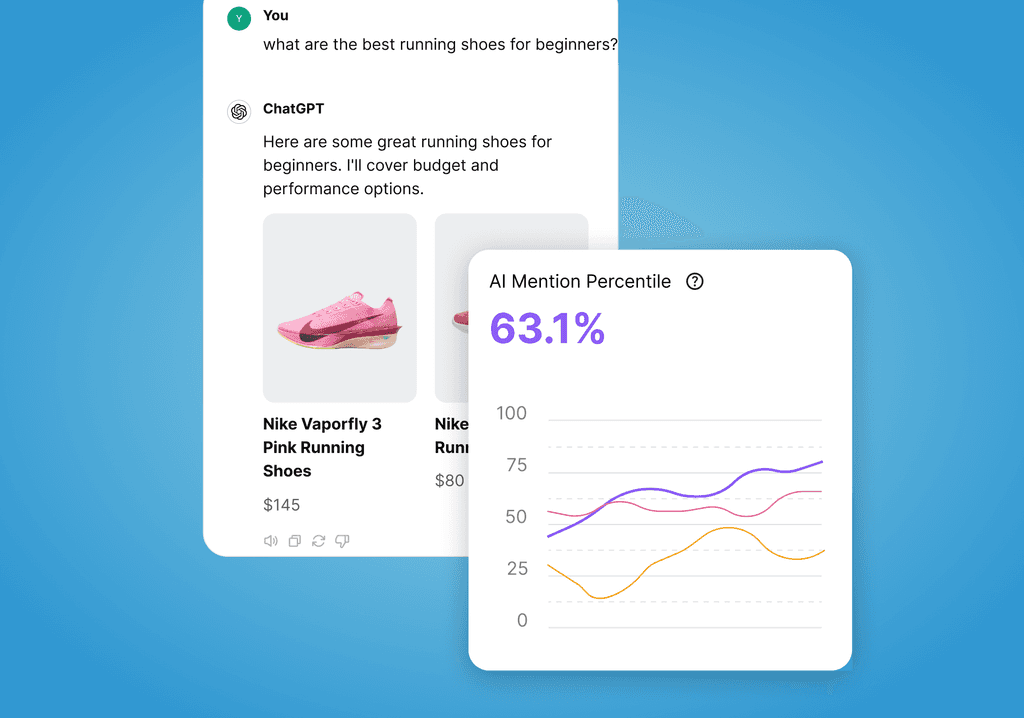
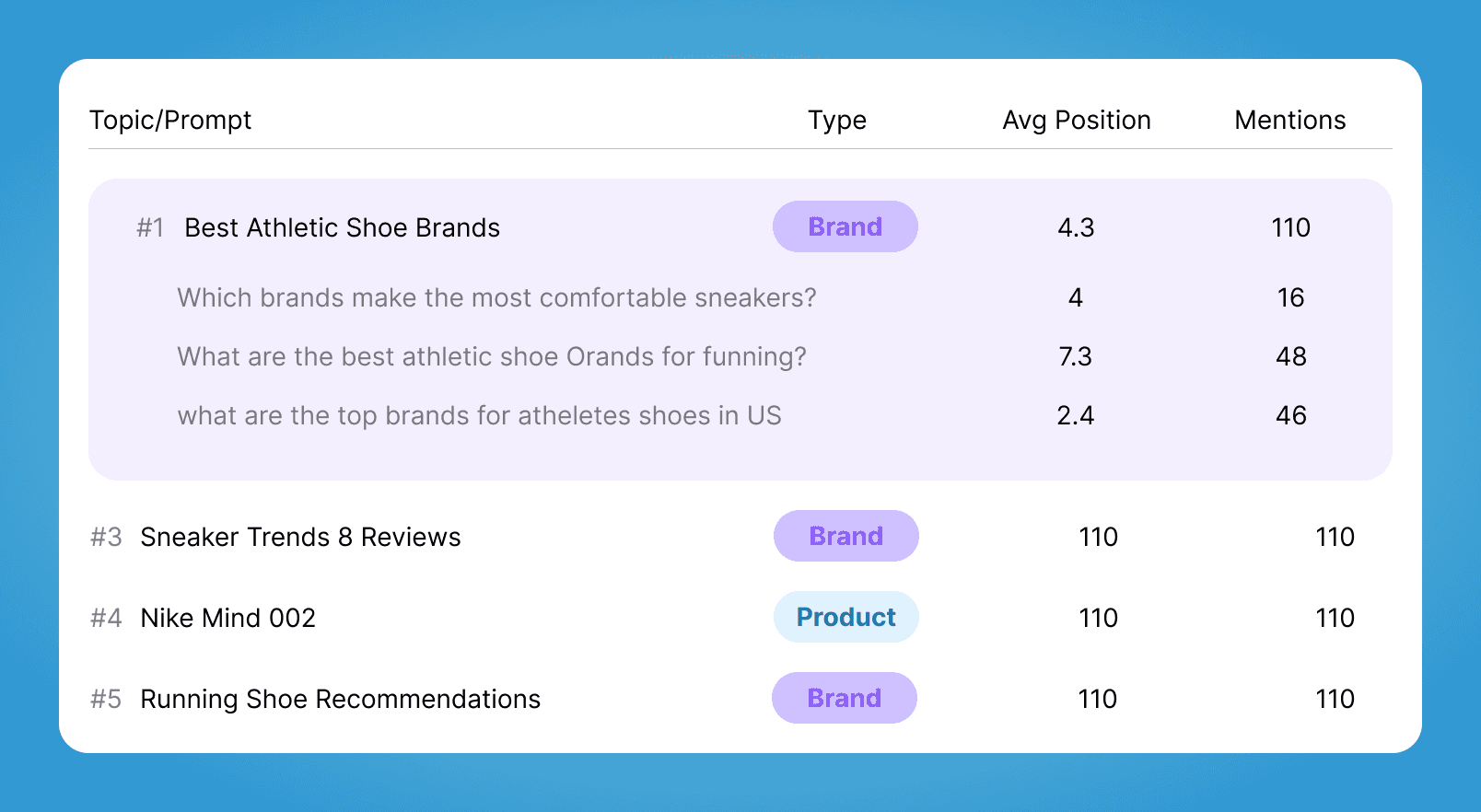
Monitor where and how AI engines mention your brand and products across high-intent shopping prompts.
Generate Prompt-Specific Funnels
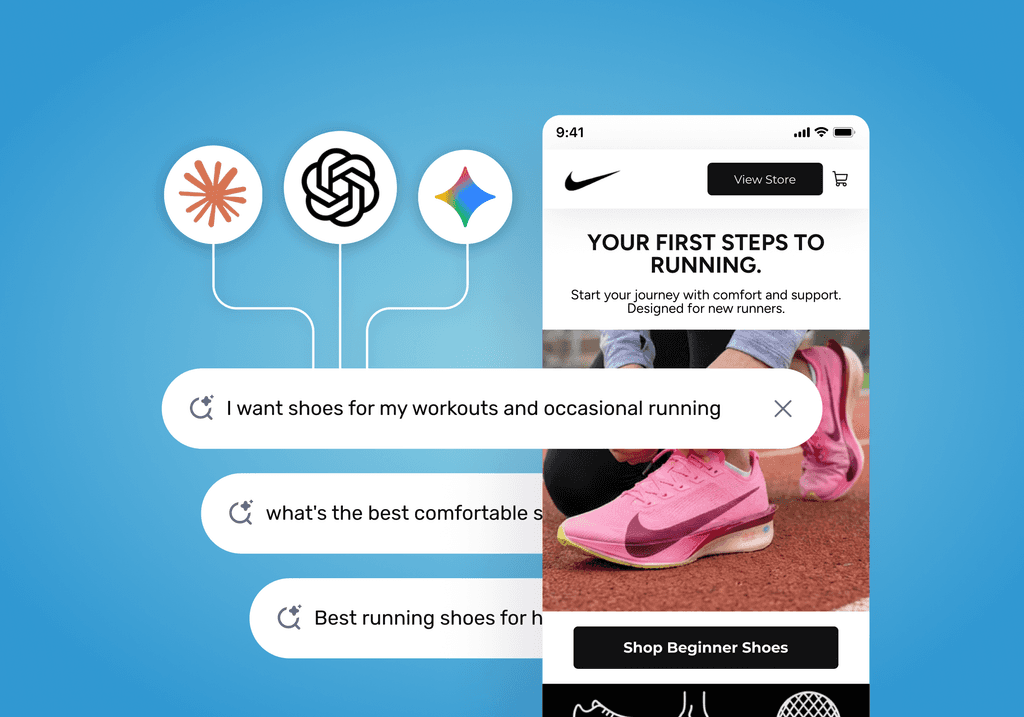
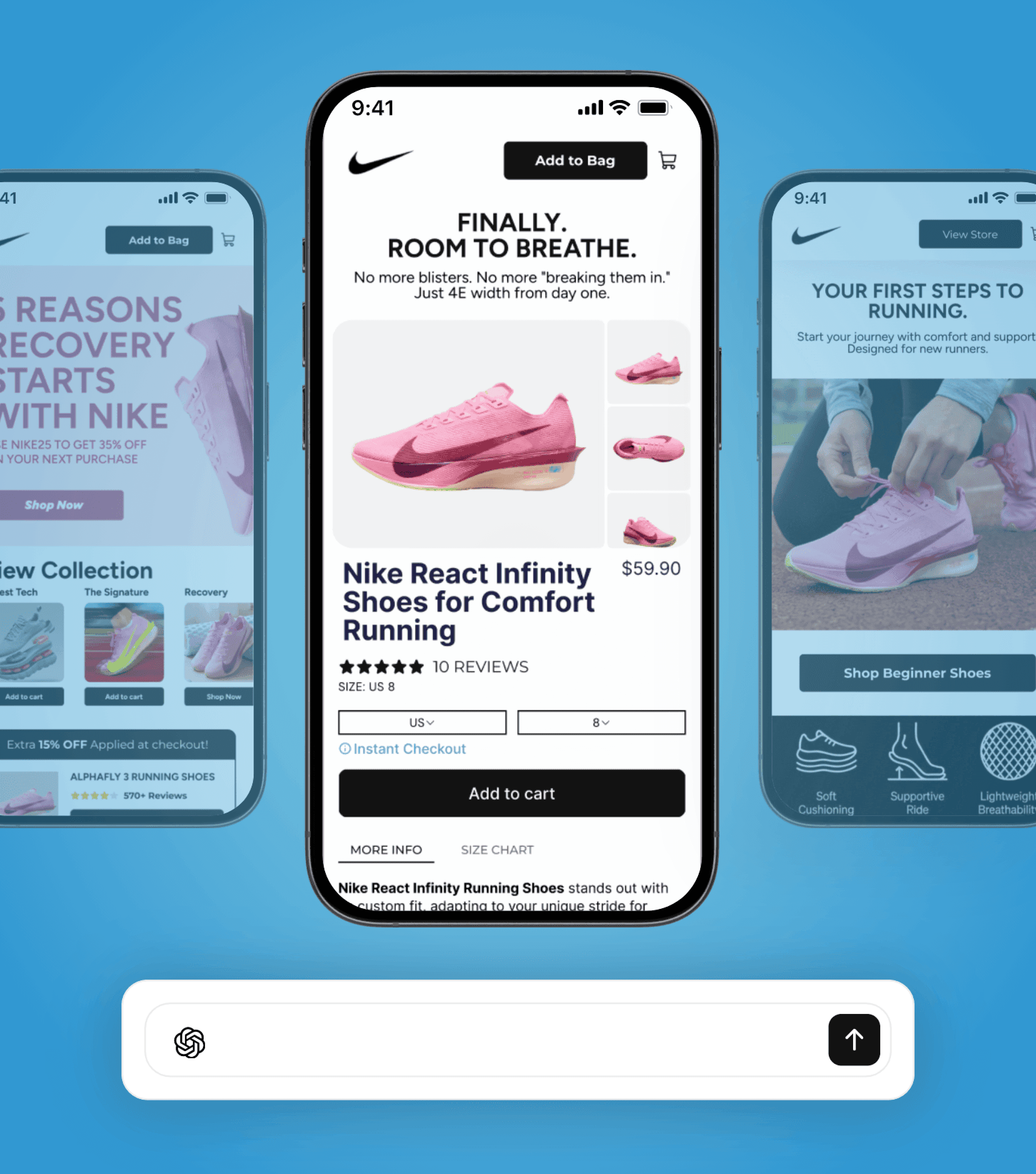
Create shoppable landing experiences tailored to the shopper’s question, use case, and decision criteria.
Optimize Catalog Visibility
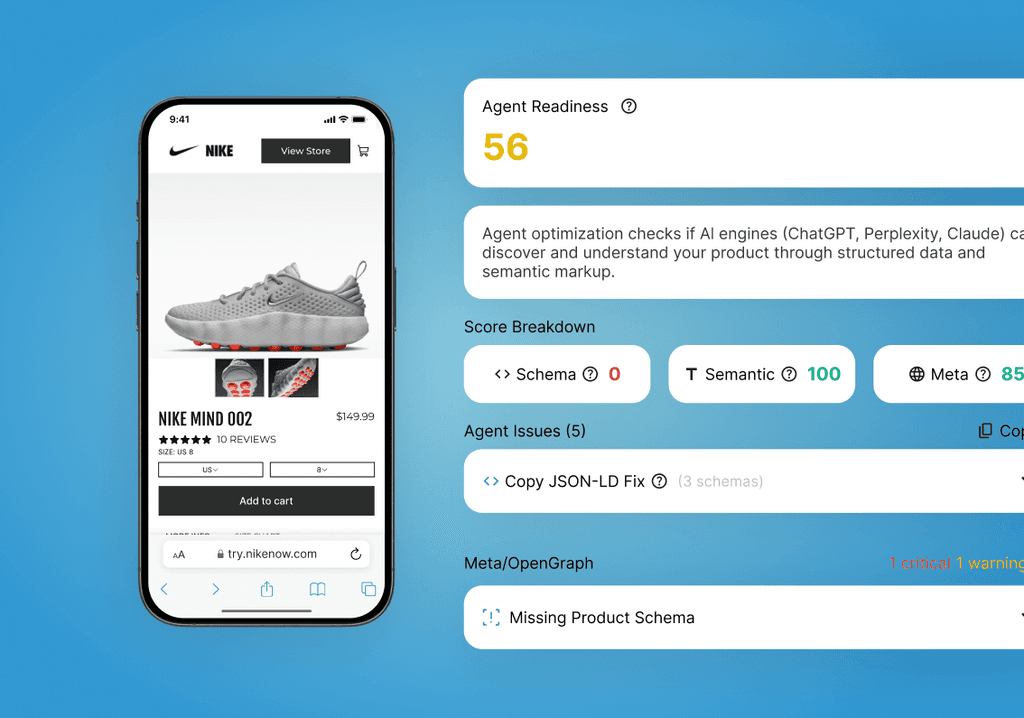
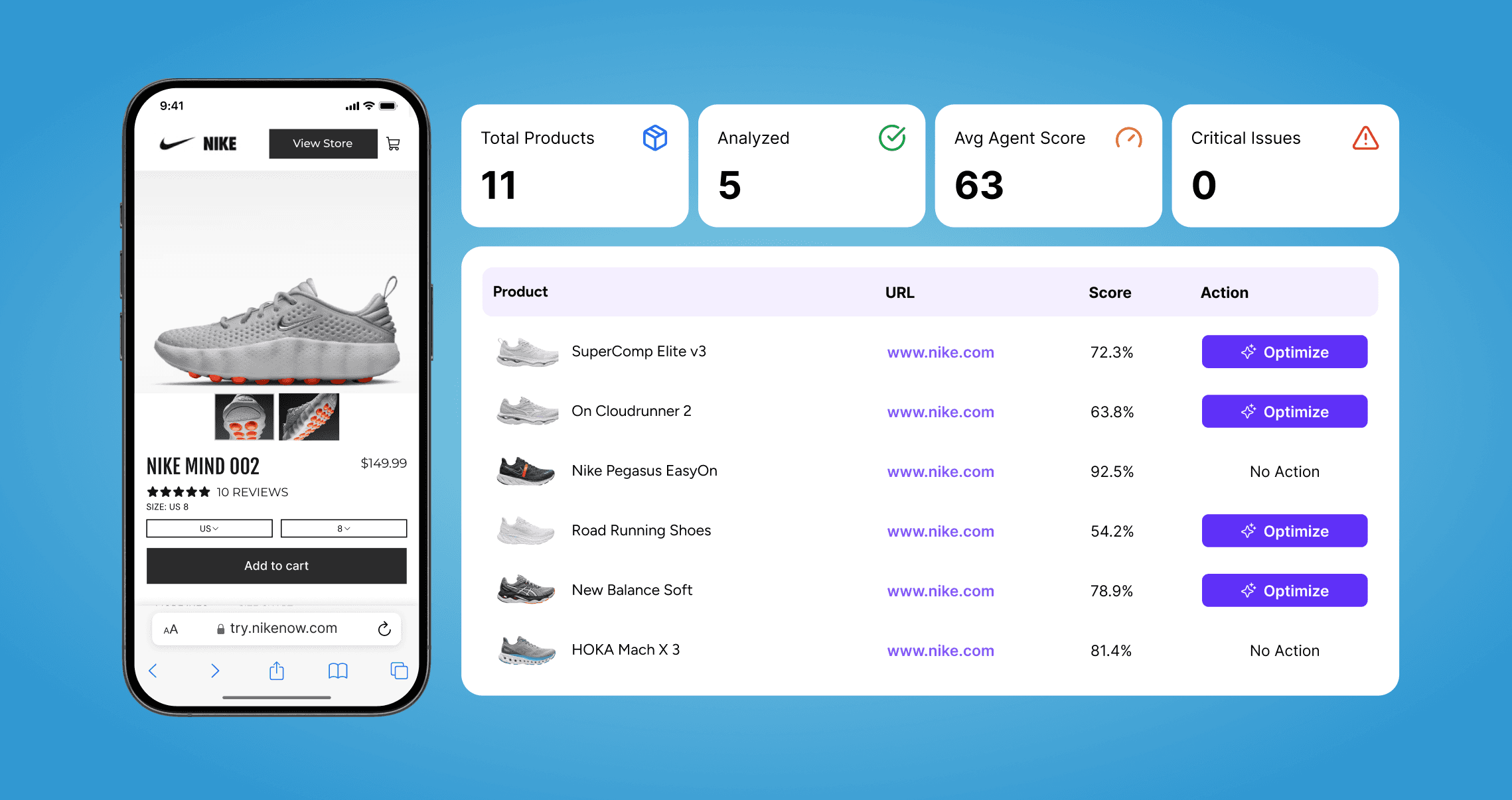
Instantly see which product pages are AI-ready and which ones are blocking visibility or conversion.
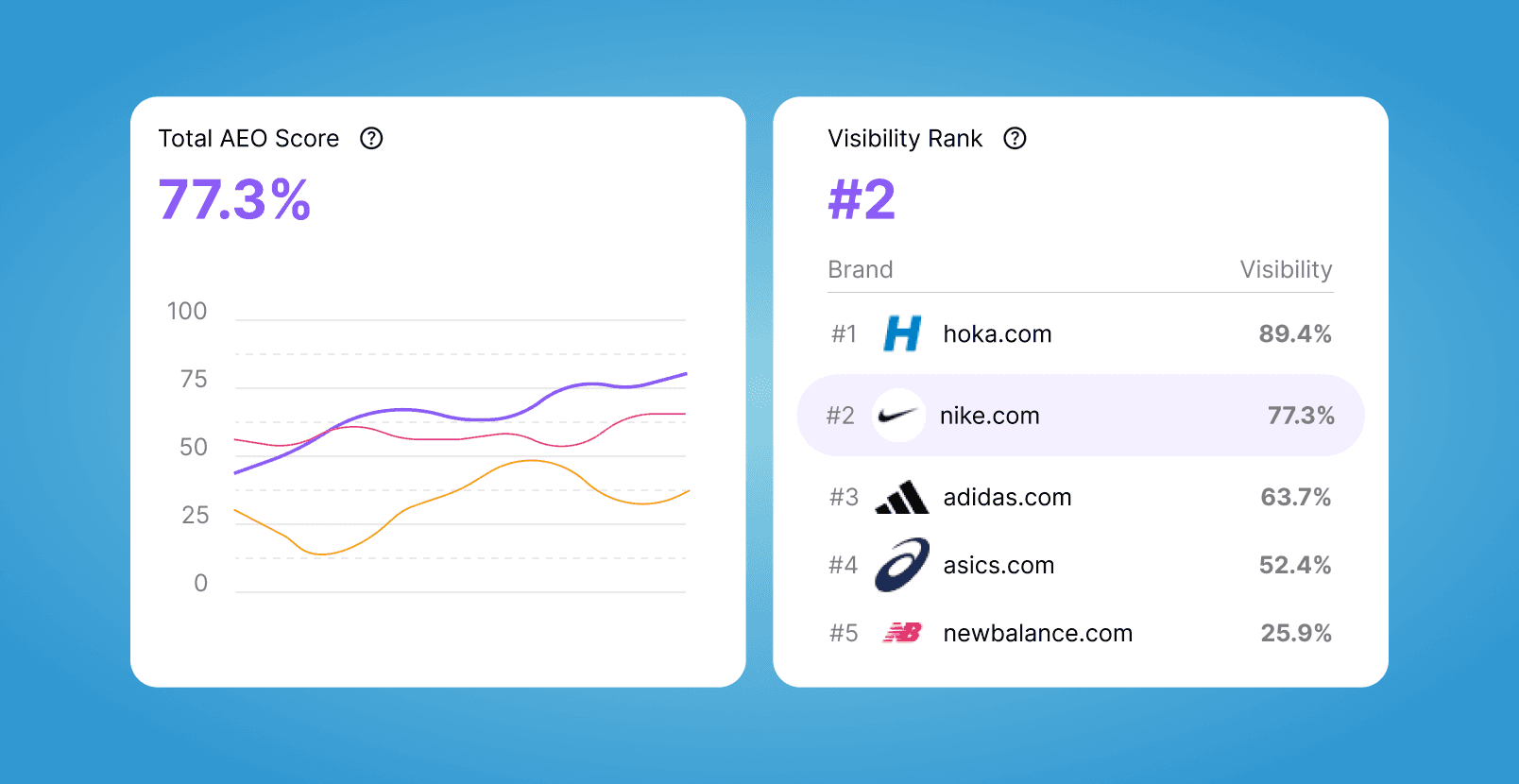
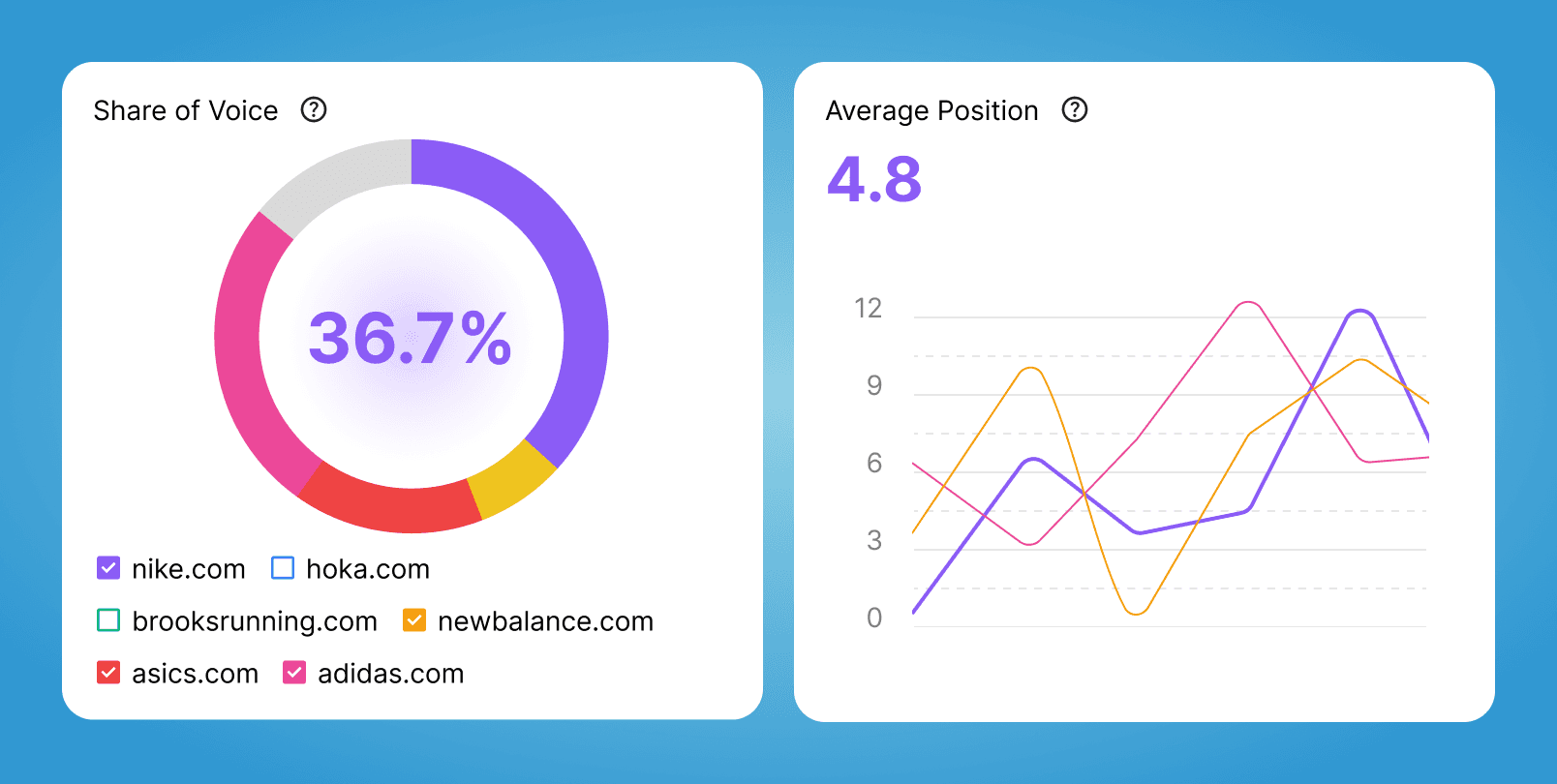
See exactly how AI platforms talk about your brand, your competitors, and your products. Build experiences to increase mentions, recommendations, and conversions.
Frequently asked questions
How is Nudge different from Conductor?
Conductor focuses on measuring how brands appear in AI answers. Nudge focuses on turning that visibility into shopping outcomes by building and optimizing post-click experiences.
What kind of content can marketers create on Nudge?
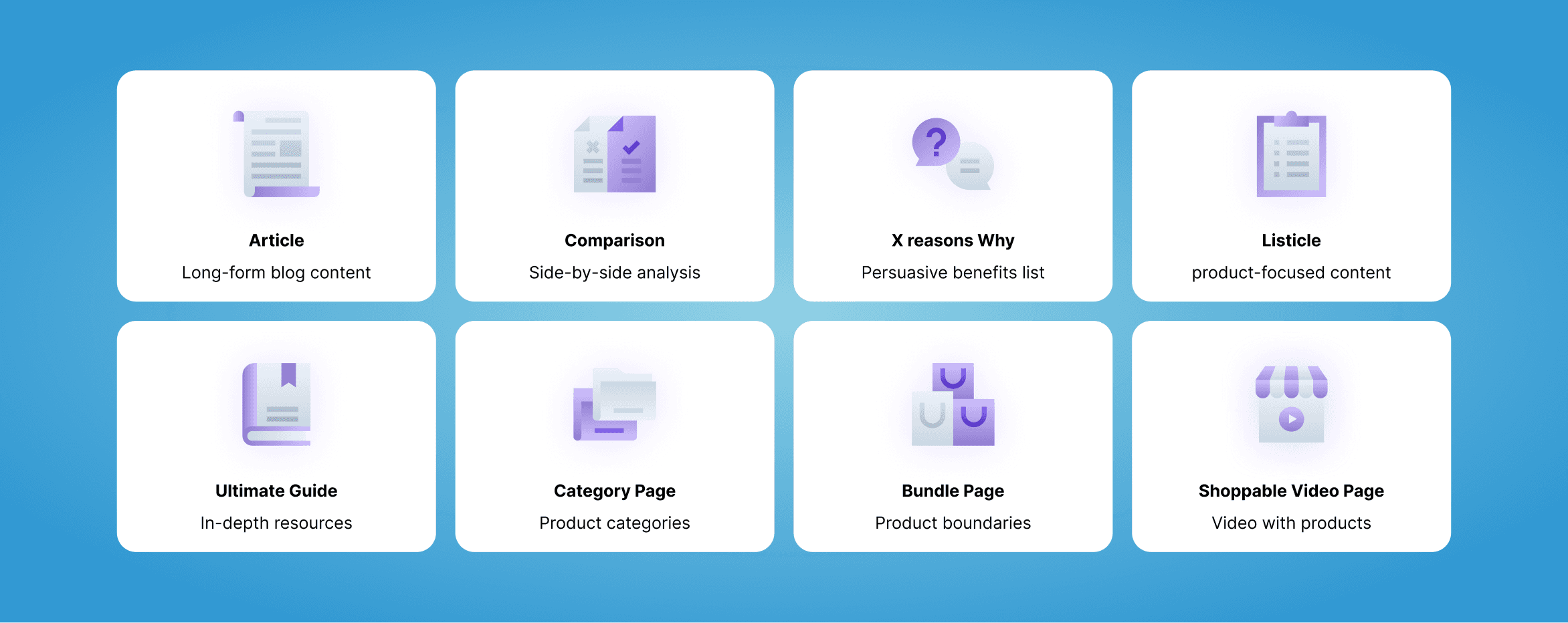
Nudge helps marketers create prompt-specific, shoppable content, including: AI-aligned landing pages and PDP variants, category and comparison pages mapped to prompt clusters, FAQs, proof, and product bundles tailored to intent. This content is designed not just to be cited by AI, but to convert AI-driven traffic once it lands—something Conductor does not support.
How does pricing work?
Pricing is based on the funnels & catalog optimization opportunities provided per month to improve recommendations & conversion.
Is Nudge or Conductor better for tracking AI visibility?
Conductor primarily only tracks brand-level AI visibility. Nudge tracks both brand and product (SKU)-level prompts, which is essential when AI answers recommend specific products, not just brands. This gives commerce teams a much clearer picture of what actually drives buying decisions and thus Nudge goes way better for tracking & improving AI visibility.
How does Nudge assess AI visibility?
Nudge analyzes AI-generated shopping answers across leading models to see where your brand and products appear, how they’re described, and where opportunities exist to improve visibility.