CRO & Experimentation
Top CRO Tools for High-Growth eCommerce Brands in 2025
Tired of wasted traffic? Learn how top CRO tools can help your eCommerce brand reduce bounce rates, recover abandoned carts, and increase conversions in 2025.

Gaurav Rawat
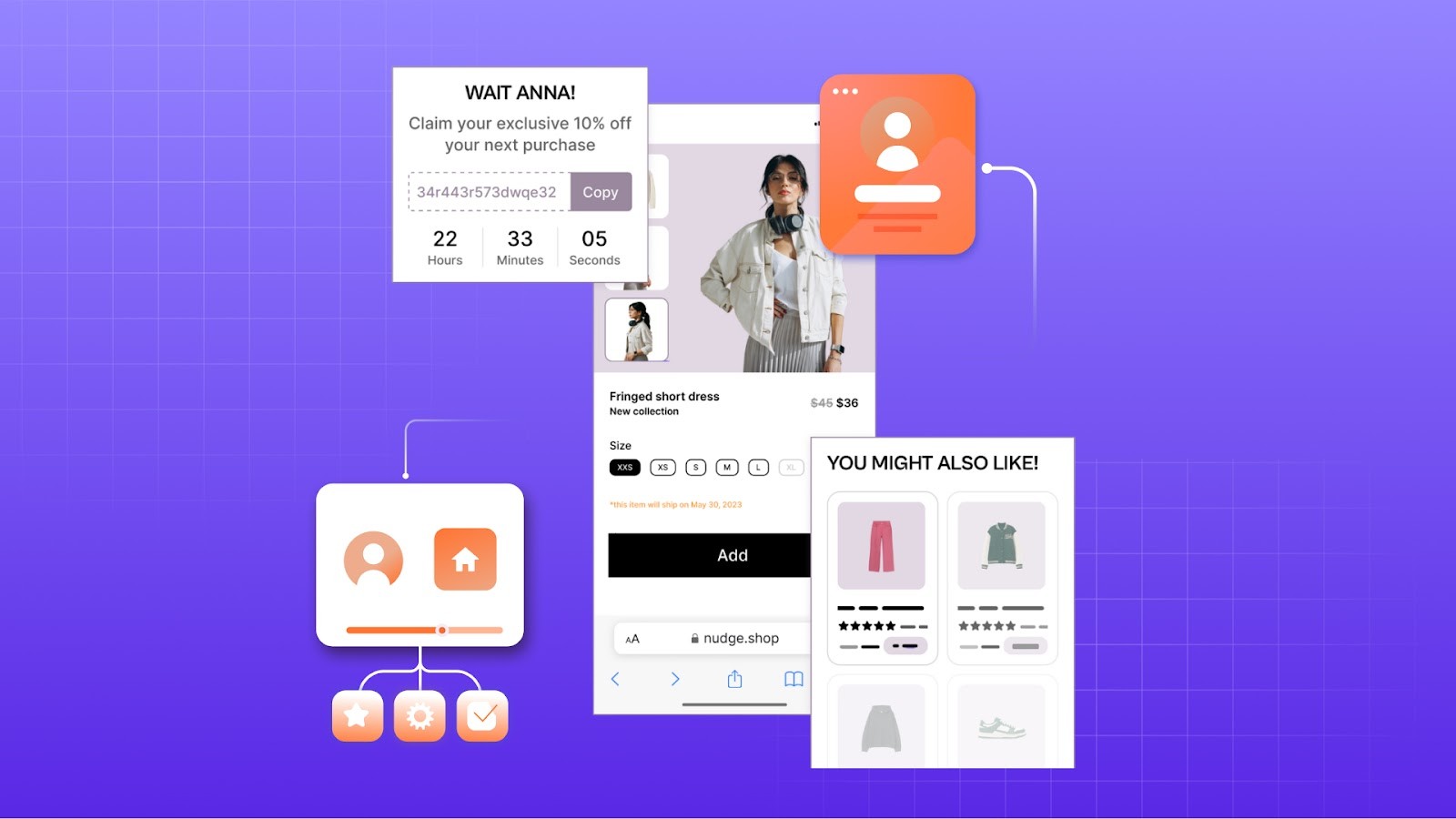





High-growth eCommerce DTC brands often attract a large volume of traffic but struggle to convert those visits into meaningful sales. In fact, approximately 70% of online shopping carts are abandoned before checkout, highlighting a major issue: despite heavy investments in paid campaigns, a significant portion of traffic still doesn't convert.
What these brands truly care about is growing revenue without increasing ad spend, improving ROI without lengthy development cycles, and staying agile with testing and optimization. CRO tools offer a solution to this challenge, enabling brands to enhance every stage of the customer journey without relying on complex dev work.
In this blog, we’ll explore the top CRO tools to help you improve CVR (conversion rates), increase AOV (average order value), and drive more revenue from every click.
Key Takeaways
CRO is essential for high-growth eCommerce brands to convert existing traffic into paying customers through optimized site design, personalized experiences, and better user flows.
DTC brands often face challenges like post-click drop-offs, high bounce rates, and low AOV. CRO tools help resolve these by improving engagement across the funnel.
Effective CRO tools combine real-time personalization, A/B testing, behavioral analytics, and AI recommendations to create dynamic shopping experiences.
Choosing the right CRO platform depends on scalability, personalization capability, integration with existing systems, and alignment with brand goals.
Continuous experimentation, real-time data tracking, and iterative improvements are key to maximizing ROI and driving long-term conversion success.
What is CRO and Why Does It Matter for High-Growth eCommerce Brands?
Conversion Rate Optimization is the process of improving your website to turn more visitors into paying customers. For high-growth DTC brands, the real challenge lies in getting that traffic to make a purchase. CRO helps you do this by improving the customer experience without needing to constantly increase ad spend or wait for long development cycles.
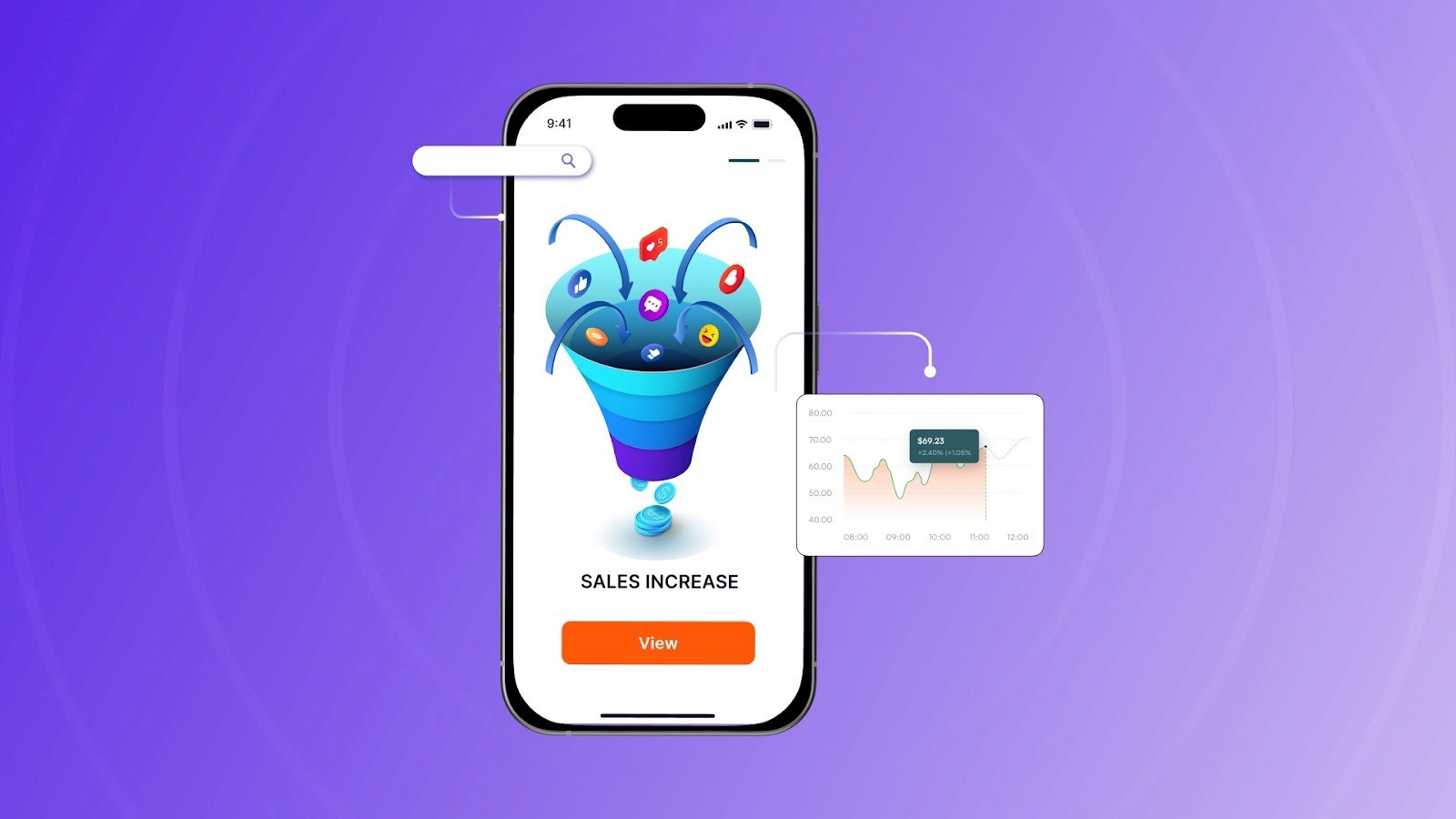
While paid ads on TikTok, Meta, and SMS can bring tons of visitors to your site, many of these visitors leave without buying anything. CRO tools help optimize your site’s design and content to make sure you’re turning that traffic into sales.
The Growth Challenge for DTC Brands
High-growth DTC brands often face common problems that keep them from reaching their full potential. This includes:
High Drop-Offs After Clicks: Visitors come to your site but leave before they buy.
Cart Abandonment: People add products to their cart, but don’t finish checking out.
Low AOV: Customers often only buy one item, lowering the total spend.
Low Engagement: Visitors don’t interact with your site enough to convert.
These issues reduce sales and hurt ROI. Without a good CRO strategy, the value of your paid traffic is wasted.
How CRO Tools Fix These Issues
The right CRO tools can fix these problems and help you get more out of your existing traffic. Here’s how:
Reducing Drop-Offs: CRI Tools helps test and optimize pages to reduce bounce rates and improve user flow.
Recovering Abandoned Carts: Tools like Nudge AI use exit-intent pop-ups to remind customers to finish their purchase.
Increasing AOV: These tools offer personalized recommendations that encourage customers to buy more.
Improving Engagement: CRO tools also help you track user behavior on your site and pinpoint where you’re losing visitors.
With the right CRO tools, brands can create a better shopping experience that leads to higher conversions and more revenue.
What are the Core Features of Effective CRO Tools for DTC Brands?
As high-growth eCommerce brands evolve, they require tools that can help optimize customer journeys across every touchpoint. Here are the core features to look for when selecting a CRO tool for your eCommerce business:
1. Real-Time Personalization
AI-powered personalization tools, like Nudge AI, adapt the shopping experience in real time, making content, product grids, and offers dynamically tailored to the individual shopper’s behavior, location, and intent. This type of dynamic ecommerce personalization ensures that every visitor receives a relevant, tailored experience that increases the chances of conversion.
2. A/B Testing & Experimentation
A/B testing remains one of the most powerful ways to determine which elements on your site drive the best results. Tools like Optimizely and VWO allow you to test multiple variants of pages, be it your landing page, PDPs, or checkout page, to identify what works best for your audience. This constant iteration ensures you’re always optimizing for maximum conversions.
3. Behavioral Insights
Several behavioral analytics tools provide valuable insights into how users engage with your site. By tracking heatmaps, session recordings, and user journeys, you can pinpoint the areas where users are dropping off and adjust your site design accordingly. This helps in optimizing conversion points and user flows.
4. AI Product Recommendations
AI-powered product recommendations tools suggest products based on the user's past behavior, preferences, and shopping intent. This type of personalized recommendation not only increases AOV but also drives higher conversion rates by presenting the most relevant products to customers at the right time.
5. Contextual Nudges
Contextual nudges, such as exit-intent pop-ups or time-on-page banners, are triggered based on user behavior. These nudges help recover abandoned carts and guide users to conversion points before they leave the site. This real-time interaction can have a significant impact on conversion rates, especially in high-traffic, high-drop-off environments.

How to Choose the Right CRO Tool for Your eCommerce Brand?
Selecting the right CRO tool for your DTC brand goes beyond just features. You have to target your specific pain points, whether that’s slashing cart abandonment, boosting conversions, or increasing your AOV with minimal effort. Here’s how to evaluate and choose the most appropriate tool for your brand’s growth:
Factor | Details |
Know Your Needs | Identify the specific challenges your brand is facing, whether it's cart abandonment, low conversion rates, or low AOV. Choose a tool that directly addresses these issues. |
Personalization | Look for real-time personalization features to tailor the experience to each user based on their intent, behavior, and traffic source. This will help increase conversions. |
Scalability | As your brand grows, so should your CRO tools. Ensure they can scale with your increasing customer base and product range, offering features like advanced testing and personalization. |
Integrations | The right CRO tool should integrate seamlessly with your eCommerce platform (e.g., Shopify, Magento) and marketing stack (e.g., Meta, Google Ads) to unify data and reduce friction. |
User-Friendliness | A user-friendly dashboard is essential for collaboration across teams. Ensure the tool allows easy mapping of experiments and tracking of activities. |
Security & Compliance | Ensure that the CRO tool complies with GDPR and is secure. Features like multi-step logins and single sign-ons help protect sensitive customer data during experiments. |
Also Read: Understanding Personalized Product Recommendation Engines
The Top 10 CRO Tools for High-Growth eCommerce Brands in 2025
As competition intensifies, high-growth DTC brands need tools that can optimize in real time, test what works, and adapt quickly to improve sales without relying on complex development work. The CRO tools mentioned below can help make it possible:
1. Nudge AI
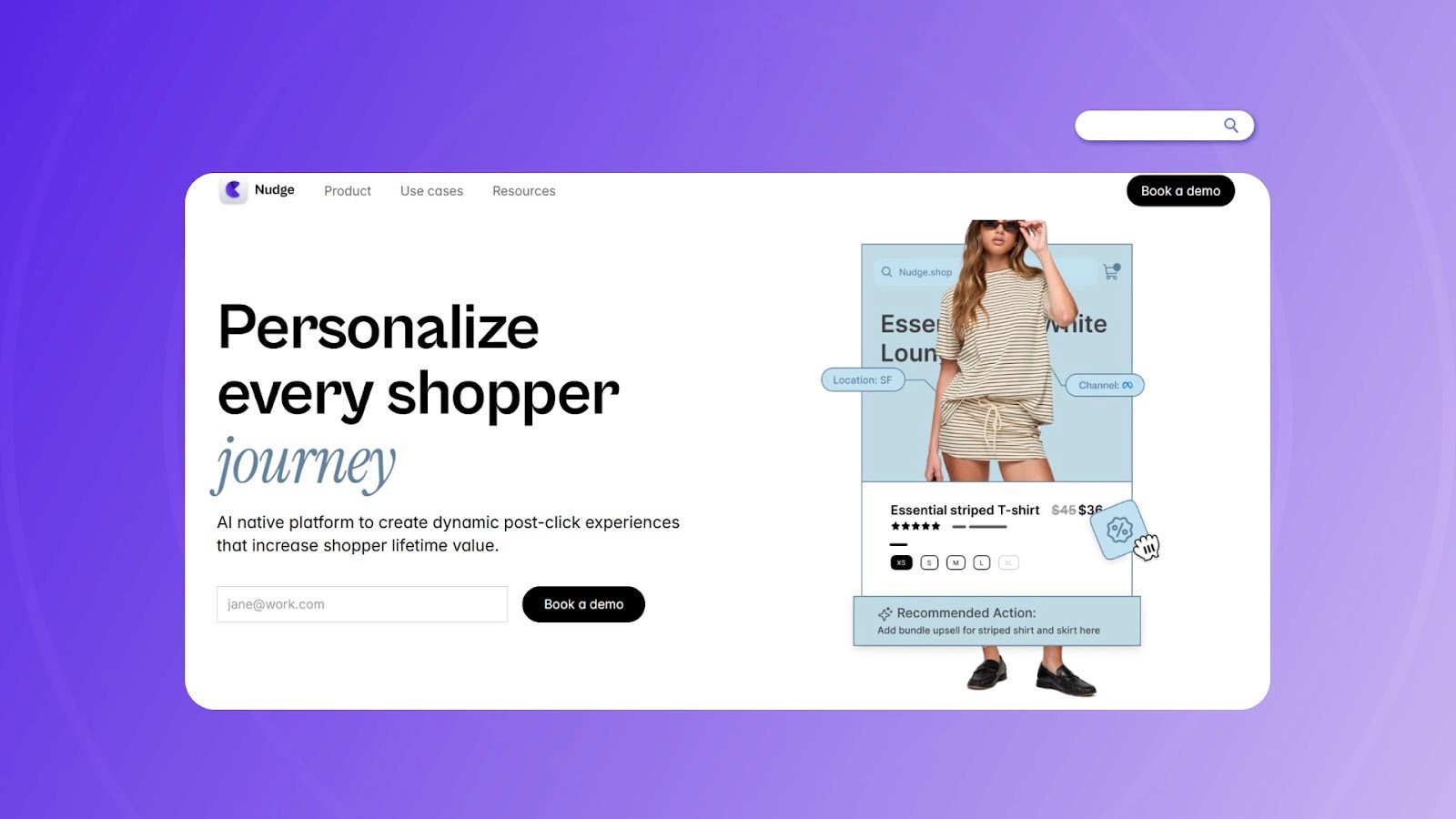
Nudge AI delivers real-time personalization by adapting product grids, offers, and content based on user behavior. It optimizes the shopping journey across PDPs, carts, and checkouts, helping brands enhance CVR and AOV without development dependencies.
Key Features:
AI Product Recommendations: Personalized product suggestions based on user activity.
Contextual Nudges: Pop-ups based on exit intent, time-on-page interactions.
Commerce Surfaces: Real-time landing page adjustments to boost conversions.
Real-Time Adjustments: Content shifts based on user actions in real-time.
Pros:
Boosts CVR and AOV with personalized recommendations.
Seamlessly integrates with Shopify and other major platforms.
Cons:
The initial setup may require guidance for new users.
Pricing: Custom Pricing

2. Optimizely
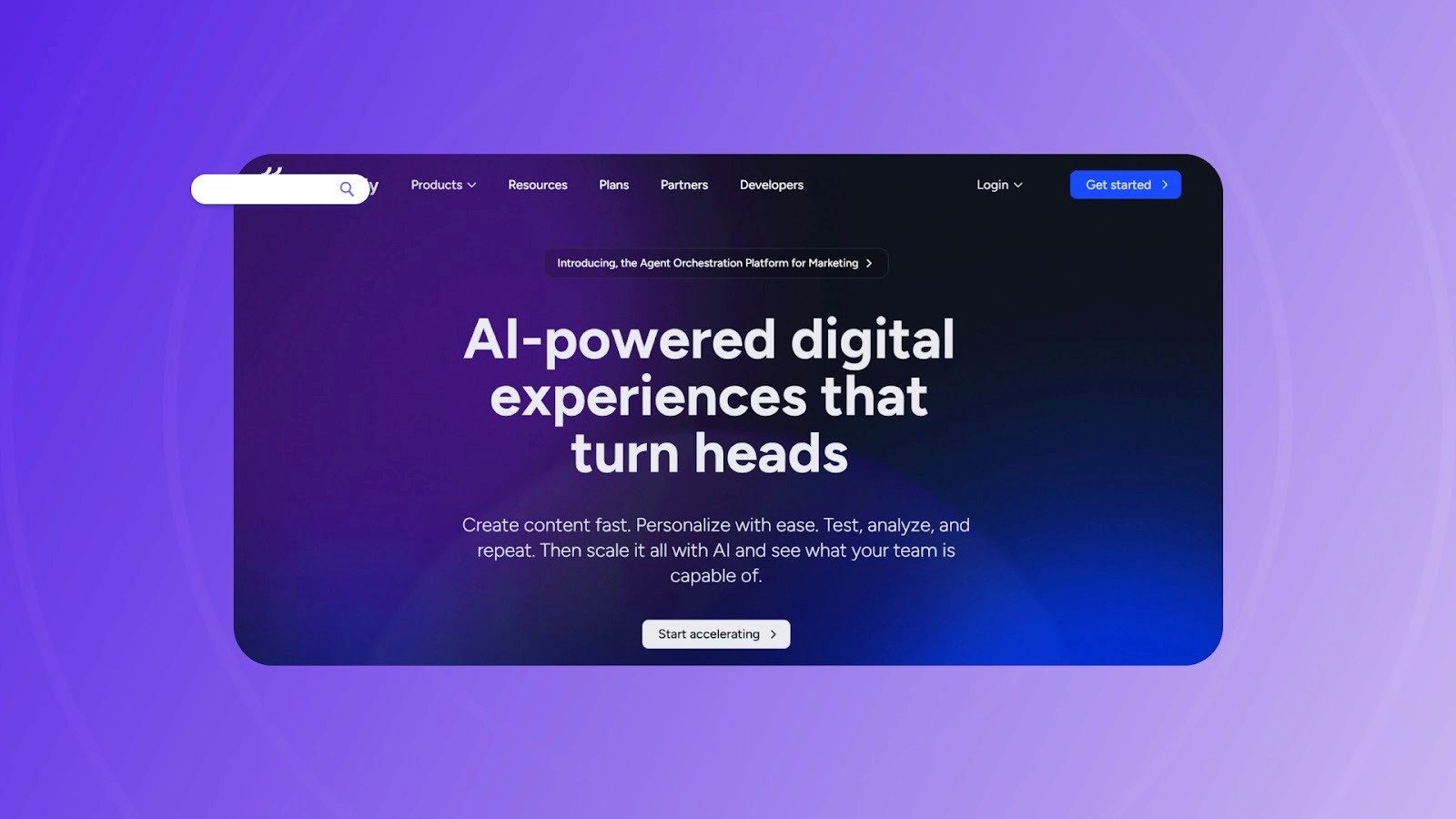
Optimizely is designed for data-driven testing and personalization at scale. It helps DTC brands experiment with different user flows, optimize conversion rates, and refine customer experiences across various platforms. It is a good choice for large brands needing robust testing capabilities.
Key Features:
AI-Driven Content Personalization: Uses AI to adjust content dynamically.
Advanced Targeting: Segments users for highly tailored experiences.
Multivariate Testing: Tests multiple variations to optimize the user experience.
Visitor Segmentation: Personalized experiences based on user behavior and traffic.
Pros:
Highly scalable and suitable for large DTC brands with diverse customer bases.
Strong reporting and analytics for clear test results and optimization insights.
Cons:
The learning curve can be steep for smaller brands.
Pricing: Custom pricing
3. VWO (Visual Website Optimizer)
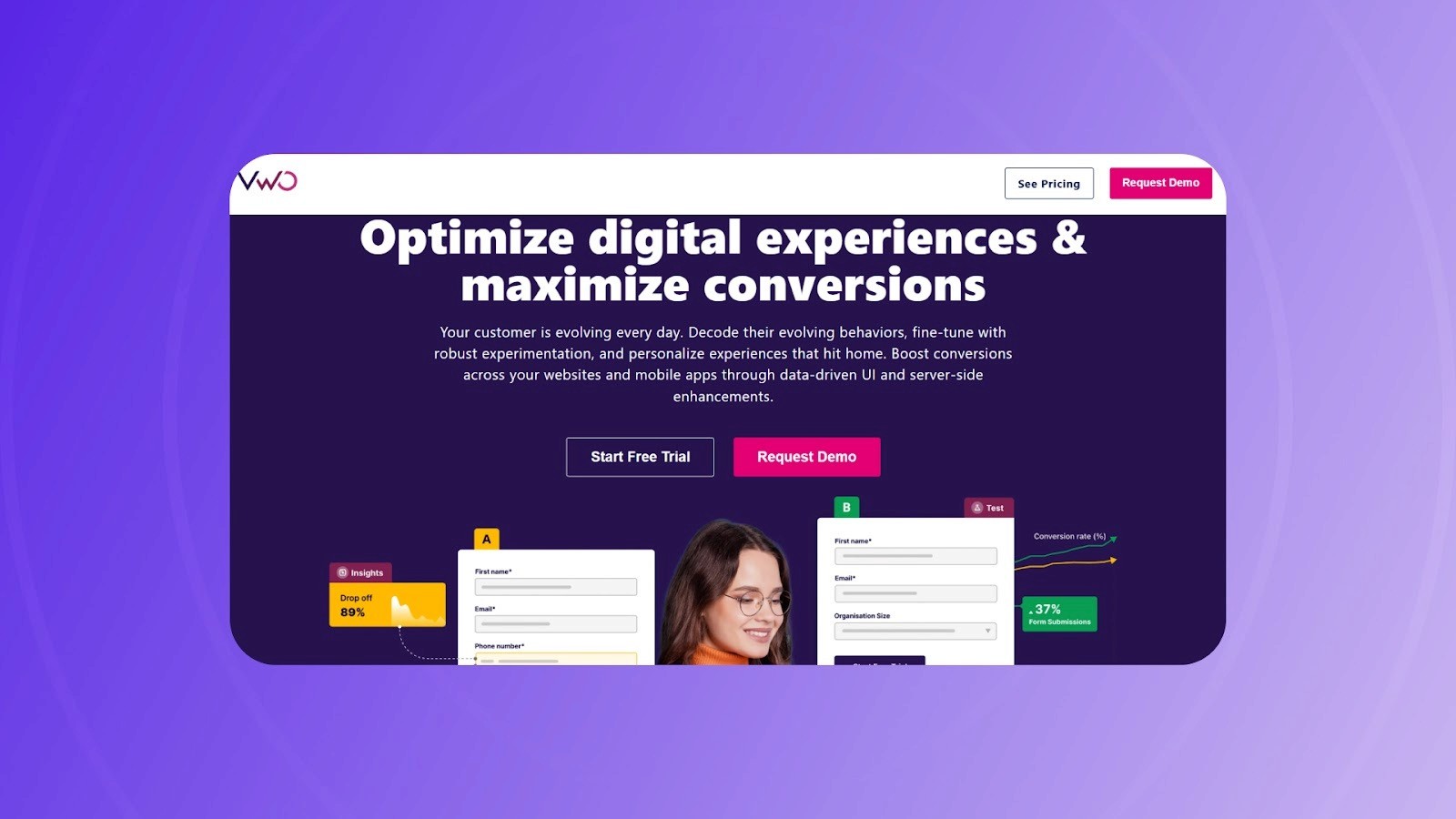
VWO offers a complete conversion optimization suite, designed to help DTC brands continually refine user experiences with powerful insights. It empowers brands to optimize customer journeys at every stage, from discovery to conversion, maximizing ROI with actionable data.
Key Features:
Predictive Analytics: Uses data to predict and recommend optimal strategies.
Heatmaps & Session Recordings: Visual tools to understand user behavior and pain points.
A/B Testing: Test different variations to optimize content and layout.
Personalization: Dynamic content adjustment based on user preferences.
Pros:
A comprehensive suite for all stages of conversion optimization.
Strong at data interpretation and actionable insights.
Cons:
Higher cost may limit use for smaller or medium-sized DTC brands.
Advanced features might require more time to master.
Pricing:
Enterprise: Request Pricing
Pro: $935/month (billed annually)
Growth: $465/month (billed annually)
4. Unbounce
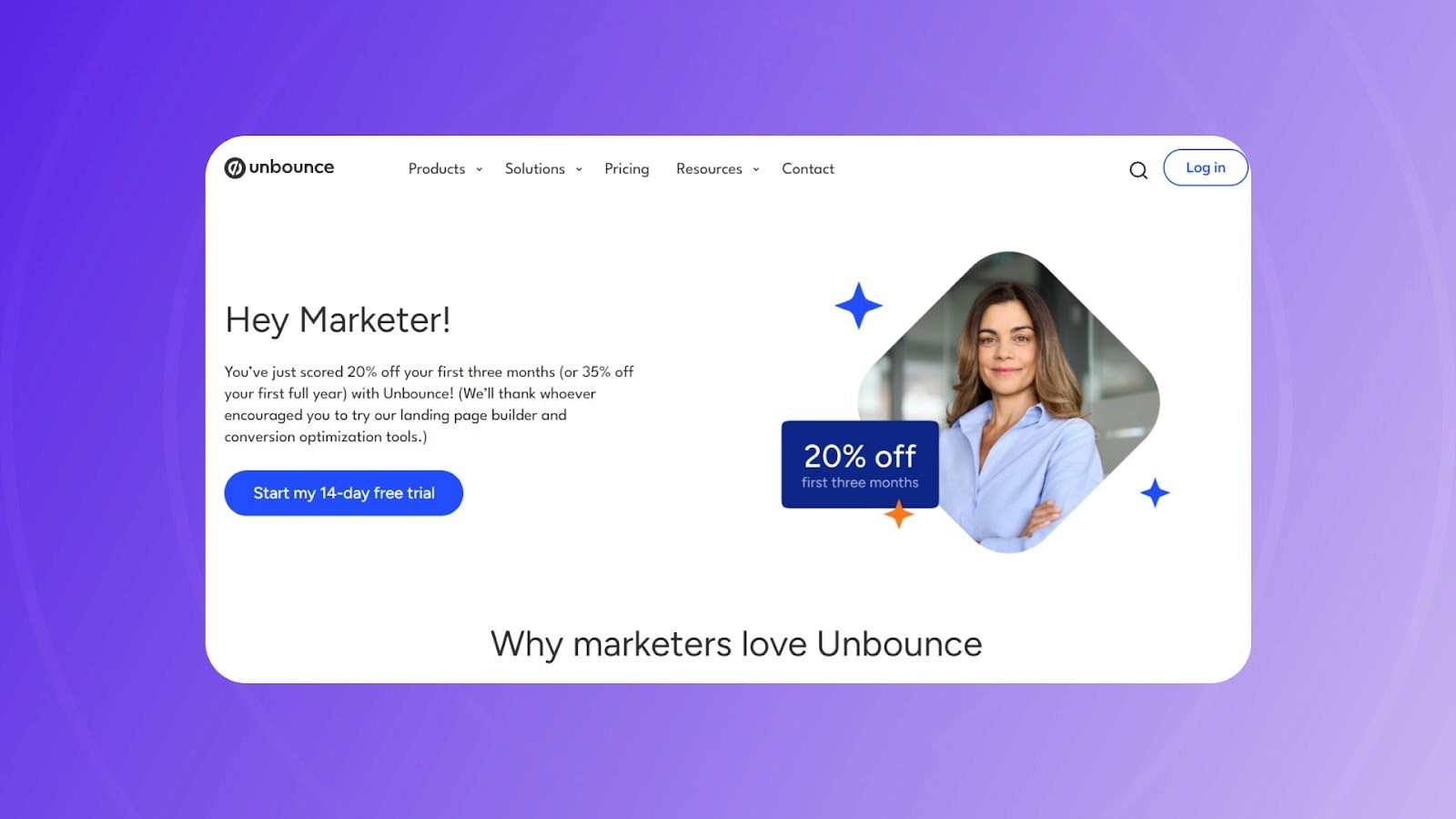
Unbounce specializes in landing page optimization, providing AI copywriting, A/B testing, and real-time analytics. This tool enables DTC brands to quickly create optimized, high-converting landing pages without developer dependency.
Key Features:
Dynamic Text Replacement: Adapts content to reflect user information.
AI Copywriting: Generates content based on data to enhance conversions.
A/B Testing: Quickly test different landing page elements for better performance.
Pre-built Templates: Ready-to-use templates optimized for high conversion rates.
Pros:
User-friendly and doesn’t require coding knowledge.
Great for small to medium-sized DTC brands looking for fast implementation.
Cons:
Lacks some advanced features like Omnichannel Personalization for large-scale personalization.
Primarily focused on landing pages, not a full eCommerce optimization suite.
Pricing:
Build: $74/month (or $99 billed annually)
Experiment: $112/month (or $149 billed annually)
Optimize: $187/month (or $249 billed annually)
Agency: Custom Pricing
Also Read: Predicting Customer Behavior with Data and AI
5. Crazy Egg
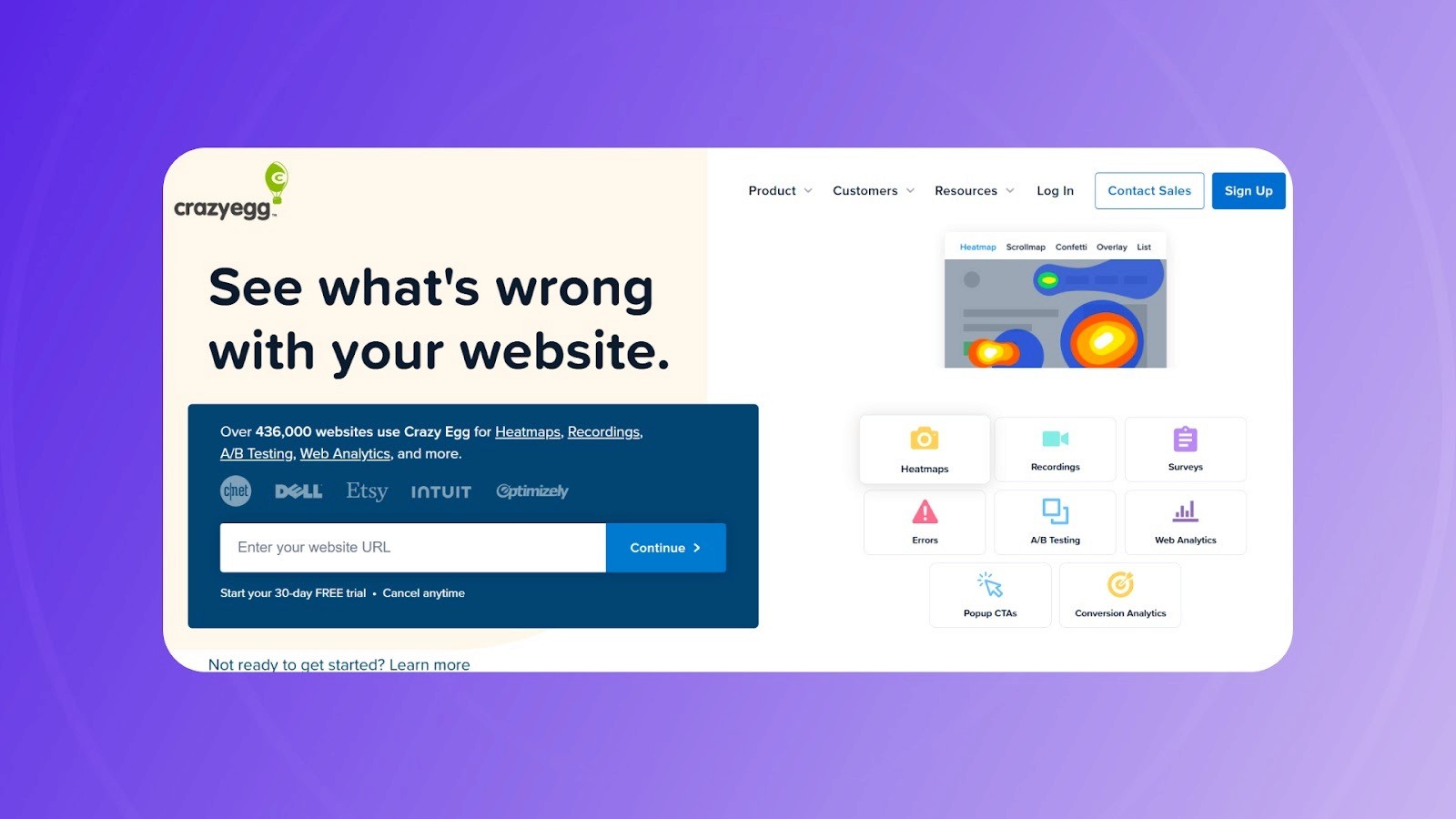
Crazy Egg offers heatmaps, session recordings, and A/B testing to help DTC brands understand how users interact with their sites. This tool is invaluable for optimizing the user experience and pinpointing areas that need improvement to boost conversions.
Key Features:
Heatmaps: Visual representation of user clicks and interactions.
Session Recordings: Watch users navigate the site to identify friction points.
A/B Testing: Test different page versions for improved performance.User Journey Mapping: Track user flows to improve engagement and reduce drop-offs.
Pros:
Provides powerful visual insights into user behavior.
Affordable pricing compared to other comprehensive CRO tools.
Cons:
Lacks advanced personalization capabilities for deeper eCommerce optimization.
Limited integrations with some niche eCommerce platforms.
Pricing:
Starter: $29/month
Plus: $99/month
Pro: $249/month
Enterprise: $599/month
6. Hotjar
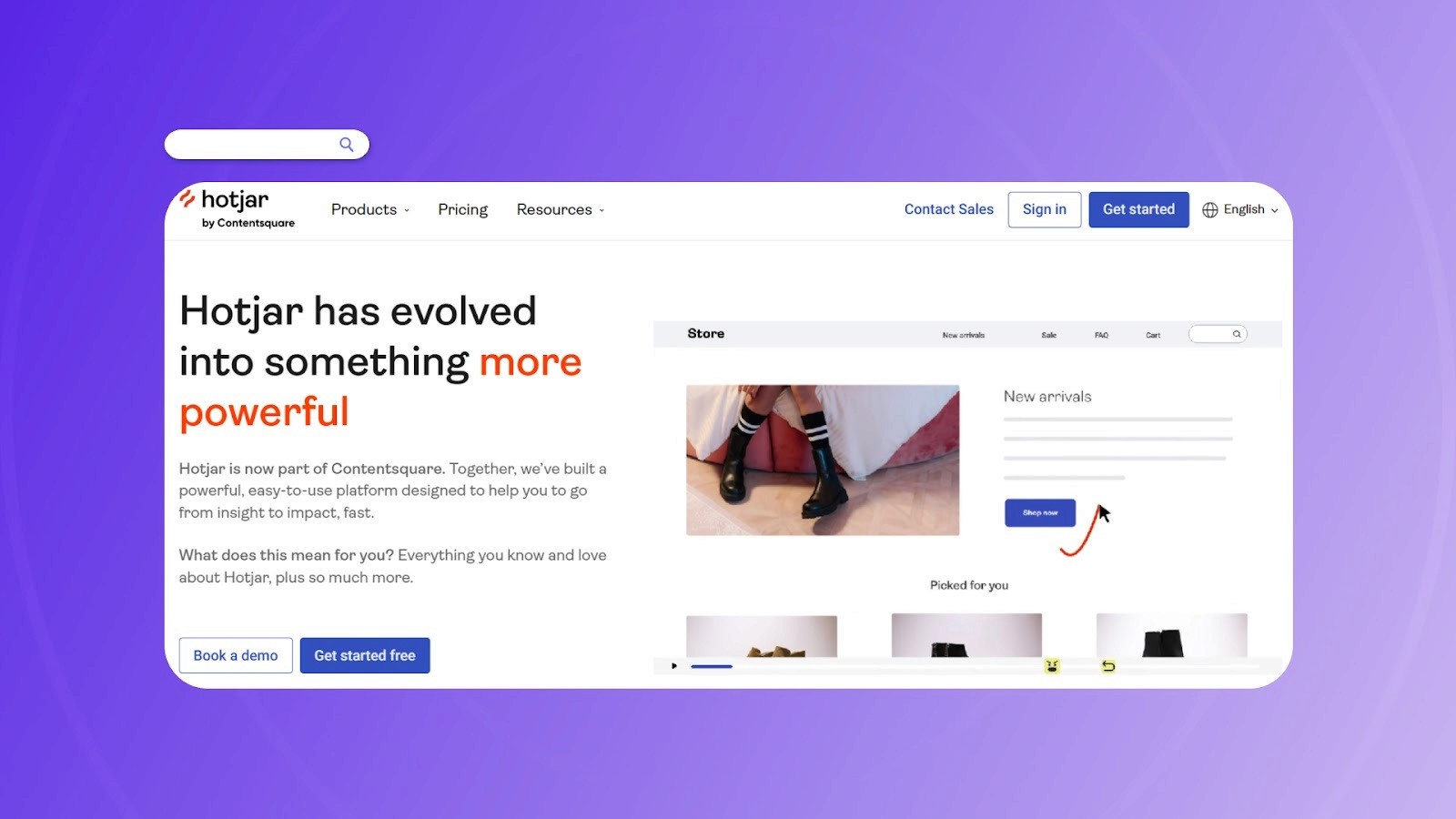
Hotjar is known for its behavioral analytics and user feedback tools. It helps DTC brands understand user pain points by tracking user behavior, providing heatmaps, session recordings, and surveys to optimize conversion funnels.
Key Features:
Heatmaps: See where visitors engage with your pages.
Session Recordings: Gain insights into how users behave during their sessions.
User Feedback Tools: Gather feedback directly from users with surveys and polls.
Behavioral Analytics: Track how users interact with various touchpoints.
Pros:
Excellent for identifying conversion bottlenecks and user issues.
Offers both qualitative and quantitative data for deeper insights.
Cons:
Limited A/B testing functionality compared to other tools.
May require more advanced analytics tools for detailed data.
Pricing:
Free: $0
Growth: $49/month (or $40/month with discount)
Pro: Custom Pricing
Enterprise: Custom Pricing
7. Kameleoon
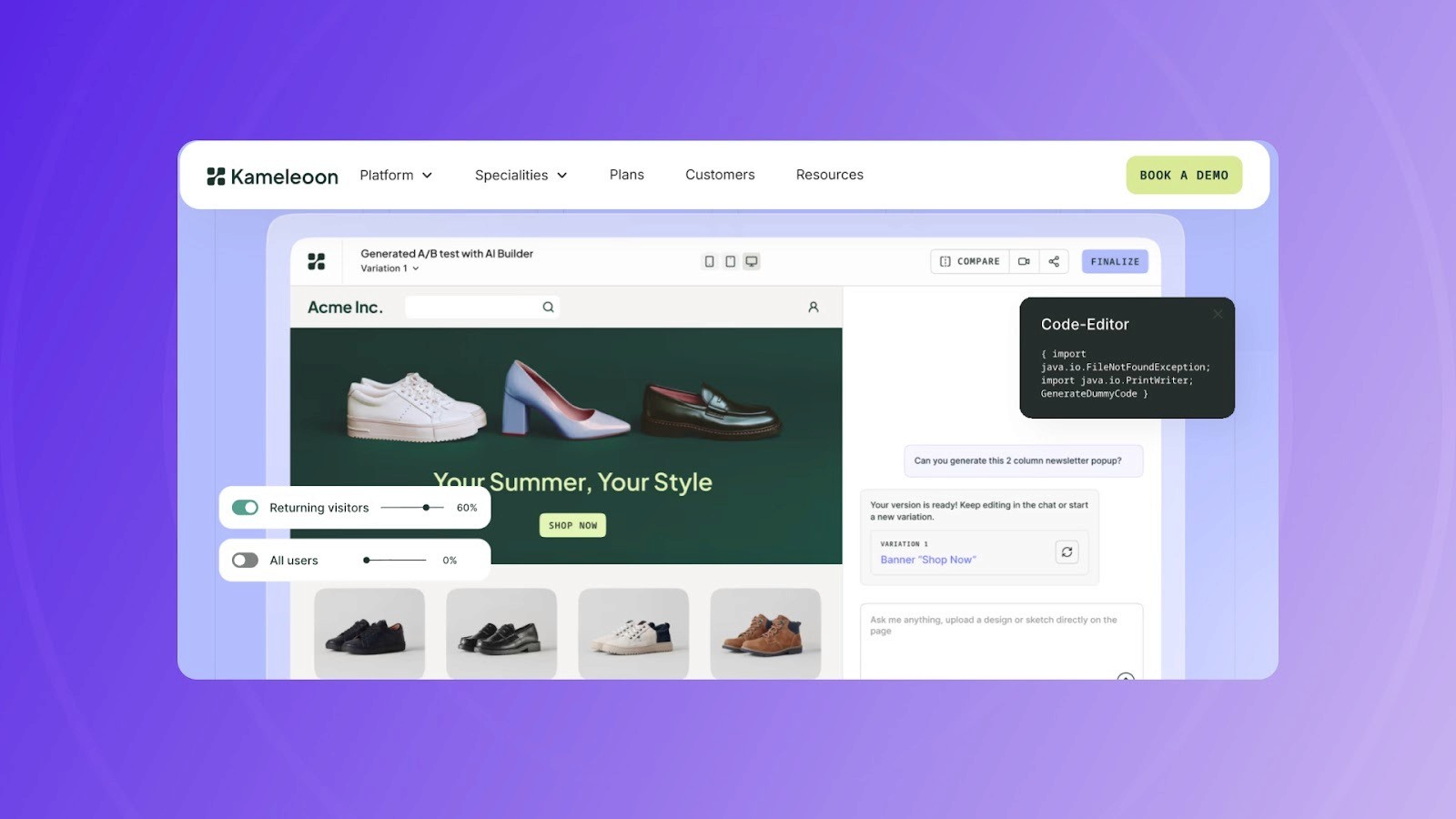
Kameleoon is a real-time personalization platform tailored for DTC brands, focusing on optimizing customer experiences with advanced visitor segmentation and predictive analytics. It helps brands scale personalized content and boost conversions without complex development cycles.
Key Features:
Real-Time Personalization: Content adapts instantly based on user actions.
Advanced Visitor Segmentation: Segment visitors for personalized experiences.
A/B Testing: Test and optimize various site elements for conversions.
Predictive Analytics: Use data to predict user intent and personalize content.
Pros:
Real-time adjustments lead to immediate impact on conversions.
Ideal for brands focused on scalable personalization across user segments.
Cons:
It may have a learning curve for smaller brands unfamiliar with advanced tools.
Higher price point, which could be a barrier for new DTC businesses.
Pricing:
Free Starter Trial: $0
Starter: $495/month
Enterprise: Custom Pricing
8. LimeSpot
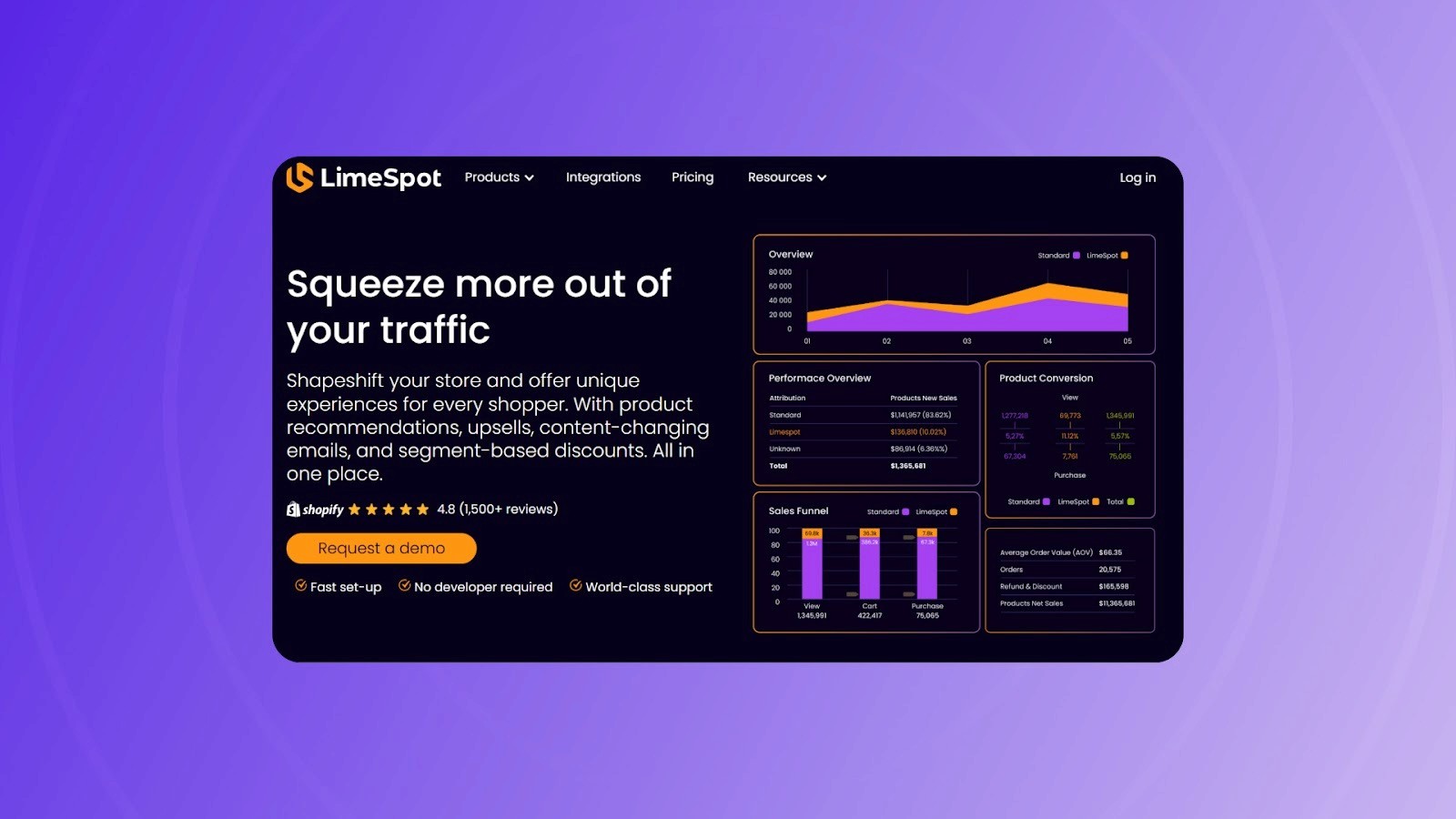
LimeSpot enhances eCommerce conversion by delivering personalized product recommendations powered by AI. Ideal for Shopify-based DTC brands, it boosts AOV and CVR through real-time dynamic recommendations, making it a go-to solution for improving the shopping experience and increasing revenue.
Key Features:
Product Recommendations: Personalized based on shopping behavior.
Upsell & Cross-Sell: Recommends complementary products to boost sales.
Real-Time Personalization: Adjusts recommendations based on user behavior.
Seamless Shopify Integration: Easy integration with Shopify for quick setup.
Pros:
Tailored recommendations help increase sales per user.
Shopify integration ensures fast deployment with minimal hassle.
Cons:
Exclusively available for Shopify, limiting use for non-Shopify brands.
It can become costly as your store expands and requires more advanced features.
Pricing:
LimeSpot Turbo: $0
LimeSpot Max: $50 per 30 days
9. Five Second Test by Lyssna
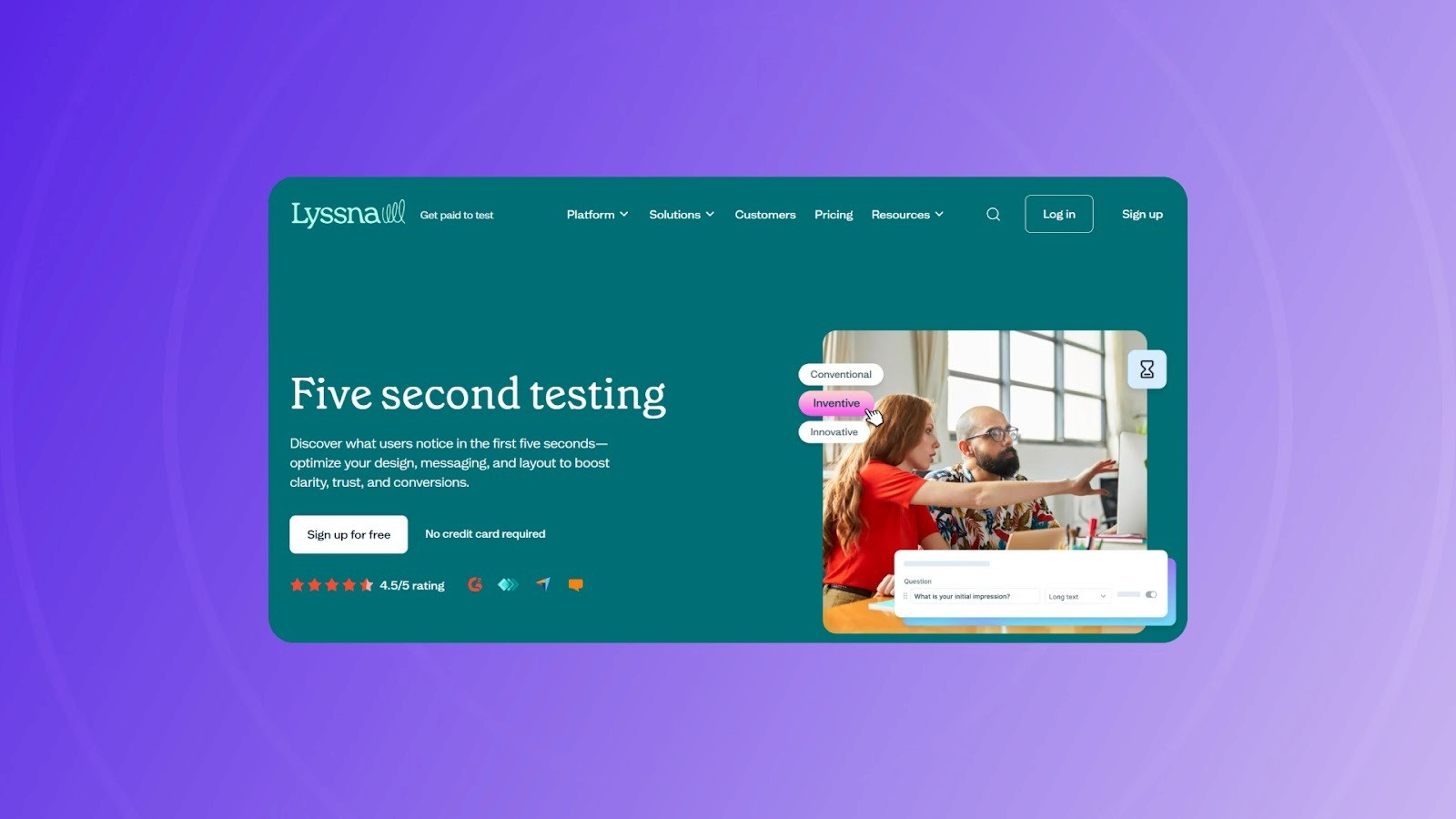
Lyssna’s Five Second Test evaluates how well users perceive and understand your site in just five seconds. This tool is important for DTC brands to optimize first impressions and reduce bounce rates.
Key Features:
First-Impression Testing: Evaluate if visitors understand your site quickly.
Quick User Feedback: Immediate responses to how users perceive content.
Customizable Testing: Tailor tests to key design elements.
Rapid Results: Get instant insights to implement changes quickly.
Pros:
Quick feedback ensures you can optimize your site’s first impression.
Ideal for brands aiming to reduce bounce rates.
Cons:
Only focuses on first impressions, lacking deeper insights into user behavior.
Less effective for sites with complex user flows.
Pricing:
Free: $0/month
Basic: $75/month
Pro: $175/month
Enterprise: Custom Pricing
10. PostHog

PostHog is a comprehensive product analytics tool that excels in feature experimentation, funnel analysis, and behavioral tracking. It helps DTC brands optimize the entire user journey from landing page to checkout.
Key Features:
Product Analytics: Gain detailed insights into how users interact with your site.
Feature Experimentation: Test new features before wide release.
Funnel Analysis: Track where users drop off in the funnel.
Event Tracking: Capture user actions for more granular data.
Pros:
Advanced behavioral tracking to optimize user experience.
Excellent for feature testing and improving new product features.
Cons:
Requires technical expertise for full integration and setup.
Pricing:
Pay-per-use with generous monthly free tiers
Also Read: How is Click Through Rate Different from Conversion Rate?
How to Drive Greater Revenue and Efficiency with CRO Tools?
To truly maximize the ROI of your CRO tools, keep the following strategies in mind:
1.Continuous Testing and Iteration
Instead of settling for one variation, consistently test different product page layouts, checkout flows, and promotional banners. For example, test a simplified checkout process or different product image arrangements to reduce cart abandonment. Continuously iterate based on the data to identify the most effective combinations.
2.Real-Time Personalization
Use AI-driven tools like Nudge to dynamically adjust product recommendations, promotions, and content based on shopper behavior. For instance, if a shopper spends 2 minutes on a product page without adding it to their cart, trigger a contextual nudge that highlights bestsellers or offers a limited-time discount.
3.Measure Success with Real-Time Data
Track key performance metrics like bounce rate, AOV, and CVR with tools such as Google Analytics. For example, if your AOV is lower than expected, use data to identify where users drop off, and adjust your upsell and cross-sell strategies accordingly to increase average spend per customer.

Conclusion
To drive higher conversions, improve AOV, and lower CAC, brands need CRO tools that move as fast as their shoppers. Nudge AI delivers exactly that with real-time, AI-powered personalization that tailors content, recommendations, and offers based on shopper intent. It helps DTC brands achieve measurable results without complex development or lengthy optimization cycles.
With Nudge AI, your eCommerce site becomes a high-converting sales engine, continuously improving the customer journey and delivering personalized experiences.
Ready to enhance your CRO strategy and grow your DTC brand? Book a demo today and start optimizing your shopper journey with AI-powered personalization.
Frequently Asked Questions
1. What are some top strategies for conversion optimization?
Top strategies for conversion optimization in eCommerce include A/B testing product pages, personalizing experiences using AI, optimizing checkout flows, using exit-intent pop-ups to recover abandoned carts, and simplifying the mobile experience for seamless shopping.
2. What is a good conversion rate for an online store?
A good conversion rate varies based on industry, target audience, and marketing strategies. Higher rates indicate effective engagement and optimization efforts in driving sales and customer actions.
3. What tools are best for tracking and optimizing conversion rates?
Some of the best tools for tracking and optimizing conversion rates include Google Analytics, Nudge, VWO, Optimizely, Crazy Egg, and Hotjar. These tools offer A/B testing, heatmaps, user behavior tracking, and analytics for data-driven CRO decisions.
4. What are the most famous examples of conversion rate optimization?
Notable CRO examples in eCommerce include Glossier’s personalized product recommendations, Warby Parker’s virtual try-on feature, and Dollar Shave Club’s subscription model. These brands optimize customer journeys through tailored experiences, increasing engagement, conversions, and average order value.