Ecommerce Personalization
10 Proven Ecommerce Personalization Tips & Must-Haves for Higher Conversions
Explore 10 proven ecommerce personalization tips to create real-time, data-driven shopping experiences that increase conversions, and build lasting customer loyalty.

Kanishka Thakur
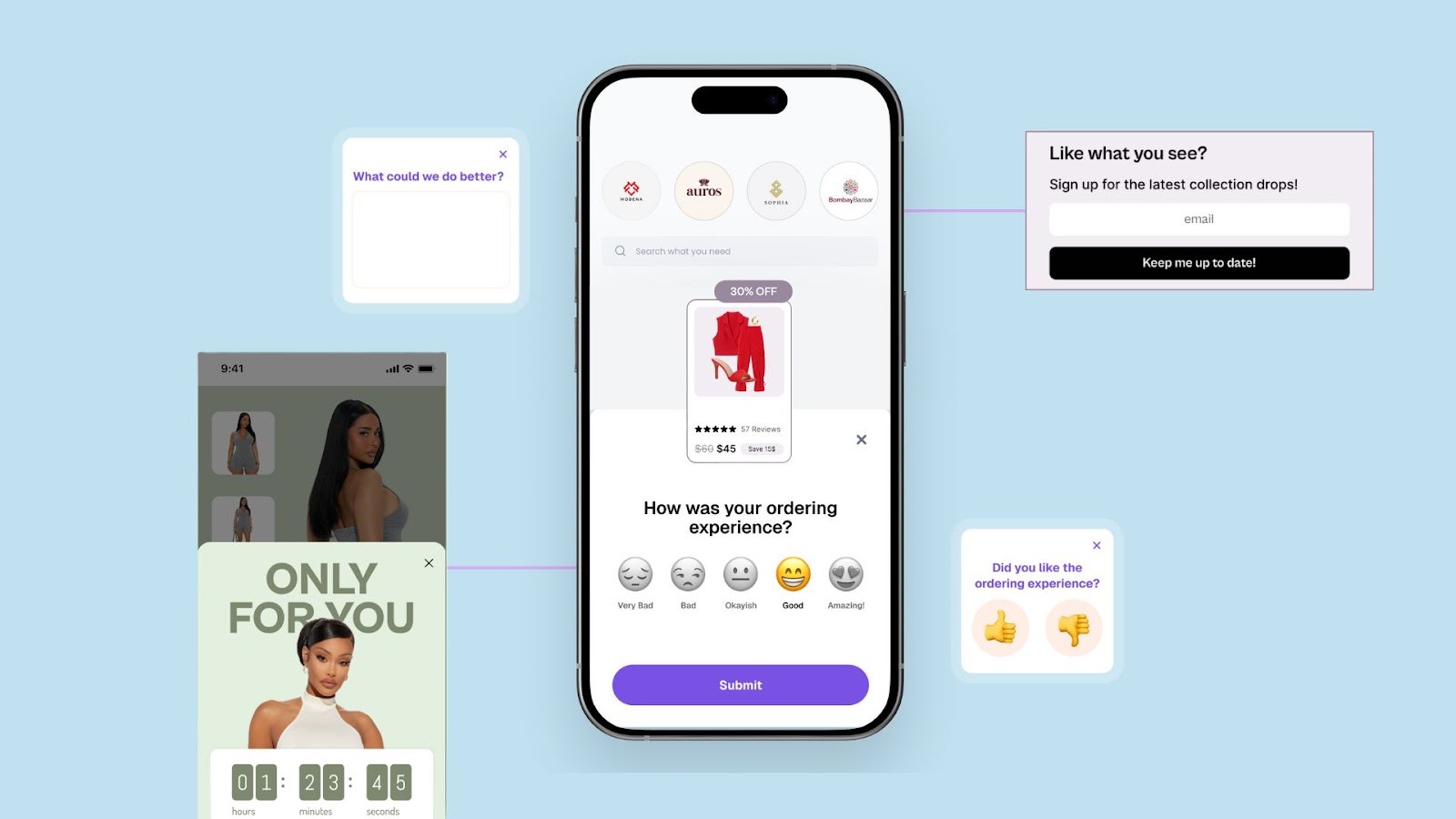





Modern shoppers expect personalized shopping experiences that feel relevant to their tastes and needs. As an ecommerce brand owner or marketer, you’ve likely noticed how quickly visitors lose interest when a site feels generic.
Studies show that 80% of consumers are more likely to buy from brands that offer personalized experiences, while 43% get frustrated when content isn’t tailored to them. Yet many ecommerce sites still show the same products, layouts, and offers to every visitor.
To fix this, personalization needs to go beyond basic recommendations. It’s about creating adaptive shopping journeys that respond to real-time behavior and preferences. Every interaction should make the shopper feel understood and guide them closer to what they want.
In this guide, we’ll share proven ecommerce personalization tips and must-have tactics that help you build meaningful connections, improve engagement, and increase conversions through personalized, data-driven experiences.
Key Takeaways
Personalization has a direct impact on ecommerce sales, with 80% of shoppers preferring brands that tailor experiences to their needs and interests.
Real-time personalization plays a crucial role in improving engagement. By using AI and behavioral insights, ecommerce teams can instantly adapt to shopper intent and deliver more relevant interactions.
Unified customer data leads to more accurate personalization. When insights from all touchpoints are centralized, brands can recommend products and experiences that truly match customer preferences.
Predictive tools make product discovery smoother and faster. By anticipating shopper needs, brands can reduce friction, shorten decision times, and increase conversions.
Ethical personalization builds lasting trust. Being transparent about how customer data is collected and used helps strengthen relationships and encourages repeat purchases.
What is Ecommerce Personalization and Why It Matters
Ecommerce personalization is about creating shopping experiences that feel relevant to every visitor. Instead of showing the same products or offers to everyone, your site adjusts in real time based on what each shopper views, clicks, and prefers.
Personalization also helps build stronger relationships. When shoppers feel that your brand understands their needs, they’re more likely to trust you, return to your store, and spend more.
For ecommerce brands, personalization isn’t just about improving user experience, it’s a powerful way to drive growth. It helps you:
Show the right products: Recommend items based on browsing habits, like showing skincare sets to someone viewing moisturizers.
Keep shoppers interested: Update pages in real time with trending or complementary products that match what they’re exploring.
Guide visitors to buy: Highlight bestsellers, price drops, or limited-time bundles that match their purchase intent.
Make return visits feel special: Remind them of recently viewed items or suggest upgrades from their last purchase.
Encourage repeat sales: Offer personalized bundles or reorders based on past purchases and preferences.
By applying these ecommerce personalization tips with Nudge, you can deliver real-time experiences that adapt to every shopper’s intent. Use behavioral insights to shape dynamic product displays, personalized bundles, and motivation-based offers that appear exactly when shoppers are most likely to buy.
Integrate these experiences across key touchpoints like product pages, carts, and checkout flows to maintain relevance and momentum throughout the journey.

With this foundation in place, let’s move on to the ecommerce personalization tips that make personalization truly work at scale.
Top 10 Ecommerce Personalization Tips & Must-Haves for Brands
Ecommerce personalization today is about more than using a shopper’s name or showing recently viewed products. It’s about responding to every action in real time and designing experiences that feel uniquely relevant to each visitor.
When personalization is done right, it increases conversions, raises average order value (AOV), and builds long-term customer loyalty.
To make this possible, your ecommerce strategy should be built on these ten essentials.
Unified Customer Data
Real-Time Adaptation
AI-Driven Decisioning
Seamless Integrations
Scalable Automation
Contextual Targeting
Predictive Product Discovery
Adaptive Content Layouts
Cross-Channel Consistency
Ethical and Transparent Data Use
Let’s understand each in detail.
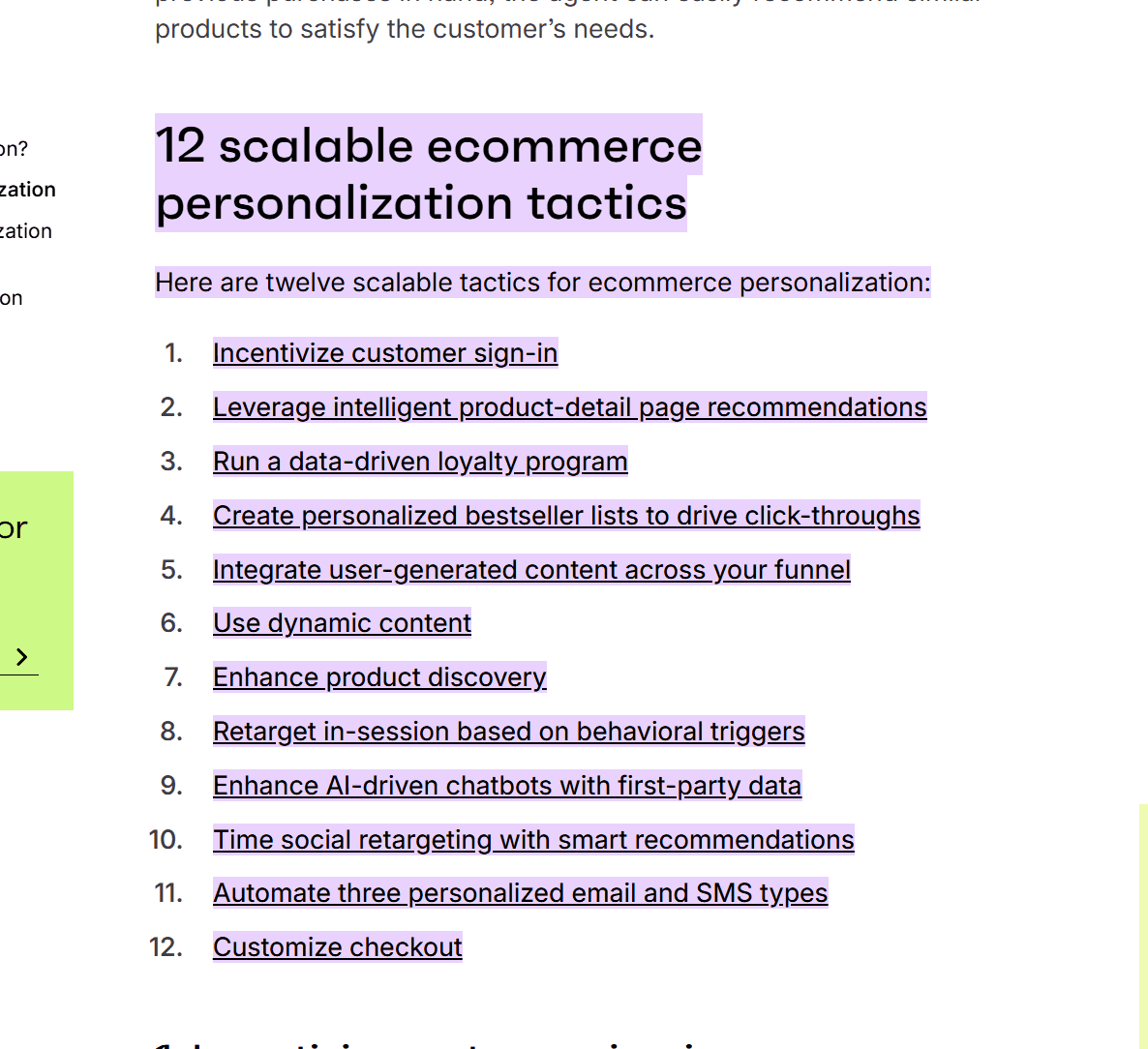
1. Unified Customer Data
Everything starts with connected data. Collecting behavioral, transactional, and engagement insights from your website, app, and marketing channels allows you to build a single customer profile. This unified view helps your team understand what drives each visitor’s decisions and what keeps them engaged.
Example:
Amazon connects data from every touchpoint to create detailed customer profiles. Each interaction from search to checkout feeds into a single source of truth, allowing its recommendation engine to serve products that match current intent and shopping habits.
2. Real-Time Adaptation
The most effective real-time personalization happens instantly. As shoppers browse, add items to their cart, or hesitate at checkout, your system should respond in real-time with updated recommendations, layout changes, or tailored offers that match their current behavior.
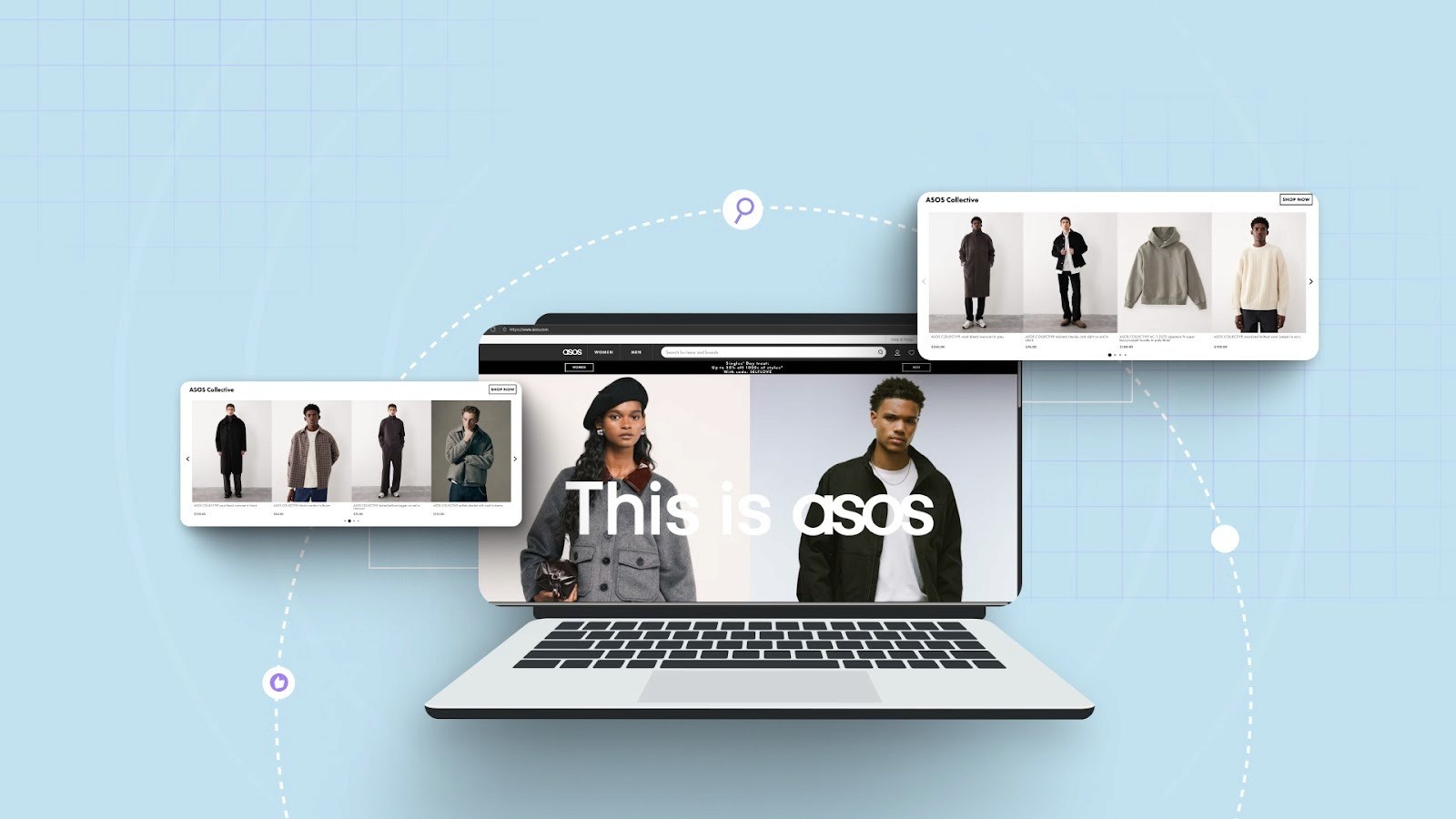
Example:
ASOS refreshes its homepage feed based on live browsing data. If a user spends time exploring sneakers, the next visit highlights new arrivals and related styles, keeping the shopping journey relevant without any extra effort.
3. AI-Driven Decisioning
AI helps turn data into decisions. By identifying patterns and predicting intent, AI enables your brand to deliver experiences that feel intuitive from suggesting the right products to recommending the best time for engagement.
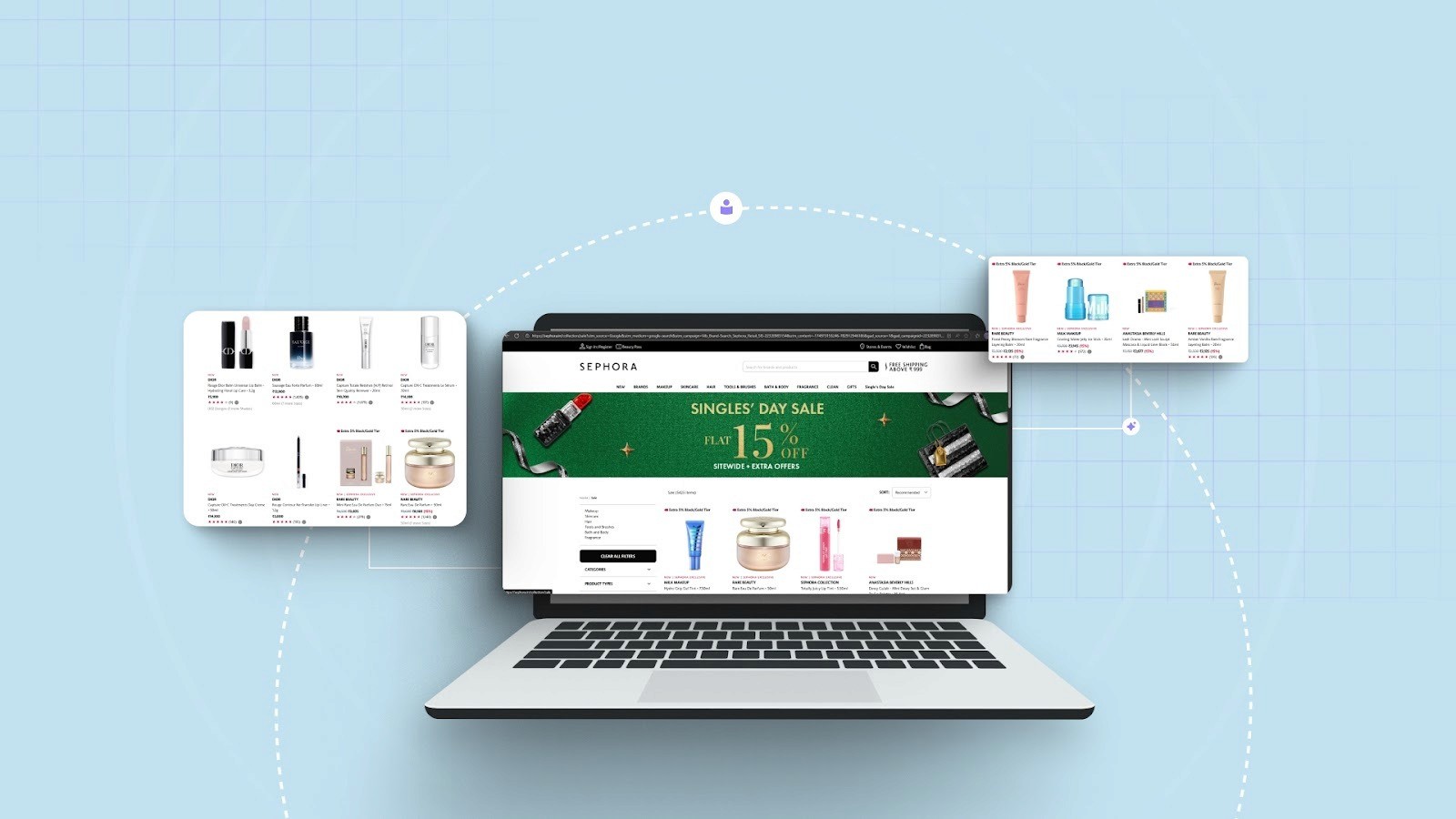
Example:
Sephora uses AI in its “Beauty Insider” program to tailor product recommendations. Based on past purchases and browsing behavior, it personalizes suggestions for each user, reducing decision fatigue and improving satisfaction.
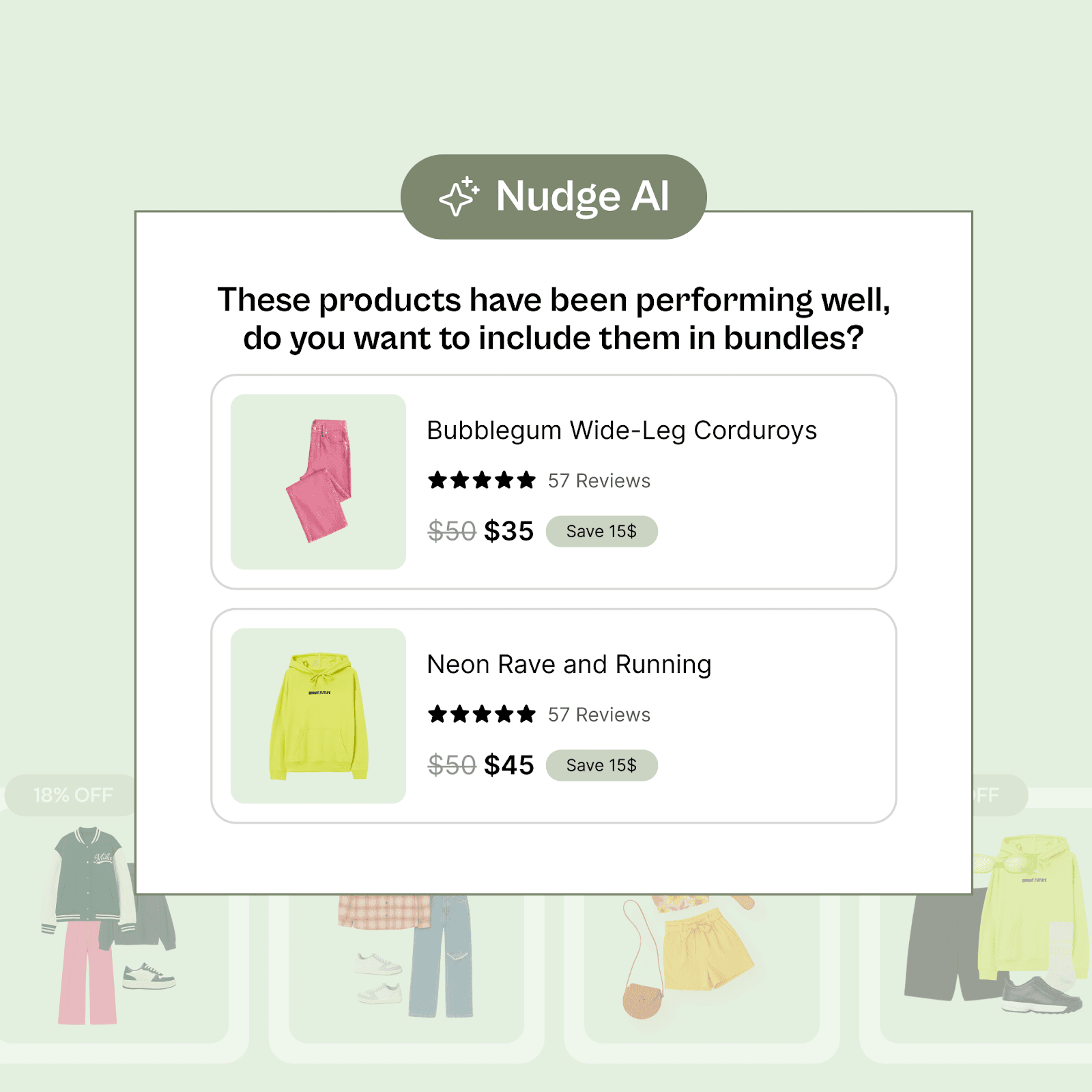
With Nudge’s 1-1 personalization and adaptive commerce surfaces, you can create shopping experiences that match each visitor’s intent in real time.
By using deep behavioral insights, you can adjust product recommendations, layouts, and offers dynamically, making every interaction feel personal, timely, and relevant.

4. Seamless Integrations
True personalization depends on how well your systems work together. When your ecommerce platform, CRM, analytics, and marketing automation tools share data smoothly, you can deliver personalized experiences without technical barriers or delays.
Example:
Nike integrates its online store, mobile app, and brand loyalty system to keep customer data consistent. A member browsing online sees matching product drops and offers inside the app, maintaining continuity across every interaction.
Also Read: Improving E-commerce Success with Nudge’s Customer Experience Tools
5. Scalable Automation
As your product catalog and audience grow, personalization should evolve with them. Automation ensures that your recommendations and targeting stay accurate and efficient as your scale increases.
Example:
Zalando relies on machine learning to automatically refresh its recommendation feeds. As shoppers interact with new styles or categories, its system adapts instantly, keeping every visit engaging and up to date.
6. Contextual Targeting
Personalization becomes more relevant when it reacts to the shopper’s context location, time, or device. This ensures that what they see fits their situation and intent in real time.
Example:
IKEA adjusts homepage banners and featured items based on location and season. A shopper in a colder region sees winter essentials, while another in a tropical market sees outdoor furniture, creating context-aware engagement.
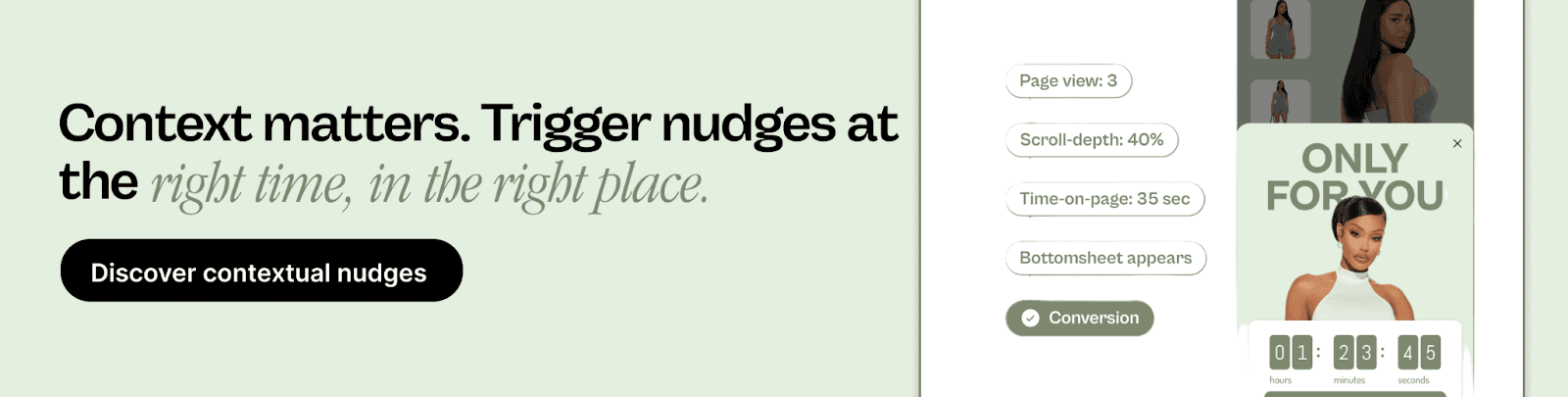
With Nudge, ecommerce and DTC brands can apply these 10 proven personalization tips to turn every shopper visit into a conversion opportunity.
By combining AI Product Recommendations and Contextual Nudges, Nudge reads real-time signals such as browsing patterns, time on page, and purchase intent to tailor product displays and offers instantly.
7. Predictive Product Discovery
Personalization is not only about responding to behavior, it’s also about anticipating it. Predictive discovery uses AI to surface the right products before the shopper begins searching, turning curiosity into conversion.
Example:
Walmart’s predictive system analyzes shopping frequency and preferences to recommend refill reminders and complementary products, helping users find what they need before they realize it.
8. Adaptive Content Layouts
Every visitor interacts differently. Adaptive layouts reorganize your content based on behavior, so shoppers always see what matters most to them, whether that’s trending collections, discounts, or editorial features.
Example:
Etsy adjusts homepage modules based on browsing history. If someone explores handmade pottery, related categories like kitchen décor appear more prominently, guiding discovery naturally.
Also Read: Top Ecommerce Marketing Automation Strategies for 2025
9. Cross-Channel Consistency
Shoppers move between your website, app, and social channels without thinking twice. Consistent personalization across these touchpoints builds recognition, trust, and familiarity throughout their journey.
Example:
Adidas keeps personalization aligned across channels. When users browse a shoe collection online, they later receive tailored app notifications promoting similar products and accessories, ensuring a continuous experience.
10. Ethical and Transparent Data Use
Trust is the foundation of long-term personalization. Being transparent about how data is collected and used shows that your brand values privacy, which increases customer confidence and willingness to share information.
Example:
Apple maintains transparency in its App Store recommendations, offering relevant suggestions while protecting user data. This balance between personalization and privacy strengthens customer loyalty over time.
When these ten essentials work together, personalization becomes effortless, adapting to every action and emotion across the shopper journey.
While personalization offers huge potential, implementing it effectively comes with challenges.
4 Core Challenges Limiting Ecommerce Personalization Success
Personalization is now an expectation for online shoppers, not just an added feature. Yet many ecommerce teams find it difficult to deliver experiences that feel truly relevant in real time. The gap often lies between what brands want to offer and what their systems can support.
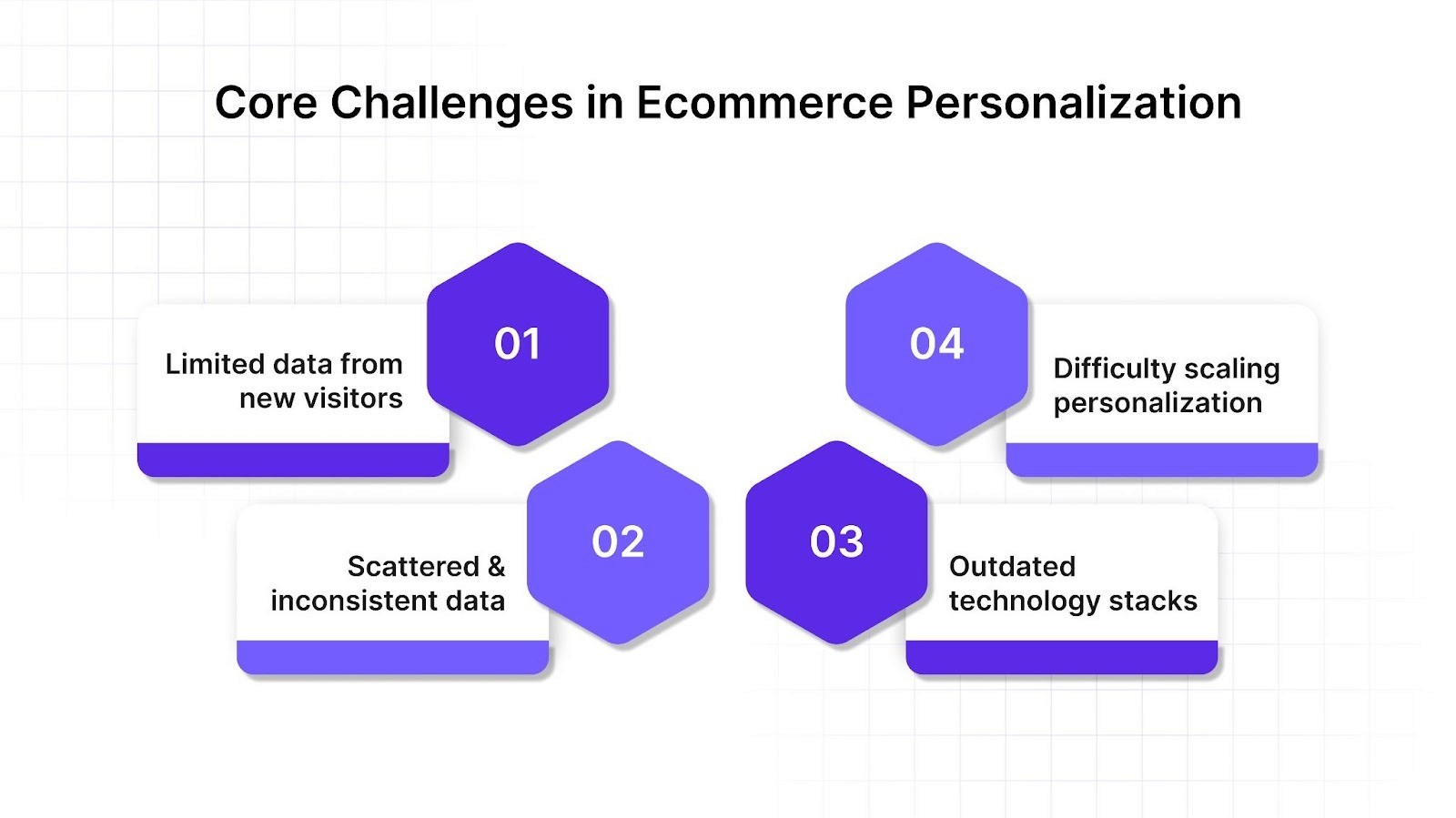
Here are some of the most common challenges in ecommerce personalization:
1. Limited data from new visitors: It’s hard to personalize for first-time shoppers when there’s no browsing or purchase history to guide recommendations.
2. Scattered and inconsistent data: Customer insights often sit in different tools like analytics, CRM, and advertising platforms, making it difficult to create a complete shopper profile.
3. Outdated technology stacks: Older ecommerce systems are not built for live personalization, making it challenging to adjust experiences as shopper behavior changes.
4. Difficulty scaling personalization: Personalization that works for a smaller audience can lose accuracy as the customer base grows, leading to less relevant recommendations..
This creates personalized experiences that increase engagement and drive more conversions.
Also Read: Understanding the Role of Personalization in Retail - Nudge
Once you recognize what’s holding personalization back, choosing the right platform becomes easier.
How to Choose the Right Ecommerce Personalization Platform?
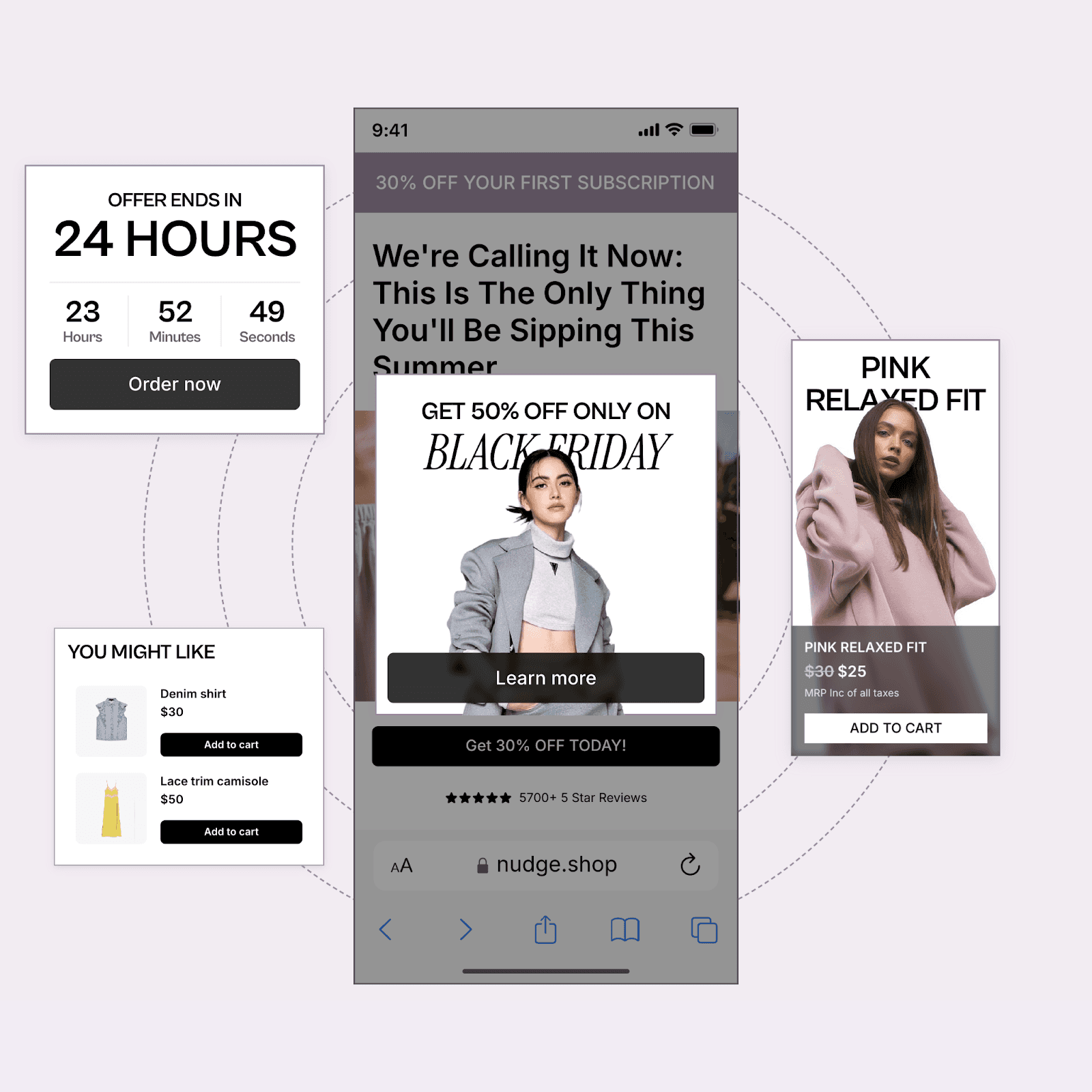
The best ecommerce personalization platform depends on your catalog size, customer behavior, and growth goals. Most leading brands use a mix of automation, behavioral psychology, and real-time data to create adaptive shopping experiences instead of relying on one-size-fits-all systems.
When selecting a platform, consider these factors:
Real-time responsiveness: The platform should instantly adjust as behavior changes like showing a discount on a product just viewed or promoting similar items based on browsing patterns.
New visitor personalization: It should personalize experiences for first-time visitors by tailoring recommendations based on their referral source or category interests.
Unified customer data: All activity across web, app, and campaigns should connect into one profile so a shopper who adds to cart on mobile can see related offers when returning on desktop.
Balanced automation: AI should handle large-scale personalization while allowing teams to fine-tune messages or layouts, such as testing product order or hero banners.
Scalability: The system must be able to easily handle larger catalogs, traffic surges, and seasonal campaigns without experiencing performance drops.
Performance insights: It should clearly show what drives engagement and conversions, like which offers convert best for high-intent or returning customers.
Nudge meets all these needs with a behavior-based personalization engine that adapts every shopper journey in real time, creating experiences that feel relevant, engaging, and effortless.
Turn Every Shopper Interaction into a Conversion Opportunity With Nudge
Most ecommerce sites still treat every visitor the same way, missing valuable opportunities to connect and convert. Today’s shoppers expect brands to anticipate their needs and personalize every interaction instantly. Achieving that across thousands of visitors can be challenging, and this is where Nudge helps.
Nudge uses behavioral data to create personalized shopping journeys that evolve in real time. Whether your customers are driven by value, trust, or exclusivity, your site automatically adjusts to reflect what motivates each purchase.
Here are some of the different ways Nudge can help you apply effective ecommerce personalization tips:
Commerce Surfaces: Personalize PDPs, PLPs, and landing pages based on behavioral profiles, traffic sources, and browsing signals that indicate purchase intent or motivation.
AI Product Recommendations: Show products that align with each shopper’s preferences, motivations, and social influences, improving both relevance and conversion rates.
Contextual Nudges: Deliver real-time prompts, offers, and messages that respond to shopper behavior, encouraging purchases at the perfect moment.
Cart Abandonment Recovery: Use behavioral triggers to recover abandoned carts. Address specific hesitation factors such as price concerns or trust-building needs.
Funnel Personalization: Shape the entire shopping experience from landing page to checkout based on user patterns, motivation types, and engagement signals.
Bundling & Recommendations: Create intelligent bundles that align with customers' lifestyles, spending habits, and purchase motivations, as identified through behavioral data.

With Nudge, you can apply these proven ecommerce personalization tips to create shopping journeys that feel truly one-to-one. Deliver tailored recommendations, adaptive product pages, and context-aware offers that match each shopper’s intent and motivation.
By applying these ecommerce personalization tips with Nudge, you can create shopping journeys that feel custom-built for every visitor, resulting in higher conversions, better AOV, and stronger long-term loyalty.
Final Thoughts
Ecommerce personalization tips aren’t just marketing tactics, they’re the key to creating shopping experiences that feel relevant and meaningful. When done right, personalization helps brands connect with customers on a deeper level, improving engagement, conversions, and long-term loyalty.
The real success lies in using data and behavioral insights to tailor every interaction from homepage recommendations to checkout offers. Shoppers today expect brands to understand their preferences and deliver exactly what they need, when they need it.
With Nudge, you can turn these personalization tips into action. Create dynamic, behavior-driven experiences that adapt in real time and keep customers coming back.
Book a demo today to see how smart personalization can power your e-commerce growth.
FAQs
1. What does eCommerce personalization mean?
eCommerce personalization is the process of tailoring every part of the shopping journey, including products, content, and offers, based on a shopper’s behavior, interests, and purchase history. It helps brands deliver experiences that feel relevant, meaningful, and engaging.
2. What is the difference between personalization and customization?
Personalization is driven by data and automated systems that tailor experiences based on user behavior, purchase history, and preferences. Customization, on the other hand, is when users manually adjust or choose their own settings like selecting favorite categories or setting price filters.
3. What data is needed for effective eCommerce personalization?
Key data includes browsing history, past purchases, search queries, cart activity, demographics, and engagement metrics. Collecting and analyzing this information helps create relevant product recommendations, targeted messaging, and personalized offers.
4. What are the best eCommerce personalization tips?
Start with smart segmentation, use AI-powered recommendations, personalize search results, and send tailored follow-up messages. The goal is to make every shopper interaction meaningful, not generic.
5. How does eCommerce personalization improve loyalty?
When customers see products and offers that match their needs, they feel understood. This sense of connection builds trust, increases satisfaction, and encourages repeat purchases.
6. What tools can brands use for eCommerce personalization?
Platforms like Nudge help brands analyze behavior and deliver real-time, one-to-one personalization across websites and apps.
7. How can you measure eCommerce personalization success?
Track metrics like conversion rate, average order value, repeat purchase rate, and session duration. A steady rise in these numbers shows that your personalization strategy is working effectively.