Ecommerce Personalization
Which E-Commerce Sites Have Optimized Landing Pages?
Discover top ecommerce landing pages optimized for conversions, with real examples from leading brands, and key strategies to enhance your site’s performance.

Gaurav Rawat
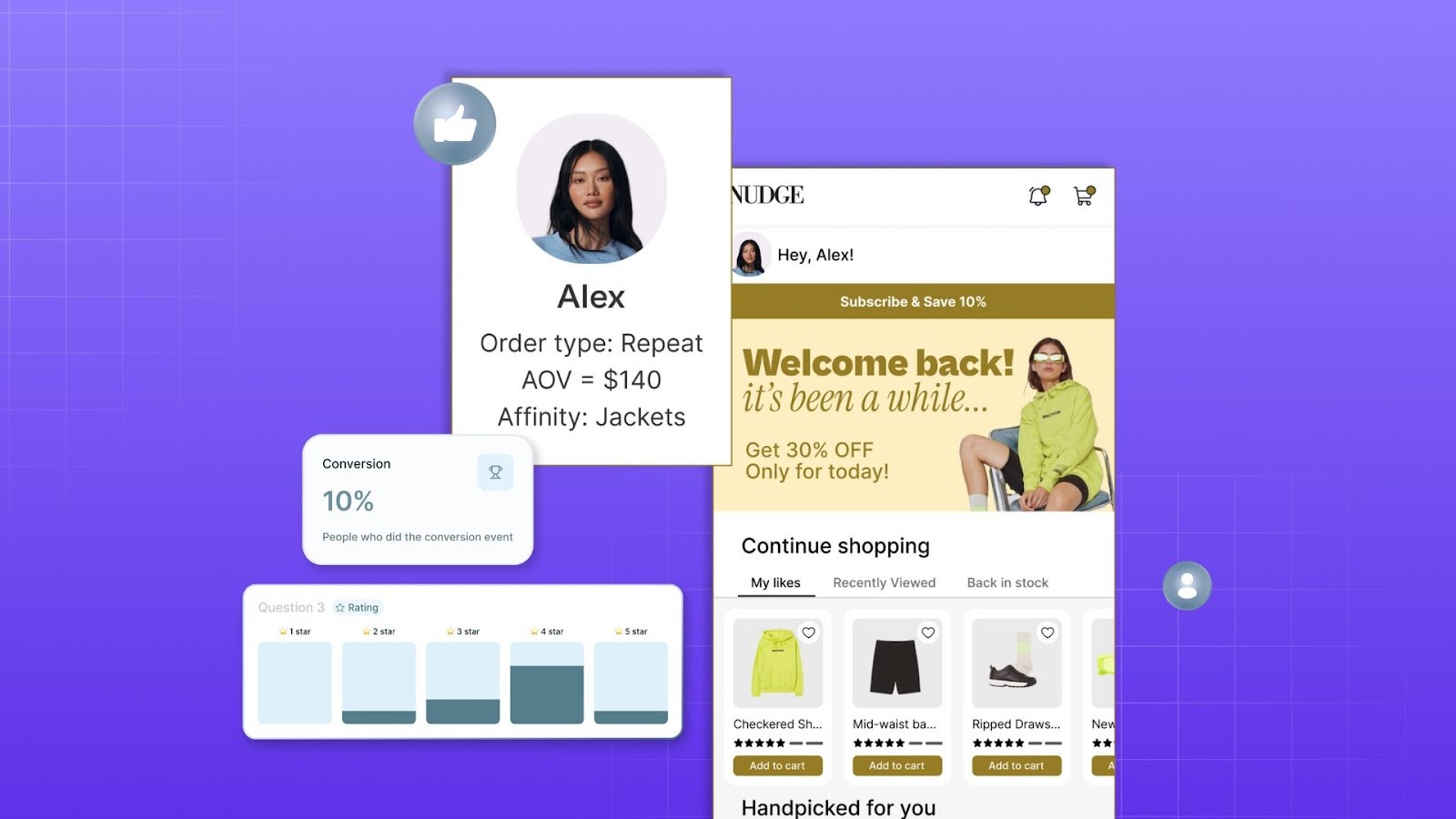





When it comes to driving conversions and improving retention, e-commerce landing pages are one of the most essential tools in an online store's toolkit. In fact, businesses with 31 to 40 landing pages generate 7 times more leads than those with only 1 to 5.
For marketers and growth teams at high-growth ecommerce and DTC brands, optimizing landing pages is crucial, as they are often the first point of interaction a customer has with your product. A well-designed landing page helps engage users, increase conversions, and deliver a personalized shopping experience, ensuring a seamless transition from ad traffic to purchase.
In this article, we will explore what makes an ecommerce landing page effective, why they are crucial for your business, and showcase real-world examples from brands that have successfully optimized their landing pages.
Key Takeaways
Personalized landing pages drive higher AOV and conversion rates by showcasing relevant products adapted to user behavior.
Mobile landing page optimization involves fast loading, clear CTAs, and dynamic content for a seamless shopping experience.
Contextual nudges maximize engagement by guiding visitors toward key actions based on real-time behavior, improving conversion.
Product bundling on landing pages increases AOV by offering relevant products to customers.
Nudge’s AI-driven personalization enhances ecommerce landing pages with recommendations and context-aware nudges, driving higher conversion rates.
What is an Ecommerce Landing Page?
An ecommerce landing page is a standalone web page designed specifically to capture a visitor’s attention, showcase products, and guide them toward a desired action, typically a purchase.
A landing page is typically more focused on a specific goal, like generating leads, making a sale, or promoting a particular product or campaign. It is often the result of ad traffic from paid campaigns, search engine results, or email marketing, directing customers to a unique experience.
As your e-commerce landing pages drive targeted traffic, Nudge’s AI-powered Commerce Surfaces dynamically personalize every step of the journey, from landing pages to shopping carts. For growth teams, this means offering experiences that guide visitors through a seamless path to purchase, optimizing conversions with dynamic product grids and personalized offers.
Next, let's see why these pages are vital for e-commerce websites and how optimizing them can improve your overall conversion rates.
Importance of Landing Pages for Your Ecommerce Websites
For UX specialists and conversion experts, a personalized landing page is a key tool in lowering CAC (customer acquisition cost) and driving higher conversions by delivering a targeted and seamless user experience.
Here are the core reasons why every e-commerce business should prioritize ecommerce landing pages:
Higher Conversion Rates: Personalized landing pages that align with a specific campaign or shopper intent increase the likelihood of conversion by providing targeted product recommendations and offers.
Targeted User Experience: Landing pages allow you to guide the customer through a customized experience, reducing friction points and enhancing engagement.
Improved Retention: Optimized landing pages with personalized offers and recommendations enhance the overall shopping experience, leading to repeat purchases and long-term customer loyalty.
Also Read: Top 10 Practices for Dynamic Landing Pages in 2025 with Examples
Now, we’ll break down the essential elements that make an ecommerce landing page successful.
5 Essential Elements for Your Ecommerce Landing Page
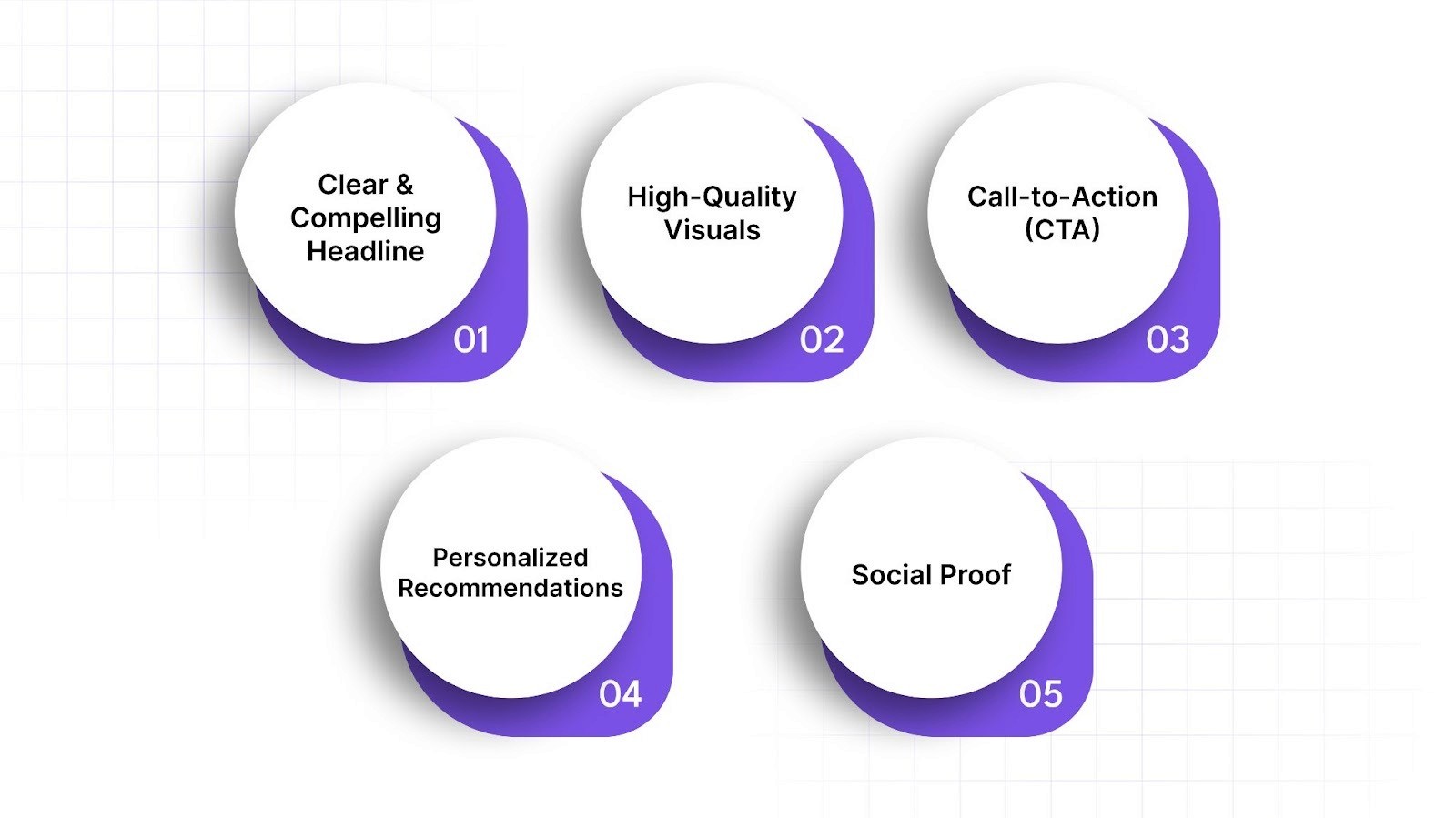
An optimized ecommerce landing page contains several key elements that work together to engage visitors and guide them toward making a purchase. Here are the core components of a well-optimized ecommerce landing page:
Clear and Compelling Headline: The headline should instantly convey the value proposition and grab the visitor’s attention, ensuring they understand the purpose of the page.
High-Quality Visuals: High-resolution images, videos, and product shots help build trust and enhance the shopping experience, showcasing products effectively.
Call-to-Action (CTA): A strong, clear CTA guides visitors on what to do next. Whether it’s to “Buy Now,” “Learn More,” or “Add to Cart,” CTAs are essential for conversions.
Personalized Recommendations: Based on shopper behavior or past purchases, personalized recommendations increase relevance and encourage higher AOV (average order value) by suggesting complementary products.
Social Proof: Customer reviews, testimonials, and ratings provide trust signals, especially for new customers, encouraging them to make a purchase.
Also Read: Understanding Click-Through Rate (CTR): Definition and Importance
The following section will explore how ecommerce landing pages differ from product detail pages (PDPs) and why both are necessary for conversion success.
Ecommerce Landing Pages vs Product Pages
While ecommerce landing pages and product detail pages (PDPs) serve different purposes, both are crucial in the customer journey. Understanding their differences can help UX designers and marketers create a cohesive strategy for improving conversion rates.
Feature | Ecommerce Landing Page | Product Detail Page (PDP) |
Purpose | Lead generation, promotional campaigns, targeted actions | Detailed product information and specifications |
Design Focus | Minimalistic, focused on a single conversion goal (e.g., purchase, sign-up) | In-depth product details with descriptions, images, reviews |
CTA | Strong, action-oriented (e.g., Buy Now, Learn More) | CTA for specific product-related actions (e.g., Add to Cart) |
Target Audience | New visitors from paid traffic, campaigns, or ads | Returning visitors, or users already considering a specific product |
Personalization | Often highly personalized based on the source of traffic (ads, behavior) | Personalization based on user preferences and browsing history |
To improve engagement and drive conversions, Nudge’s AI Product Recommendations place dynamic, relevant suggestions across cart, checkout, and PDPs. For UX specialists, this personalized approach ensures that your landing pages drive higher AOV by suggesting complementary items based on shopper intent and previous behavior, increasing upsell opportunities.
Next, let's explore some real-world examples of e-commerce brands that have successfully optimized their landing pages to drive higher conversion rates.
20 Examples of Ecommerce Landing Pages
For marketers and growth teams, these examples highlight strategies that align with customer intent, ad context, and behavioral data, maximizing the potential of paid traffic and improving customer retention.
1. LIV Watches
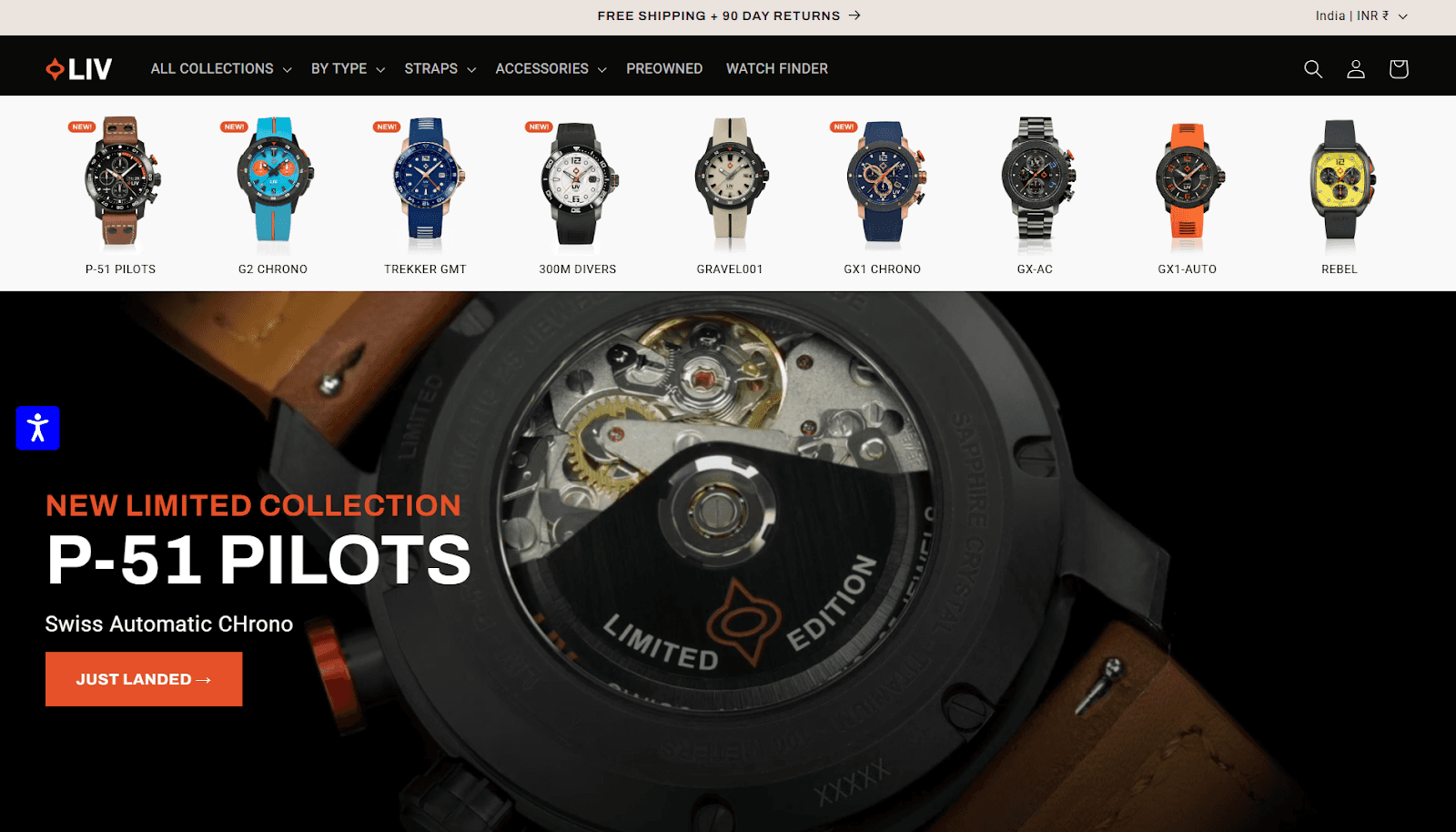
LIV Watches uses a clean, minimalist design with dynamic product recommendations based on browsing history and previous interactions. Their landing page engages customers by displaying a relevant bundle offer, enhancing AOV and encouraging users to explore more products. This approach aligns with growth teams' goals of increasing conversion rates through targeted recommendations.
2. TRIBE
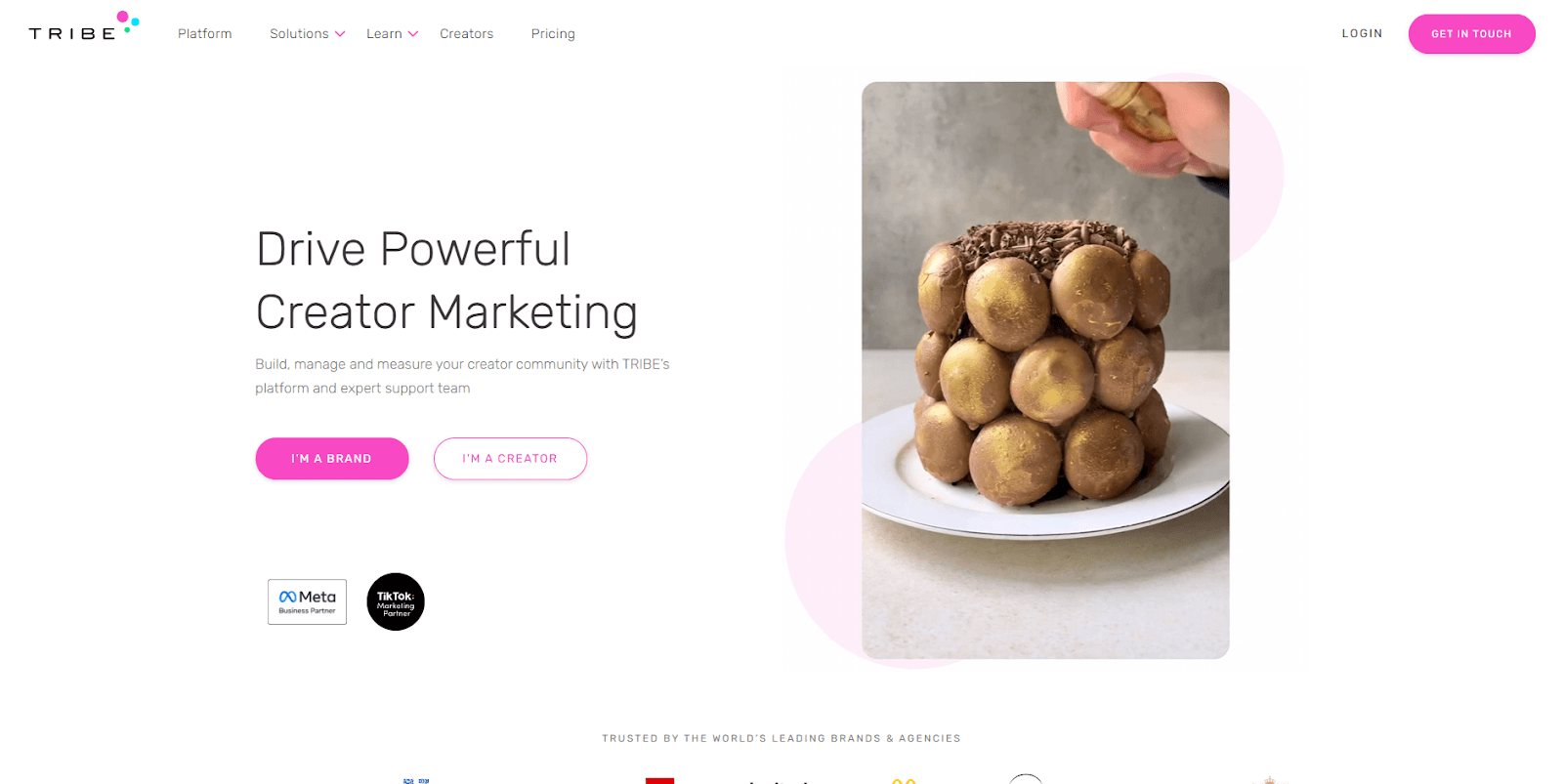
TRIBE effectively integrates social proof and product recommendations based on user behavior, enhancing trust and engagement. By using context-aware nudges, they direct customers to landing pages that match their ad traffic source, improving post-click engagement and reducing CAC while maximizing LTV.
3. Ascent Footwear
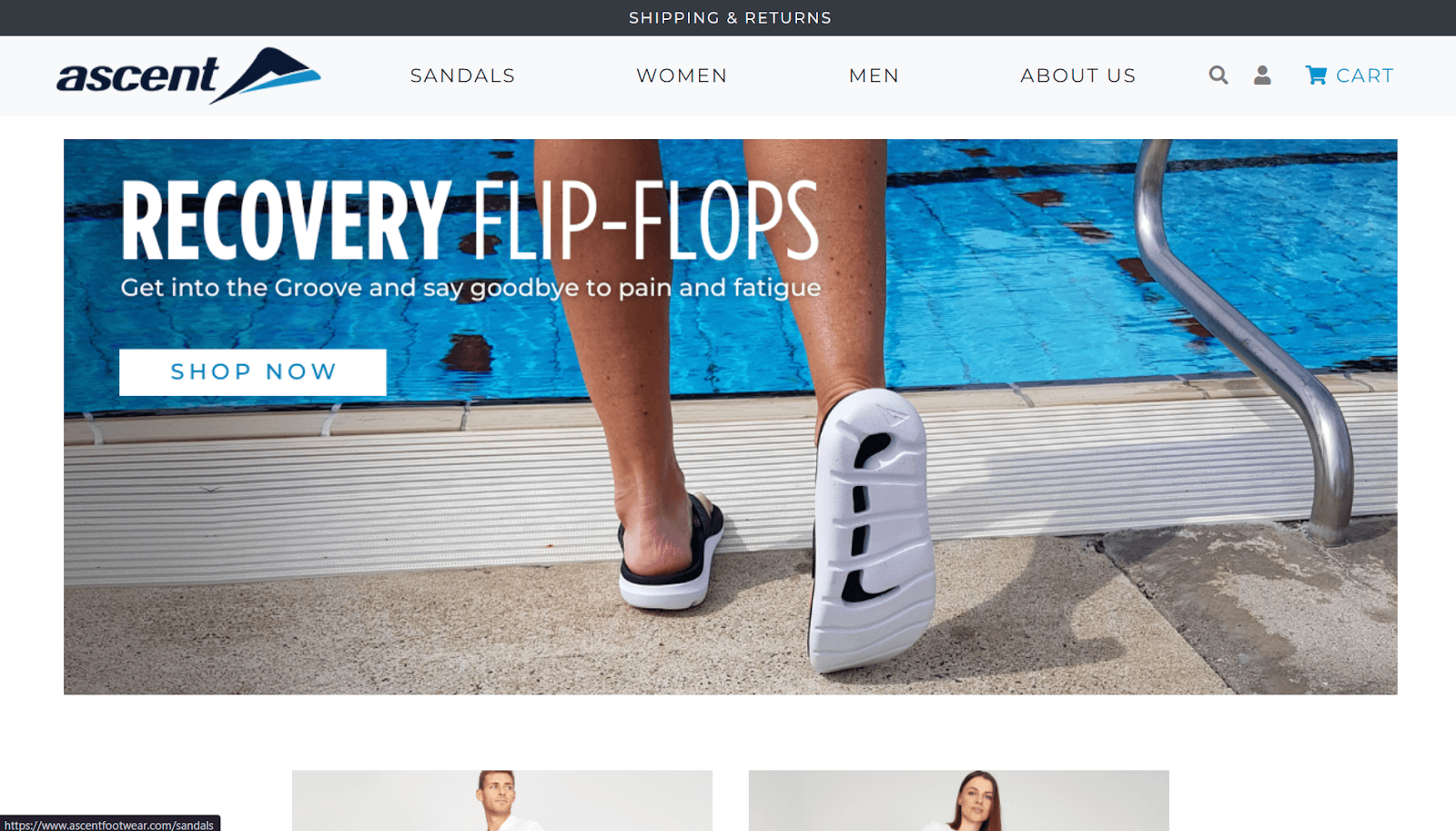
Ascent Footwear’s landing page is optimized for mobile, with a clear CTA and personalized product suggestions based on the user’s location and behavior. The use of bundling and upsell options drives higher AOV, aligning with retention marketers' goals of improving customer lifetime value.
4. BoxyCharm
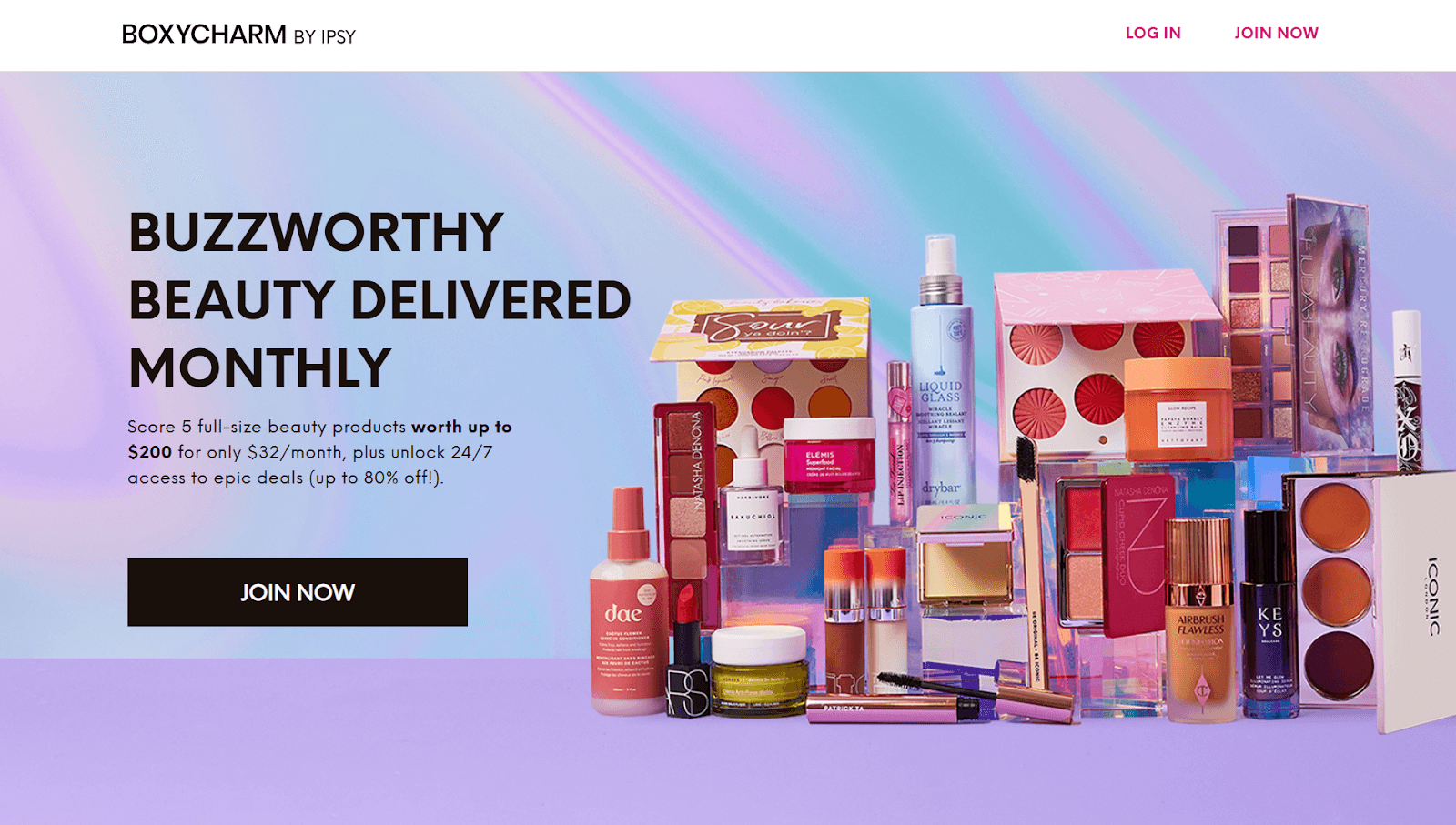
BoxyCharm offers a personalized subscription experience with a landing page that adapts product recommendations to individual preferences. For UX and conversion specialists, this is a great example of how personalized offers can increase repeat purchase rate and reduce churn by keeping the experience relevant.
5. Thistle
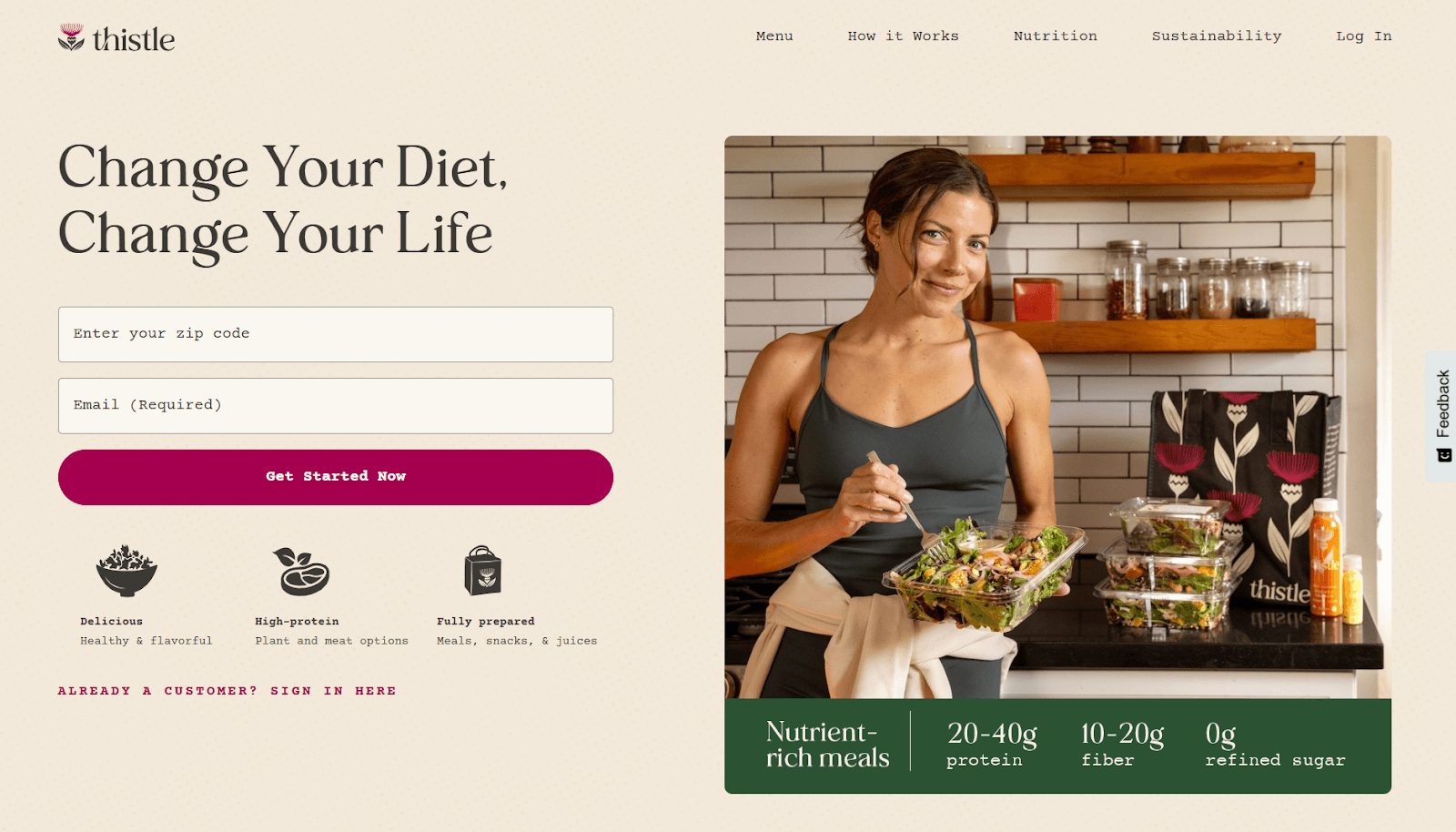
Thistle uses dynamic content on their landing page to match the visitor's previously viewed items and purchase behavior, optimizing the customer journey. For growth teams, this ensures higher conversions and reduced drop-offs, especially for returning visitors who are familiar with the brand.
6. Waterdrop
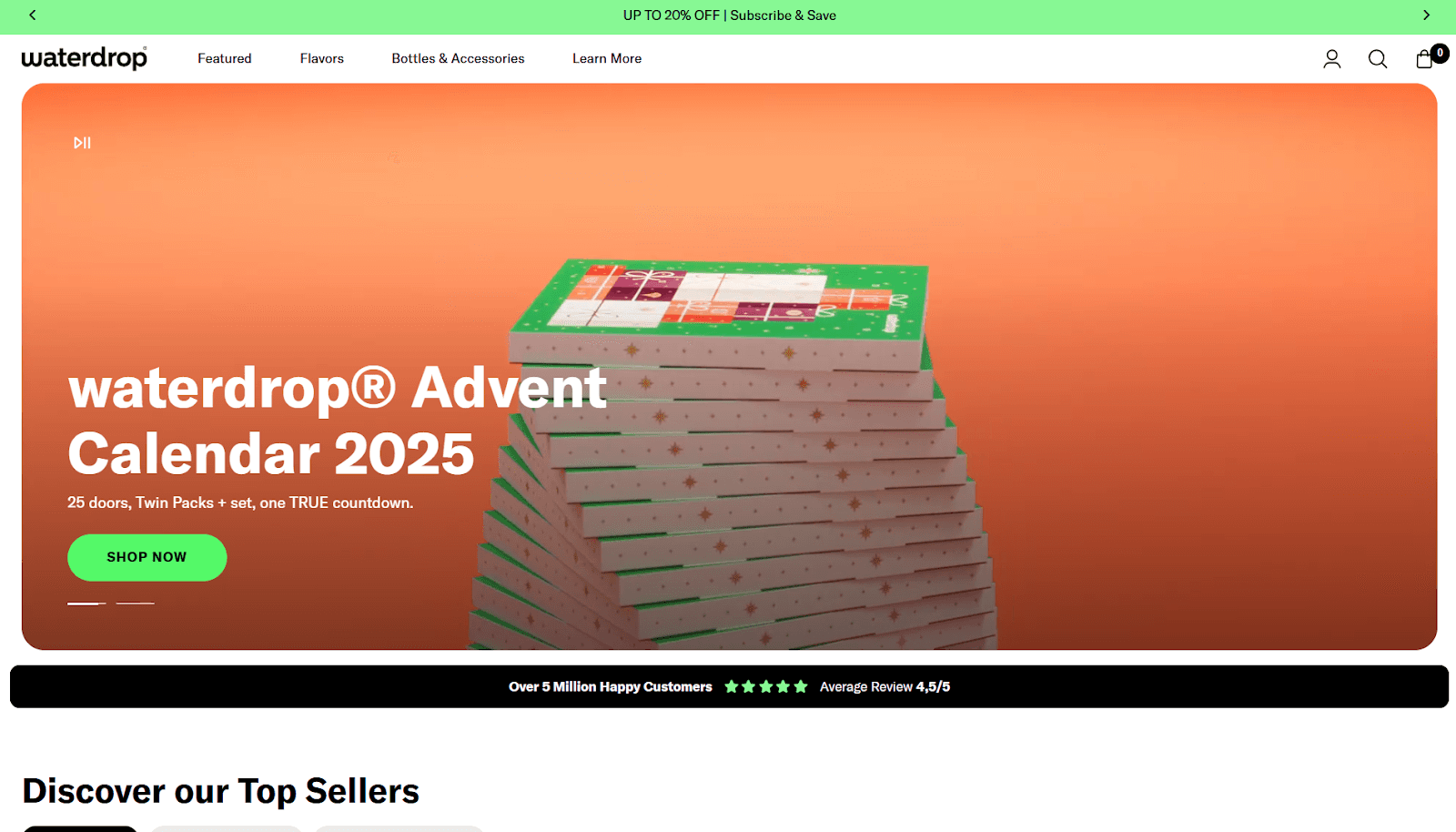
Waterdrop enhances its landing pages by displaying relevant bundles based on ad traffic, product affinities, and past shopper behavior. This strategy enhances AOV and encourages customers to explore more products, ultimately driving higher conversion rates.
7. Infinite Moon
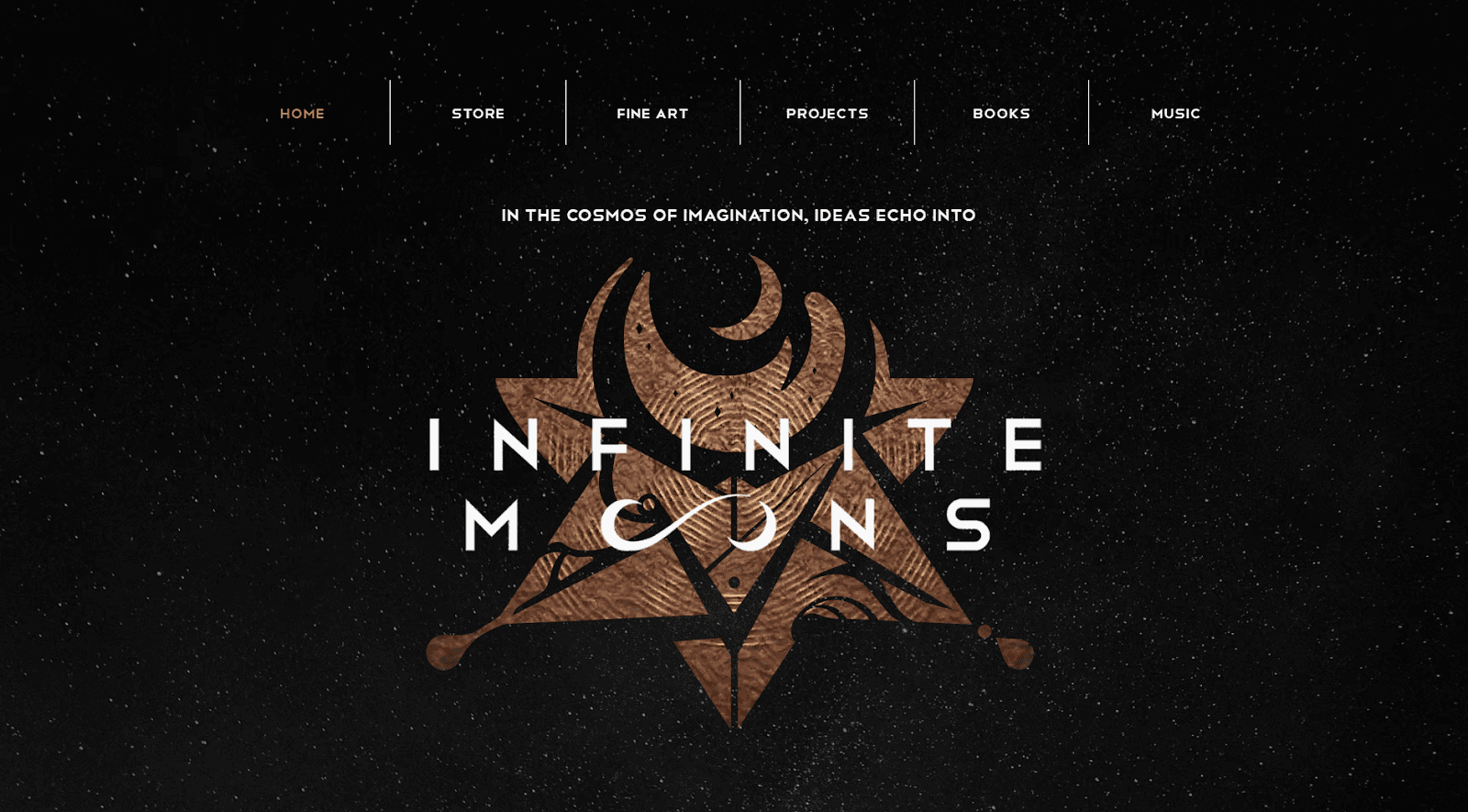
Infinite Moon uses personalized product grids and a strong CTA to lead visitors from ad traffic to targeted landing pages that match their browsing intent. The smart product recommendations displayed on the page guide customers toward higher-value purchases and repeat engagement.
8. Solo Stove
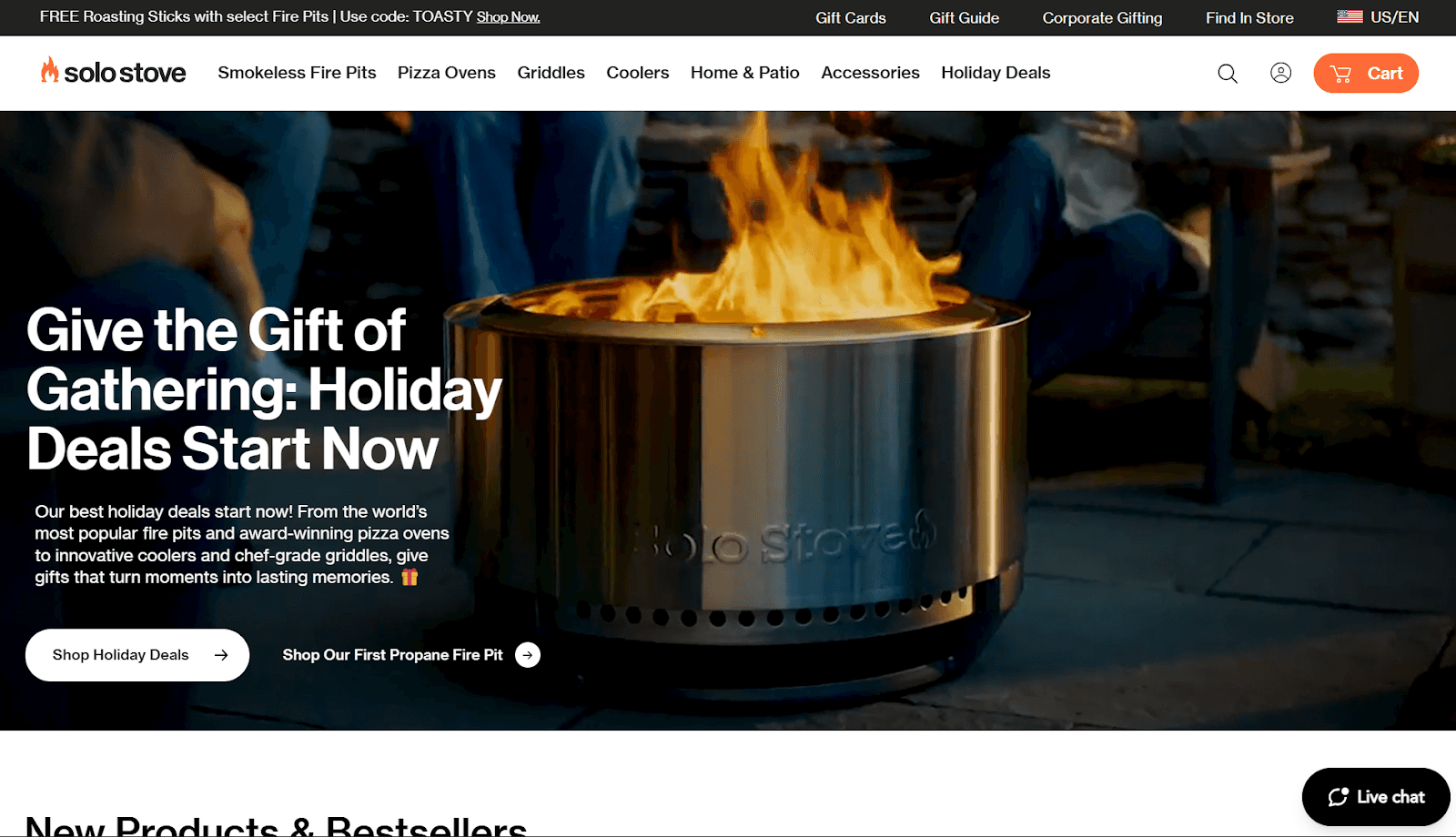
Solo Stove creates a seamless experience with personalized offers and product recommendations based on user behavior, increasing AOV. By dynamically adjusting offers and content, they ensure that each visitor is presented with highly relevant products, improving retention and conversions.
9. Nathan Sports
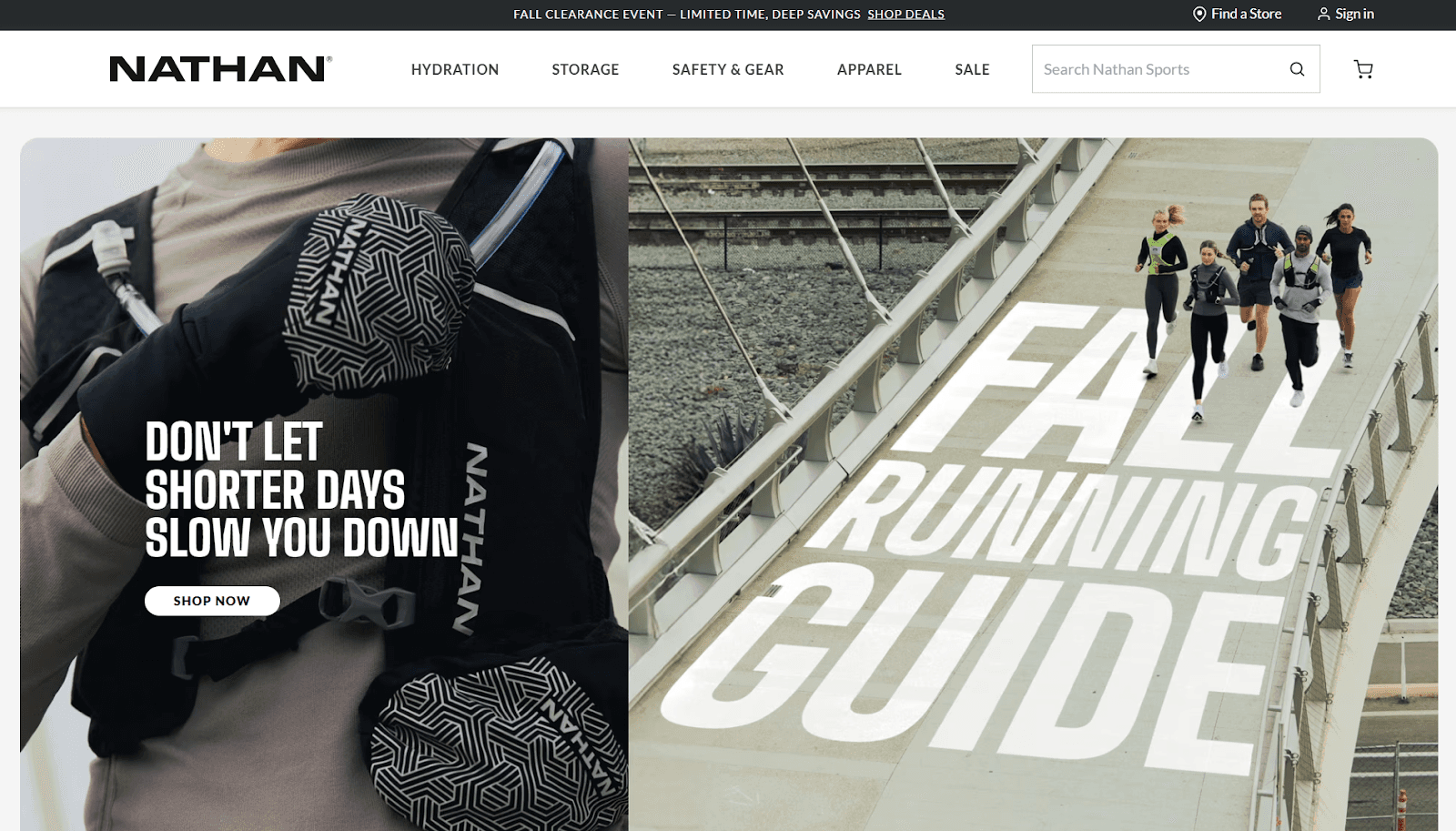
Nathan Sports uses personalized landing pages that cater to different visitor segments, offering product suggestions based on past browsing and purchase history. This approach helps improve conversion rates and ensure that every visitor feels the experience is relevant to their interests.
10. Meowbox
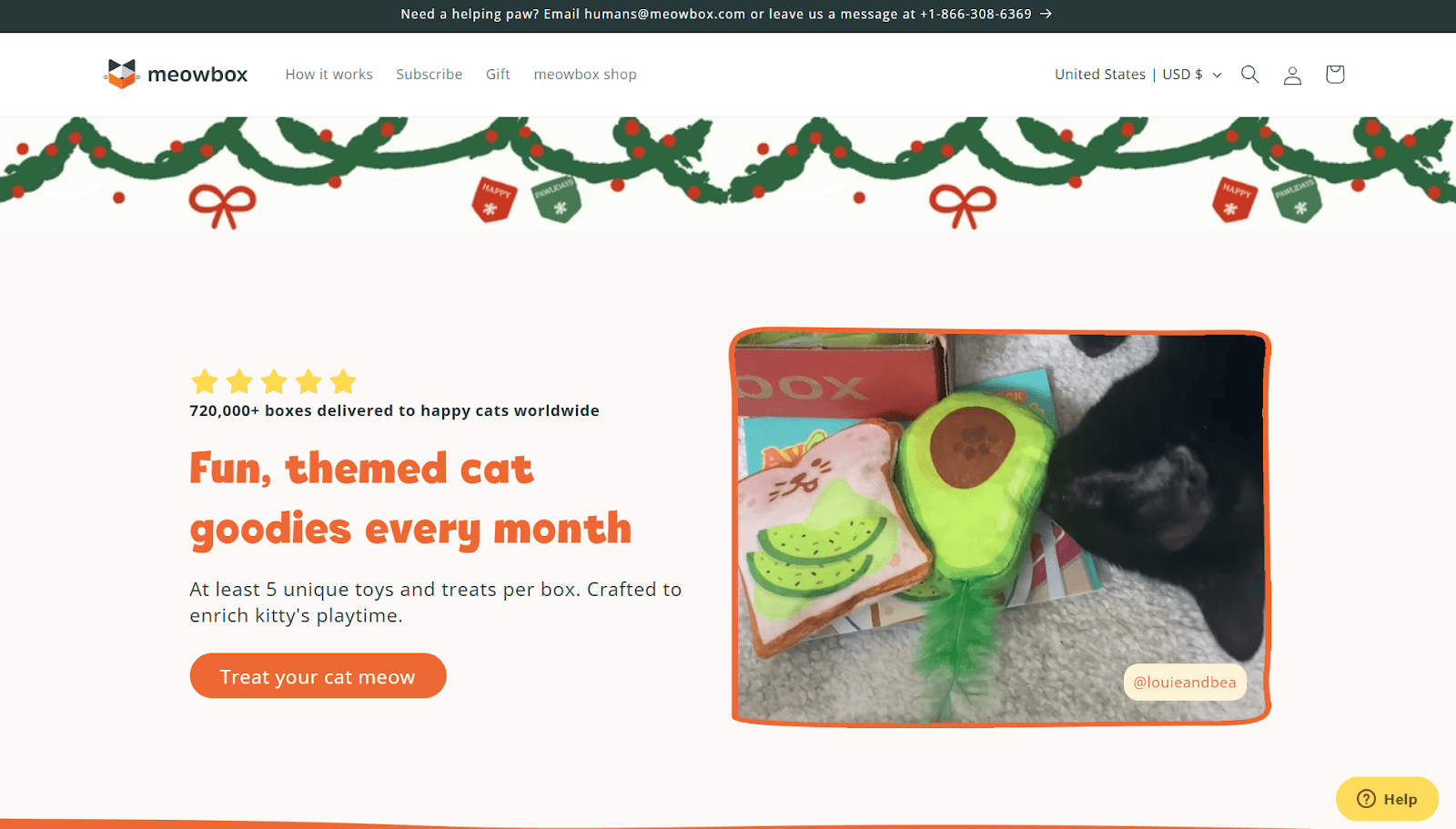
Meowbox delivers personalized bundles and contextual offers based on shopper intent, making the shopping experience seamless and highly relevant. By guiding customers to personalized landing pages, they optimize for higher AOV and improve retention rates, encouraging repeat purchases.
Also Read: How to Create Effective ABM Landing Pages That Convert
11. The Savile Row Company
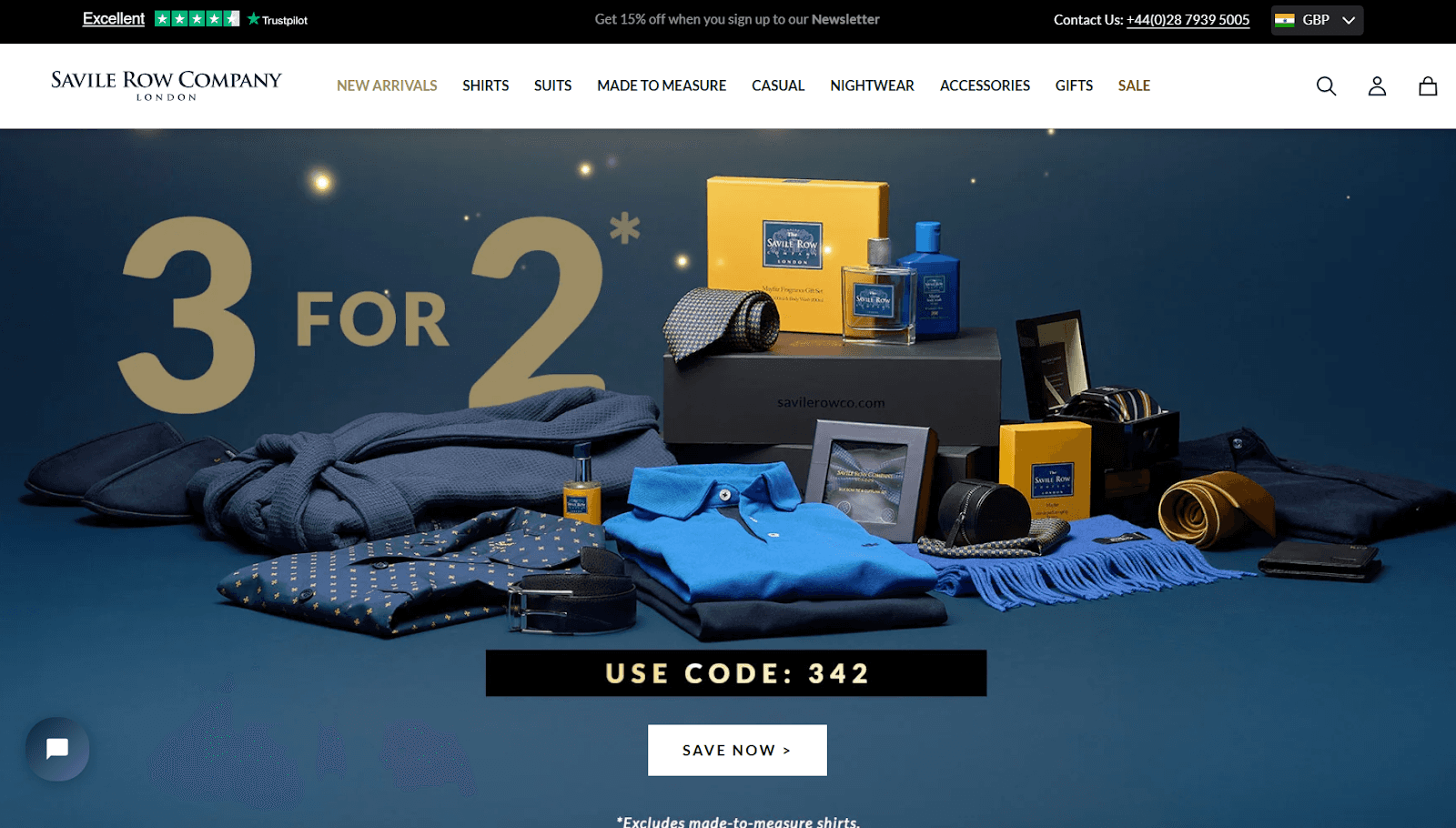
The Savile Row Company uses personalized product recommendations and offers a clean, high-quality design that appeals to its audience. The landing page is adjusted to the ad source and shopper behavior, improving conversion rates and reducing friction during the purchasing process.
12. The Woodworker’s Guild of America
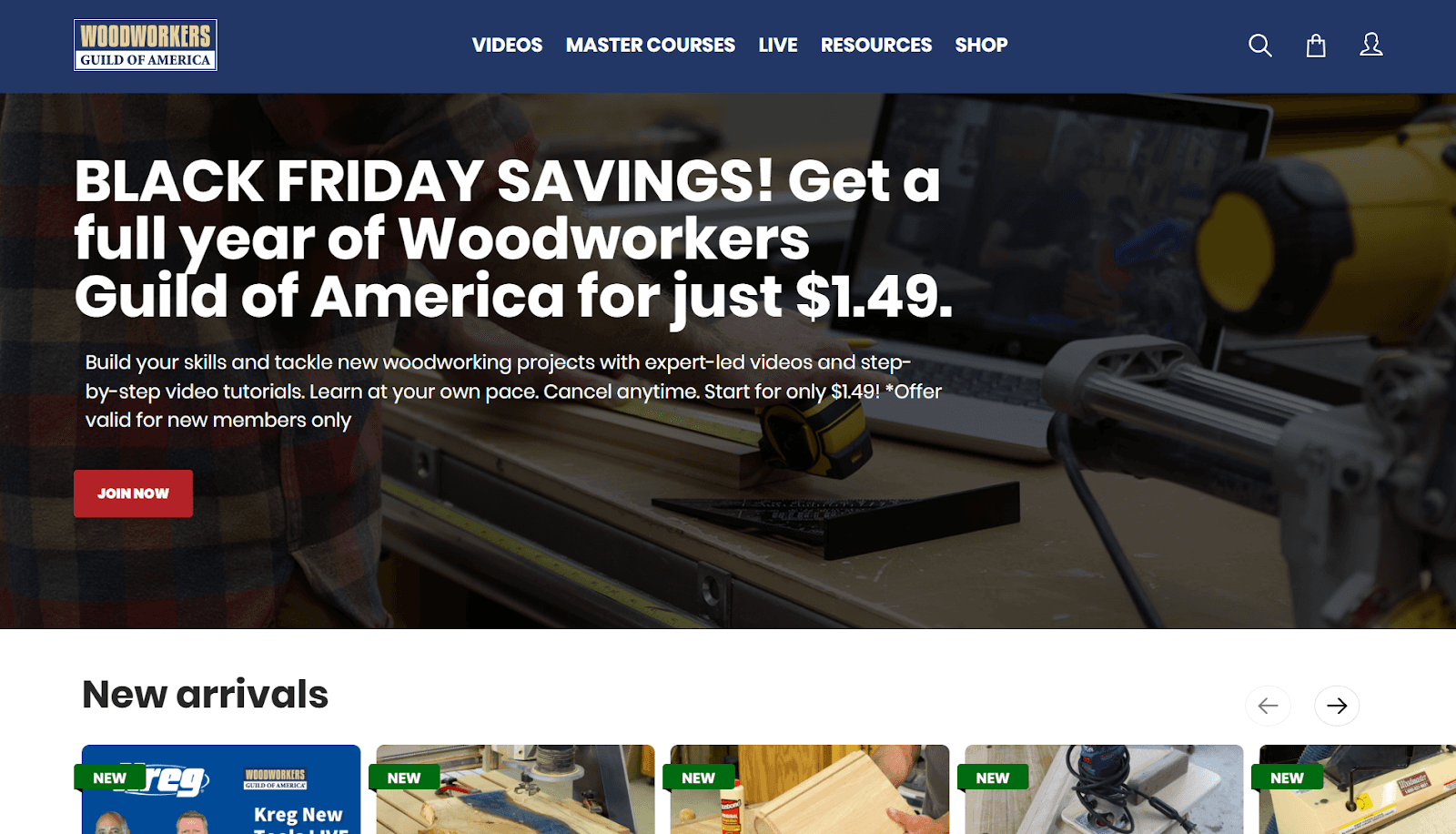
The Woodworker’s Guild uses personalized content and product suggestions to guide users toward making purchases. Their landing pages are designed to cater to specific interests, improving engagement and driving higher AOV through well-targeted recommendations.
13. The Coffee Network
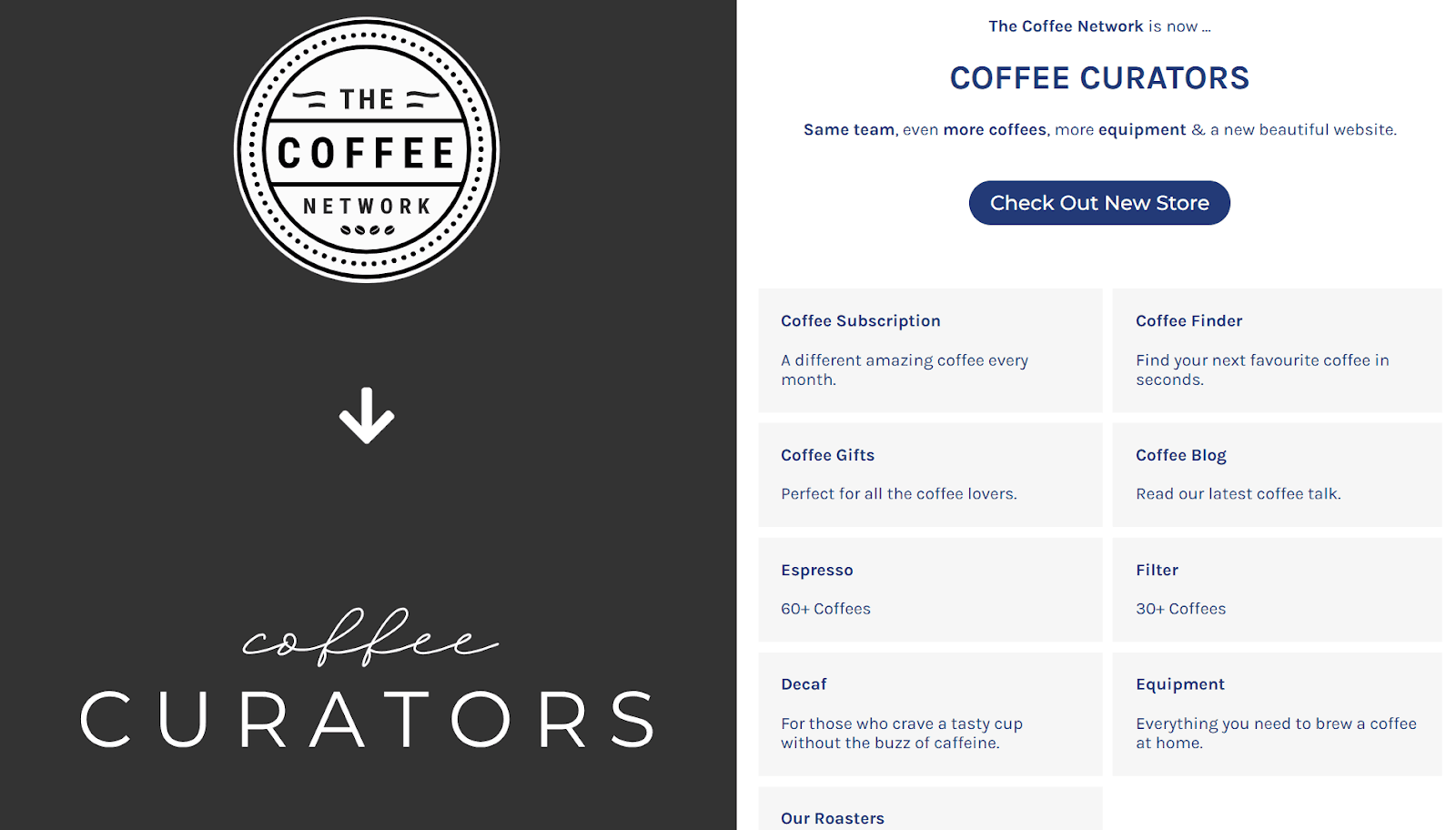
The Coffee Network’s landing page is optimized with dynamic product recommendations based on location and ad traffic, making the experience more personalized and relevant. This approach maximizes conversion rates and encourages repeat purchases by providing an experience that matches shopper intent.
14. Heyday
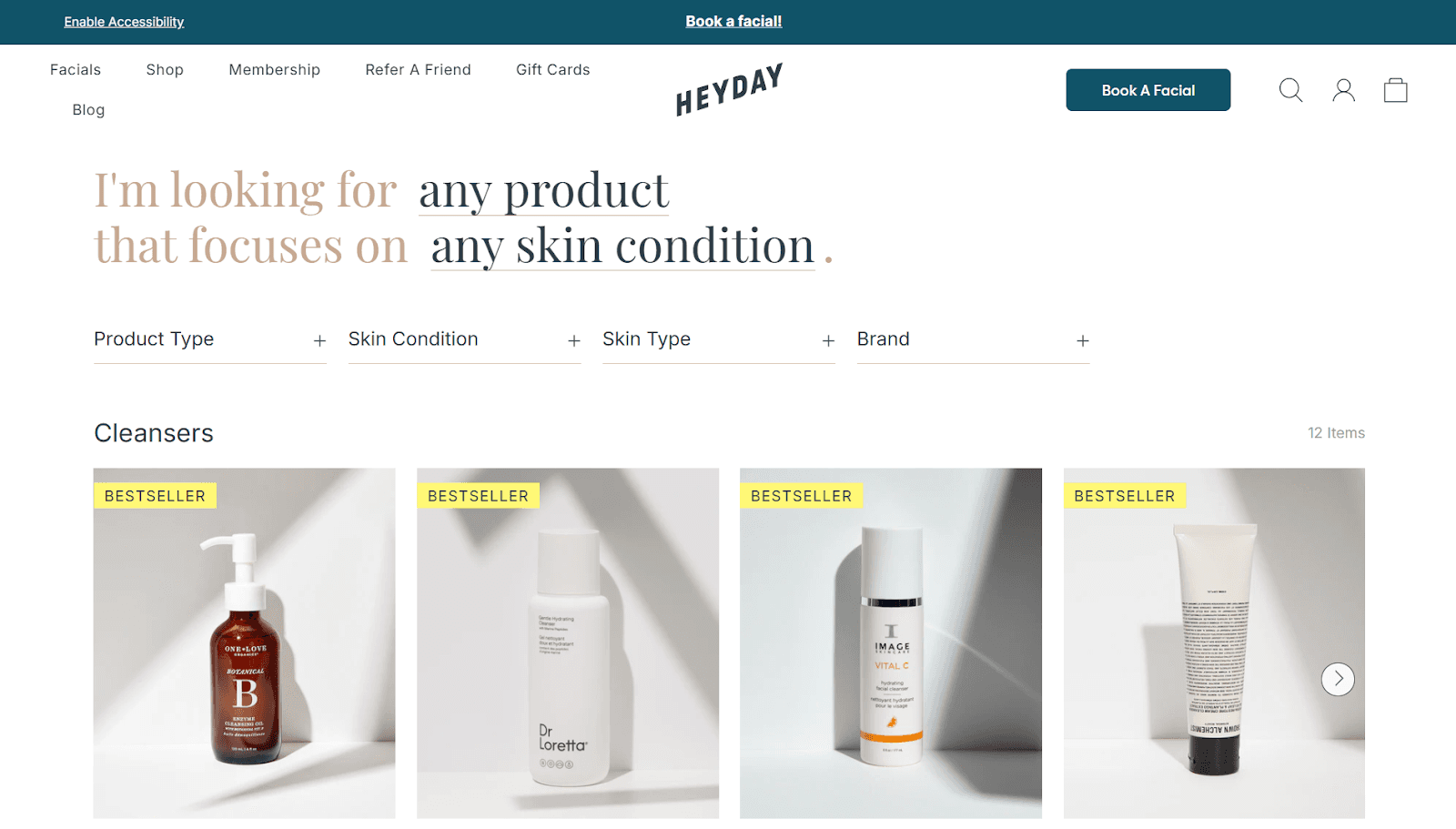
Heyday offers a highly personalized shopping experience with landing pages suited to users’ browsing behavior and interests. With real-time shopper data, they ensure that their landing pages are constantly optimized for conversion rates, driving higher engagement and customer satisfaction.
15. Xpand Laces
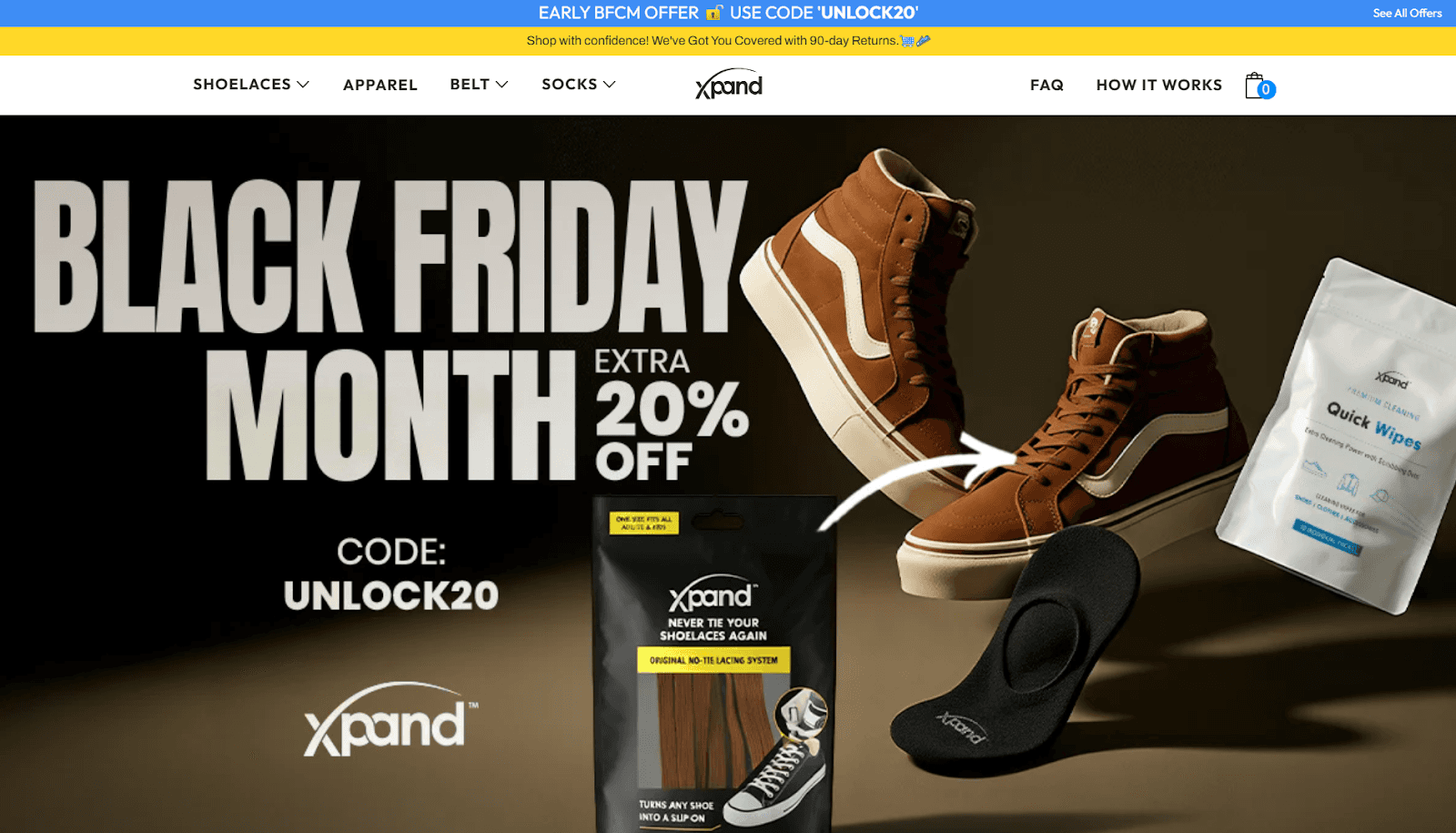
Xpand Laces personalizes its landing pages with dynamic content and relevant offers based on visitor behavior and previous interactions. This helps conversion specialists improve AOV and LTV by providing a seamless, personalized journey from landing page to purchase.
16. Marley Spoon
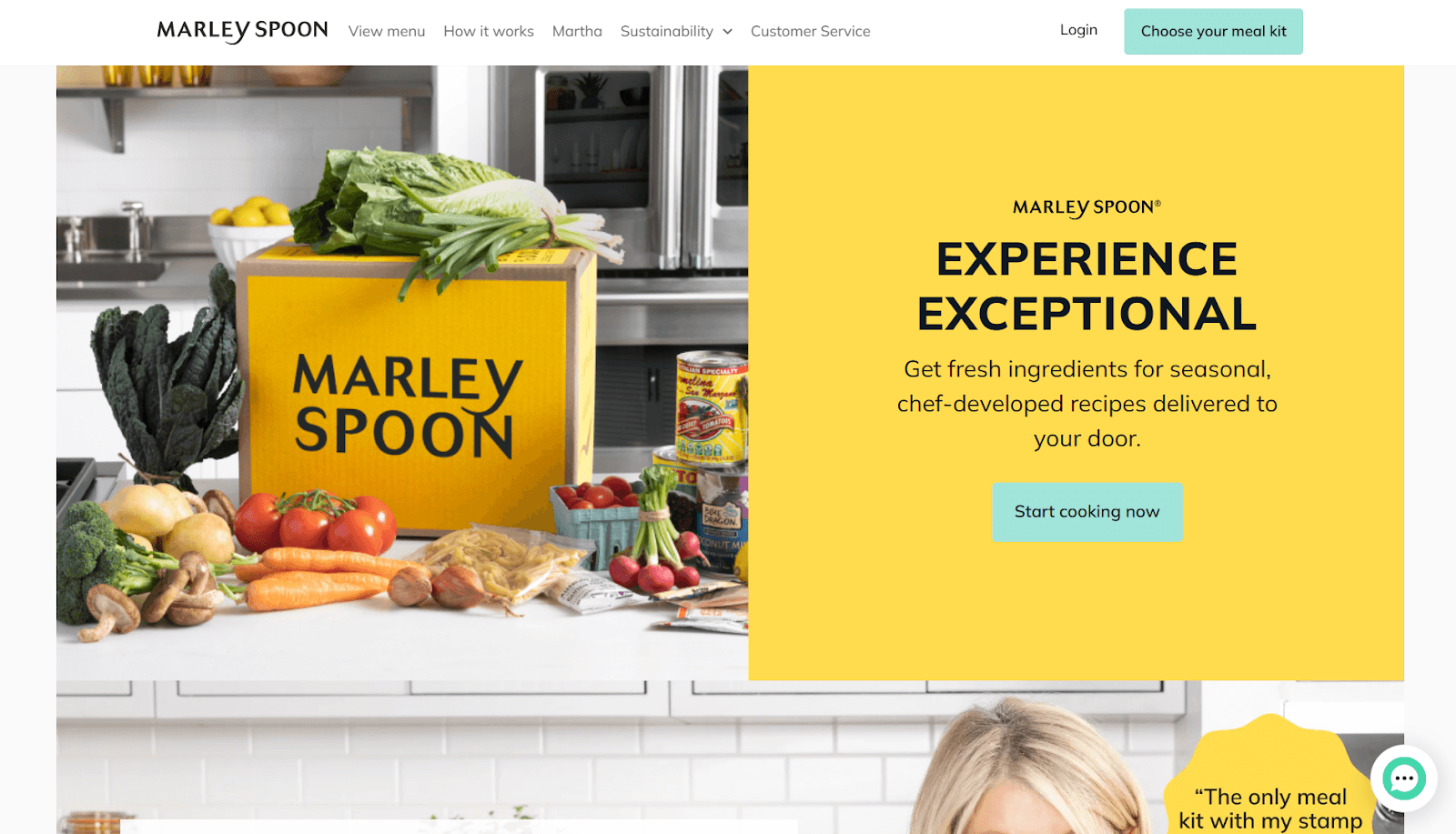
Marley Spoon uses real-time personalization to guide visitors to targeted landing pages with relevant product offers based on their browsing history and ad source. This approach drives higher conversions, especially by matching landing page content with specific customer intent.
17. Spa De Soleil
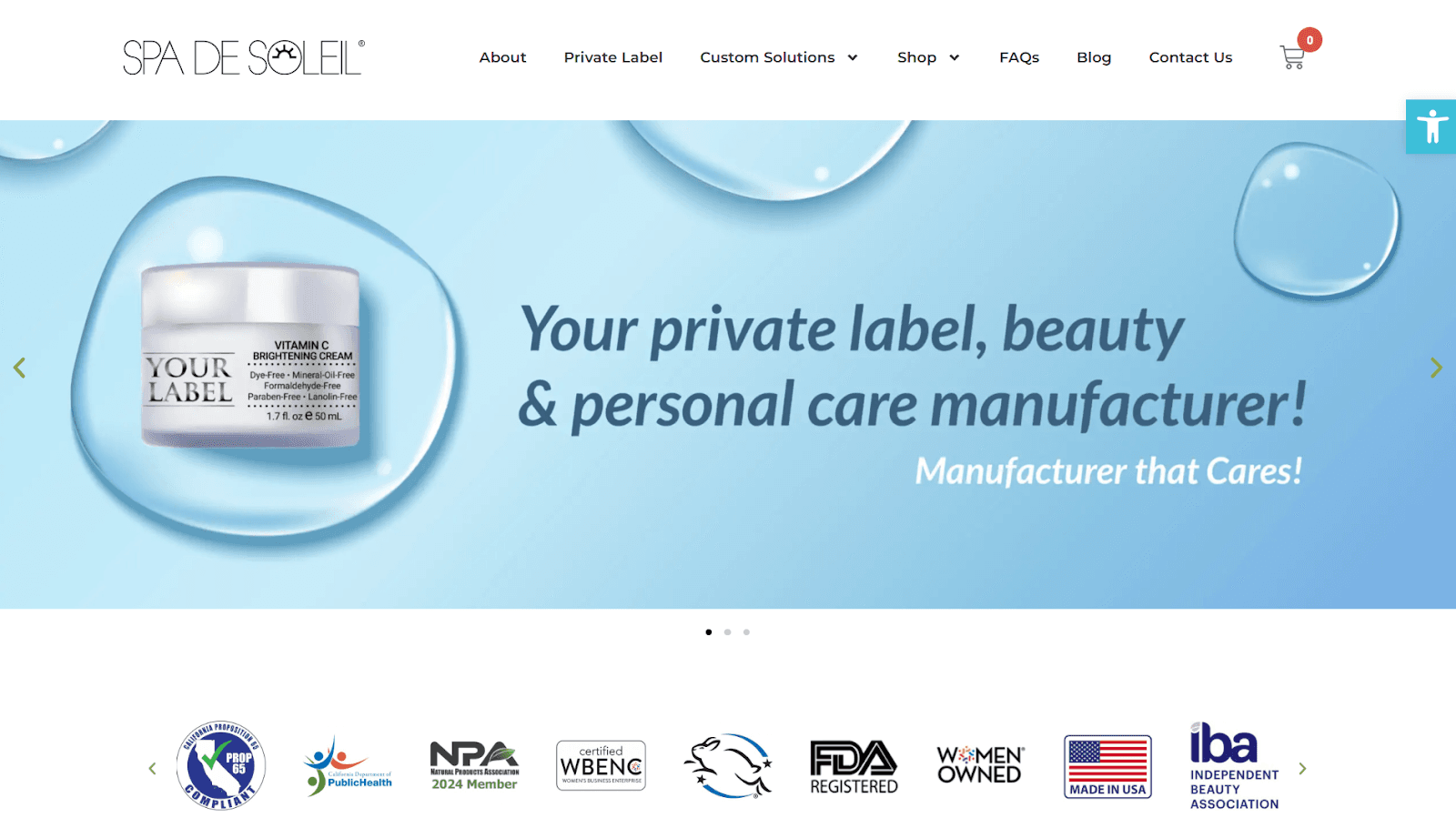
Spa De Soleil optimizes its landing pages with context-aware nudges, discount offers, and bundled recommendations based on past shopper behavior. This personalization drives higher conversions and repeat purchases, ultimately improving customer retention.
18. ColdCalm
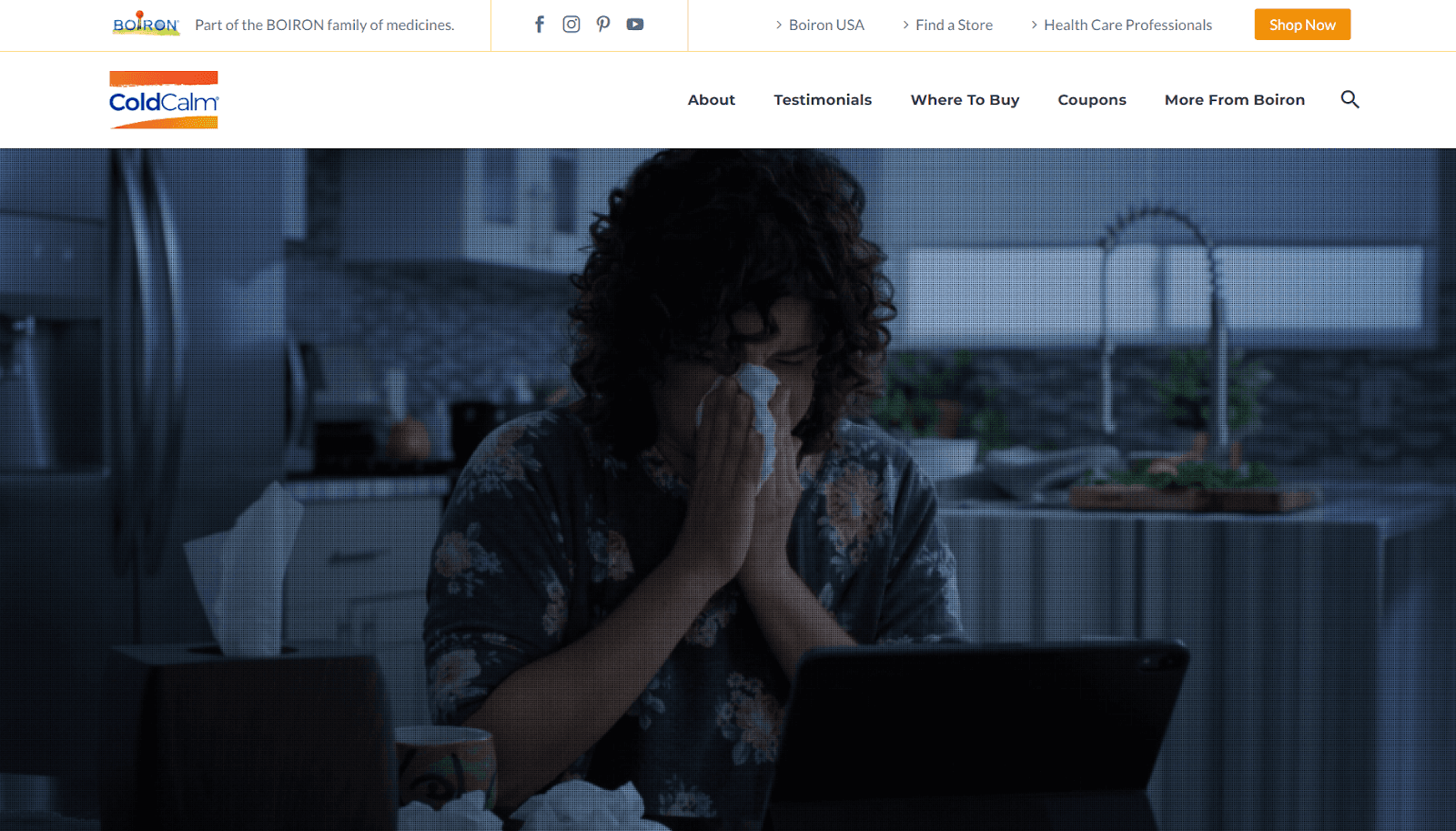
ColdCalm uses dynamic nudges and contextual recommendations to improve engagement on its landing pages. By presenting relevant offers and products based on the visitor’s behavior, they drive more conversions and increase AOV, ensuring customers find what they need faster.
Also Read: How to Create Personalized Landing Pages for Increased Engagement in 2025?
19. Gradshop
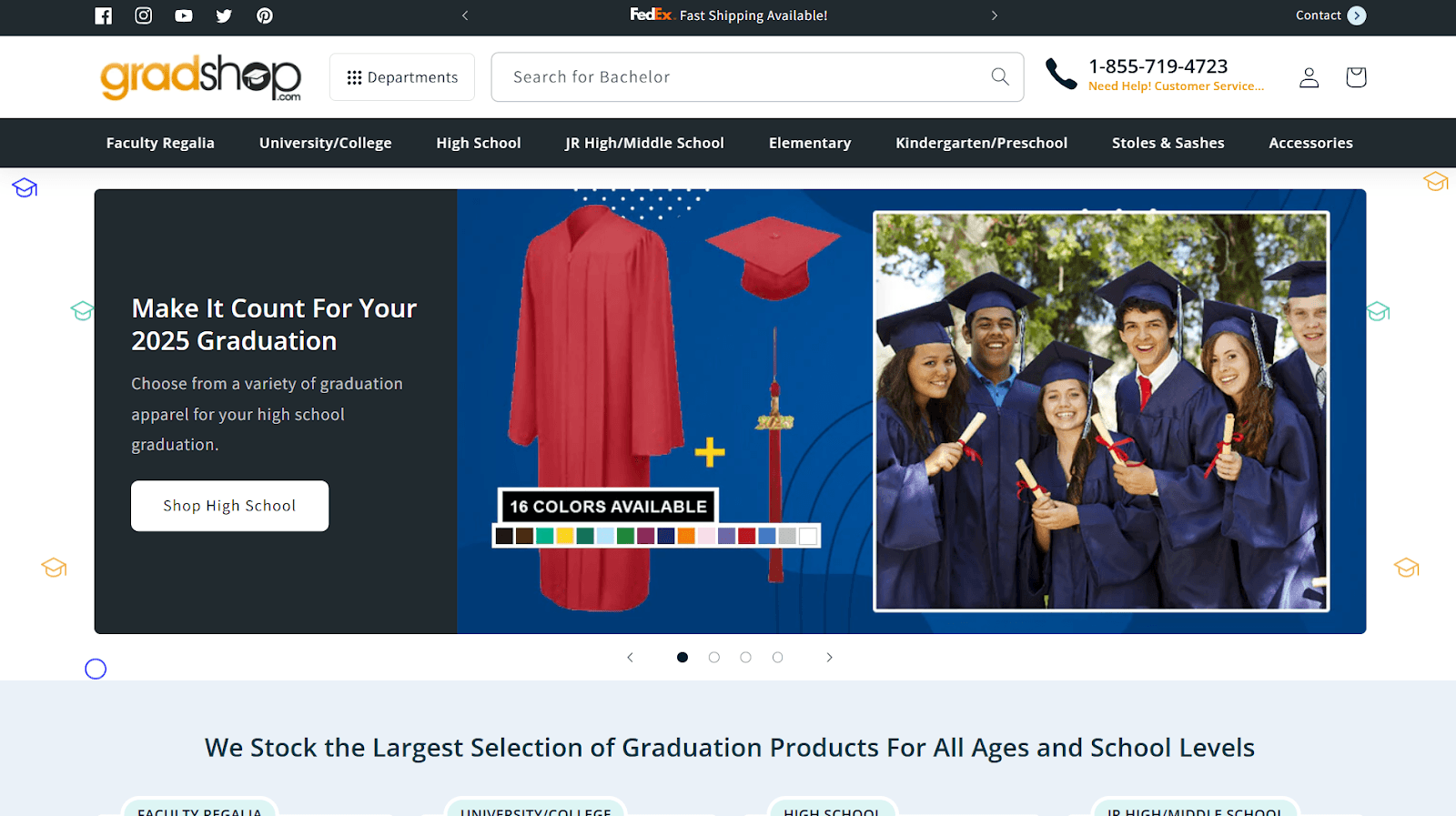
Gradshop delivers personalized product suggestions on its landing pages, ensuring visitors are presented with highly relevant items based on their previous interactions. This approach helps improve conversion rates by increasing relevance and encouraging more purchases.
20. Porcelain
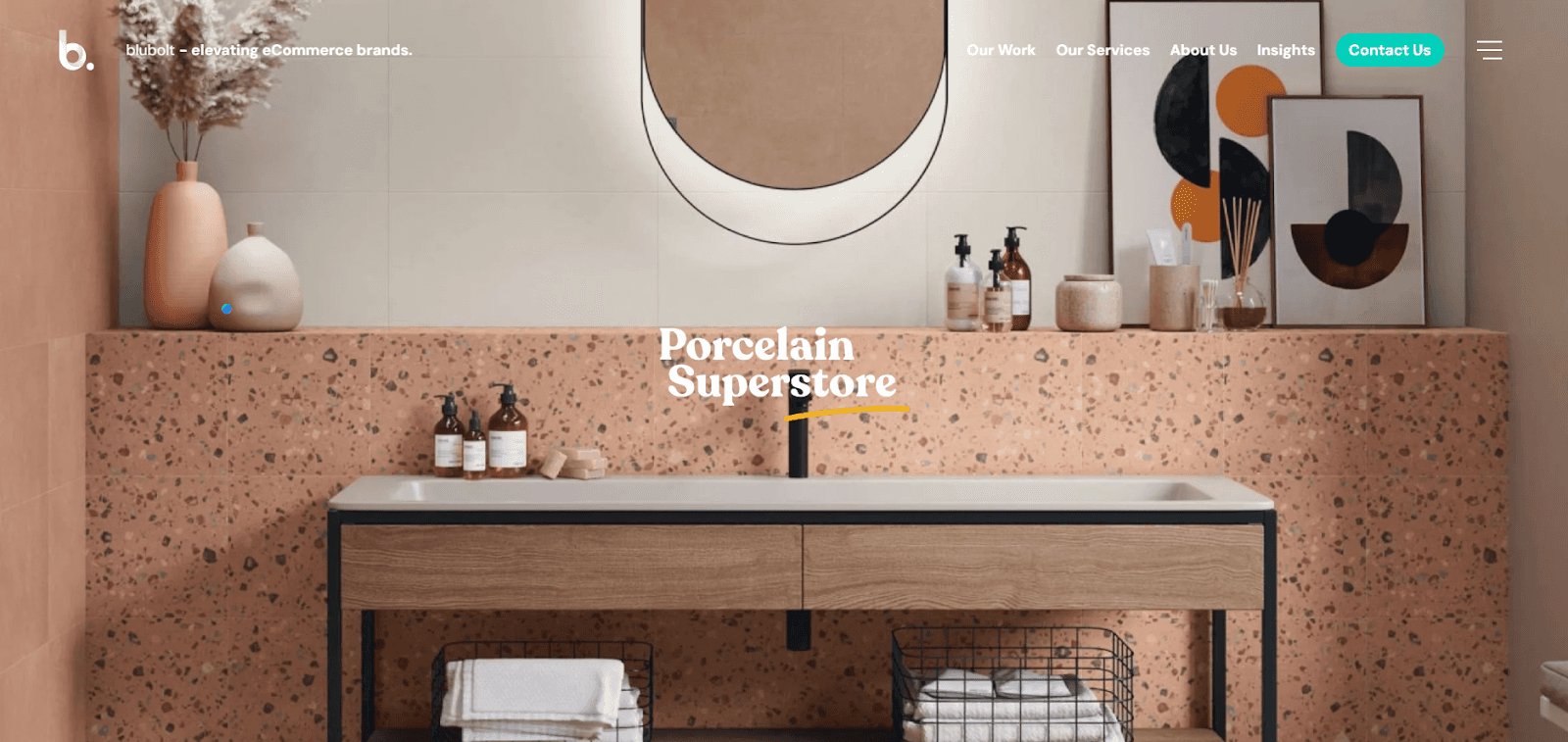
Porcelain’s landing page features dynamic offers and personalized product recommendations, making it easy for visitors to find exactly what they are looking for. By aligning its content with shopper behavior, Porcelain improves conversion rates and customer retention.
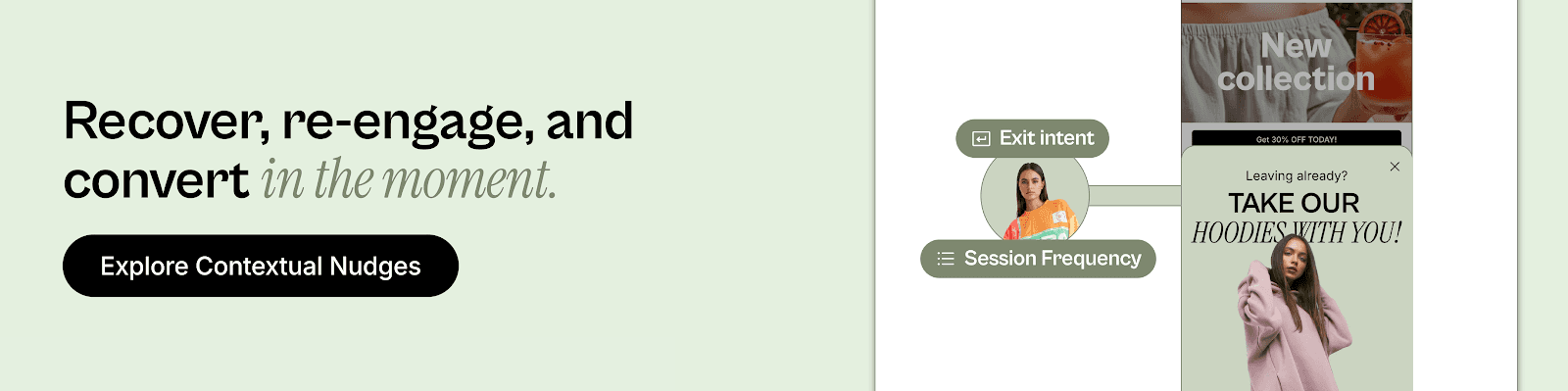
With Nudge’s Contextual Nudges, you can create timely, personalized messages that encourage visitors to take action, like completing a purchase or exploring new products. For lifecycle marketers, this feature helps recover abandoned carts and prompt conversions with urgency cues, customized offers, and exit-intent popups that align with the shopper's behavior.
Now, let’s explore key best practices to ensure your landing pages consistently perform at their peak.
10 Ecommerce Landing Page Best Practices to Follow
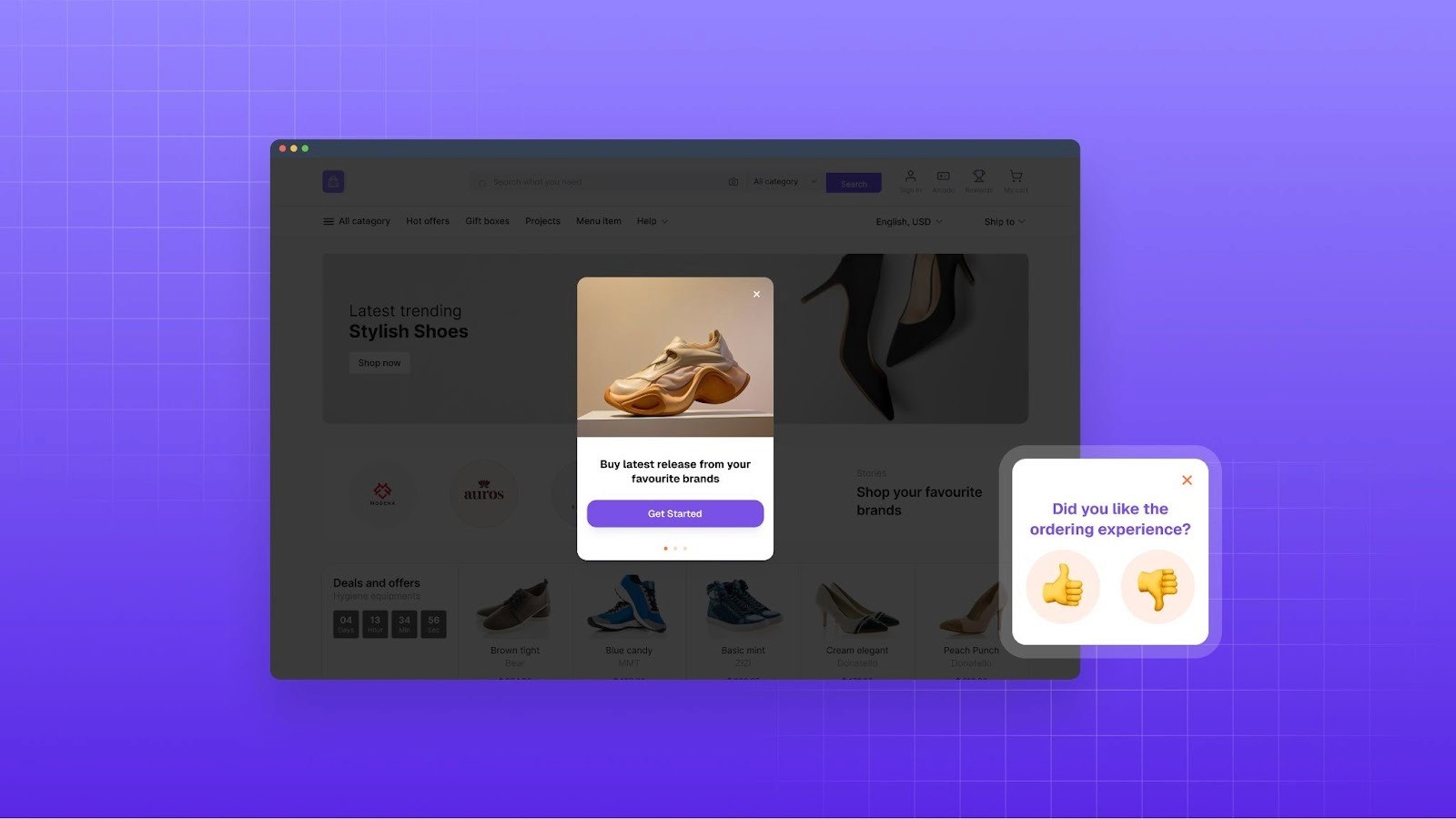
Optimizing your ecommerce landing pages is crucial to improving conversion rates and maximizing customer engagement. The following best practices will help you create high-converting landing pages that provide a seamless and personalized shopping experience for your customers.
1. Personalize Content
Adapt the content of your landing page to the location, ad source, and user behavior. For growth teams and UX specialists, this helps align the user journey with shopper intent, increasing conversions.
2. Use Clear CTAs
Your CTA should be simple and action-oriented, making it easy for visitors to take the next step. A strong CTA improves user experience and guides shoppers toward conversion.
3. Test and Optimize
A/B test your landing pages frequently to find the best CTAs, messaging, and design components. For retention marketers, this ensures that your CRO strategies are continuously refined to increase conversion rates.
4. Simplify Navigation
Remove unnecessary steps in the purchasing process to improve conversion rates. A streamlined landing page with minimal distractions helps marketers guide customers smoothly to checkout.
5. Include Social Proof
Incorporate customer reviews, ratings, and testimonials to build trust with new visitors. For UX specialists, adding social proof encourages potential customers to take action, improving conversions.
Also Read: 7 Principles to Create High Conversion Landing Page
6. High-Quality Visuals
Use high-resolution images and product videos to highlight your products. Feature 360-degree product views or a video of a model wearing the item, allowing customers to see the product in action. Quality visuals help potential customers visualize the product, improving engagement and driving higher AOV.
7. Focus on Mobile
The majority of users now browse and shop on mobile devices, so make sure your landing pages are fully optimized for them. Marketers should prioritize mobile optimization to reduce bounce rates and improve conversion rates.
8. Utilize Urgency
Implement countdowns or limited-time offers to create urgency. For lifecycle marketers, using urgency on landing pages pushes customers to make quicker purchasing decisions, increasing conversions.
9. Provide Product Recommendations
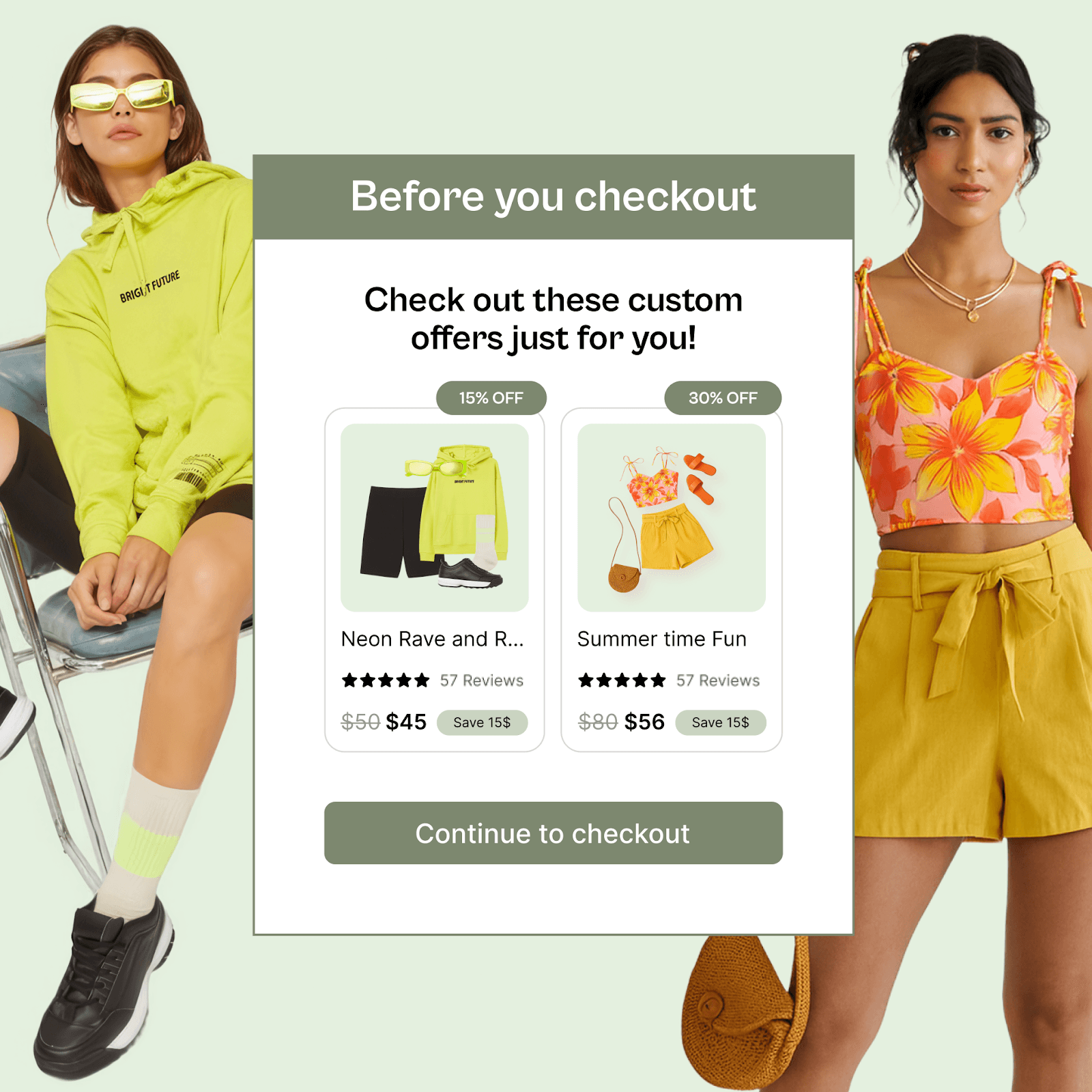
Personalize product recommendations based on the customer’s behavior and preferences. This personalized approach, supported by dynamic recommendations, encourages higher AOV and drives repeat purchases.
10. Optimize Load Speed
To prevent losing out on potential sales, make sure your landing pages load quickly on all devices. In the end, faster load times increase conversion rates by lowering bounce rates and enhancing user experience.
Also Read: Understanding Landing Page Conversion Rates in 2025
To further enhance your landing page optimization, let’s see how Nudge’s personalization solutions can elevate your strategy.
Use Nudge’s Smart Personalization Solutions to Level-Up Your E-Commerce Landing Pages
To truly optimize your e-commerce landing pages, Nudge provides a powerful, no-code platform that helps you create personalized, AI-driven experiences for every shopper. Marketers and growth teams working in high-growth DTC brands can utilize Nudge’s features to dramatically improve conversion rates, AOV, and customer retention.
Here’s how Nudge helps you optimize e-commerce landing pages for higher conversions:
Commerce Surfaces: Nudge’s AI-powered landing experiences adapt to every click, campaign, and shopper behavior, ensuring each visitor is shown personalized content at every stage of the funnel, from landing pages to PDPs to shopping bags.
AI Product Recommendations: Dynamic product recommendations based on real-time shopper behavior and affinities are seamlessly integrated into landing pages and checkout, driving higher AOV and higher conversion rates by suggesting the most relevant products to customers.
Contextual Nudges: Real-time contextual nudges, such as urgency alerts or exit-intent popups, guide shoppers toward key actions, be it signing up, adding products to their cart, or making a purchase, improving post-click engagement and reducing abandonment.
Cart Abandonment Recovery: Recover abandoned carts instantly by triggering personalized offers and upsell nudges, ensuring that customers who leave without completing a purchase are brought back with incentives, increasing both conversions and retention.
Funnel Personalization: Personalized funnels turn clicks into conversions by dynamically adjusting landing page content based on past shopper behavior, improving customer journeys and optimizing conversion rates from ad traffic to purchase.
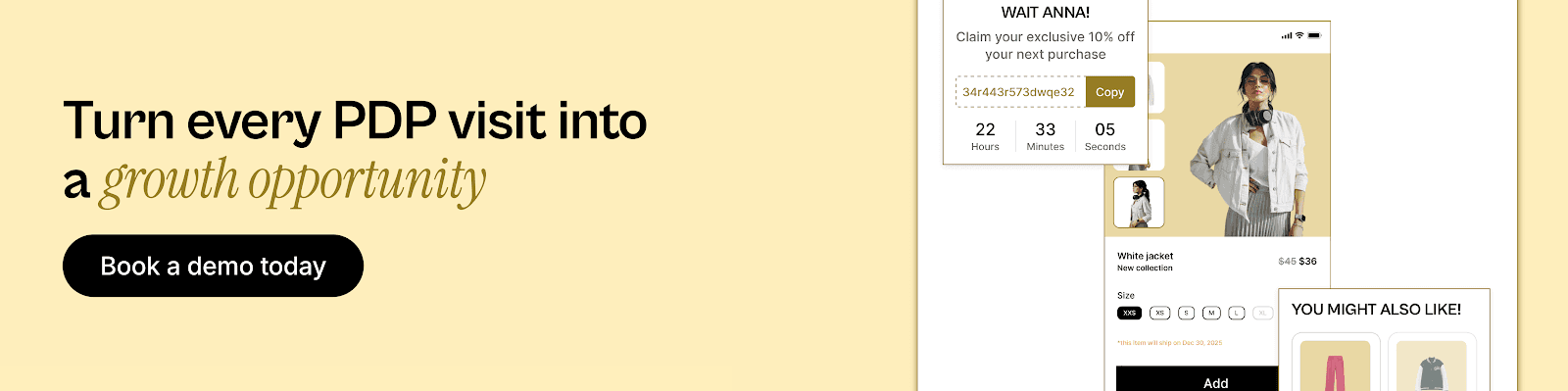
Bundling & Recommendations: Smart product bundles are offered at the perfect time, using live inventory and shopper behavior data to increase AOV and encourage customers to explore more products with personalized recommendations.
1-1 Personalization: Nudge delivers a fully personalized experience by using detailed behavioral insights, ensuring that each shopper is shown the most relevant offers and product recommendations, driving engagement and repeat purchases.
Nudge helps marketers and growth teams optimize every step of the customer journey, from landing pages to checkout. Start using AI-powered personalization today to achieve higher e-commerce conversion rates and drive sustainable growth.
Conclusion
By focusing on personalization and continuously testing your landing pages, you can ensure that your ecommerce site is maximizing its potential. For marketers, UX specialists, and growth teams working with high-growth DTC brands, these strategies provide the tools necessary to improve engagement, reduce CAC, and increase LTV.
To take your ecommerce landing pages to the next level, Nudge offers powerful features like AI-powered Commerce Surfaces, which personalize landing pages based on real-time shopper behavior, and dynamic product recommendations that increase AOV and drive conversions.
Book a demo today to see how Nudge can optimize your ecommerce landing pages and enhance conversions.
FAQs
1. How do personalized landing pages impact AOV and conversion rates?
Personalized landing pages increase AOV by showcasing relevant products and driving engagement through customized recommendations.
2. What are the best strategies for optimizing mobile landing pages?
Mobile landing pages should prioritize fast load times, clear CTAs, simplified navigation, and dynamic recommendations, enhancing user experience and increasing conversion rates across devices.
3. How do contextual nudges improve user engagement on landing pages?
Contextual nudges based on real-time shopper behavior (e.g., exit intent) help guide visitors toward desired actions, reduce friction, and increase conversions by making the experience more relevant.
4. What role does product bundling play in landing page optimization?
Product bundling encourages customers to purchase related products together, increasing AOV and enhancing the shopping experience by offering value through specific recommendations on landing pages.
5. How can landing pages reduce bounce rates and increase conversions?
Optimizing landing pages with clear messaging, relevant content, and personalized offers based on user behavior reduces bounce rates and encourages visitors to complete purchases, increasing conversion rates.