User Engagement
Best Ecommerce Site Search Practices & Examples to Increase User Experience
Learn how top brands like Amazon, IKEA, and Sephora use smart ecommerce site search to help shoppers find products faster and increase sales.

Kanishka Thakur






Many online stores lose potential sales because shoppers can’t quickly find what they want. Research shows that nearly 46.9% of visitors leave a site when search results are unclear or irrelevant, causing missed revenue opportunities.
Optimizing your Ecommerce Site Search can fix this by guiding shoppers to the right products, keeping them engaged, and making the buying process seamless. However, shoppers who use site search are over 5x more likely to purchase.
This article will show you how to make your site search more effective, sharing practical strategies to improve product discovery, engagement, and overall conversions so your store can turn every search into a growth opportunity.
Key Takeaways
Ecommerce site search helps shoppers quickly find products, understand intent, and reduces bounce while increasing conversions.
It handles exact, category, problem-solving, educational, and conversational queries improving engagement, guiding decisions, and increasing revenue.
Clear design, smooth user experience, conversion-focused features, and intelligent algorithms ensure relevant, actionable results.
Optimized search drives higher click-through rates, conversion rates, average order value (AOV), customer retention, and satisfaction.
AI, NLP, personalization, and real-time optimization make site search smarter, keeping your store competitive and shoppers returning.
To begin, it’s important to understand exactly what ecommerce site search is and why it matters.
What is Ecommerce Site Search?
Ecommerce site search is a feature on your online store that allows shoppers to quickly locate the products they want without navigating through multiple pages or complex menus.
Instead of browsing categories, customers type keywords or phrases, and the search engine instantly displays the most relevant products.
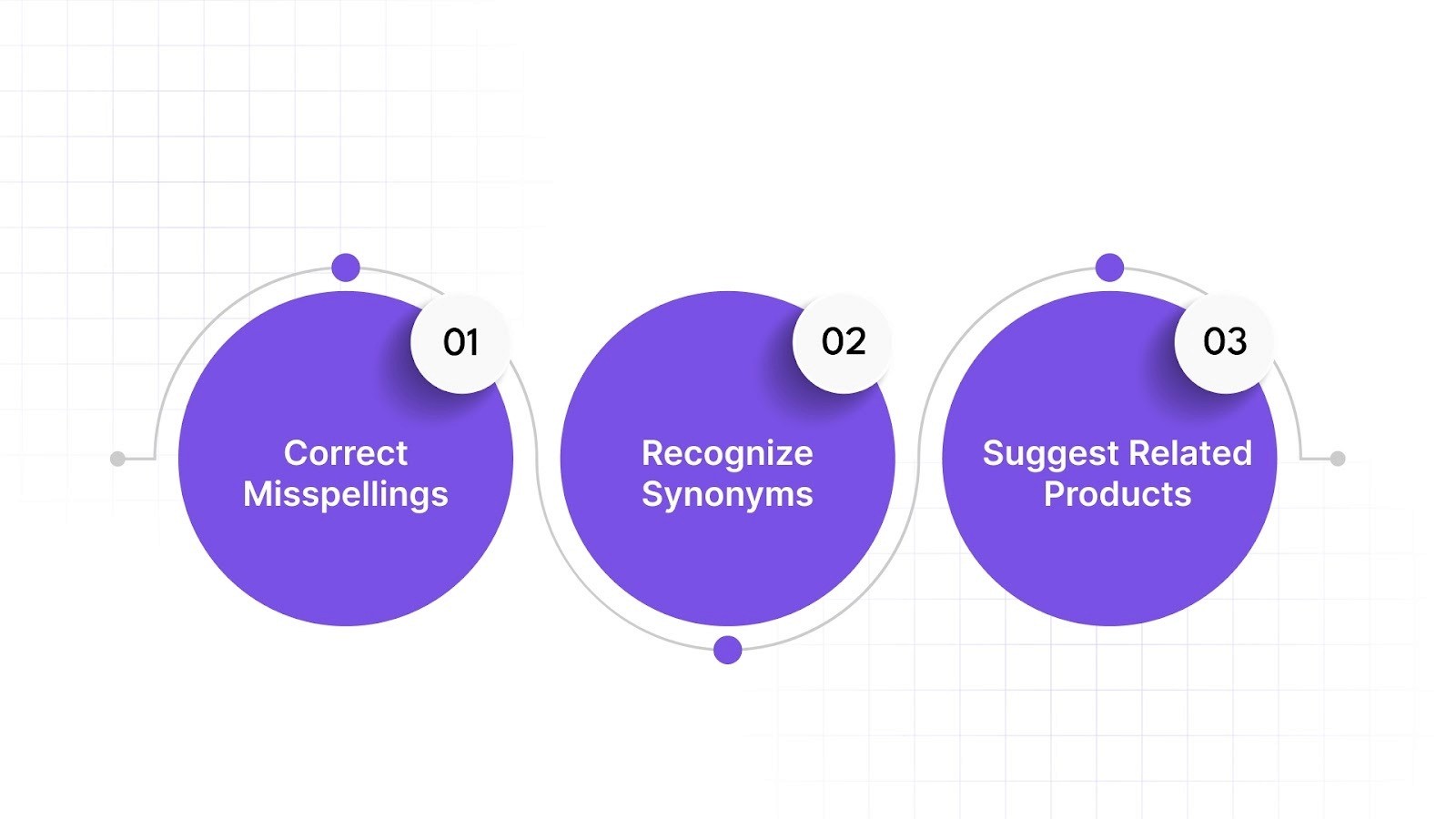
A strong ecommerce site search does more than just match words, it understands shopper intent. For example, it can:
Correct misspellings: If a user types “sneekers,” it still shows sneakers.
Recognize synonyms: Searches for “TV” also return “television.”
Suggest related products: If a product is out of stock, the system recommends alternatives.
By delivering accurate, fast, and intuitive results, site search keeps shoppers engaged, reduces bounce rates, and increases conversion rates, making it a critical tool for driving revenue in any ecommerce business.
Nudge enables ecommerce and DTC brands to enhance Ecommerce Site Search with personalization at scale. Using tools like AI Product Recommendations and Contextual Nudges,
Nudge analyzes shopper behavior, including search queries, scroll depth, session activity, and purchase history, to deliver the right product suggestion or promotional message at the right moment.

Also Read: Top Ecommerce Marketing Automation Strategies for 2025
To see the real impact, it helps to look at why optimized site search is so important for conversions and revenue.
Why eCommerce Site Search Is Crucial for Your Online Store?
Even though only 24% of shoppers use site search, these users drive 55% of online revenue. This shows that site search is not just a convenience, it directly impacts your sales and conversions.
A poorly optimized search can frustrate shoppers, increase bounce rates, and lead to lost revenue. In contrast, a fast, intuitive, and relevant search experience keeps visitors engaged, increases conversions, and encourages repeat purchases.
Brands that understand site search often see higher average order value (AOV), improved retention, and a smoother shopping journey.
Here are some industries that benefit from optimized site search:
Fashion & Apparel: Optimized search helps shoppers quickly find sizes, styles, and accessories, making it easier to complete their outfit and explore add-ons.
Beauty & Personal Care: Effective search highlights bundles, refills, and trending products, guiding shoppers to the right solutions and increasing upsell opportunities.
Grocery & Delivery: Smart search suggests ingredient add-ons, meal combos, or complementary products, helping customers shop faster and increasing basket size.
Retail & Electronics: Enhanced search surfaces seasonal essentials, extended warranties, and related accessories, reducing friction for complex purchase decisions.
Home & Lifestyle: Accurate search enables shoppers to find furniture, décor, and appliances with specific filters like size, color, or brand, improving their experience and increasing conversions.
Sports & Fitness: Targeted search recommendations for equipment, apparel, or nutrition products ensure customers find exactly what they need, leading to higher AOV and brand loyalty.
Investing in a powerful site search is essential for revenue, retention, and customer satisfaction. Even small improvements in search relevance can create a significant impact on sales and the overall shopping experience.
Also Read: Why Calculating Customer Retention Rate is Critical for Your Business
Next, understanding the different types of queries shoppers use helps you optimize results more effectively.
5 Types of eCommerce Site Search Queries
By analyzing query types, you can tailor search results to match shopper intent, whether they’re ready to buy, exploring options, solving a problem, or learning. This drives higher engagement, faster decision-making, and increased conversions.
Each query type reveals shopper intent and guides how you present results:
Query Type | Example | What It Reveals | How to Optimize |
Exact Search | “Breville Precision Brewer” | Shopper knows the exact product they want | Ensure your search matches SKU, product names, and brand names precisely for quick conversions. |
Product Type | “Stainless steel coffee machines” | Shopper is exploring options within a category | Highlight filters, category pages, and recommendations to guide selection. |
Symptom / Problem | “Broken carafe” | Shopper is looking for a solution | Surface relevant replacement parts, guides, and how-to content. |
Non-Product / Educational | “How to create latte art” | Shopper seeks guidance or tutorials | Include blog posts, videos, and knowledge-base content alongside product suggestions. |
Natural Language / Conversational | “High-end coffee maker under $300” | Shopper uses detailed or conversational phrasing | Use NLP-powered search to interpret intent and show relevant results with pricing filters. |
Also Read: How to Start Onsite Personalization That Actually Drives Conversions
Now that you understand the importance of search, let’s explore how to optimize it for performance, with real-world examples from leading brands.
Top Best Practices and Examples for Ecommerce Site Search
A well-optimized site search is more than just a search bar, it’s a tool that drives engagement, increases conversions, and keeps shoppers coming back. Every interaction with your search feature is an opportunity to guide users toward the right products quickly and seamlessly.
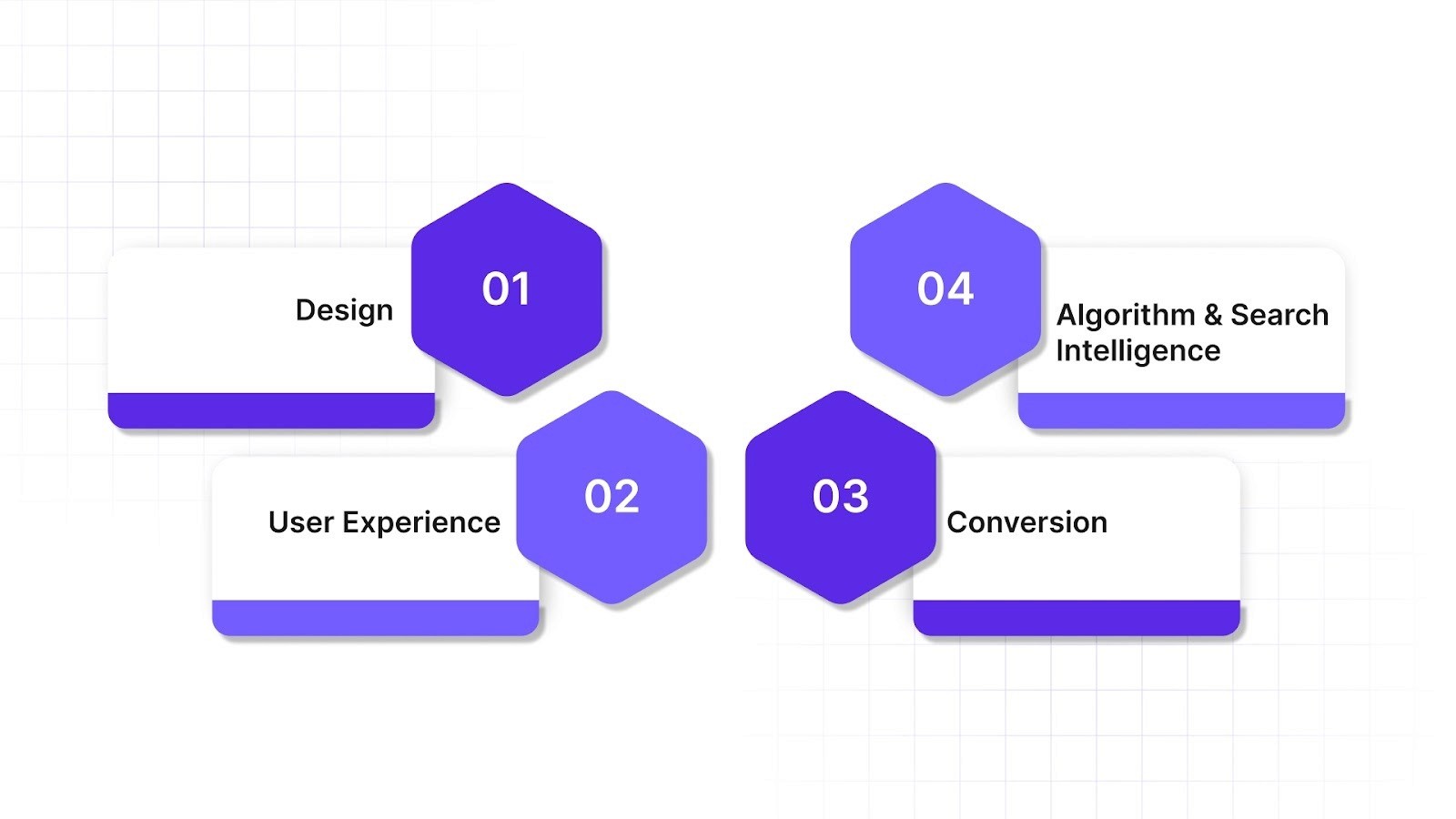
To achieve this, focus on four key areas: design, user experience, conversion, and algorithm intelligence.
1. Design
The first impression starts with how your search is designed. A clean, intuitive design ensures shoppers can easily find what they’re looking for. Best practices include:
Make search bars large and visible: Shoppers should see their full query as they type. Amazon and eBay show ~76 characters on desktop, making it easier for users to check or refine their search. Ensure consistent sizing across mobile and tablet.
Enable product previews on hover: Quick previews reduce clicks and help shoppers make faster decisions. Wolf & Badger shows alternate images when users hover over items, giving a better sense of color, style, and fit.
Dynamic thumbnails matching search intent: Images should reflect what the shopper is searching for. IKEA dynamically updates product thumbnails based on selected color and size, reducing bounce rates and increasing purchase likelihood.
Keep the search query visible on results pages: Users often forget their original query. Le Tanneur keeps the search term visible, making it easy to refine or modify searches without losing context.
2. User Experience
Once your design is intuitive, focus on enhancing usability. A smooth search experience keeps shoppers engaged and reduces frustration. Key strategies include:
Display key product details upfronT: Include price, color, size, and stock status directly in search results. A.L.C., for example, integrates “Add to Bag” buttons with clear availability to reduce friction.
Enable sorting and filtering: Filters help shoppers narrow down options quickly. Use price, rating, relevance, or arrival date. Dynamic filters like Nosto’s adapt based on user actions improving relevance.
Optimize search for mobile: Mobile shoppers convert less if search is difficult. Keep the search bar accessible, results easy to scroll, and buttons large enough to tap. Prioritize fast-loading results.
Commerce Site Search helps you deliver relevant product results and personalized recommendations for every shopper.
By using real-time behavior data, Nudge optimizes search results, suggest complementary products, and guide users toward the right purchase, improving engagement, increasing conversions, and boosting customer satisfaction.

3. Conversion
A good search experience should not just guide users, it should also encourage action. Conversion-focused features make it easy for shoppers to purchase or explore more products:
Suggest upsells and cross-sells: Show complementary products alongside search results to increase average order value (AOV).
Include ‘Add-to-Cart’ or ‘Favorite’ buttons in results: Allow shoppers to act without leaving the search page. Pull&Bear embeds these buttons in search results for a seamless experience.
Provide content alongside products: Guides, FAQs, or tutorials help shoppers make informed decisions without leaving your site. This reduces drop-offs and reliance on external search engines.
Avoid dead-end ‘no results’ page: Instead of a blank page, show related items, popular products, or suggestions based on past behavior to retain shoppers.
Also Read: Top Ecommerce Marketing Automation Strategies for 2025
4. Algorithm & Search Intelligence
Behind every effective search is a smart algorithm that understands intent, learns from behavior, and predicts what users want. Focus on these best practices:
Use customer-friendly language and synonyms: Avoid technical jargon and include common alternatives. For example, “pullover” should return results for “sweater.”
Use crowd logic: Analyze popular searches and check how customers behave to improve recommendations, bundling, and search relevance.
Strong typo tolerance: Even misspelled queries like “pyjamas” should return correct results. Burt’s Bees Baby handles this well, ensuring shoppers aren’t frustrated.
Integrate NLP for intent-driven results: Rank products based on engagement, clicks, and relevance, not just exact keywords.
Search query autocomplete: Autocomplete guides users toward popular products and helps refine queries. Amazon uses this to shorten the path to purchase while increasing engagement.
With Nudge, Ecommerce Site Search becomes smarter and more personalized. AI-driven recommendations tailor search results, upsell bundles, and product suggestions across PDPs, carts, and checkout, matching shopper intent, improving relevance, and increasing conversions.

Before exploring revenue impact, it’s important to see how an optimized search improves the overall shopping experience.
7 Ways Site Search Improves Shopping and Revenue
Finding the right product quickly can make or break a shopper’s experience. Your site search is one of the most important tools to help customers get what they want, fast. A good search not only makes shopping easier but also helps your business grow.
Here’s why it matters:
Higher Sales: When shoppers find what they want quickly, they are more likely to buy, like someone typing “portable blender” and instantly seeing the best options.
Useful Insights: Search data shows what people are looking for, which products are popular, and where you might need more stock, such as many searches for “wireless earbuds” revealing high demand.
Better Shopping Experience: A smart search works even with typos or different words, helping customers find products easily, like “yoga mat thicknes” still showing the correct mats.
Lower Bounce Rates: If people find products fast, they stay on your site longer instead of leaving frustrated, such as quickly locating “kids’ raincoats size 6.”
Personalized Suggestions: Search can show related products or deals based on what a shopper looks for, like someone searching “coffee machine” also seeing filters and mugs.
More Loyal Customers: Shoppers are more likely to come back to a site that helps them find what they need quickly, such as easily finding their favorite running shoes in the right size.
Higher Order Value: By showing related products during search, customers often add more to their cart, like adding a phone case when purchasing a new smartphone.
Also Read: How Nudge’s Behavioral Nudges Enhance E-commerce Conversions
To ensure these benefits translate into measurable results, you need to track key metrics effectively.
How can you measure the performance of your eCommerce site search?
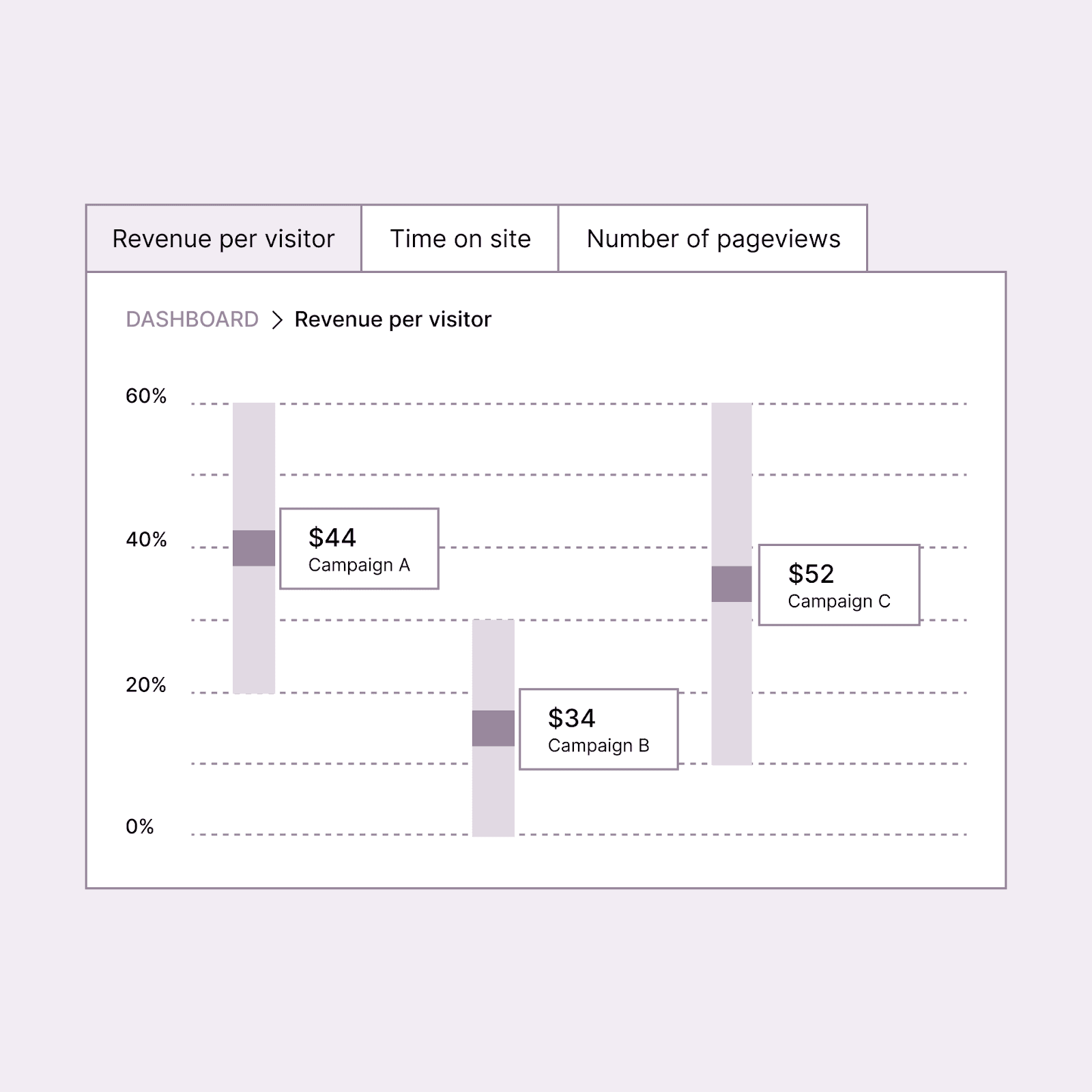
To make your Ecommerce Site Search a true revenue driver, it’s not enough to just implement it, you need to track how well it performs. Measuring search performance helps you understand user behavior, spot gaps, and optimize results for higher conversions. Focus on these key metrics:
1. Search Click-Through Rate (CTR)
CTR measures the percentage of searches that lead to clicks. For example, if someone searches “red sneakers” on Nike.com and clicks a product, that counts. Low CTR highlights irrelevant results or missing products.
2. Search Conversion Rate
This tracks searches that lead to cart actions or purchases. On Amazon, a search for “Breville espresso machine” that ends in a purchase shows the search drove revenue. Comparing categories reveals where recommendations or product ranking can improve abandoned carts.
3. Median Engaged Position
This shows which search result is clicked most. If IKEA shoppers click the 5th item for “wooden chair” instead of the first, search relevance needs tweaking. Placing popular items higher improves conversions.
4. Device and Channel Performance
Mobile and desktop users behave differently. For instance, Sephora’s mobile search bar is sticky and easy to use, helping mobile shoppers find products quickly. Tracking performance per device identifies friction points.
5. Zero Results Analysis
Monitor searches that return no results. If someone searches “wireless charger” on BestBuy and sees nothing, it signals missing products or poor keyword mapping. Reducing zero-result searches keeps shoppers engaged.
6. Engagement with Search Features
Track usage of filters, sorting, and recommended products. On ASOS, shoppers frequently use size and color filters, showing that well-designed features help users find what they want faster.
Looking ahead, site search continues to move with technology, offering new ways to enhance relevance and shopper satisfaction.
The Future of Ecommerce Site Search
Ecommerce site search is changing fast. Shoppers now expect results that are accurate, easy to use, and match what they really want. Brands using AI and smart search tools can give better results and keep customers coming back.
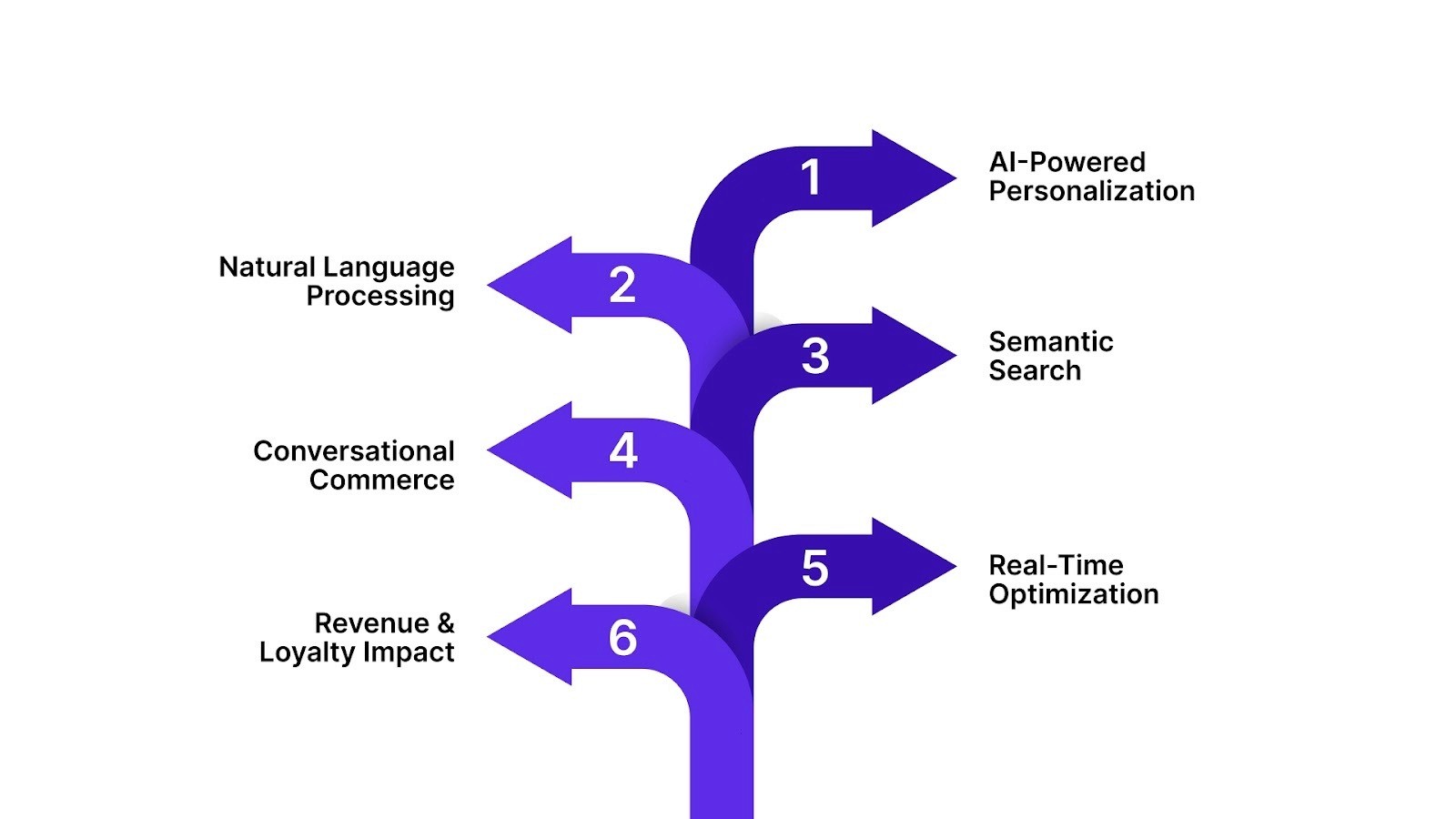
With these technologies, site search becomes more than a tool, it can help increase sales and build loyalty. Here’s what the future of smart search looks like:
AI-Powered Personalization: Dynamic results tailored to individual shoppers increase relevance and drive higher conversion rates.
Natural Language Processing (NLP): Understanding user intent beyond keywords ensures search results match complex or conversational queries.
Semantic Search: Products are recommended based on meaning and context, not just exact terms, reducing “no results” experiences.
Conversational Commerce: Shoppers can interact naturally with the search bar or chatbot, making discovery faster and easier.
Real-Time Optimization: Continuous learning from user behavior allows search to adapt instantly, improving relevance with every interaction.
Revenue and Loyalty Impact: Smart search experiences not only improve sales but strengthen long-term customer relationships.
Also Read: The Future of E-Commerce with AI Agents
Maximize Conversions with AI-Powered Ecommerce Site Search with Nudge
For growing ecommerce brands, this means every search can turn casual browsing into meaningful engagement and revenue.
Nudge helps you make site search a high-impact conversion tool by using data and AI to personalize every interaction:
AI Product Recommendations: Suggest products dynamically based on past browsing, purchase history, and real-time search intent to surface the most relevant options.
Contextual Nudges: Highlight deals, best-sellers, or complementary products at the right moment to guide shoppers toward checkout.
Commerce Surfaces: Automatically reorder or filter results to match shopper intent and reduce friction in discovery.
1-1 Personalization: Track what users search for, click on, and buy to refine future search experiences and improve relevance.
Funnel Personalization: Ensure search suggestions, recommendations, and nudges are consistent across desktop, mobile, and app interfaces.
By turning every search into a personalized, engaging, and conversion-focused interaction, Nudge helps ecommerce brands improve site search relevance, boost conversions, and make every shopper session more profitable.

Final Thoughts
Ecommerce site search is a critical tool for creating seamless shopping experiences that convert. Optimized search helps shoppers find the right products quickly, drives higher conversions, and provides valuable insights for merchandising, inventory, and marketing strategies.
Modern shoppers expect relevant results, intuitive filters, and tailored recommendations that match their unique browsing and buying behaviors.
Brands like Amazon, IKEA, Wolf & Badger, and Sephora show how effective ecommerce site search can power growth and elevate the overall customer experience.
Nudge helps ecommerce teams transform site search into a revenue driver with AI-powered personalization and real-time optimization. Book a demo to see how smart ecommerce site search increases conversions and loyalty.
FAQs
1. What makes an effective ecommerce site search?
An effective ecommerce site search delivers accurate, relevant results quickly, handles misspellings and synonyms, and accounts for user intent. Features like autocomplete, filters, and dynamic thumbnails improve product discovery and increase conversion rates.
2. How can brands optimize ecommerce site search for better conversions?
Brands can improve ecommerce site search by personalizing results based on user behavior, adding product recommendations, showing top-rated items, and including upsells or cross-sells. Mobile optimization and intuitive sorting/filtering also drive engagement and purchases.
3. Why do autocomplete and typo tolerance matter?
Autocomplete guides shoppers to relevant products faster, while typo tolerance ensures minor spelling errors don’t block results. Together, these features reduce friction, prevent “no results” pages, and improve customer satisfaction.
4. What metrics should brands track for site search success?
Essential metrics include search click-through rate, search conversion rate, and median engaged position (the position of the most clicked product for a search query). Tracking these helps brands refine search relevance and improve revenue.
5. How does personalization improve ecommerce site search?
Personalized ecommerce site search uses past purchases, browsing history, and user preferences to prioritize relevant products. Tailored results increase the likelihood of purchase and enhance the overall shopping experience.